Women in America do not live in a single uniform experience. Across state lines, access to health care, wages, safety, political power, reproductive rights, and paid leave can shift dramatically. Some states offer protection and opportunity, while others leave women facing daily barriers that make survival, let alone thriving, a constant struggle.
The gap is not just economic. States that fail women often leave them exposed to unsafe neighborhoods, weak maternal care, poor legal protections, and minimal political representation. Understanding which states protect women and which do not can help individuals make informed decisions about where to live, work, and raise a family.
Massachusetts Tops Women’s Safety and Opportunity
Massachusetts ranks highest for women because it consistently scores well across multiple categories. Access to health care is strong, wages are competitive, maternal care is reliable, and women’s political representation is comparatively high. These combined strengths create a stable foundation that allows women to live with less fear and more freedom.
Preventive care and better hospital access mean women can address health issues before they escalate. Paid leave policies and supportive work environments enable mothers and caregivers to remain attached to the workforce. Safety and social systems reinforce each other, creating an environment where women can plan long-term, confident that the state will support them.

Layered Advantages in Top-Ranked States
Top-ranked states share a pattern: they excel in multiple areas simultaneously. Washington, D.C., leads in women’s earnings and political engagement; Maine, in economic security and social well-being; and Maryland and Minnesota combine strong health care, education, and workplace protections. Advantages matter because women often face overlapping pressures in work, family, and personal safety.
When multiple systems support women together, life becomes more predictable and manageable. These states provide better access to child care, safe public spaces, and career opportunities, while women face fewer structural obstacles compared with low-ranking states.
Harsh Barriers in Low-Ranked States
The lowest-ranked states reveal compounded challenges. Louisiana, Arkansas, Texas, Oklahoma, and Alabama all show high maternal mortality rates, poor access to preventive care, limited legal protections, and high rates of women living in poverty. These challenges often intersect, creating environments where women must carry more risk with fewer resources.
Daily life in these states can include delayed medical care due to cost, unsafe neighborhoods, weak legal recourse against domestic violence, and limited career opportunities. These states highlight how the absence of multiple supportive systems can severely constrain women’s independence and safety.
Health Care Access Separates the Best and Worst
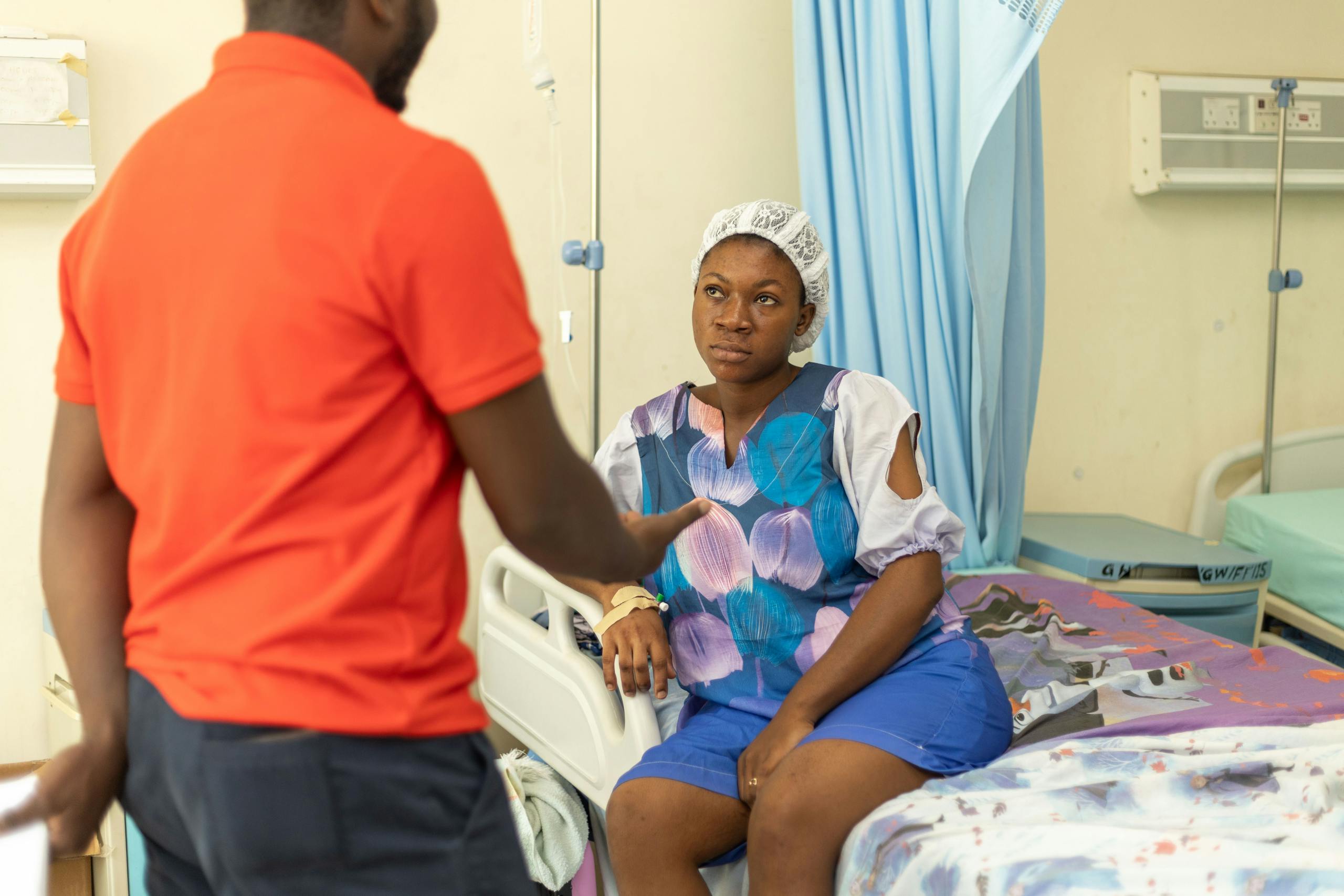
States at the top provide robust preventive care, low uninsured rates, and strong maternal health systems. Women are more likely to detect health issues early and maintain overall well-being. Low-ranking states often leave women traveling long distances, facing high costs, or delaying care, compounding risks during pregnancy, illness, or chronic health management.
Black women and other marginalized groups face the highest maternal mortality gaps, making poor health systems a more severe threat to their survival. These disparities underline why health care access is a core factor in women’s state rankings.
Reproductive Policy Creates State-by-State Divides
Reproductive access now varies sharply by state. Some states protect broader abortion access, while others enforce bans or early gestational limits. Restrictions create logistical and financial burdens, including travel costs and limited provider availability, placing women under additional stress.
Lack of access also affects workforce participation, hospital systems, and long-term family planning. States with restrictive policies amplify the daily pressure on women, while states with supportive policies give women more control over timing and medical decisions.
Economic Security Shapes Daily Freedom
Pay, poverty, and job security shape women’s daily reality. Strong states offer higher wages, lower poverty, and better employment protections, while weaker states leave women struggling to meet basic needs. Single mothers, caregivers, and women in unsafe situations face the greatest consequences.
Economic instability can trap women in unhealthy conditions, unsafe housing, or abusive relationships. States that prioritize women’s financial stability empower them to make real choices and reduce reliance on fragile support networks.
Paid Leave Remains a Critical Divider
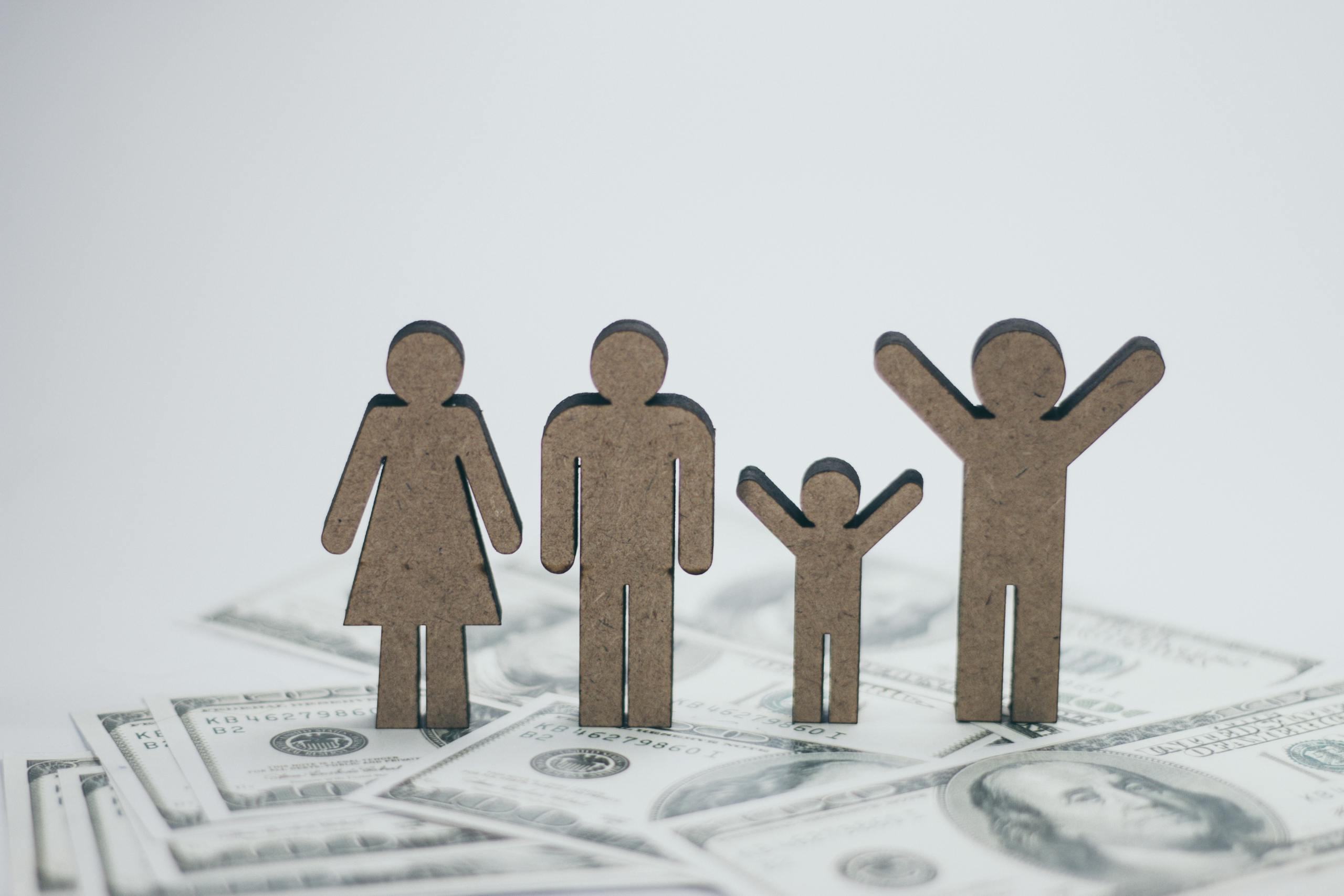
Paid leave enables women to recover from childbirth, care for sick family members, or manage personal illness without losing income. States that lack these policies force women to rely on unpaid federal protections or personal savings, which many cannot afford. The absence of paid leave amplifies stress and economic risk for women, particularly mothers.
States with paid leave allow women to maintain employment and health simultaneously, giving families more stability. The lack of this basic policy in low-ranking states adds invisible pressure to women’s daily lives.
Safety Impacts Real Freedom
Safety shapes women’s freedom. States with strong protections against domestic violence, sexual harassment, and firearm-related risk give women confidence to live and work without constant fear. The worst states show high female homicide rates, minimal domestic protections, and unsafe neighborhoods that limit mobility and independence.
Legal protections are not just statistics; they impact real choices about work shifts, evening travel, and leaving unsafe situations. Safety gaps mean women in low-ranking states must navigate life with heightened vigilance.
Political Representation Drives Change
Women in state legislatures influence budgets, child care policy, maternal health systems, workplace protections, and reproductive policy. Underrepresentation leaves women’s needs unaddressed. States with more female lawmakers tend to prioritize policies that improve everyday life for women, while states with fewer women in office often neglect these issues.
Political influence determines which problems receive attention. Even strong community advocacy can falter when women lack a voice in decision-making chambers.
Equality Gaps Persist Even in Strong States
High-ranking states can still show gender gaps in pay, employment, and leadership. Equality rankings compare women’s outcomes with men’s outcomes within the same state. Utah, Texas, Idaho, Arkansas, and Louisiana reveal that, even with strong communities and economies, women can remain far behind men in wages, workplace influence, and political power.
A state can provide opportunity without closing gaps, leaving women to climb steeper hills than their male counterparts. True progress comes when opportunity, protection, and equality intersect.

Conclusion: The Worst States Demand Policy, Not Resilience
The worst states for women demonstrate that opportunity is not uniform in America. Louisiana, Arkansas, Texas, Oklahoma, and Alabama exemplify how poor health care, weak legal protections, low wages, unsafe neighborhoods, and minimal political representation compound to make women’s lives harder. Women in these states show remarkable resilience, but resilience should not replace supportive policy.
Strong states demonstrate that systems that integrate health care, economic opportunity, safety, leadership, and family support make women’s lives manageable. Weak states demand that women carry too much alone. Rankings should guide policy reform, not shame women. The ultimate measure is whether a state enables women to thrive, not just survive.