President Donald Trump has introduced a new financial threat into the widening conflict with Iran: Tehran, he says, will be made to pay for future damage to commercial ships and cargo.
In a social media post on Thursday, July 23, Trump said losses involving vessels, freight or related property would be covered using Iranian money already held or controlled by the United States. The announcement came as attacks on shipping routes intensified and oil prices climbed above $100 a barrel, putting a fresh spotlight on the cost of instability in two of the world’s busiest maritime corridors.
“From this point forth, any and all damages done to Ships, Cargo, or anything related thereto, will be paid for by Iranian Money that the United States has in its possession, and controls,” Trump wrote.
He called the proposal “the fair and equitable thing to do.” The Associated Press verified the statement but reported that the legal mechanism for accessing and distributing the funds remains unclear.
A warning aimed directly at Iran’s wallet
Trump’s declaration is designed to turn every future maritime attack into a potential financial penalty for Tehran. Rather than leaving shipowners, insurers or governments to absorb the full cost, the president is proposing that Iranian assets under U.S. control be used as a compensation pool.
The statement did not identify which accounts or assets would be targeted, how much money is available or who would decide whether a claim qualifies. It also did not explain whether payments would require congressional approval, court action or new regulations.
That uncertainty matters because freezing foreign assets and permanently confiscating them are not the same legal step. The Treasury Department’s Office of Foreign Assets Control says blocked property is frozen rather than seized. Ownership normally remains with the blocked party, even though transfers and other dealings are prohibited without authorization.
Still, the political message was unmistakable. Trump is telling Iran that attacks on international shipping will carry consequences beyond military retaliation. The threat also appears designed to reassure commercial operators facing damaged vessels, disrupted schedules and rising insurance costs.
Iran quickly rejected the idea. Foreign Minister Abbas Araghchi called the proposed use of Iranian assets an “incendiary” precedent and warned that normalizing confiscation could put sovereign assets around the world at risk.
“Once governments normalize confiscation, no one’s assets are safe,” Araghchi wrote, adding that the resulting disorder would not be peaceful. His response framed the dispute as more than a confrontation between Washington and Tehran.
Shipping routes are becoming battle lines
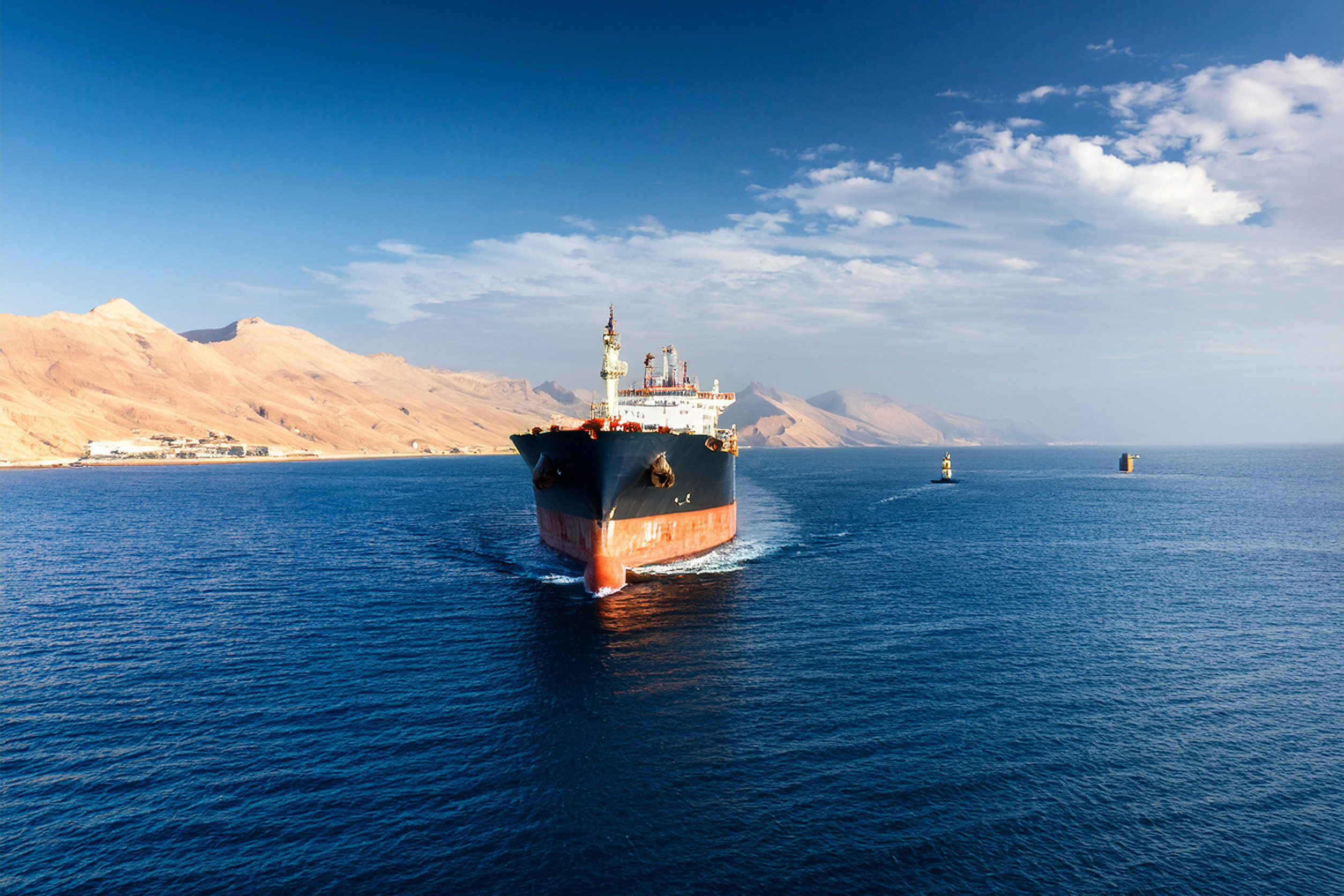
The warning arrived during a sharp escalation around the Strait of Hormuz and the Red Sea. U.S. Central Command said its latest strikes were intended to reduce Iran’s ability to threaten civilian mariners and commercial vessels in regional waters.
The Strait of Hormuz is especially important because roughly one-fifth of the world’s oil and gas moved through it during peacetime. Disruptions there can quickly affect energy prices, shipping schedules and consumer costs far beyond the Middle East.
At the same time, Yemen’s Iran-backed Houthi movement said it attacked two Saudi oil tankers in the Red Sea. The incidents raised concerns about the Bab el-Mandeb strait, another critical chokepoint linking the Red Sea to the Gulf of Aden.
Around 12% of global trade and approximately one-quarter of container traffic normally pass through that route. An extended disruption could force more ships to avoid the Suez Canal and travel around Africa instead.
Trump said the United States would hold Iran responsible for future Houthi attacks, describing the armed group as a surrogate or proxy of Tehran. He threatened “major military punishment” against both Iran and the Houthis if attacks continued.
The combination of threatened blockades, vessel strikes and military retaliation has created a dangerous squeeze on global commerce. Longer routes increase fuel consumption, delivery times and freight costs. Insurers may also charge higher premiums when ships enter active conflict zones, spreading the financial impact throughout international supply chains.
A forceful promise with unanswered questions
Trump’s plan may sound straightforward: use Iranian money to pay for damage blamed on Iran. In practice, implementing it could become complicated.
The administration has not published a claims process, eligibility rules or a timetable. It is also unclear whether compensation would cover only future incidents, as Trump’s wording suggests, or whether vessels already damaged during the conflict could eventually be included.
Government officials would also need to establish responsibility for each incident. Commercial vessels can be damaged by missiles, drones, mines, armed boats or misdirected military fire. Determining who launched an attack may require intelligence reports, maritime investigations and evidence that cannot immediately be made public.
The announcement nevertheless adds another layer of pressure to an already volatile conflict. Military strikes are now being paired with the promise of direct financial liability, while Iran is warning that confiscating its money could set a dangerous international precedent.
For shipowners and cargo companies, the most important question is not only who caused the damage, but whether compensation would actually arrive. Trump has delivered a forceful promise. Turning it into a lawful and workable payment system will be the harder test.