Moving abroad can feel like a promotion, a reset, and a private adventure all at once. The new city looks exciting, the income may stretch further, and the promise of a better lifestyle can make the paperwork feel like background noise. That is where many expats first lose money: not in big mistakes, but in small ones they do not notice.
The most expensive financial mistakes expats make rarely begin with reckless spending. They begin with small assumptions. We assume home-country tax rules no longer apply to us. We assume a local bank account is enough. We assume health insurance can wait. We assume a will, a pension, or a retirement plan works the same way across borders.
That confidence can become expensive fast. A missed form can trigger penalties. A weak currency plan can quietly shrink savings. A poor insurance choice can turn one hospital visit into a financial emergency. A badly planned estate can leave family members tangled in courts, taxes, and local inheritance laws. The lesson is simple: small oversights can become high costs.
Double Taxation Can Punish Expats Who Do Not Plan Early

Double taxation is one of the most feared expat money problems, and for good reason. It can happen when the host country taxes income because we live or work there, and the home country also expects the same income to be reported. Without planning, a salary that looked generous on paper can become much smaller after two tax systems have taken their share.
The foreign tax credit can help reduce this pressure when foreign income taxes qualify. In simple terms, it may allow expats to offset some U.S. tax with income taxes paid to another country. However, it is not a magic eraser for every tax bill. The type of tax, the source of income, treaty rules, timing, and filing method all matter.
The foreign earned income exclusion is another powerful tool, but it also has limits. It generally applies to earned income, not all income. Investment income, rental income, pensions, capital gains, and business distributions may need separate treatment. Expats who use the wrong tool can create surprise tax exposure later.
Foreign Bank Account Reporting Is Where Small Balances Become Big Problems
Many expats open local accounts for normal reasons. We need to receive salary, pay rent, manage groceries, transfer money, or prove local residency. The danger begins when those accounts are treated as invisible. Foreign account reporting rules can apply even when the money is legal, already taxed, and sitting in ordinary checking or savings accounts.
For U.S. expats, FBAR reporting is triggered when the combined value of foreign financial accounts exceeds $10,000 at any time during the calendar year. That threshold is aggregate, not per account. Three accounts with modest balances can cross the line together, even if no single account looks large.
This is why expats should track maximum account values, not just year-end balances. A relocation bonus, rental deposit, tuition payment, property purchase transfer, or temporary business balance can push accounts above the reporting threshold for one day. That single day can matter.
Banking Without a Currency Strategy Can Quietly Drain Savings
Currency risk does not arrive with a loud warning. It shows up quietly when rent is paid in one currency, salary arrives in another, savings sit in a third, and future plans depend on a fourth. Many expats focus on income level but ignore exchange-rate exposure. That mistake can shrink wealth even when spending looks controlled. A strong currency plan begins with matching money to purpose. Short-term living costs should usually sit in the currency used for daily expenses. Emergency savings should be accessible where emergencies are likely to happen. Long-term savings may need to match the country where future retirement, property purchases, school fees, or family support will occur.
Offshore Banking Is Useful Only When It Is Legal, Reported, and Purposeful
Offshore banking often sounds glamorous, but for serious expats, it is mainly a planning tool. It can help manage currency exposure, protect access to funds, simplify international payments, or hold money outside a country with banking instability. Used correctly, it can add flexibility. Used carelessly, it can create suspicion, penalties, and unnecessary complexity.
The mistake is opening offshore accounts without understanding reporting duties. Offshore does not mean secret. Many countries now exchange financial account information under international transparency rules. Banks also ask more questions about tax residency, source of funds, and account purpose than they did years ago.
An offshore account should have a clear reason. That reason may include receiving international consulting income, holding emergency funds in a stable currency, preparing to move to a third country, supporting dependents abroad, or keeping savings separate from local political or banking risks. It should never be used to hide taxable income.
Health Insurance Mistakes Can Turn One Emergency Into a Financial Crisis

Health insurance is one of the easiest expat expenses to delay and one of the hardest mistakes to survive. A healthy person can move abroad, believing they will “sort it out later.” Then a scooter accident, appendicitis, pregnancy complication, infection, dental emergency, or sudden evacuation need can change everything in a day.
Local public healthcare may not cover new residents immediately. Employer insurance may exclude dependents, pre-existing conditions, mental health support, maternity care, evacuation, private hospitals, or treatment outside the host country. Travel insurance may cover short trips, but it fails as a long-term expat health plan.
The federal U.S. tax penalty for lacking health insurance is no longer the same issue it was years ago. The bigger modern danger is practical, not just tax-related. Expats need coverage that fits where they live, where they travel, and where they would seek treatment in a serious medical emergency.
Retirement Planning Often Breaks When Expats Stop Contributing
Moving abroad can interrupt retirement savings without anyone noticing immediately. A new employer may not offer a familiar pension. A home country retirement account may no longer accept contributions. A host country pension may not be portable. Self-employed expats may focus on cash flow and forget long-term contributions.
This mistake grows quietly. Missing one year of contributions may feel harmless. Missing five or ten years can change retirement options. Expats who earn well abroad can still return home with weak retirement savings if they do not build a cross-border plan.
We should know which retirement accounts remain available, which contributions are allowed, and how each country taxes withdrawals later. Employer stock plans, private pensions, social security agreements, retirement visas, and tax treaties can all affect long-term planning.
Inheritance Laws Can Rewrite Family Intentions
Inheritance is one of the most overlooked financial risks of expat life. Many people assume a will written in the home country controls everything. That may not be true. Local succession rules, forced heirship, marital property laws, religious law, property title rules, and probate systems can affect what happens after death.
The danger is greatest when assets sit in multiple countries. A home in one country, bank accounts in another, investments in a third, and family members across borders can create slow and expensive estate administration. Even a loving family can face confusion when documents do not match local legal systems.
Some jurisdictions place strong limits on who can inherit. Others require local probate. Some apply inheritance tax or estate tax based on residence, domicile, citizenship, asset location, or beneficiary status. A simple home country will may not be enough.
Property Purchases Abroad Can Become Expensive Traps

Buying property abroad can feel like the final step into a new life. An apartment near the beach, a family home in the capital, or a rental property in a fast-growing city can look like a smart investment. Yet property is one area where expats often underestimate legal, tax, and currency risks.
Foreign ownership rules can be strict. Some countries limit land ownership by non-citizens. Others allow long leases but not freehold title. Some require local partners, special permits, government approval, or extra taxes for foreign buyers. A beautiful property can become a problem if ownership rights are unclear.
Expats should also calculate the total cost, not just the purchase price. Transfer taxes, legal fees, agent commissions, maintenance charges, service fees, rental income tax, vacancy periods, insurance, currency conversion, capital gains tax, and exit taxes can reduce returns. Selling later may be slower than expected.
Debt and Credit Mistakes Follow Expats Home
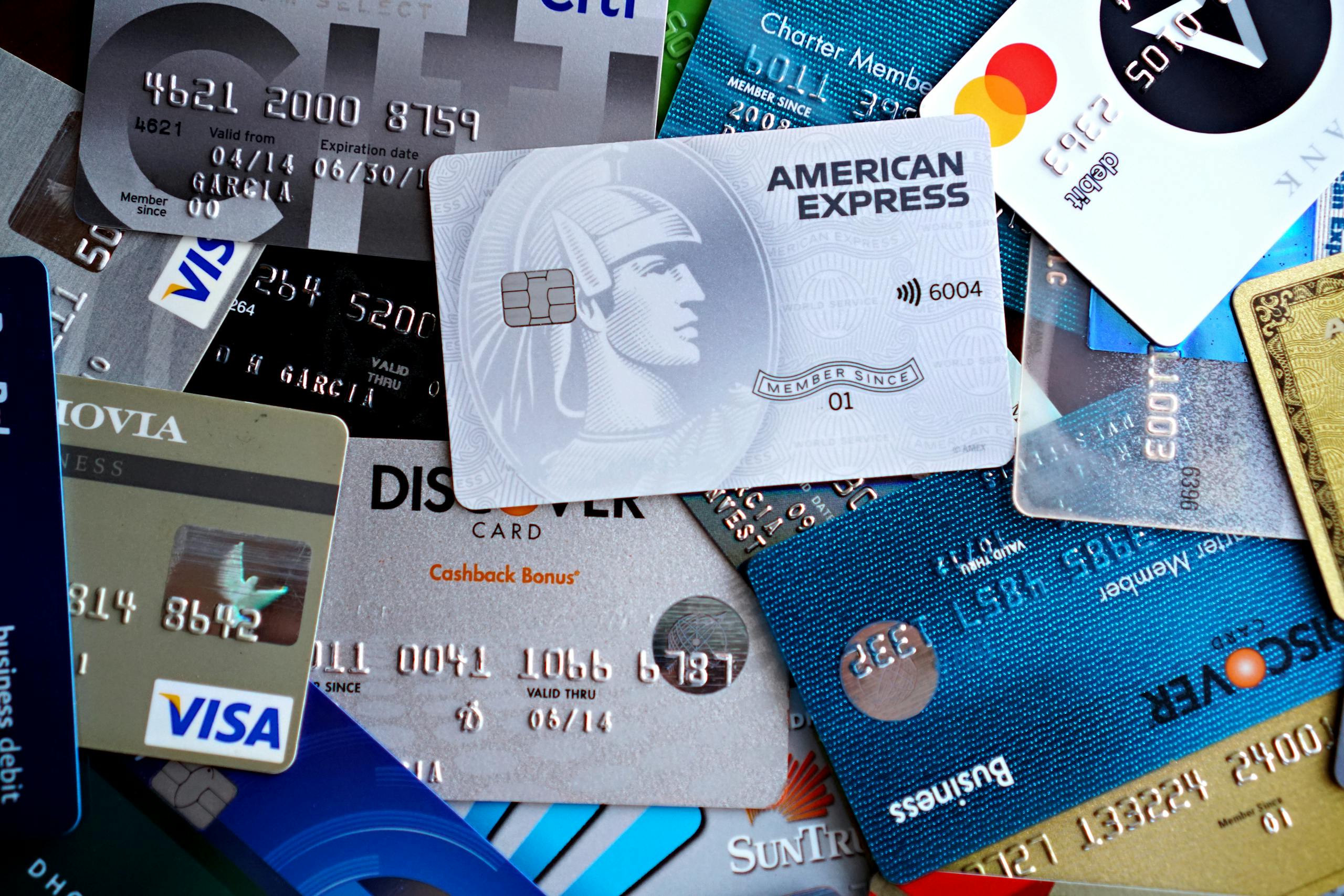
Some expats leave their home-country bills behind because they assume distance provides protection. It does not. Student loans, credit cards, tax debts, mortgages, child support, business obligations, and unpaid accounts can follow an expat for years. Interest, penalties, damaged credit, and legal collection can continue even when the person lives abroad.
Credit history can also become weaker through neglect. Closing every home country account may make life harder later when returning, applying for a mortgage, renting, or restarting a business. Keeping too many accounts open without monitoring can also invite fraud.
We should create a debt and credit maintenance plan before leaving. That plan should include automatic payments, a home-country mailing address or a digital mail service, fraud alerts, credit monitoring, tax notices, loan servicer access, and a clear payoff strategy.
Emergency Funds Need More Than Three Months of Expenses
A standard emergency fund is helpful, but expats often need a stronger version. Living abroad adds risks that local residents may not face in the same way. Job loss can affect visa status. Political unrest can force relocation. Family emergencies may require last-minute international flights. Medical treatment may require upfront payment. Currency drops can raise costs overnight.
A serious expat emergency fund should cover more than rent and groceries. It should include flight costs, temporary accommodation, visa expenses, medical deductibles, legal support, replacement documents, family travel, pet relocation, school disruption, and a return-home buffer.
The fund should also be split wisely. Keeping all emergency money in one local bank can be risky if accounts freeze, cards fail, currency controls appear, or banking systems become unstable. Keeping all emergency money in the home country can be just as risky if a hospital abroad requires immediate payment.
We should keep emergency funds in accessible layers. One layer can sit locally for daily crises. Another can sit internationally in a stable currency. A third can remain in the home country for return expenses. The goal is simple. During a crisis, money should be reachable without begging a bank, relative, or employer to move faster.
Poor Recordkeeping Makes Every Expat Money Problem Worse
Expats often underestimate the value of clean records. Then a tax authority asks for proof, a bank asks for the source of funds, an insurer asks for medical history, a landlord asks for income documents, or an immigration office asks for financial evidence. Suddenly, missing paperwork becomes expensive.
Good records protect us from confusion. We should save tax returns, payslips, employment contracts, bank statements, investment statements, insurance policies, lease agreements, property records, pension documents, visa documents, and proof of foreign taxes paid. Digital copies should be backed up securely.
Recordkeeping is especially important for exchange rates. If income is earned in one currency and reported in another, we need consistent conversion records. If large transfers are made, we need proof of source and purpose. If investments are sold, we need cost basis and sale records.