The Archdiocese of San Francisco has reached a $395 million settlement with hundreds of survivors who accused Catholic clergy and church officials of childhood sexual abuse, a proposed deal that now places the institution’s money, records and future child-safety promises under federal court review.
The agreement, announced Monday, June 29, 2026, is designed to resolve claims from approximately 530 abuse survivors across an archdiocese that serves San Francisco, Marin and San Mateo counties. For many survivors, the settlement is not simply a payout. It is a public test of whether a powerful religious institution can be forced to acknowledge harm, open its records and change how it protects children.
The settlement still needs approval from U.S. Bankruptcy Judge Montali before the money can move through a survivor compensation process. That next step matters because the case is in a Chapter 11 bankruptcy proceeding, where compensation, insurance disputes, and institutional reforms must be addressed through a court-supervised plan.
The Money Is Historic, But Not Final
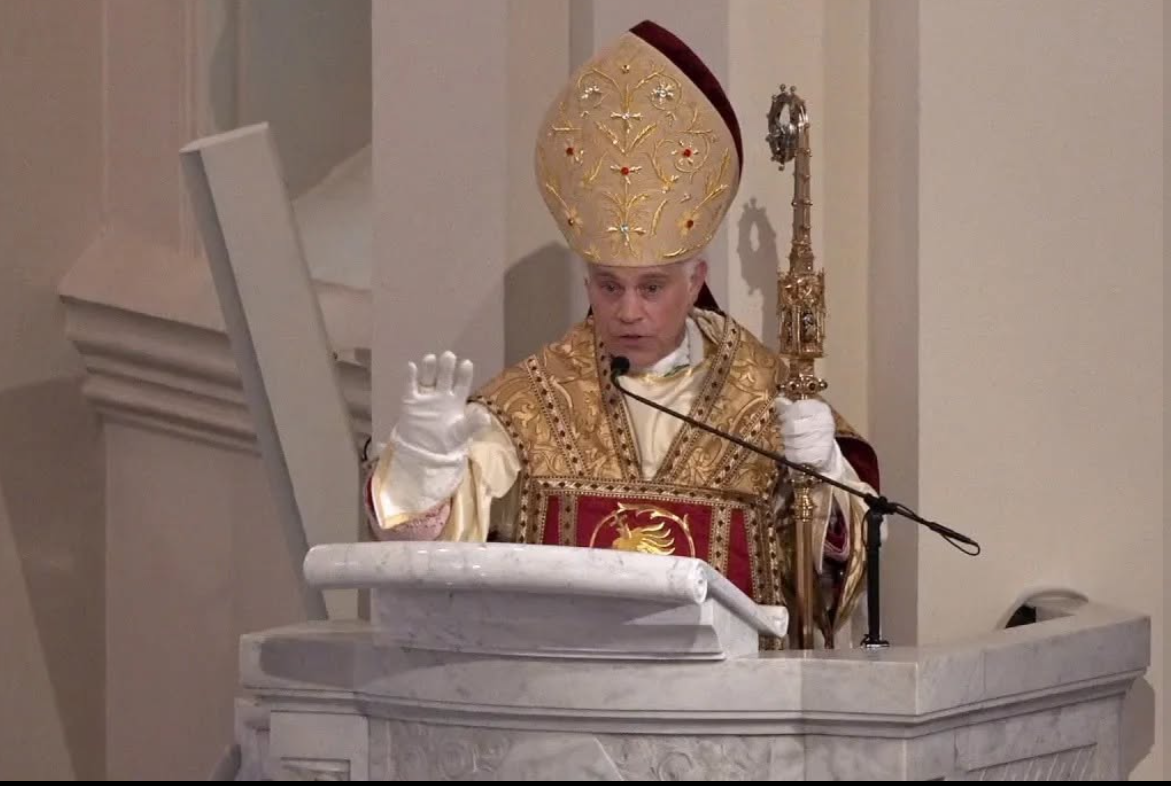
The proposed $395 million agreement would rank among the most significant clergy abuse settlements in the United States. If approved, it would become the largest settlement reached in a Catholic diocesan bankruptcy case.
The size of the deal reflects the scale of the claims. Survivors alleged abuse that in many cases dated back decades, long before they had a practical chance to bring civil lawsuits. The court process has now consolidated those claims into a single bankruptcy case, rather than leaving hundreds of survivors to fight individual legal battles.
The archdiocese entered Chapter 11 bankruptcy in August 2023. Church leaders framed the move as a way to manage abuse claims and preserve ministry operations, but for survivors, bankruptcy also meant another legal wall between them and accountability.
That is why the latest agreement carries emotional force. It offers a path toward compensation, but it also leaves unanswered questions about timing, distribution, and whether insurance companies will be required to contribute.
Survivors Would Help Shape Distribution
The settlement does not mean every claimant automatically receives the same amount. A survivor committee is expected to help shape the process for evaluating individual claims, with an allocator reviewing the circumstances of each survivor’s case.
That distinction is important. Childhood sexual abuse claims differ in duration, alleged conduct, available evidence, institutional response, and lifelong impact. A flat division of the settlement would miss those differences.
The proposed process would give survivors a chance to present their stories as part of the allocation system. That may not erase the trauma, but it gives the process a human dimension beyond a courtroom number.
For many families, the issue reaches beyond legal compensation. Abuse allegations against trusted adults in religious settings strike at a deep layer of community life. Parents rely on schools, churches, youth programs, and faith leaders to protect children, not expose them to danger.
Transparency Becomes the Real Test
The settlement’s most lasting effect may come from its non-financial terms. The agreement requires Archbishop Salvatore Cordileone to send personal apology letters to survivors and includes reforms designed to make abuse records more visible to the public.
The archdiocese must also create and maintain a public list of accused clergy. That list is expected to include allegations and investigation outcomes, making it one of the clearest accountability measures in the deal.
The agreement also includes fourteen protection transparency reforms, including restrictions on confidentiality agreements that silence survivors. For survivor advocates, that provision matters because secrecy has long been one of the most damaging parts of institutional abuse cases.
A public list cannot undo abuse. An apology cannot give survivors back their childhood. But transparency can help communities see what happened, who was accused, and how leaders responded.
That is the practical stake for parents and parishioners. The public will now be watching to see whether the archdiocese releases meaningful information or merely meets the minimum required by a court-approved plan.
California Law Opened the Door
The San Francisco case grew out of a broader change in California law. The Legislature passed California Assembly Bill 218 in 2019, creating a temporary window that allowed survivors of childhood sexual abuse to bring older civil claims that may otherwise have been blocked by time limits.
That legal window changed the balance of power. People who had spent years believing their claims were too old to pursue were suddenly able to file lawsuits. Institutions that had avoided courtroom scrutiny for decades faced a wave of claims.
The deadline for many revived claims ended in 2022, but its effects continue to move through courts. The San Francisco bankruptcy is one result of that legal shift.
California has become a key battleground in the wider reckoning over clergy abuse. In 2024, the Archdiocese of Los Angeles reached an $880 million settlement tied to claims filed under the same state law.
A Bay Area Institution Faces Local Questions

The Archdiocese of San Francisco serves about 440,000 Catholics in San Francisco, Marin, and San Mateo counties. That makes the settlement more than a distant legal story. It reaches into parishes, Catholic schools, donors, workers, and families across the Bay Area.
Large settlements can create financial pressure on religious institutions. They can raise questions about assets, insurance, budgets, staffing, and long-term operations. Parishioners may wonder what the deal means for local services and schools.
At the same time, survivors and their families may see the settlement as overdue accountability from an institution they believe protected itself for too long. Those two realities now exist side by side: a church that remains spiritually meaningful to many people, and a legal record filled with allegations of devastating failure.
The public accountability angle is unavoidable. A religious institution cannot ask communities for trust without answering hard questions about child safety, past leadership decisions, and the handling of abuse complaints.
What Happens Next
The bankruptcy court must decide whether the proposed settlement can move forward. If the plan receives approval, the survivor trust would begin the claims review and distribution process.
Insurance disputes may continue beyond court approval. Survivor attorneys have said the settlement structure allows the trust to pursue insurers, which means the final financial picture could take longer to settle.
The transparency measures will also face public scrutiny. Families, survivors and parish communities will be watching whether the accused clergy list is complete, whether apology letters are sent, and whether child protection reforms become visible in practice.
A settlement can close lawsuits. It cannot close public memory. The San Francisco Archdiocese now faces the harder task of proving that accountability is not limited to a dollar amount.
The Larger Meaning
The proposed settlement marks a major turning point for survivors, the archdiocese and the Bay Area Catholic community. It places decades of alleged abuse into a public legal framework and forces the institution to pair compensation with transparency.
The next ruling will come from bankruptcy court. The larger judgment will come from survivors, families, and local Catholics, who will measure the archdiocese not only by what it pays but also by what it finally reveals and changes.