Ribeye steaks have long been the indulgence that meat lovers crave. But the reality behind the cuts in stores today isn’t as delicious as it seems. Supply strains, rising prices, and inconsistent quality are changing what ends up on your plate. Even seasoned grill masters are noticing subtle shifts that can ruin the experience. Before you buy, here’s what you absolutely need to know.
Supply Chains Are Cracking
Drought, expensive feed, and fewer hands at the slaughterhouse are squeezing cattle production. Ribeye steaks are becoming rarer, so your local butcher might not always have the best on offer. This shortage drives prices up and leaves shoppers settling for less. Knowing what’s happening behind the scenes helps explain why your steak might not have the marbling or consistency you expect.
Prices Are Climbing Fast
Inflation and demand have driven ribeye prices up 15–25% in the past year. Premium cuts now hit wallets harder, making indulgence less frequent for many households. The hike isn’t just monetary; it shifts how often people can enjoy ribeye without guilt. Awareness of cost trends ensures buyers make smarter decisions and avoid paying for cuts that don’t justify the price.

Marbling Is Less Predictable
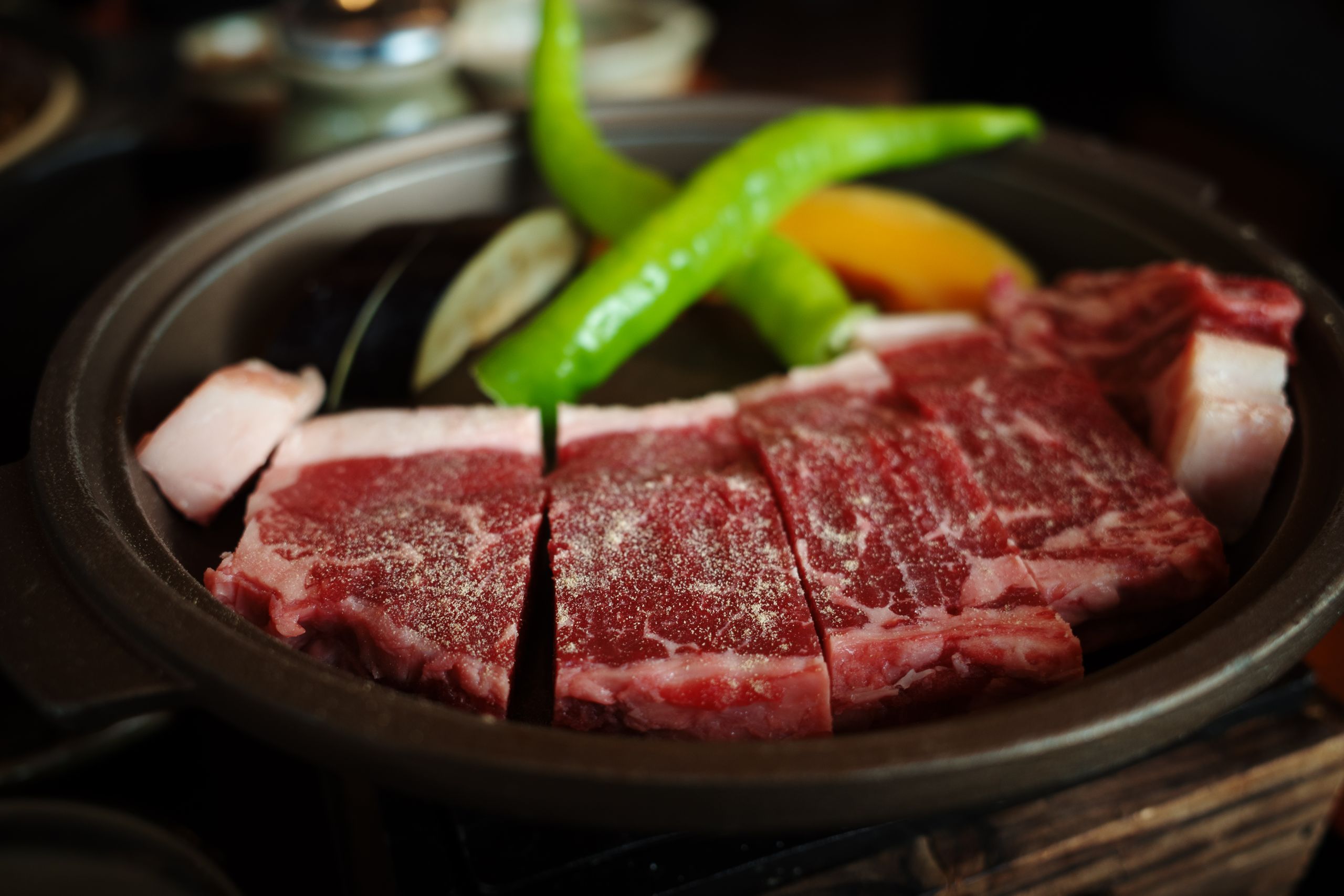
Marbling defines ribeye flavor and tenderness. But with supply tightening, some packages are leaner than promised. Without those buttery streaks of fat, the steak can cook dry or taste less rich. Savvy buyers must inspect every cut visually, as relying on labeling alone no longer guarantees the classic juiciness and mouthfeel expected from a proper ribeye.
Sourcing Dictates Taste
Where and how the cattle were raised affects both texture and flavor. Grass-fed versus grain-fed, domestic versus imported, and small farms versus industrial operations all produce subtly different ribeyes. Understanding sourcing helps buyers select cuts that match their taste preferences and avoid surprises in the kitchen, ensuring every steak meets expectations.
Aging Changes Everything
Dry-aging is prized for depth and tenderness but comes at a higher cost. Wet-aging preserves moisture but lacks the same flavor complexity. Most grocery cuts are wet-aged, offering consistent juiciness but missing the nutty notes connoisseurs seek. Knowing the aging method helps buyers anticipate taste profiles before cooking, preventing disappointment at the table.
Portion Sizes Are Shrinking
Higher costs are influencing portioning. Cuts that used to weigh 16–18 ounces now often come in 12-ounce packages. For dinner parties or hearty meals, this affects presentation and satisfaction. Buyers must check sizes and plan accordingly to avoid meals that feel small or skimpy compared to traditional expectations.

Labels Can Be Misleading
USDA grades like “choice” and “prime” provide guidance, but standards can vary between producers. Some prime cuts underperform, while certain choice steaks exceed expectations. Reading reviews, understanding the grading system, and inspecting cuts remain essential to ensure your steak delivers the flavor and tenderness promised on the label.
Online Purchases Have Risks
Shopping for ribeye online is convenient but introduces risks. Shipping can compromise temperature control, packaging integrity, and freshness. A cut that looks perfect on a website may arrive less than ideal. Only order from reputable vendors with cold-chain guarantees to minimize the chances of receiving a subpar steak.
Cooking Method Matters More Than Ever
Even the best ribeye can falter if mishandled. Grilling, pan-searing, or sous vide methods all interact differently with fat content and thickness. Choosing the right cut for your cooking style ensures optimal flavor and texture. Proper preparation turns a risky purchase into a meal worthy of a premium price.
Timing Influences Value
Despite high costs, promotions, seasonal specials, and membership discounts can offer better deals. Rushing to buy during peak demand often results in paying more for less. Strategic timing allows buyers to enjoy premium ribeye without overpaying, proving patience is as valuable as culinary skill when purchasing high-quality beef.
Final Thought
Ribeye steaks today are far from the consistent indulgence they once were. Supply disruptions, inflated prices, shrinking portions, and variable quality demand a discerning eye. Understanding these factors ensures every purchase is smarter, every bite more enjoyable, and every meal truly worth the investment. Knowledge is your best tool for navigating today’s steak market.