Most people imagine resurrection as a flawless, triumphant moment. Yet the story of Jesus refuses to be sanitized: His crucifixion wounds remained. Those scars are more than historical curiosities; they challenge faith, confront doubt, and demand attention. The risen body wasn’t spotless, and that uncomfortable detail carries a lesson no one can skip.
Here’s why the scars of the resurrected Jesus matter more than many believers realize.
The scars proved He was truly alive.
Seeing the nail marks and the pierced side confirmed Jesus’ identity. The disciples weren’t facing a spirit or a vision they were seeing the exact person they had watched suffer. Those marks linked the cross to the resurrection, eliminating doubt about who had risen and reminding followers that the cost of love was visible and undeniable.
Thomas’ doubt required visible proof.
Thomas famously questioned the resurrection. Jesus met that doubt not with words, but with evidence: His wounds. By presenting His hands and side, He confronted skepticism head-on. The scars became a direct, unignorable answer to human hesitation, showing that faith often begins when evidence is undeniable and raw.

Resurrection did not erase suffering.
Many assume victory erases pain, but Jesus’ wounds tell a different story. Resurrection transformed suffering rather than erased it. The cross remained etched on His body, signaling that God’s triumph does not ignore human agony. Those scars illustrate that divine love endured brutality and emerged unchanged, more powerful than before.
The marks reveal the cost of salvation.
The crucifixion scars were not cosmetic; they showed the price of redemption. Forgiveness in Christian belief was bought with suffering, blood, and obedience. By keeping those wounds visible, Jesus turned His body into a living testament: love required sacrifice, and that sacrifice was meant to be remembered, not hidden or glossed over.
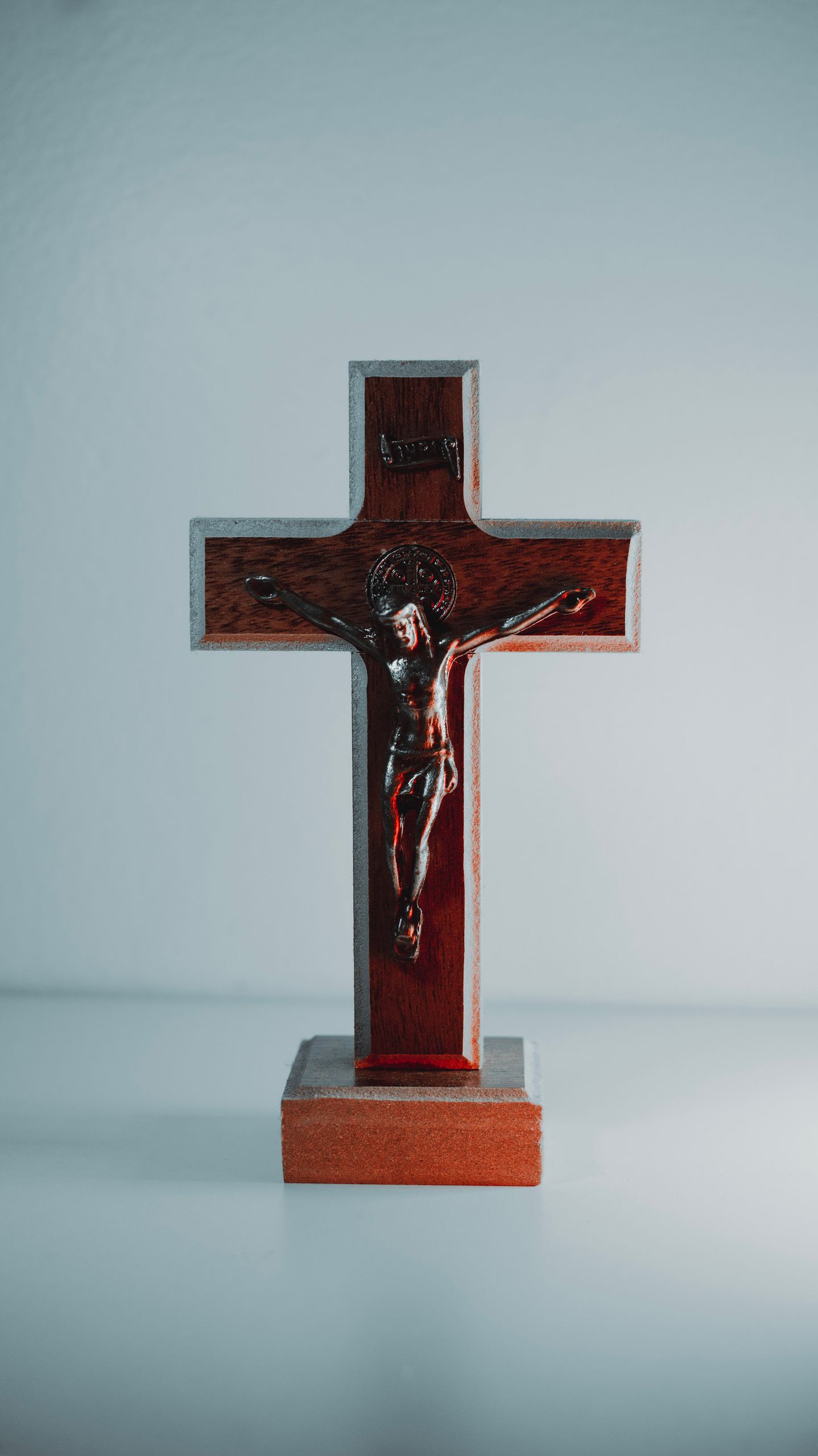
Shame was turned into evidence of glory.
The cross was designed to humiliate. Yet the risen Christ displayed His execution marks, converting the symbols of shame into signs of triumph. What once represented weakness and defeat now stood as evidence of strength and obedience. The scars proved that God’s power could reclaim humiliation and turn it into eternal honor.
The scars make divine love unforgettable.
A scar preserves memory, and Jesus’ wounds preserve the reality of divine love in suffering. Without these visible reminders, the cross might seem abstract or symbolic. The scars keep the story vivid, ensuring believers remember that love was tested, injured, and carried through death. This physical testimony makes grace tangible and impossible to overlook.

They comfort those still wounded.
Survivors of loss, betrayal, and trauma see themselves reflected in a scarred but triumphant Jesus. His risen, marked body demonstrates that enduring pain doesn’t diminish worth or love. People can carry their wounds and still participate in life, and Jesus’ scars provide a model of hope that suffering can coexist with victory.
Physical proof confirmed the resurrection reality.
Jesus’ wounds weren’t just symbolic; they were physical evidence. By showing His hands and side, He demonstrated that resurrection is bodily, not ethereal. This continuity between the crucified and resurrected body underscores Christianity’s claim that life and salvation extend into the tangible, physical world, not just spiritual abstraction.

Eternal recognition is tied to sacrifice.
Revelation depicts the Lamb standing as though slain, eternally defined by the marks of sacrifice. Jesus’ scars are not forgotten in heaven; they are part of His eternal identity. The wounds signify that His story of suffering and victory is central, ensuring that sacrifice remains inseparable from triumph, even in eternity.
Victory can carry memory.
The scars teach that success does not always mean spotless perfection. Jesus won over death, yet bore the marks of battle. These marks signal that history, struggle, and pain can remain part of a redeemed story. Triumph without erasure of scars challenges simplistic notions of victory and offers a more profound, relatable hope.
Final Thought
The preserved wounds of Jesus’ resurrection body confront believers with an uncomfortable truth: God’s triumph does not erase the cost of love. Scars are enduring proof of suffering, identity, and redemption. They remind followers that hope, faith, and victory are inseparable from the trials that precede them.