High blood pressure can feel sneaky because it often builds in silence. We may feel fine, move through the day normally, and still have pressure inside the arteries that forces the heart to work harder than it should. That is why food choices matter so much. A single salty meal may not define someone’s health, but a steady pattern of sodium-heavy, sugary, fatty, and highly processed foods can keep blood pressure higher than it needs to be.
The goal is not to make food feel frightening. The real goal is to spot the foods that quietly push blood pressure in the wrong direction, then replace them with meals that help the body work with us instead of against us. For many people with hypertension, the biggest problem is not one obvious “bad food.” It is the daily stack of canned soup, deli meat, frozen meals, takeout, soda, salty snacks, fried foods, and sauces that look harmless until the numbers add up.
High blood pressure, also called hypertension, happens when blood pushes against artery walls with too much force over time. The American Heart Association classifies normal blood pressure as less than 120/80 mm Hg. Readings of 130 or higher over 80 mm Hg fall into the high blood pressure range, and readings above 180 or 120 mm Hg may require urgent medical attention, especially if symptoms appear.
Canned Soups and Packaged Broths
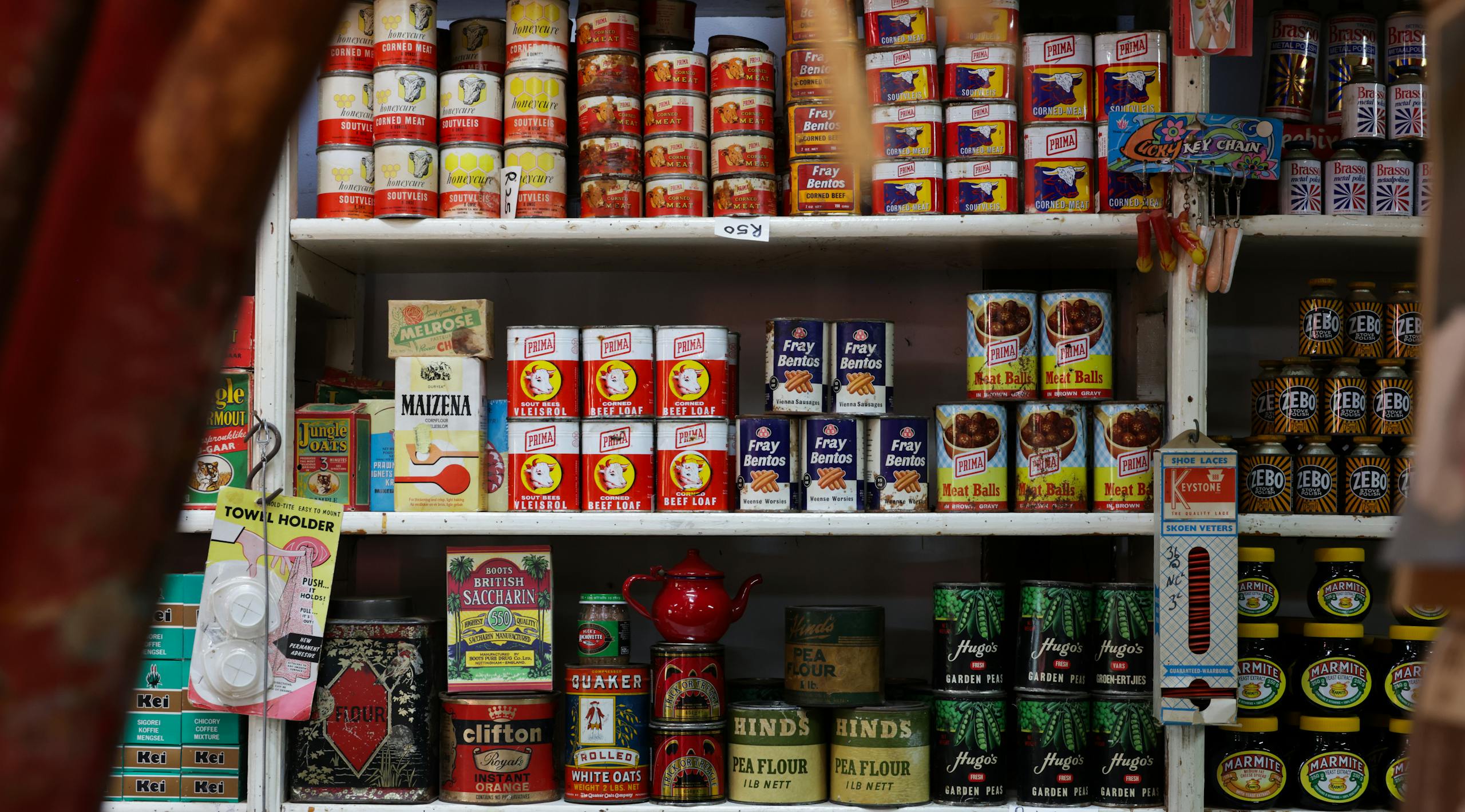
Canned soup often looks comforting, light, and harmless, but it can be one of the fastest ways to raise sodium intake. Many soups rely on salt for preservation, flavor, and shelf stability. The problem gets worse when we pair soup with bread, crackers, cheese, or a sandwich, because each side adds more sodium to the same meal.
We do better by checking the nutrition label before buying. “Reduced sodium” does not always mean low sodium, so the number per serving matters more than the front label. A smarter swap is homemade soup made with unsalted broth, beans, vegetables, herbs, garlic, onions, lemon, and spices. That gives the same warm, filling feeling without turning a simple bowl into a blood pressure problem.
Deli Meats and Cured Meats
Delicatessens are convenient, but they are often high in sodium. Turkey slices, ham, salami, bologna, pastrami, corned beef, bacon, sausages, and hot dogs may contain salt, curing agents, preservatives, and flavor enhancers. A sandwich can look healthy because it has lettuce and tomato, yet the processed meat inside may account for most of the sodium.
A better approach is to use fresh-cooked chicken, tuna with low-sodium seasoning, boiled eggs, roasted vegetables, hummus, or beans as sandwich fillings. If deli meat stays on the menu, we should choose lower-sodium versions and keep portions smaller. The key is to stop treating processed meat as an everyday protein and start treating it as an occasional convenience food.
Frozen Dinners and Ready Meals
Frozen meals can be a lifesaver on busy days, but many are built for long shelf life and strong flavor. That usually means sodium, refined starches, saturated fat, and sauces that carry more salt than expected. Even meals marketed as “healthy,” “lean,” or “light” can still contain enough sodium to make hypertension harder to manage.
The label should guide the choice. Look for meals with lower sodium, plenty of vegetables, lean protein, and whole grains. Better still, we can batch-cook simple meals at home and freeze portions. A container of brown rice, beans, grilled chicken, roasted vegetables, or lentil stew gives the same convenience with far more control over salt and fat.
Fast Food Burgers, Fries, and Fried Chicken
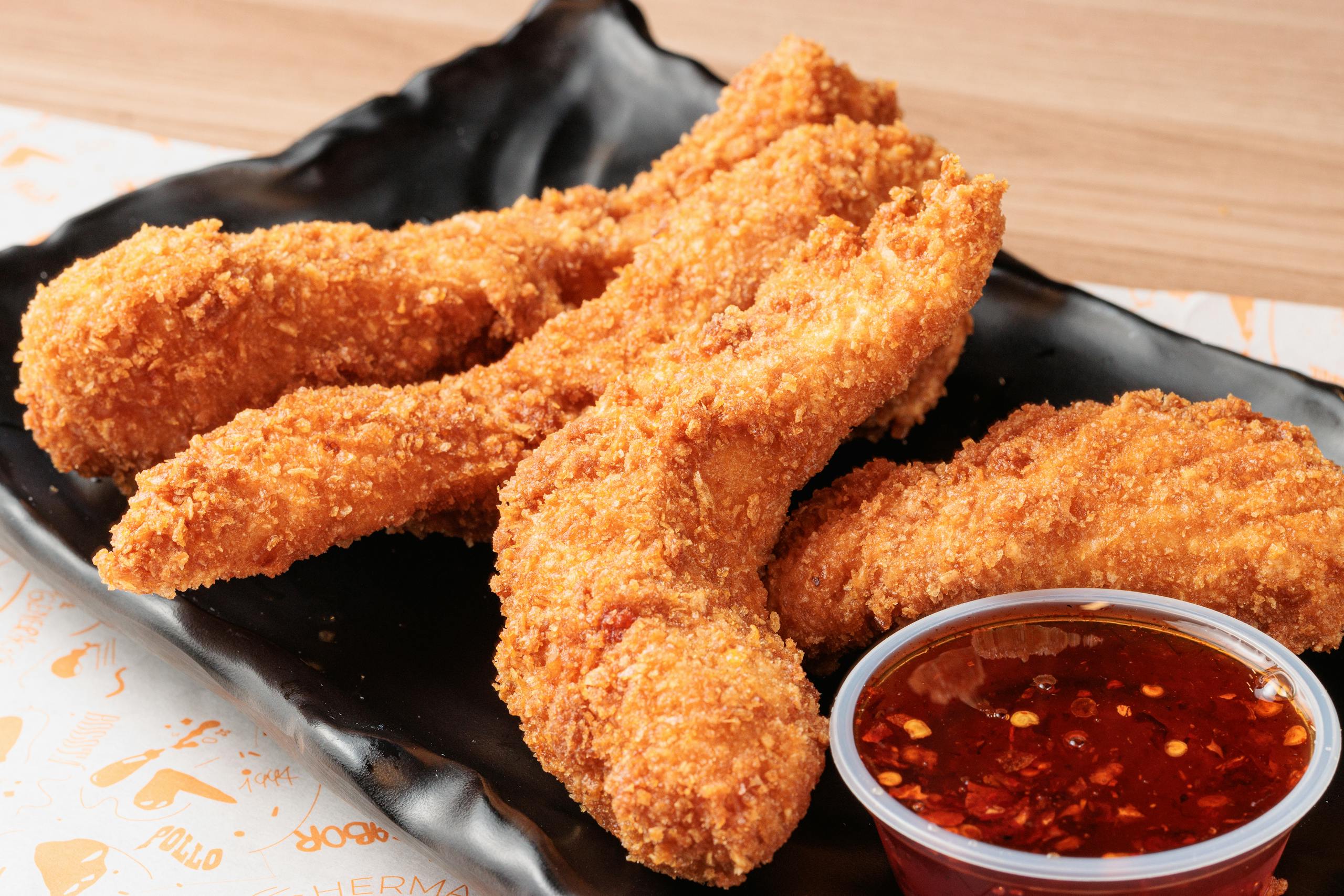
Fast food creates a perfect storm for high blood pressure. It often combines sodium, saturated fat, refined carbohydrates, large portions, sugary drinks, and fried oils in one meal. A burger, fries, dipping sauce, and soda may taste normal because the flavors are familiar, but the body has to process a heavy load all at once.
This does not mean every drive-through meal is forbidden forever. It does mean we need to be strategic. Choose grilled options, skip extra cheese and bacon, avoid supersized meals, choose water, and ask for sauces on the side. The real win is reducing frequency. Fast food becomes less dangerous when it stops being a weekly routine and becomes an occasional backup plan.
Salty Snacks and Chips
Chips, pretzels, crackers, salted nuts, popcorn, cheese puffs, and flavored snack mixes are easy to overeat because they are crunchy, salty, and often served straight from the bag. The serving size on the label may be much smaller than what people actually eat. That makes sodium add up quickly, especially during TV time, work breaks, road trips, or late-night snacking.
We can replace these snacks with fruit, unsalted nuts, yogurt, air-popped popcorn with herbs, sliced vegetables, roasted chickpeas, or low-sodium whole-grain crackers. If salty snacks remain in the pantry, portioning them into a small bowl helps. The bag should not become the serving dish.
Pizza and Cheese Heavy Foods

Pizza is one of the most common sodium traps because it combines salty crust, cheese, sauce, processed meats, and large portions. Pepperoni, sausage, bacon, extra cheese, and stuffed crust make the problem worse. Even one or two slices can carry more sodium than people expect, and pizza rarely travels alone. It often comes with wings, soda, dipping sauce, or breadsticks.
A more blood-pressure-friendly pizza uses a thin crust, light cheese, vegetables, grilled chicken, and less sauce. At home, we can build a pizza on whole-grain flatbread or pita and control the toppings. The goal is not to erase pizza from life. The goal is to stop the highest-sodium version from becoming the default.
Sugary Drinks and Sweetened Juices
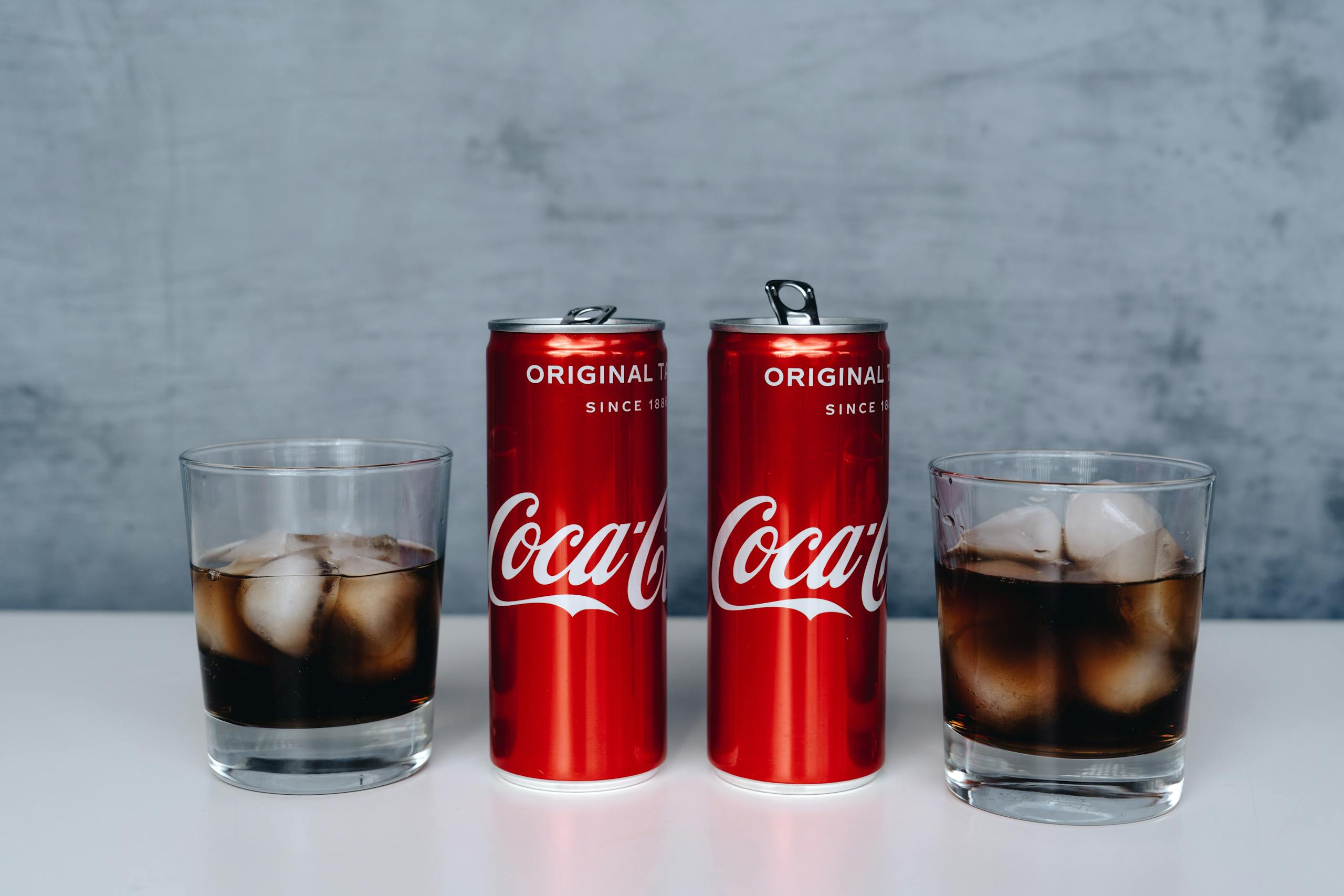
Sugary drinks are easy to underestimate because they do not feel like food. Soda, sweet tea, energy drinks, flavored coffees, sports drinks, fruit punch, and many bottled juices can significantly increase added sugar intake. These drinks do not keep us full, so they add calories without replacing much food. Over time, that pattern can contribute to weight gain and metabolic stress, making blood pressure harder to manage.
Water should become the main drink. Sparkling water, unsweetened tea, infused water, or water with lemon, mint, cucumber, or berries can make the shift easier. If using juice, keep portions small and choose 100 percent juice without added sugar. Whole fruit is better because it provides fiber, chewing satisfaction, and slower sugar absorption.
Cakes, Cookies, Candy, and Sweet Breakfast Foods
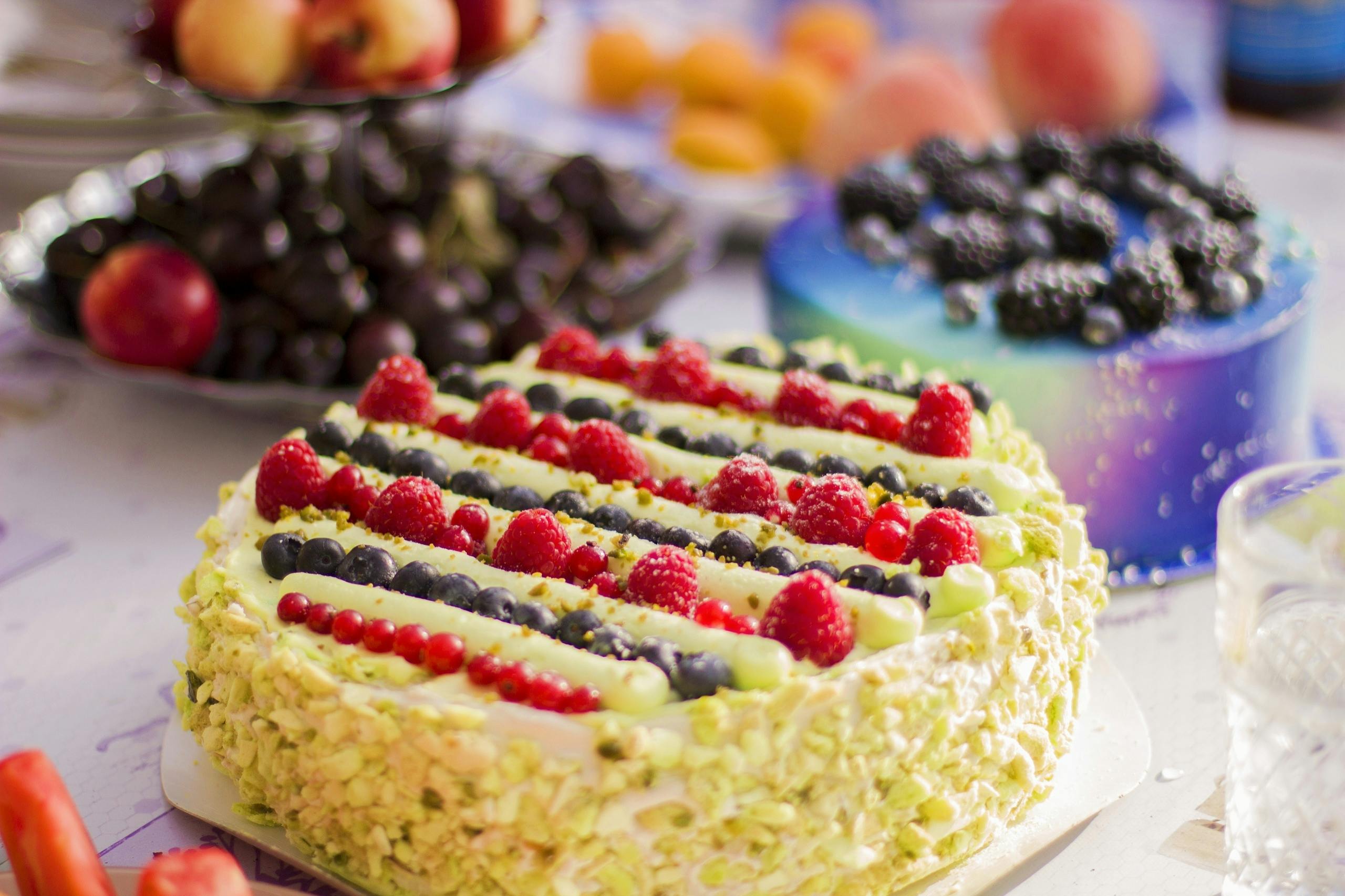
Sweet foods can be a hidden problem for blood pressure because they often combine sugar and saturated fat. Cakes, cookies, pastries, doughnuts, candy bars, ice cream, sweet cereals, toaster pastries, and packaged muffins can turn breakfast or snacks into dessert. Many of these foods also contain sodium, which surprises people because the sweet taste hides it.
We can still enjoy sweet flavor in smarter ways. Oatmeal with fruit, Greek yogurt with berries, chia pudding, baked apples, or a small piece of dark chocolate can satisfy cravings without turning every snack into a sugar bomb. The more often we eat naturally sweet foods, the less intense packaged sweets start to taste.
Red Meat and Fatty Cuts
Red meat can fit into some eating patterns, but fatty cuts and large portions can work against blood pressure goals. Beef ribs, fatty steaks, processed pork, bacon, sausages, and heavily seasoned meat dishes often contain saturated fat and sodium. The concern grows when meat is fried, charred, served with salty sauces, or eaten in oversized portions.
A better pattern uses smaller portions of lean meat and adds more beans, fish, skinless poultry, lentils, tofu, vegetables, and whole grains. If beef or pork appears on the plate, trim visible fat and avoid salty marinades. Think of meat as one part of the meal, not the center of every plate.
Full-Fat Dairy and Cream-Based Foods
Full-fat dairy foods can quickly add saturated fat, especially when eaten often. Whole milk, cream, butter, full-fat cheese, sour cream, cream cheese, and rich sauces can turn ordinary meals into heavier ones. Cheese also adds sodium, which makes it a double concern for people managing blood pressure.
Low-fat or fat-free dairy can be a better fit for many hypertension-friendly eating plans. Plain yogurt, low-fat milk, kefir, and lower-sodium cheese can provide calcium and protein with less saturated fat. The best move is to reduce creamy sauces, use smaller amounts of cheese, and add flavor with herbs, spices, vinegar, citrus, garlic, and pepper instead.
Key Takeaways
Foods to avoid with high blood pressure are often the same foods that dominate busy modern eating: canned soup, deli meat, frozen meals, fast food, salty snacks, pizza, sugary drinks, sweets, fatty meats, full-fat dairy, and bottled sauces. They become risky because they stack sodium, added sugar, saturated fat, and large portions into the day before we notice.
The better strategy is not an extreme restriction. We get better results by reading labels, cutting sodium gradually, choosing more whole foods, cooking simple meals at home, drinking more water, and building plates around vegetables, fruit, beans, whole grains, lean proteins, low-fat dairy, nuts, and seeds. High blood pressure may be silent, but the daily food pattern speaks loudly. The sooner we clean up that pattern, the easier it becomes to protect the heart, arteries, kidneys, and future health.