Some American tragedies do not stay in history books. They sit quietly in city streets, family stories, school hallways, memorial walls, and old photographs that still feel too heavy to look at for long.
A normal morning becomes a national wound. A factory shift becomes a warning. A storm becomes a failure of preparation. A peaceful neighborhood becomes a place people speak about in lowered voices.
That is why these dark American tragedies continue to disturb people long after the news cycle moves on. The horror is not only what happened. It is the question that keeps returning: how did so many warning signs, systems, people, and decisions fail at once?
These stories are not about shock for shock’s sake. They are about memory, responsibility, and the uncomfortable truth that tragedy often grows in places where danger was ignored too long.
Sandy Hook Broke the Nation in a Different Way
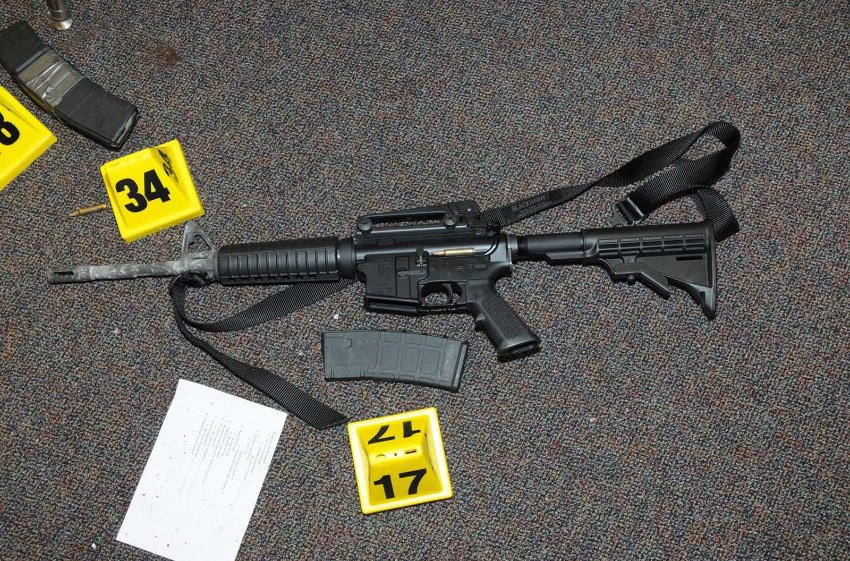
The 2012 shooting at Sandy Hook Elementary School in Newtown, Connecticut, devastated families and shook the country. The victims included young children and school staff, turning a place associated with learning, safety, and innocence into a symbol of unbearable loss. The emotional weight of the tragedy remains difficult for many Americans to discuss.
Sandy Hook is still hard to understand because it sits inside a larger national struggle over violence, schools, mental health, guns, grief, and political paralysis. Many Americans remember where they were when they heard the news. The tragedy not only broke families in one town, but also in others. It forced the country to face the terrifying idea that even the most ordinary morning at school could become unthinkable.
Tulsa’s Greenwood Was Destroyed in a Night of Terror
The destruction of Greenwood in 1921 remains one of the darkest chapters in American history. A thriving Black community in Tulsa, often remembered as Black Wall Street, was attacked and burned after racial tensions were inflamed by accusation, rumor, and white mob violence. Homes, businesses, churches, and lives were shattered in a way that still feels hard to fully absorb.
What makes the Tulsa Race Massacre so difficult to understand is not only the violence itself. It is the silence that followed for generations. Survivors carried trauma, families lost wealth, and the broader country spent too long looking away. The tragedy still raises painful questions about race, justice, memory, and what happens when a city buries the truth instead of facing it.
The Triangle Fire Exposed the Cost of Ignored Workers
In 1911, a factory fire in New York City killed 146 workers, many of them young immigrant women. The disaster became a symbol of what can happen when profit, unsafe conditions, and weak protections collide. Locked doors, crowded workspaces, and limited escape routes turned an ordinary workday into a national tragedy.
The Triangle factory fire still angers people because it feels painfully preventable. These were workers trying to earn a living, not people taking unusual risks. Their deaths helped push labor reforms, but the tragedy remains a reminder that workplace safety rules are often written after families have already paid the price.
Wounded Knee Still Carries Generational Pain
The 1890 massacre at Wounded Knee remains one of the most painful events in the long history of violence against Native people in the United States. Hundreds of Lakota men, women, and children were killed by U.S. troops in South Dakota after years of broken promises, forced displacement, hunger, and military pressure. It was not an isolated moment. It was part of a much larger story of conquest and loss.
People still struggle to understand Wounded Knee because it forces America to face a darker version of its own expansion story. The tragedy sits at the intersection of military force, cultural destruction, and government betrayal. For many Native communities, it is not distant history. It is inherited grief.
Pearl Harbor Turned a Quiet Morning Into War

On December 7, 1941, the attack on Pearl Harbor changed the course of American history. A peaceful Sunday morning in Hawaii became a scene of smoke, destruction, panic, and national shock. The attack pulled the United States directly into World War II and reshaped the lives of millions of families.
What makes Pearl Harbor so haunting is the suddenness. People woke up expecting a normal day, only to find themselves living through an event that would define a generation. It remains a reminder that history can turn in a matter of minutes, and ordinary people are often caught in decisions made far beyond their control.
Kent State Showed How Protest Could Turn Deadly
In 1970, an anti-war protest at Kent State University ended with National Guard troops firing on students. Four students were killed, and others were wounded. The country was already tense over the Vietnam War, political distrust, and generational conflict. Then, a campus became a symbol of how quickly national division can become deadly.
Kent State still unsettles Americans because it involved young people on a college campus, not a battlefield. The tragedy raised questions about protest, state power, fear, communication, and escalation. It also showed how a divided country can reach a breaking point when leaders, institutions, and citizens no longer trust one another.
Oklahoma City Proved Terror Could Come From Within
On April 19, 1995, a truck bomb destroyed the Alfred P. Murrah Federal Building in Oklahoma City. The attack killed 168 people, including children, and shocked a nation that was forced to confront the threat of domestic extremism. It happened on a weekday morning, when workers, families, and children were simply going about their normal lives.
The Oklahoma City bombing remains one of the most disturbing American tragedies because it destroyed the illusion that terrorism always comes from outside. It forced Americans to ask how hatred, grievance, and radicalization can grow inside the country itself. The grief is still tied to a painful question: how does someone become willing to murder strangers to send a message?
September 11 Changed the Country’s Sense of Safety
The attacks of September 11, 2001, remain one of the most defining traumas in modern American life. The World Trade Center, the Pentagon, and a field in Pennsylvania became permanent sites of grief. Millions watched in real time as the country’s sense of security broke apart on live television.
The September 11 attacks still feel hard to understand because they changed more than one day. They changed airports, wars, surveillance, politics, grief, and how Americans thought about vulnerability. For families who lost loved ones, the tragedy is not a historical marker. It is an empty chair, a name read aloud, and a life divided into before and after.
The MOVE Bombing Stunned a Philadelphia Neighborhood
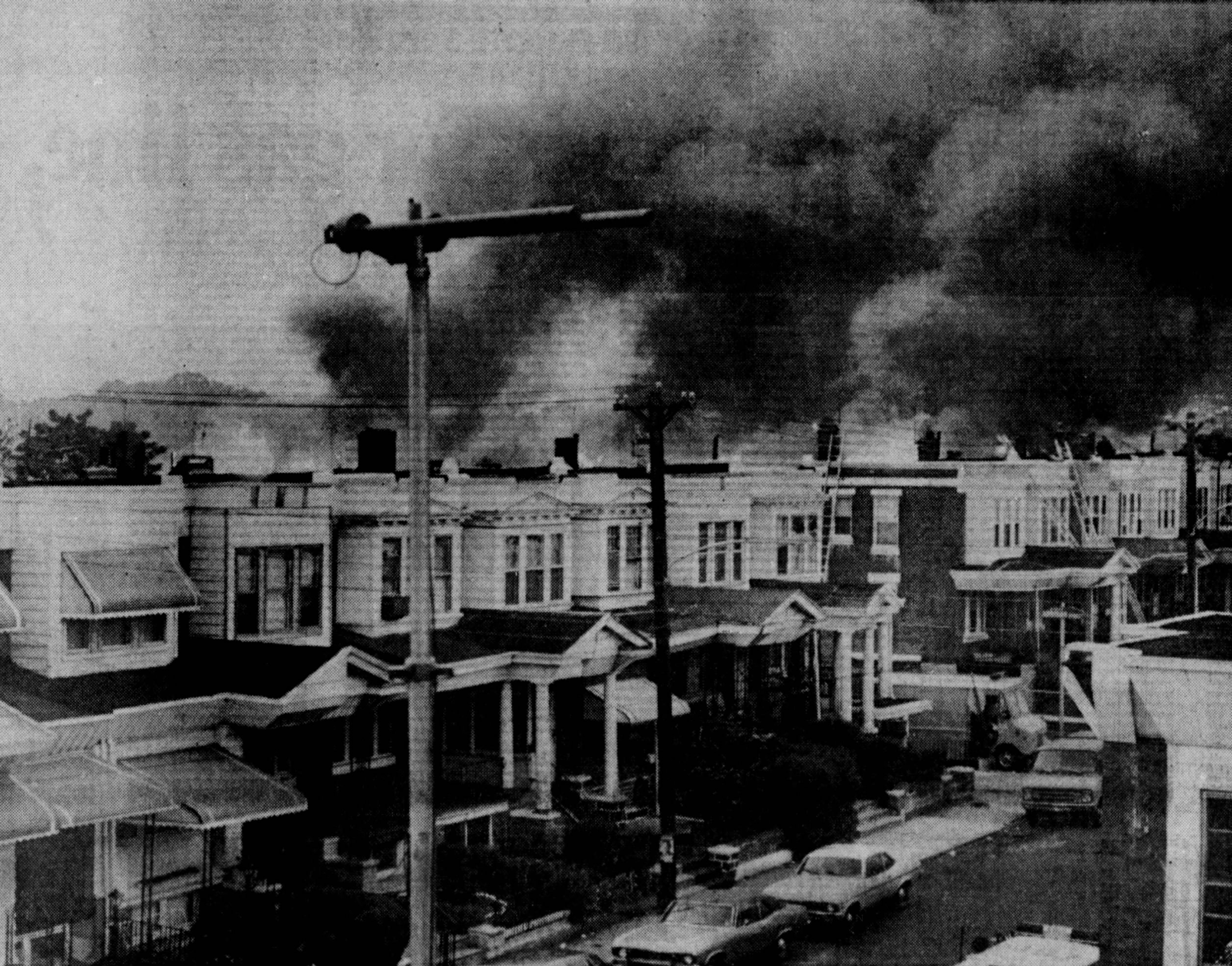
In 1985, Philadelphia police dropped an explosive on a rowhouse occupied by members of MOVE, a Black liberation and back-to-nature group. The resulting fire killed people inside the home and destroyed a large section of the surrounding neighborhood. Families who had nothing to do with the standoff lost homes, safety, and trust.
The MOVE bombing remains difficult to process because it happened in an American city, carried out by authorities against residents. It raises chilling questions about policing, race, power, and how official decisions can devastate entire communities. The tragedy is especially disturbing because the people living nearby became victims of a conflict they did not control.
Hurricane Katrina Became a Disaster of Nature and Neglect
When Hurricane Katrina struck in 2005, the storm brought catastrophic damage to the Gulf Coast, especially New Orleans. But the tragedy became more than a natural disaster. Failed levees, slow response, poverty, race, evacuation gaps, and overwhelmed systems turned suffering into national outrage.
The horror of Hurricane Katrina deaths still lingers because many Americans believe the disaster exposed who gets protected first and who gets left behind. Images of stranded families, flooded neighborhoods, and desperate conditions made the country confront uncomfortable truths about inequality. Katrina was a storm, but the human failure around it made the wound much deeper.
Key Takeaway
The reason these tragedies remain so difficult to understand is that they reveal more than death and destruction. They reveal ignored warnings, broken systems, hatred, negligence, power, fear, and choices that cannot be undone.
These events still matter because they shaped real families, real neighborhoods, and real national debates. Remembering them responsibly is not about reopening pain for entertainment. It is about refusing to let the lesson disappear with time.
America often wants to move forward quickly after tragedy. But some stories demand more than remembrance. They demand honesty.