The fruit bowl is full, the cutting board is ready, and your hand reaches almost automatically for the peeler. But what if that extra step isn’t necessary?
Some fruit skins are meant to be enjoyed along with the flesh, even when their appearance suggests otherwise. Kiwifruit, for example, can be eaten with its fuzzy covering intact. And kumquats offer an even bigger surprise: their sweet peel is part of the experience.
Grower Zespri confirms that both green and SunGold kiwifruit have edible skins, while university extension guidance supports eating several familiar fruits without peeling.
These seven fruits don’t require peeling when eaten fresh. That doesn’t mean you must eat every peel, but it might make your next fruit snack a little simpler.
Kiwifruit: Yes, Even the Fuzzy Skin Is Edible
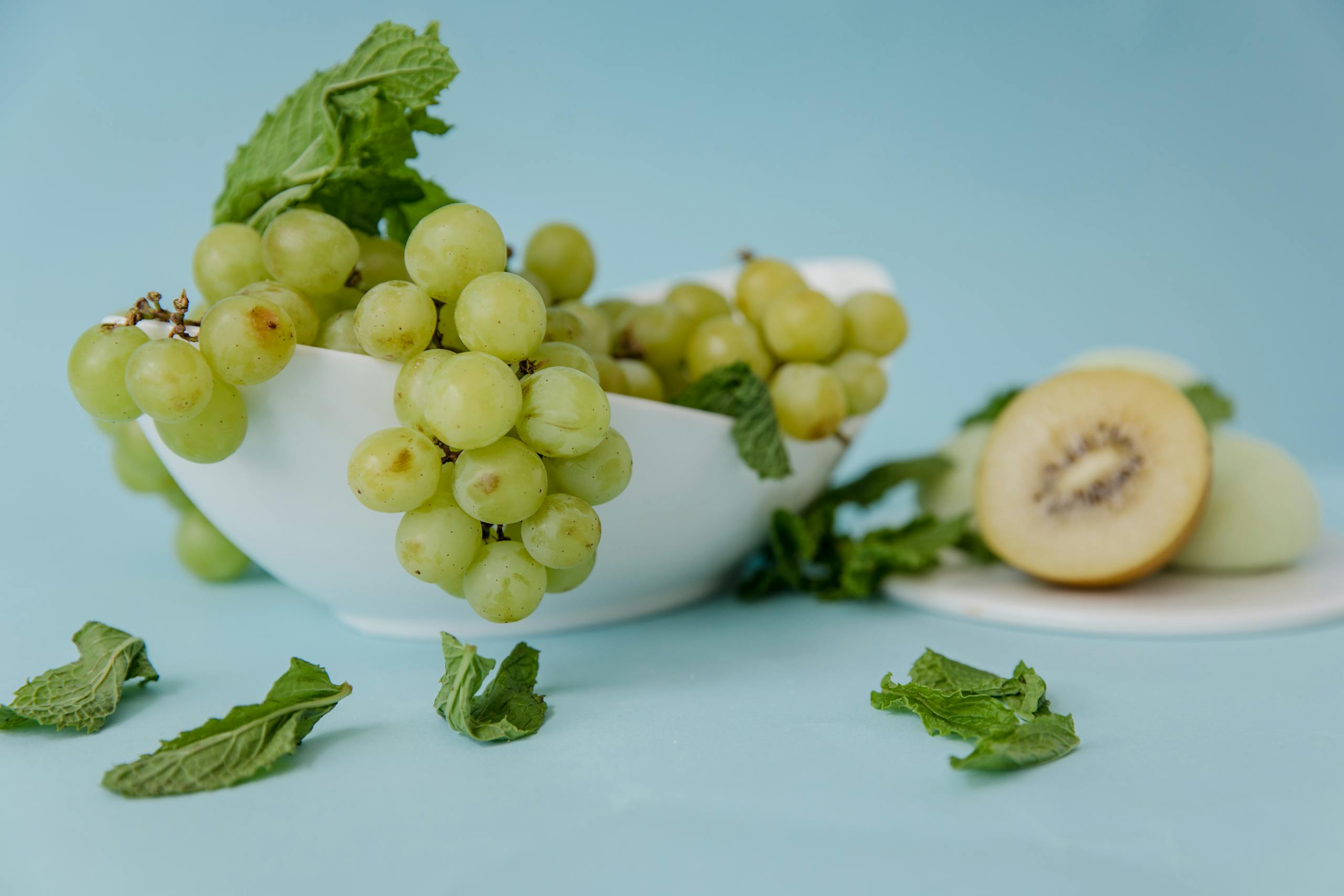
Kiwifruit might be the biggest surprise on this list. Its brown, fuzzy exterior looks like something you’re supposed to remove before reaching the bright green flesh.
According to Zespri’s official guidance, the skins of both green and SunGold kiwifruit are edible. The difference comes down largely to texture.
Green kiwifruit have a fuzzy surface, while SunGold varieties feature a smoother, less hairy skin. If the fuzz bothers you, Zespri suggests gently rubbing it with a clean cloth or paper towel.
Otherwise, rinse the fruit, slice it with the skin intact, and enjoy it as you would other fresh fruit. You can also keep peeling or scooping if that’s what you prefer.
Apples: The Classic Fruit That Needs No Introduction
Few fruits seem more naturally suited to eating straight from the hand than an apple. The familiar crunch comes with skin that can range from bright red to green or golden yellow, depending on the variety.
North Dakota State University Extension recommends enjoying apples with their peels and advises washing them under cool running water before eating. The simplest preparation is often the most appealing.
Rinse the apple, dry it, and slice it if you prefer smaller pieces. There’s no need to remove the peel just because you’re preparing a snack.
Of course, recipes sometimes call for peeled apples to achieve a particular texture. That’s a cooking choice rather than a requirement for enjoying the fruit fresh.
Pears: A Delicate Fruit That Doesn’t Need Extra Work
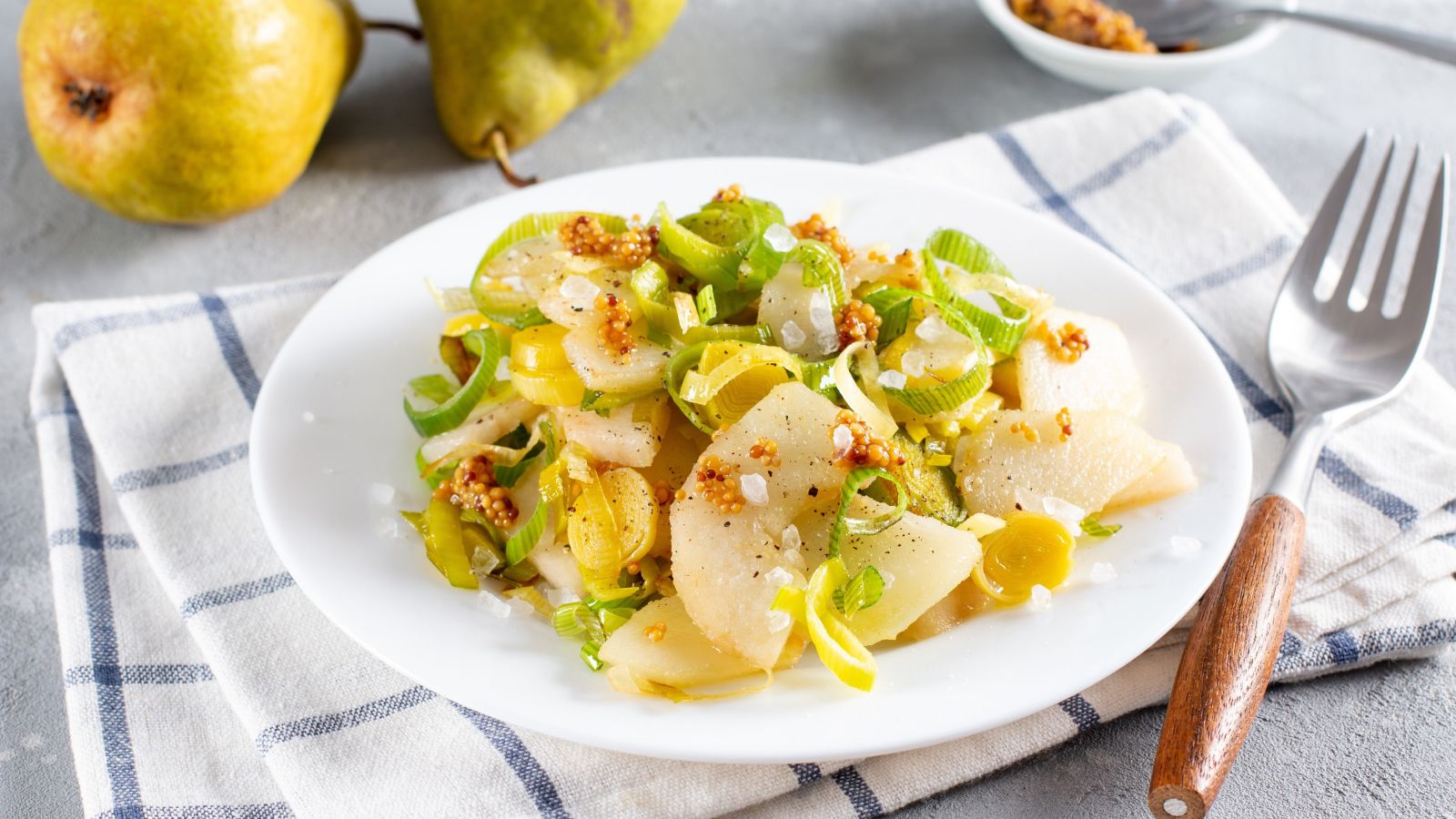
A ripe pear can be wonderfully fragrant, with soft flesh and a gentle sweetness that makes an ordinary afternoon feel a little more indulgent. And there’s no need to complicate the experience with a peeler.
University of Minnesota Extension’s preparation guidance recommends washing pears, removing the stem and core, and cutting them into pieces. Removing the skin isn’t part of its standard fresh-fruit preparation instructions.
You can enjoy pear slices with the peel still attached or grate the fruit into baked goods, as the extension service suggests.
Some varieties have slightly different skin textures, so personal preference still matters. But for a simple snack, the pear’s outer layer can stay exactly where it is.
Peaches: The Fuzz Doesn’t Have to Go
Few fruits capture the feeling of summer quite like a ripe peach. Its soft, fuzzy skin and juicy flesh make it instantly recognizable. Yet some people automatically peel peaches before eating them.
According to University of Minnesota Extension, fresh peaches can be prepared by rinsing, drying, cutting around the pit, separating the halves, and removing the pit.
There’s no peeling requirement in those instructions. That means the delicate outer skin can remain when you’re enjoying a fresh peach. However, preparation methods matter. Penn State Extension’s tested peach-canning guidance instructs cooks to remove the skins.
So while peeling isn’t necessary for fresh eating, it may still be required for a particular preservation recipe.
Related: Is Your Fruit Going Bad Too Fast? Try These Simple Storage Tricks explains how everyday storage habits can affect the fruit you bring home.
Nectarines: Smooth Skin Makes Snacking Simple
Nectarines resemble peaches, but their smooth skin creates a noticeably different eating experience. Without that familiar peach fuzz, the outer surface can feel less distracting.
University of Minnesota Extension explicitly gives both options when preparing nectarines: peel them or leave the skin intact. That’s a wonderfully straightforward reminder that the choice belongs to the person eating the fruit.
For a quick snack, rinse the nectarine, cut it around the pit, and enjoy the pieces without removing the skin. If you’re preparing a recipe that calls for a different texture, peeling remains an option.
There’s no need to turn a personal preference into a kitchen rule.
Plums: Keep the Skin and Remove the Pit
Plums may be small, but their glossy skins and juicy interiors bring plenty of character to the fruit bowl. Their colors and textures vary, making each variety a slightly different experience.
University of Minnesota Extension describes fresh plums as convenient fruits for picnics and recommends rinsing, drying, and removing the pit. Peeling isn’t required. That makes preparation refreshingly simple.
After washing, you can slice the fruit and leave the skin attached, preserving its familiar appearance and texture. The important distinction is between the edible outer skin and the hard pit inside.
Once the pit is removed, there’s no additional peeling step necessary for ordinary fresh eating.
Kumquats: The Citrus Fruit You Can Eat With Its Peel
Most citrus fruits encourage a familiar routine: remove the peel, separate the sections, and enjoy the juicy flesh. Kumquats turn that expectation upside down.
According to the University of Florida IFAS Extension, both the peel and flesh are edible. Unlike the familiar thick rind of many larger citrus fruits, a kumquat has a relatively thin, sweet outer layer.
Its flesh provides a contrasting tartness. That combination is part of what makes the fruit distinctive. University of Minnesota Extension also describes kumquats as fruits that can be enjoyed whole or sliced.
For anyone accustomed to peeling every citrus fruit, trying a kumquat with its skin intact may be the most memorable discovery on this list.
One Simple Habit Before Eating Any of Them
Skipping the peeler doesn’t mean skipping preparation altogether. The U.S. Food and Drug Administration recommends washing fresh fruits and vegetables thoroughly under running water before preparing or eating them.
The agency also advises washing produce before cutting or peeling it, even when the skin won’t be eaten. Plain running water is the recommended approach. Soap, detergent, and household cleaning products don’t belong on fresh fruit.
After rinsing, dry the fruit with a clean cloth or paper towel. Remember that fresh-fruit preparation isn’t interchangeable with canning or other tested preservation methods. The real lesson is wonderfully simple: peeling is often optional.
A fuzzy kiwi, a glossy plum, or a tiny kumquat can be enjoyed without removing its outer layer. Apples, pears, peaches, and nectarines offer the same flexibility.
Sometimes, the easiest way to enjoy fruit is to leave it just as nature wrapped it.