Nearly 30,000 pounds of imported Argentine beef is being recalled after federal inspectors found that the shipment entered the U.S. without completing a required safety review.
Corte Argentino USA LLC, a company based in Aventura, Florida, is recalling about 29,628 pounds of raw beef products after the U.S. Department of Agriculture’s Food Safety and Inspection Service (FSIS) determined the shipment had not gone through import reinspection.
FSIS announced the recall on August 7, saying it discovered the issue during routine inspection activity. The agency said the recall was not triggered by consumer complaints, reported illnesses, or a positive laboratory finding.
Instead, the concern centered on a missing step in the process. Imported meat must undergo a federal reinspection after entering the country through Customs and Border Protection and the Animal and Plant Health Inspection Service. That review checks whether the product meets U.S. requirements before it moves further into the supply chain.
Why the missed inspection matters
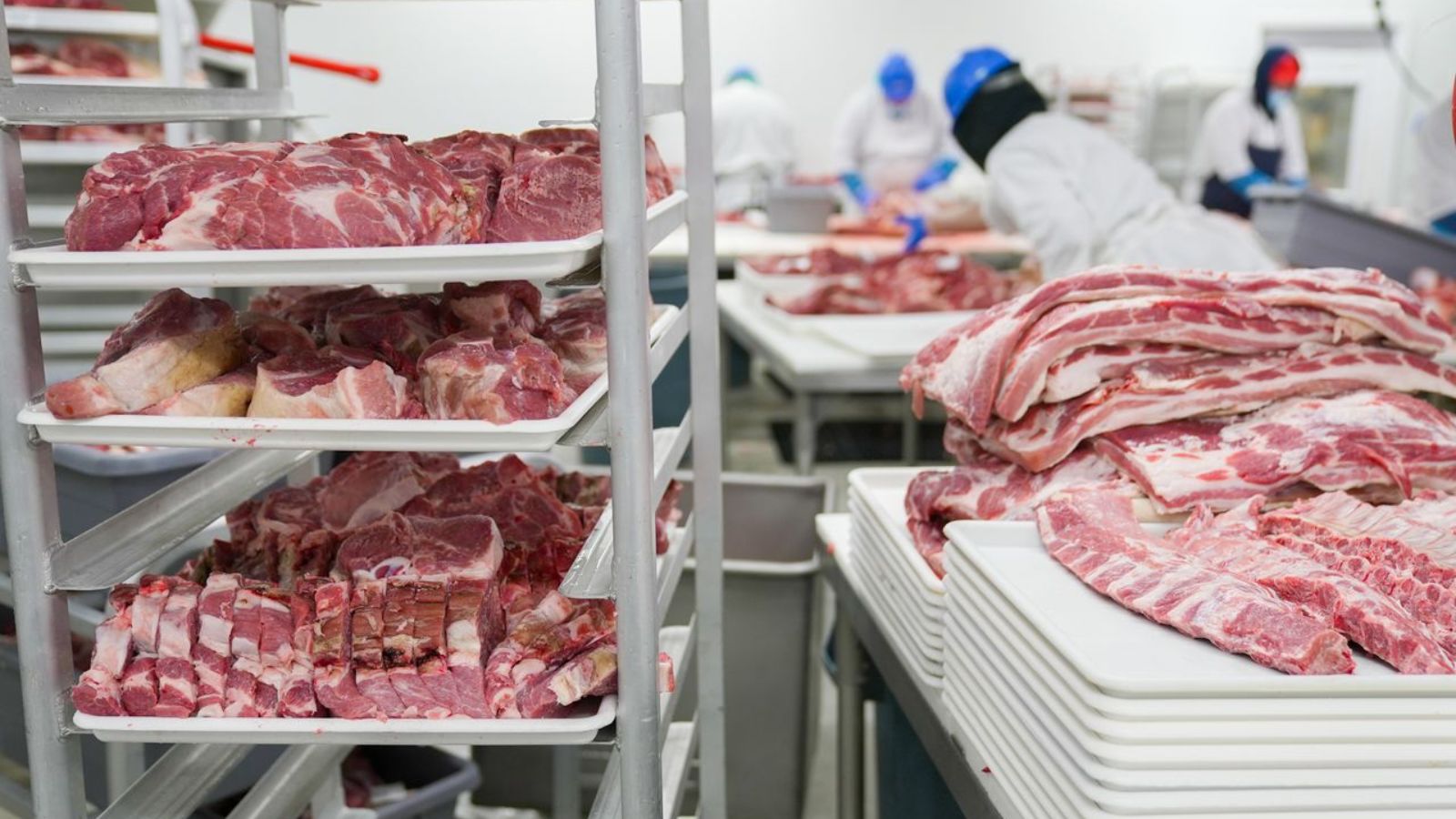
Import reinspection verifies several parts of the shipment, including paperwork, labeling, packaging, and the overall condition of the product. In some cases, inspectors may also conduct sampling for potential contaminants.
The fact that this beef skipped that review does not mean inspectors found the meat contaminated or unsafe. It means federal inspectors did not complete the required verification process before the product continued through distribution.
Because that verification never occurred, FSIS classified the recall as Class I, the agency’s highest-risk recall category. This classification is used when there is a reasonable possibility that consuming the product could lead to serious health consequences.
FSIS has not reported any confirmed illnesses or injuries connected to the recalled beef. The agency is advising consumers who have the product to throw it away or return it to the place of purchase. Anyone with health concerns is encouraged to contact a healthcare provider.
Five beef cuts included in the recall
The recalled products are boneless beef cuts shipped in various-weight cardboard boxes under the Frigorífico Gorina SAIC label.
The affected cuts include:
- Top sirloin butt
- Eye round
- Topside cap off
- Flat
- Knuckle
The Argentine packaging identifies the shipment with establishment number EST. N° OF. 2025 and shipping mark 26644-AA.
The beef was produced between May 15 and May 20. The boxes have use or freeze-by dates ranging from September 15 through September 20.
According to FSIS, the products were distributed to retailers and distributors in Florida and Texas. The agency has not released the names of specific stores that sold the beef.
Corte Argentino USA LLC has provided an email address for consumers with questions about the recall: [email protected].
Recall arrives during debate over Argentine beef imports
The recall’s timing adds another layer to an ongoing debate over U.S. beef imports.
The incident comes nearly a year after President Donald Trump signed an agreement with Argentine President Javier Milei to expand Argentine beef imports. Supporters of the move said increasing supply could help address rising beef prices, while critics argued it could create more pressure for American cattle producers.
The National Cattlemen’s Beef Association and the Ranchers-Cattlemen Action Legal Fund United Stockgrowers of America opposed the expansion, warning that additional imports could hurt U.S. ranchers and feedlot operators.
Some agricultural economists questioned how much impact Argentine beef could realistically have on prices. Argentine beef represents about 2% of U.S. beef imports, meaning even a significant increase would likely have only a limited effect on overall consumer prices.
Kansas State University agricultural economist Glynn Tonsor pointed instead to a broader supply issue. The U.S. cattle herd has fallen to its smallest size since 1961 following years of drought and lower cattle prices. Tonsor said Argentina lacks the production capacity to replace that shortfall.
He also noted that market uncertainty can make businesses more hesitant to invest, adding another challenge to rebuilding supply.
Different groups see different lessons from the recall
The recall has drawn different reactions from officials and industry groups.
Texas Agriculture Commissioner Sid Miller argued that the missed inspection highlights the need for stronger oversight of imported meat. In an August 12 statement, he called the situation unacceptable and encouraged consumers to choose American and Texas beef.
Consumer Action for a Strong Economy pushed back, saying ranching groups were using a U.S.-based paperwork issue to support broader opposition to Argentine beef imports.
Argentina’s representatives have offered a different explanation. An Argentine trade official described the situation as an administrative mistake that occurred after the product arrived in the United States, rather than a problem with the exporting facility or Argentina’s own food safety system.
The distinction matters because the USDA has previously recognized Argentina’s meat inspection system as equivalent to the U.S. system. That recognition allows Argentine beef to enter the American market, but imported products still must complete the required U.S. reinspection process before reaching consumers.
What shoppers should know
The FSIS notice does not state that the recalled beef contained contamination or that anyone became sick after eating it.
The confirmed issue is that the shipment moved through the supply chain without completing a required federal reinspection.
Consumers in Florida and Texas who may have purchased the beef should check their refrigerators and freezers for the establishment number and shipping mark listed in the recall notice. Consumers should discard or return any matching products.
Retailers and distributors that received the shipment must remove the recalled products from sale. FSIS has not identified the specific stores involved, so consumers may need to rely on product labels and purchase information to determine whether they have affected items.
The larger argument over Argentine beef imports will likely continue beyond this recall. For ranchers, the incident raises questions about oversight and competition. For economists, it remains part of a broader discussion about supply, prices, and the limits of imported beef in changing the U.S. market.
One missed inspection does not settle that debate, but it has added another point of discussion to a conversation that began with trade policy rather than a recall.