Some foods come out of the air fryer so crispy and delicious that you might wonder why you ever prepared them another way. Leftover pizza gets its crunch back, vegetables develop beautifully browned edges, and ordinary potatoes turn into golden bites worth fighting over. The secret is how an air fryer circulates hot air around food, creating a crisp exterior without needing a deep pot of oil. If yours has been sitting on the kitchen counter collecting dust, these ten foods might give you a good reason to switch it on again.
Leftover Pizza
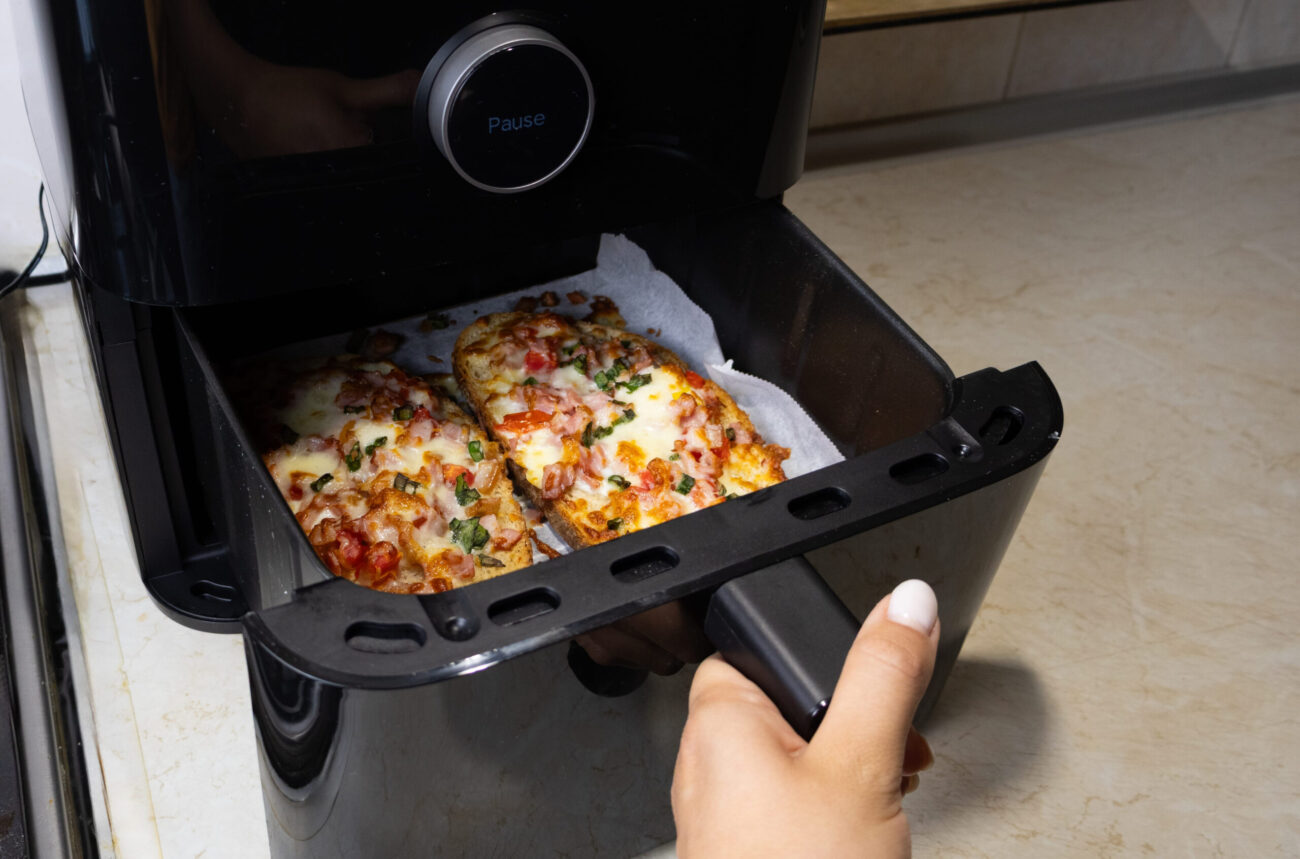
Yesterday’s pizza can taste almost as exciting as the first slice fresh from the box.
Pizza is one of the best foods to reheat in an air fryer because circulating heat crisps the crust while warming the cheese and toppings. Unlike a microwave, which can leave the base soft and chewy, an air fryer can restore that satisfying crunch without turning the entire slice into a rubbery mess.
Start at around 350°F and heat a slice for three to five minutes, checking early because thin crusts cook quickly. Add another minute if the cheese needs more time. This works especially well for pepperoni pizza, where the edges of the meat crisp up slightly and the cheese turns deliciously bubbly.
French Fries
Cold fries don’t have to be a disappointing side dish.
Fries lose their appeal when moisture softens their crisp exterior, but an air fryer can restore their texture. Spread them in a single layer and heat at approximately 375°F for three to five minutes, shaking the basket halfway through.
This technique works especially well with leftover restaurant fries and frozen fries that need a little extra crunch. If you have ever wondered why restaurant fries taste so different from homemade ones, the secrets behind their irresistible texture make an interesting comparison with what you can achieve at home.
Avoid piling too many fries into the basket at once. Giving them room lets hot air circulate, helping more of the surface turn golden instead of steaming.
Brussels Sprouts
These little green vegetables can develop a nutty, almost sweet flavor when their edges turn brown.
Brussels sprouts sometimes get a bad reputation because boiling can leave them soft and sulfurous. Air frying gives them a completely different personality, producing crisp outer leaves and tender centers.
Halve the sprouts, toss them with a little olive oil, salt, and black pepper, then cook at around 375°F for 12 to 16 minutes. Shake the basket occasionally to brown them evenly. A squeeze of lemon juice or a sprinkle of Parmesan cheese at the end adds another layer of flavor.
For an easy variation, add balsamic vinegar after cooking rather than before. Its sweetness complements the roasted vegetables without making their surfaces unnecessarily wet.
Roasted Potatoes
A humble potato can become the star of dinner with very little effort.
Air-fried potatoes develop crisp edges while remaining fluffy inside, making them ideal for breakfast plates, weeknight dinners, or a quick snack. Cut them into similarly sized cubes or wedges so they cook evenly, then toss them with a little oil, garlic powder, paprika, and salt.
Cook at approximately 380°F for 15 to 22 minutes, shaking the basket periodically. Exact timing depends on the size of the pieces and your machine’s power, so check them as they near the end of cooking.
For best results, dry the potatoes thoroughly after washing. Excess surface moisture can interfere with browning, while overcrowding the basket can leave the pieces softer than you intended.
Broccoli
Even people who usually push broccoli around their plates may appreciate its crispy transformation.
Air-fried broccoli develops browned tips and tender stems, giving it a roasted flavor that is very different from plain steamed broccoli. Break it into evenly sized florets, pat dry, and toss with a little olive oil and seasoning.
Cook at around 375°F for six to ten minutes, checking frequently because the smaller florets can brown quickly. Finish with lemon juice, grated Parmesan, or a little garlic for a simple vegetable side.
Broccoli is also easy to customize. A pinch of chili flakes adds heat, while toasted sesame seeds and a splash of soy sauce add an Asian-inspired flavor.
Chickpeas
A can of chickpeas can become a crunchy snack that is surprisingly difficult to stop eating.
Crispy chickpeas are a useful alternative to reaching for a bag of chips. They are inexpensive, easy to season, and can be eaten on their own or sprinkled over salads and soups for extra texture.
Drain and rinse canned chickpeas, then dry them thoroughly with a clean towel. Toss them with a small amount of oil, paprika, cumin, or garlic powder, and air fry at around 390°F for 12 to 18 minutes, shaking the basket several times.
The key is removing as much surface moisture as possible before cooking. Let them cool slightly before eating, since their texture often firms up as they sit. Store any leftovers in a suitable container, keeping in mind that humidity can soften their crunch.
Chicken Wings
The air fryer can deliver crisp, flavorful wings without filling your kitchen with frying oil.
Chicken wings are well suited to air frying because their skin can brown beautifully while the meat remains juicy. Pat the wings dry, season them generously, and arrange them in a single layer with space between the pieces.
Cook at about 380°F for 20 to 25 minutes, turning halfway through and adjusting the timing based on size. For extra crispness, some cooks finish them at a higher temperature for a few minutes.
The most important step is checking that the thickest parts reach a safe internal temperature of 165°F. The USDA’s air fryer food-safety guidance explains why a food thermometer is more dependable than judging doneness by appearance alone.
Once cooked, toss the wings in buffalo sauce, barbecue sauce, or a honey-garlic glaze. Adding sticky sauces near the end helps prevent burning.
Frozen Mozzarella Sticks
Few snacks offer a more satisfying contrast than a crunchy coating and a stretchy, melted cheese center.
Frozen mozzarella sticks are designed for convenience, but the cooking method can make a noticeable difference. An air fryer helps crisp the breadcrumb coating while melting the cheese inside, making them an easy choice for movie nights or casual gatherings.
Follow the package directions when available, since brands differ in size and preparation. As a starting point, try around 375°F for five to eight minutes, checking regularly.
Keep them frozen until you are ready to cook, and don’t leave them in the basket too long. Once the cheese escapes through a split coating, the snack becomes messier and loses some of its appeal.
Leftover Fried Chicken
A piece of yesterday’s fried chicken can regain some of the crunch that made it irresistible in the first place.
Microwaving fried chicken often softens its coating, while an air fryer helps dry the surface and restore some crispness. Place the pieces in a single layer and heat at around 350°F, checking after five minutes and continuing as needed.
Large pieces may need longer than smaller ones. The goal is to warm the center thoroughly without drying out the meat or scorching the coating.
For food safety, reheat refrigerated leftovers to 165°F internally. Exact time varies with each piece’s size, so a thermometer is more reliable than a fixed timer.
Apple Slices
The air fryer can turn an ordinary apple into a warm, cinnamon-scented treat.
Apples soften and become fragrant when cooked, and their natural sugars develop a richer flavor as they heat. Slice an apple into wedges, toss with a little cinnamon, and add a small amount of butter or oil if desired.
Air fry at around 350°F for eight to twelve minutes, checking until the pieces reach your preferred tenderness. Thicker slices will stay firmer, while thinner ones soften faster.
Serve them warm with plain yogurt, oatmeal, or a small scoop of ice cream. If you enjoy simple kitchen shortcuts, keeping versatile ingredients on hand makes it easier to turn everyday foods into something special without an extra shopping trip.
Getting Better Results From Your Air Fryer
A few small adjustments can make the difference between crisp food and a disappointing batch.
First, avoid overcrowding the basket. Air fryers work by circulating hot air, and tightly packed food can trap moisture instead of browning evenly. Cook in batches when necessary, especially with fries, vegetables, and chicken wings.
Second, use oil sparingly rather than assuming you need none. A light coating can encourage browning, particularly on fresh vegetables and potatoes. Finally, start checking food before the suggested cooking time ends because different air fryer models vary in power and heat distribution.
For a broader look at what this appliance does well, Consumer Reports’ air fryer testing and cooking tips explore both successful results and foods that may not benefit as much.
The real beauty of an air fryer is its ability to make everyday food more appealing without demanding complicated preparation. From rescuing leftover pizza to turning chickpeas into a crunchy snack, a little hot air can go a surprisingly long way.
Related: 7 Expensive Kitchen Gadgets That Aren’t Worth It
Which air-fried food do you think tastes best: crispy fries, reheated pizza, chicken wings, or something completely different?