A new analysis of grocery transactions suggests that restricting sugary drinks through SNAP rules is changing what some food assistance recipients buy, though researchers say the broader impact remains debated.
When several states began limiting the use of Supplemental Nutrition Assistance Program benefits on soda and candy, the policy created a major question: would shoppers actually change their buying habits?
New data suggests they did.
The University of Chicago working paper released in August found that soda purchases among SNAP households fell by about 12% to 13% after restrictions took effect in the first states to implement the changes. The findings were based on actual grocery transaction data, offering a look at how shoppers responded beyond the political arguments surrounding the policy.
The study found that households did not simply replace soda purchases with cash payments. Instead, their overall purchasing patterns shifted, although researchers noted that the changes were not as straightforward as supporters of the restrictions hoped.
The first wave of SNAP restrictions reaches millions
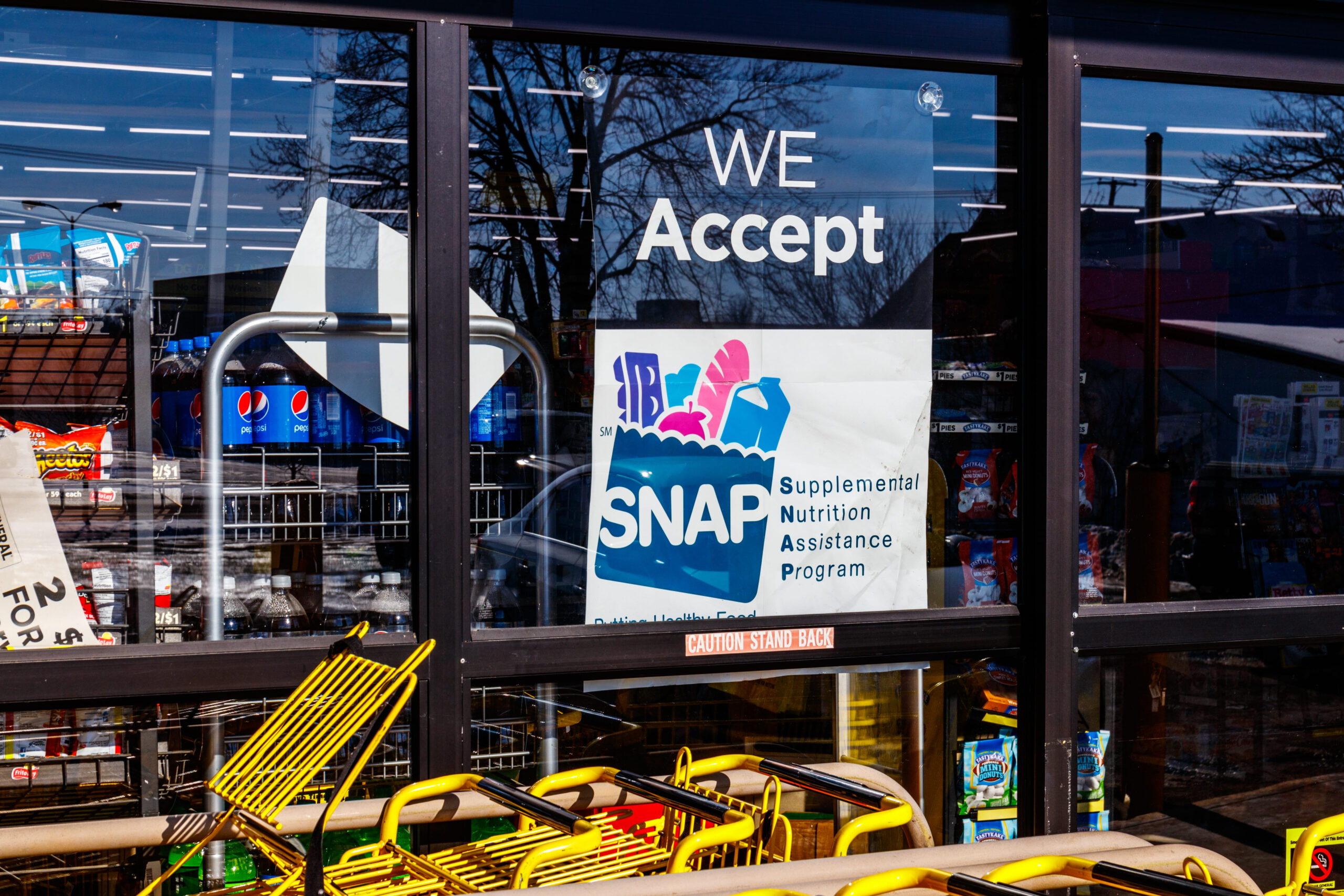
For years, proposals to remove soda and candy from SNAP-eligible purchases faced resistance from retailers, some anti-hunger organizations, and concerns about how such rules would be managed.
That began to change in 2025 after the Trump administration started approving state waivers that let states set their own restrictions on certain products purchased through SNAP.
By late May 2026, ten states had active restrictions covering candy, soda, or both: Florida, Idaho, Indiana, Iowa, Louisiana, Nebraska, Oklahoma, Texas, Utah, and West Virginia.
The USDA later approved waivers in 23 states overall, although a federal judge temporarily blocked enforcement in five states while legal challenges continue.
The changes affect a program used by roughly 42 million Americans and represent one of the biggest shifts in how SNAP benefits can be used since the program’s expansion.
What shoppers changed in their grocery carts
The study examined grocery data from 15,000 SNAP households during the first half of 2026. Of those households, 3,291 lived in states where the new restrictions were active.
Before the bans, households purchased about 185 ounces of soda each month on average, which equals roughly 15 cans.
After restrictions began, soda purchases dropped by about 13%. Researchers estimated this amounted to about 34 fewer 12-ounce cans per person over a year.
The authors, including University of Chicago Booth School of Business economist Matt Notowidigdo, said the decline was larger than they expected. Earlier research had suggested that benefit restrictions often have limited effects when shoppers can use other forms of payment. Consumers can also switch to similar alternatives when a particular purchase is restricted.
Instead, the data showed that the purchasing decision itself changed.
The savings were often redirected to other drinks
The decline in soda purchases did not mean all of that money disappeared from beverage spending.
The study found that SNAP households redirected as much as 39% of the money they saved on restricted soda purchases toward juice and other sweetened beverages that remained allowed under the new rules.
Notowidigdo argued that this creates a challenge for policymakers trying to reduce sugar consumption through product restrictions.
“If the goal is to reduce sugar consumption, you want the ban to be more comprehensive, not less,” he said.
The beverage industry is also watching the changes closely.
Retail analytics company Numerator estimated that expanding restrictions to 19 states by the end of 2026 could cost beverage and candy companies nearly $830 million during the year. The estimate included about $430 million in reduced soda sales and $100 million in lost energy drink sales.
More than 30% of surveyed SNAP shoppers said they would replace restricted drinks with alternatives such as tea, coffee, or juice.
Researchers estimate possible health effects, but caution remains
Supporters of the restrictions argue that reducing sugary drink purchases could eventually affect public health.
A 2025 study published in Nature Medicine found that sugar-sweetened beverages contribute to about 1 million new heart disease cases and 2 million new type 2 diabetes cases globally each year.
Using those findings as context, Notowidigdo and his co-authors estimated that the SNAP restrictions could reduce the ten-year risk of new type 2 diabetes cases by 2.6%. They projected that this could represent about 34,000 fewer cases nationwide.
Notowidigdo said those potential changes could translate into significant healthcare savings.
“It leads to a billion dollars of savings for the health care system,” he said.
That figure is relatively small compared with the $5.3 trillion the United States spent on healthcare in 2024, but researchers said recurring savings could still be meaningful.
Experts say the study does not answer every question
Some researchers say the results should be viewed carefully.
Benjamin Chrisinger, an assistant professor of community health at Tufts University who was not involved in the study, pointed out that the sample size of 3,291 households may not fully represent the entire SNAP population.
The study also found that some recipients felt judged or stigmatized while shopping under the new rules.
“Unfortunately, stigma is difficult to compare to other health indicators,” Chrisinger said.
He noted that emotional impacts are harder to measure than changes in purchases or health projections. The study tracked what people bought at checkout, but it did not measure actual sugar consumption, body weight changes, or what happened after people brought food home.
Some experts argue taxes could work better than restrictions
Not every food policy researcher believes SNAP restrictions are the most effective approach.
Robert Paarlberg, a professor emeritus of political science at Wellesley College who studies food policy, said a 12% decline among SNAP participants alone would likely have a limited effect on national health trends.
He pointed instead to Philadelphia’s beverage tax, which resulted in a 31% drop in sugary drink consumption across income groups. Unlike SNAP restrictions, the tax applied broadly and generated revenue for community programs.
Paarlberg also argued that a tax approach avoids singling out low-income shoppers or creating the stigma concerns raised by Chrisinger.
Speaking about the SNAP findings, Paarlberg said the results “doesn’t add up to a huge national health gain,” although he did not describe the restrictions as unsuccessful.
More states are preparing similar rules
The SNAP changes are still expanding.
Ohio is scheduled to begin restricting sugar-sweetened beverages on October 1, 2026. Kansas plans to restrict candy and soft drinks starting February 15, 2027, while Wyoming is expected to ban sweetened carbonated beverages that same month. Nevada is scheduled to introduce a broader candy and soda restriction in February 2028.
Ten additional states, including Arkansas, Colorado, Missouri, Ohio, Tennessee, and Virginia, are expected to have restrictions active by the end of 2026.
As more states join the effort, researchers will watch whether the purchasing changes seen in the first ten states continue across a larger, more diverse group of SNAP participants.
For now, the early data suggest the restrictions are changing shopping behavior, but the larger debate over whether they create meaningful health improvements is far from settled.