What begins as a quiet neighborhood mishap has exploded into a story about accountability, ethics, and the consequences of distracted driving. A teen allegedly crashed into a homeowner’s mailbox while texting, and the plot thickened when the teen’s parents reportedly asked the homeowner to claim the damage was caused by a storm.
At first glance, it’s a mailbox. Look closer, and it’s a lesson in responsibility, the risks of modern driving habits, and what happens when honesty is sidelined.
When a Mailbox Becomes More Than Property

Mailboxes may seem mundane, but they are part of the essential infrastructure of home life. Beyond letters and bills, they protect packages, medications, and sensitive documents. A smashed mailbox is more than a repair bill; it’s a disruption to daily life.
Homeowners must arrange repairs, replace posts, and sometimes navigate postal regulations. According to the U.S. Postal Inspection Service, willfully damaging mailboxes is a federal offense, carrying fines or even jail time. This isn’t just a minor inconvenience; it’s legally protected property, making the alleged request to lie even more striking.
Distracted Driving: Not Just a Teen Problem
Texting while driving is a leading cause of preventable accidents. The National Highway Traffic Safety Administration reports that over 3,200 deaths in 2024 were linked to distracted driving in the U.S. alone. Teens are particularly vulnerable because of inexperience and social pressure to stay connected.
A few seconds on a phone can cause irreversible consequences, from property damage to injuries or fatalities. In this case, no one was hurt, but the stakes could have been much higher. Every curb, mailbox, and intersection suddenly becomes a potential hazard when attention is diverted.
The Parents’ Alleged Request Ignites Controversy

According to the report, the parents asked the homeowner to claim that the damage was caused by a storm. This is more than an inconvenience; it’s ethically troubling. Homeowners are put in the impossible position of covering for someone else’s negligence. The teen learns that avoiding responsibility is an option, eroding lessons about honesty and accountability at a formative age.
For neighbors observing this drama, it’s a moment of reflection. How many accidents go unreported because adults prioritize appearances over teaching responsibility? Stories like this hit a nerve because they tap into a broader frustration about reckless driving and moral shortcuts.
The Ripple Effect on the Neighborhood
Neighborhoods thrive on trust. When accidents are covered up or lies are encouraged, that trust is chipped away. Mailboxes are visible symbols of community respect; when one is damaged, and the incident is mishandled, it sends a subtle message that rules are negotiable and consequences optional.
Local police and postal inspectors often caution that even minor property damage should be reported honestly. Trying to mask it as a storm could have legal repercussions for both the teen and the homeowner if discovered. This isn’t just a personal ethics issue; it could become a legal headache.
The Lesson That Was Missed
The ideal response would have been straightforward: the teen apologizes, the parents facilitate repair, and a conversation about distracted driving reinforces safe habits. That combination of accountability, restitution, and education could prevent future accidents.
Instead, the alleged cover-up attempts transform a minor accident into a cautionary tale. The mailbox becomes a symbol of what happens when convenience outweighs responsibility. Teens witness firsthand that bending the truth is easier than facing consequences, a lesson that can ripple into more dangerous behavior later on.
Why This Story Resonates
Readers respond because this scenario mirrors real-world frustrations: reckless driving, property damage, and the ethical dilemmas parents face in protecting children. The story isn’t just about a mailbox; it’s about values, decision-making, and the consequences of choices in a distracted, digital age.
Online discussions highlight the tension between shielding teens from mistakes and teaching them accountability. It’s a reminder that some lessons, like respecting other people’s property and paying for your own mistakes, cannot be skipped.
A Neighborhood Wake-Up Call
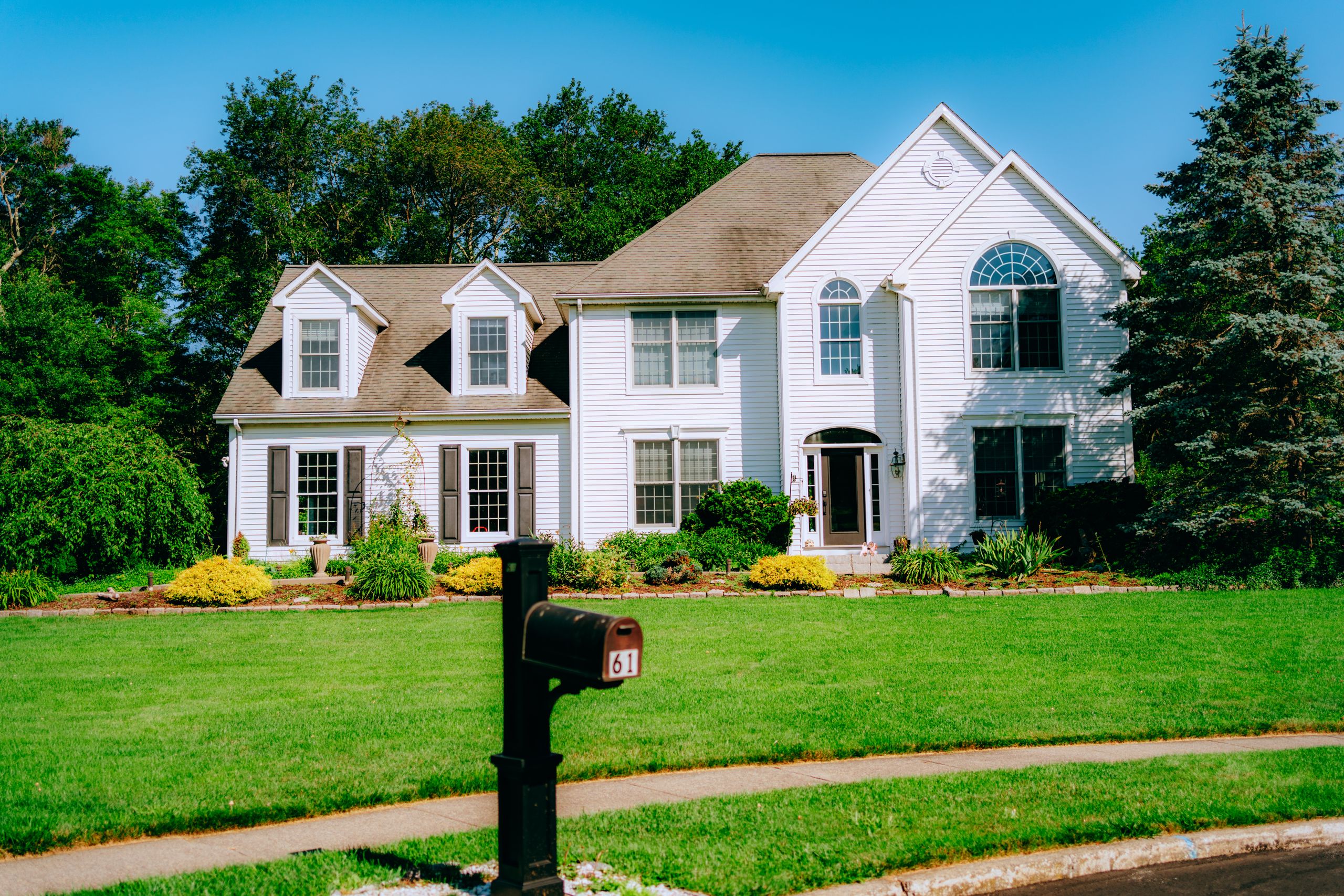
This mailbox crash is a small event with outsized implications. It reminds communities that distracted driving is dangerous, parental guidance shapes habits, and even minor property damage can become a moral test.
Ultimately, honesty, responsibility, and safety could have turned this story into a positive teaching moment. Instead, the alleged attempt to rewrite the truth shows how quickly a minor accident can spiral into a larger discussion about ethics, responsibility, and human behavior.
The mailbox can be replaced. The trust lost in a neighborhood or the lessons ignored by a teen, however, are far harder to repair. In the end, the storm that never happened mirrors the choices made in those crucial seconds behind the wheel.