Your refrigerator looks harmless until one leaking package of chicken, one forgotten bowl of rice, or one open container of deli salad turns it into a quiet food safety gamble. The cold air may slow bacteria down, but it does not magically erase germs, toxins, poor storage habits, or the risk that comes with food sitting too long in the wrong part of the fridge.
That is why the most dangerous foods in the refrigerator are often the ordinary ones we trust without thinking. We open the door, grab the leftovers, sniff the container, and assume everything is fine because nothing smells strange. That confidence can be risky, especially when some harmful germs do not change the taste, smell, or look of food before they make someone sick.
Raw Chicken Can Turn One Shelf Into a Cross-Contamination Zone
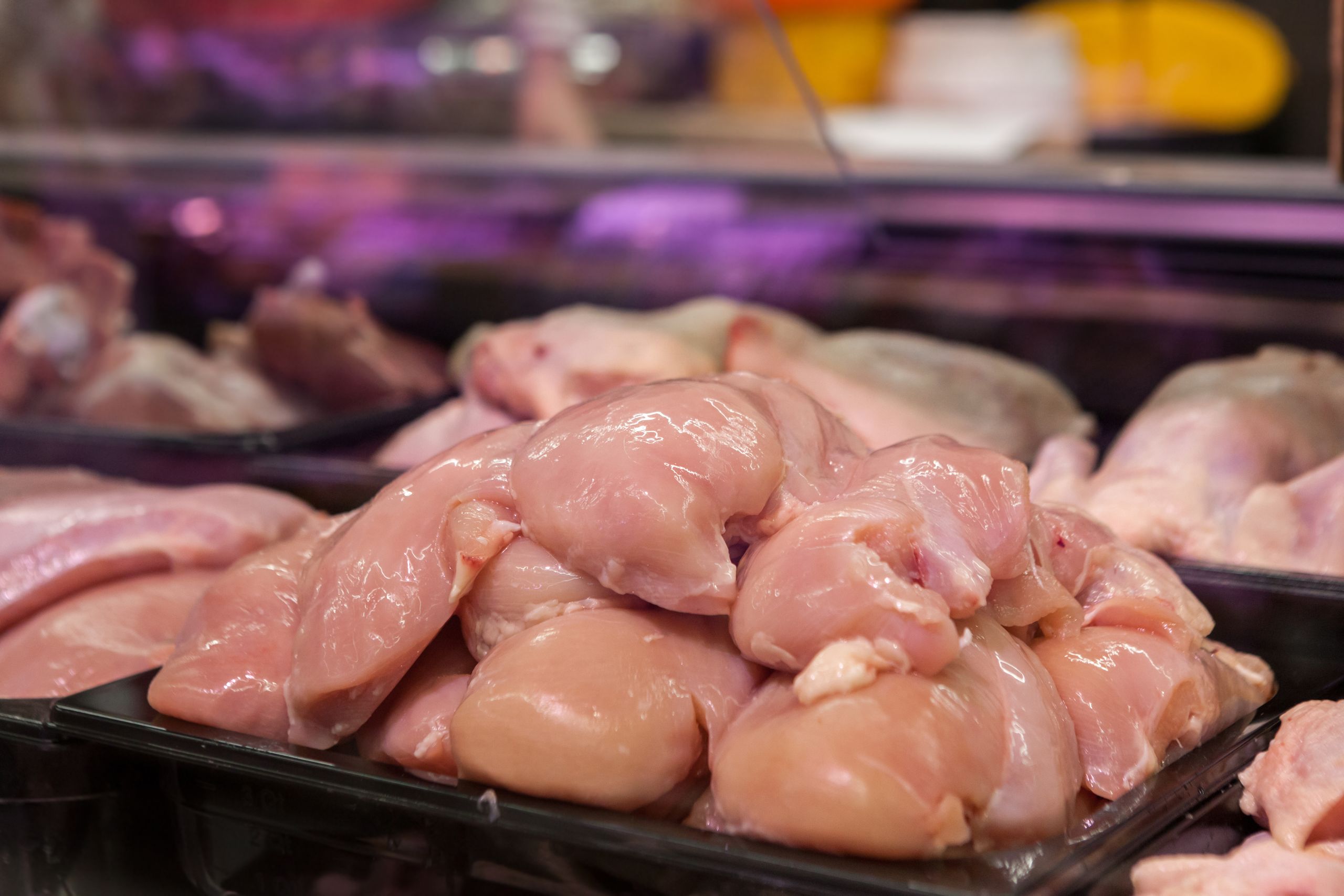
Raw chicken is one of the riskiest foods in the refrigerator because it can carry bacteria such as Salmonella and Campylobacter before cooking. The danger increases when the package leaks onto shelves, drawers, produce bags, or ready-to-eat foods. Once raw poultry juices spread, the risk is no longer limited to the chicken itself.
We should store raw chicken on the lowest shelf in a sealed container or tray that can catch drips. It should never sit above fruit, salad greens, cooked leftovers, cheese, or anything that will not be cooked again. Raw poultry also has a short shelf life in the refrigerator, so it should be cooked within a safe window or frozen before it becomes a hidden hazard.
Deli Meats Are Riskier Than Their Neat Packaging Suggests
Deli turkey, ham, roast beef, and sliced chicken look clean because they are already cooked and ready to eat. That is exactly why they deserve caution. Since they are usually eaten cold, any contamination that happens during slicing, handling, or storage may not be killed by heat before the food reaches the plate.
Listeria is the major concern with deli meats because it can survive refrigeration and spread on deli equipment and surfaces. For pregnant people, older adults, and people with weakened immune systems, cold deli meat can be especially risky. A safer habit is to buy smaller amounts, keep packages sealed, use them quickly, and reheat deli meat until steaming hot when extra protection is needed.
Soft Cheeses Can Become Trouble When Pasteurization Is Unclear
Soft cheeses can be delicious, but some varieties carry more risk than hard cheeses, especially when made from raw or unpasteurized milk. Brie, queso fresco, Camembert, blue-veined cheeses, and some fresh cheeses need careful handling because their moisture and texture can make them more vulnerable to contamination.
We should always check labels for pasteurized milk, keep cheese tightly wrapped, and avoid eating soft cheese that has been sitting open for too long. Mold is another warning sign. Hard cheese may sometimes be trimmed safely around a small mold spot, but soft cheese should be discarded when mold appears, as contamination can spread more easily throughout the whole product.
Cooked Rice Can Become Dangerous Faster Than People Expect
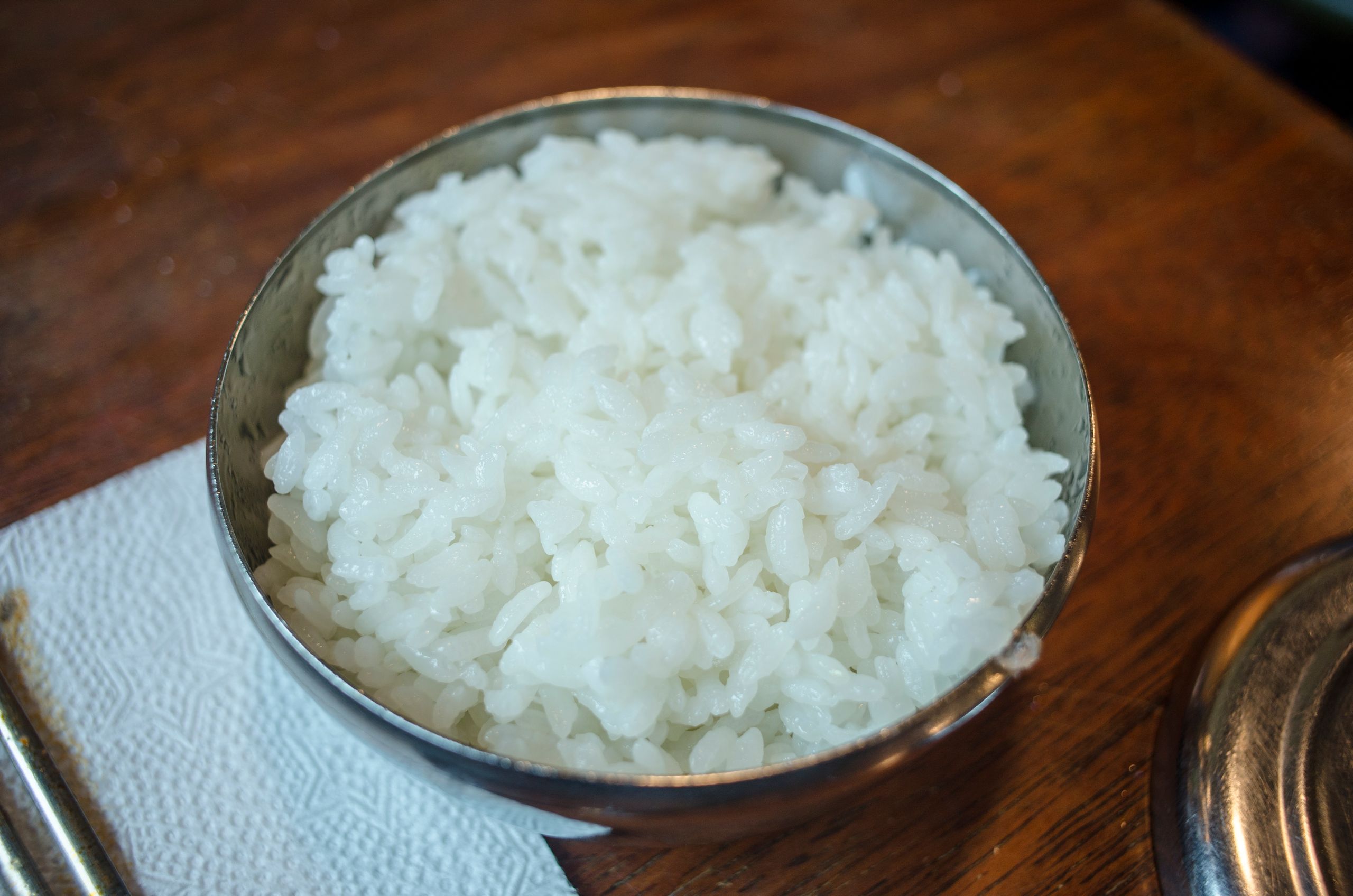
Cooked rice feels harmless because it is plain, cheap, and often treated like the easiest leftover in the fridge. The problem starts before it is cooked. Rice can contain Bacillus cereus spores, and those spores can survive cooking. If cooked rice sits at room temperature too long before refrigeration, the bacteria can multiply and produce toxins.
Reheating old rice does not always fix the problem once toxins have formed. That is why rice should be cooled quickly, stored in shallow containers, refrigerated promptly, and eaten within a short period. Takeout rice deserves even more caution because we may not know how long it sat before it reached the table.
Leftover Pasta and Grains Need the Same Respect as Rice
Pasta, quinoa, couscous, barley, and other cooked grains can create similar risks when they are cooled slowly or stored too long. Many people worry more about meat and ignore starches, but cooked grains hold moisture and can sit in the danger zone long enough for bacteria to grow. A covered bowl of pasta forgotten on the counter after dinner is not a small mistake.
We should treat cooked starches like perishable food, not pantry food. Spread large portions into shallow containers, refrigerate quickly, and avoid keeping them for long; discard if the texture turns slimy or sour. By the time the smell changes, the safer decision may already be overdue.
Leafy Greens Can Carry Risk Even When They Look Fresh
Bagged lettuce, spinach, spring mix, kale, and other leafy greens can carry bacteria from soil, water, handling, or processing. The risk is frustrating because salad greens are often eaten raw, which means there is no cooking step to reduce contamination. A crisp leaf can still be unsafe if it contains harmful germs.
We should store greens cold, keep them away from raw meat and poultry, and follow package instructions. Prewashed greens should not be handled with dirty hands or placed in contaminated bowls. Whole heads of lettuce and loose greens should be rinsed under running water before use, then dried with clean towels or a salad spinner.
Sprouts Are Small, Fresh, and Surprisingly Risky
Raw sprouts are one of the most underestimated refrigerator foods. Alfalfa sprouts, bean sprouts, clover sprouts, and radish sprouts grow in warm, humid conditions, which are also friendly to bacteria. Even careful refrigeration after purchase cannot fully undo contamination that may have happened during growing.
We should be especially cautious when serving sprouts to children, older adults, pregnant people, or anyone with a weakened immune system. Cooking sprouts lowers the risk far more than rinsing them. If sprouts smell musty, look slimy, or sit too long in the container, they belong in the trash.
Fresh Seafood Has a Short Clock in the Fridge
Fish, shrimp, scallops, oysters, crab, and other seafood can spoil quickly, even under refrigeration. Seafood is delicate, moist, and highly perishable, which makes time and temperature especially important. A package left in the fridge too long can become unsafe before the home cook has a chance to prepare it.
We should buy seafood close to the day we plan to cook it and store it in the coldest part of the fridge. Raw seafood should stay sealed and separate from ready-to-eat foods. If the smell turns strongly sour, ammonia-like, or unusually fishy, the safest move is to discard it rather than trying to rescue it with seasoning or heat.
Eggs and Egg-Based Dishes Can Hide Salmonella Risk
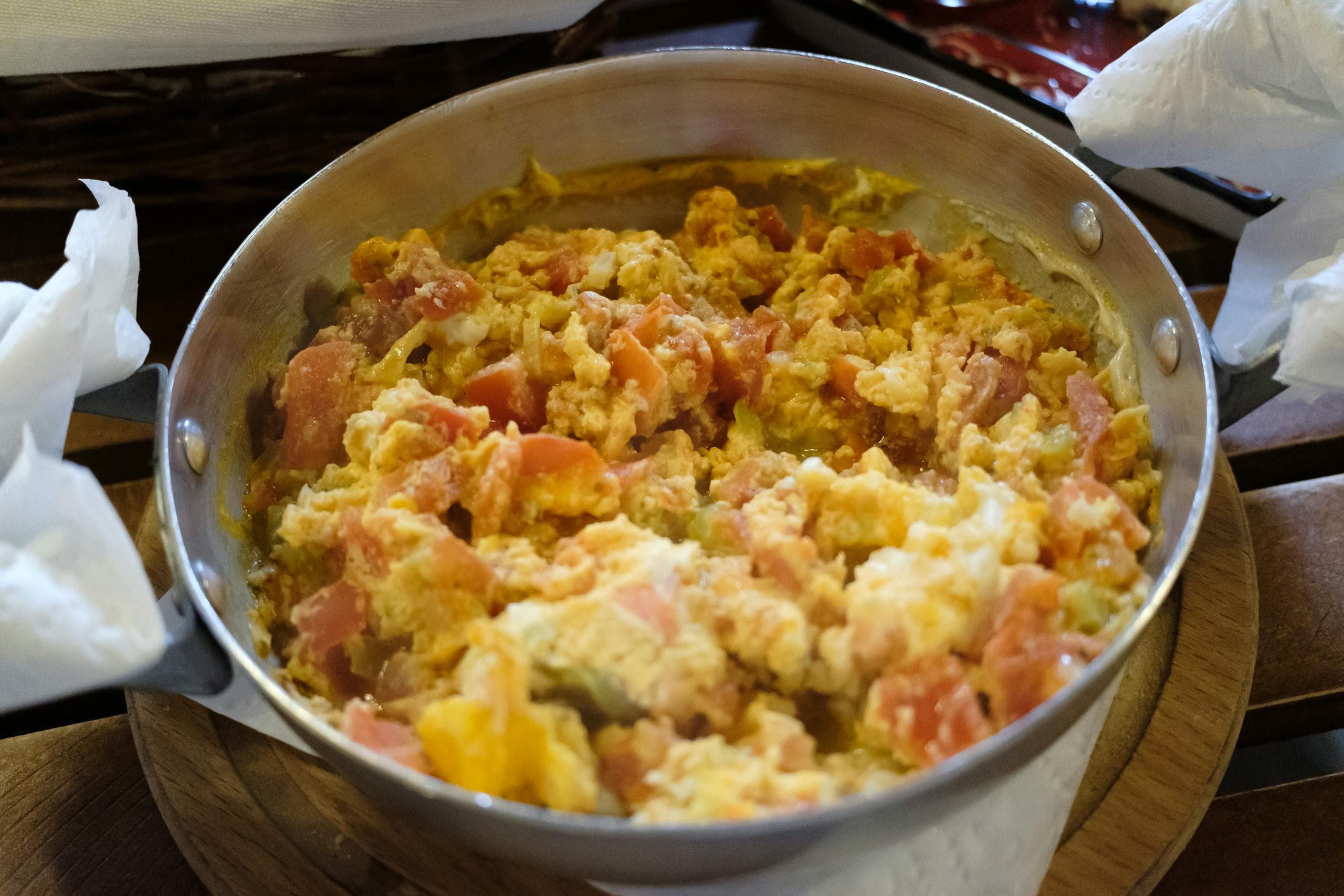
Eggs can pose a food safety risk when they are cracked, improperly stored, undercooked, or used in dishes that sit too long. The bigger issue often comes from egg-based foods such as homemade dressings, custards, casseroles, deviled eggs, egg salad, and breakfast leftovers. These foods combine protein and moisture, which can become risky when timing is ignored.
We should keep eggs in their original carton in the refrigerator, not in the door, where temperatures fluctuate more often. Cooked egg dishes should be refrigerated promptly and reheated properly when needed. Cracked eggs should be discarded because the shell is part of the egg’s natural protection.
Milk, Cream, and Opened Dairy Can Spoil Quietly
Milk, cream, yogurt, and other dairy products can become unsafe when they sit in the warmest part of the fridge or remain open for too long. Sour smells and curdling are obvious warning signs, but waiting for dramatic spoilage is not a smart system. Dairy products should be sealed tightly and returned to the fridge immediately after use.
We should avoid storing milk in the refrigerator door if the fridge is opened often. The door is convenient, but it is usually warmer and less stable than the interior shelves. Dairy belongs deeper inside the fridge, where cold air is more consistent, and quality lasts longer.
Cut Fruit Can Become a Bacteria-Friendly Snack
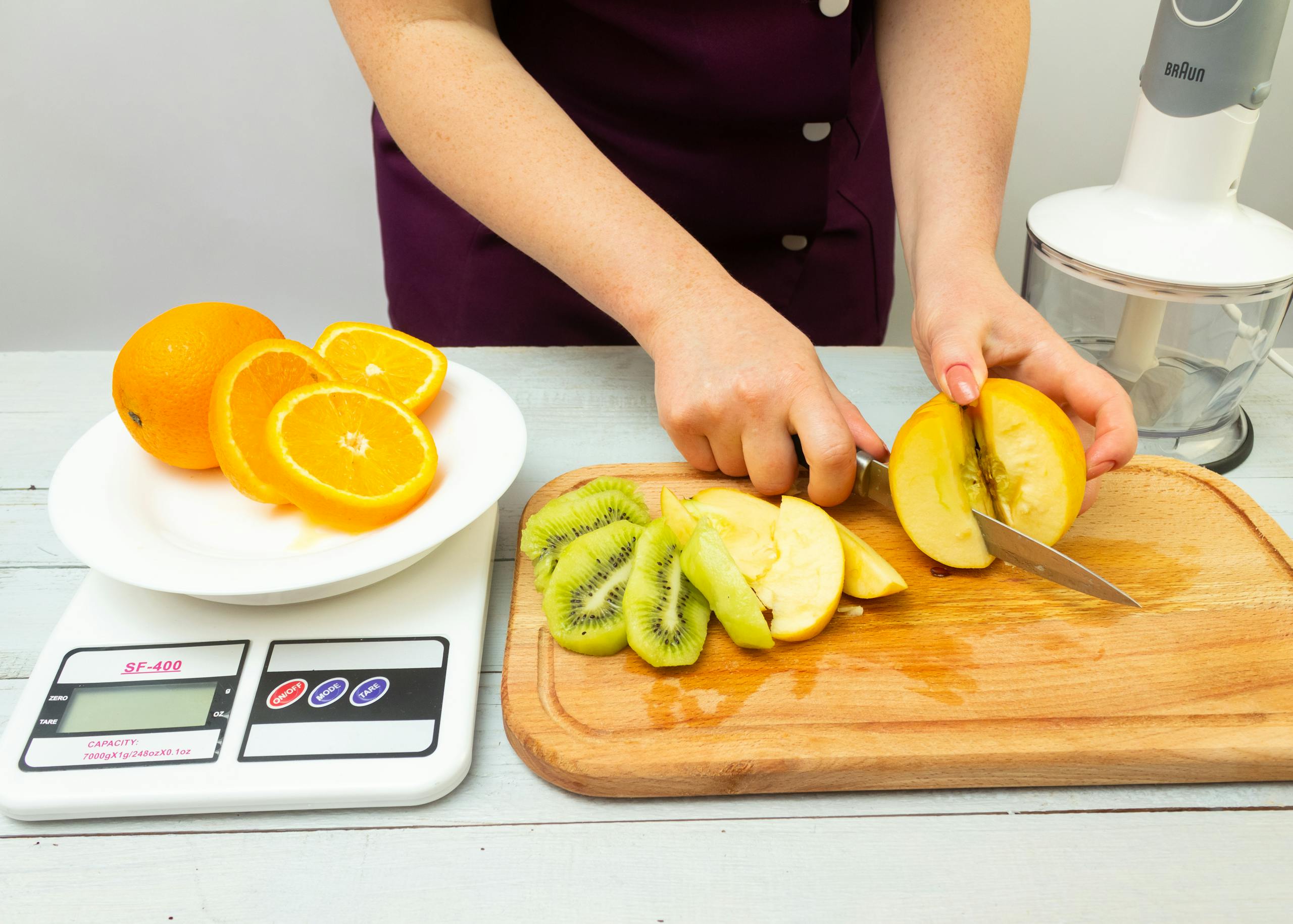
Whole fruit usually has natural protection from its peel or rind, but cut fruit loses that shield. Sliced melon, berries, pineapple, mango, and fruit salad contain moisture and sugar, which can support microbial growth if storage is careless. Cut melon deserves special attention because the knife can move germs from the rind into the flesh.
We should refrigerate cut fruit quickly and keep it in clean, covered containers. It should not sit out through a long party, picnic, or brunch and then return to the fridge as if nothing happened. If cut fruit becomes fizzy, slimy, sour-smelling, or watery in an unusual way, it should be thrown away.
Takeout Leftovers Can Be Riskier Than Home-Cooked Food
Takeout leftovers feel convenient because they are already cooked, packed, and ready for tomorrow. The hidden problem is uncertainty. We may not know how long the food sat before delivery, how quickly it cooled, how hot it stayed in transit, or how long it sat on the counter once it arrived.
We should refrigerate takeout as soon as the meal is over, not hours later. Large portions should be transferred to shallow, airtight containers rather than remaining in deep takeout boxes. Rice, noodles, seafood, creamy sauces, and meat-heavy dishes should be eaten quickly and reheated thoroughly.
The Refrigerator Mistakes That Make Safe Food Dangerous
Many fridge problems come from habits rather than the food itself. Leaving food uncovered allows spills, odors, and microbes to move more easily. Overpacking shelves blocks cold air from circulating. Storing raw meat above ready-to-eat food invites cross-contamination. Trusting smell alone creates false confidence.
We should label leftovers with dates, clean up spills immediately, and use clear containers so forgotten food does not get buried behind newer groceries. A roll of painter’s tape and a marker can prevent the mystery-container problem. When food has no date, no clear memory, and no reliable storage history, throwing it away is often the safest decision.
A safer refrigerator is not about panic. It is about building small habits that remove guesswork. The most dangerous foods are often the ones we handle casually because they look normal, smell fine, or seem too ordinary to cause trouble.