Crime in America does not always look like a breaking-news helicopter shot. Sometimes it looks like a mom texting her teenager, desperate for reassurance: “Call me when you get inside.” It looks like a gas station haunted by silent fears after dark.
It feels like a corner store shielded by thick glass, hope and caution mingling. It’s a worker, heart pounding, keys clenched, rushing to the parking garage. It’s a neighborhood Facebook post trembling with worry: “Did anyone else hear those shots?” That is why conversations about cities with high crime rates in America still hit a nerve.
National crime trends have recently improved. Preliminary 2025 data showed violent crime decreased from 2024 to 2025, and a major city analysis also found reported homicides were lower in 2025 across its sample. That is good news. But people do not live inside national averages.
They live on specific blocks. They wait at specific bus stops. They shop at specific stores. They know which intersection feels tense, which parking lot empties too early, and which part of town makes them roll up the windows without thinking.
So this article is not about shaming cities. It is about the American places where crime still feels too present in daily life, even when the broader national picture looks better.
Memphis
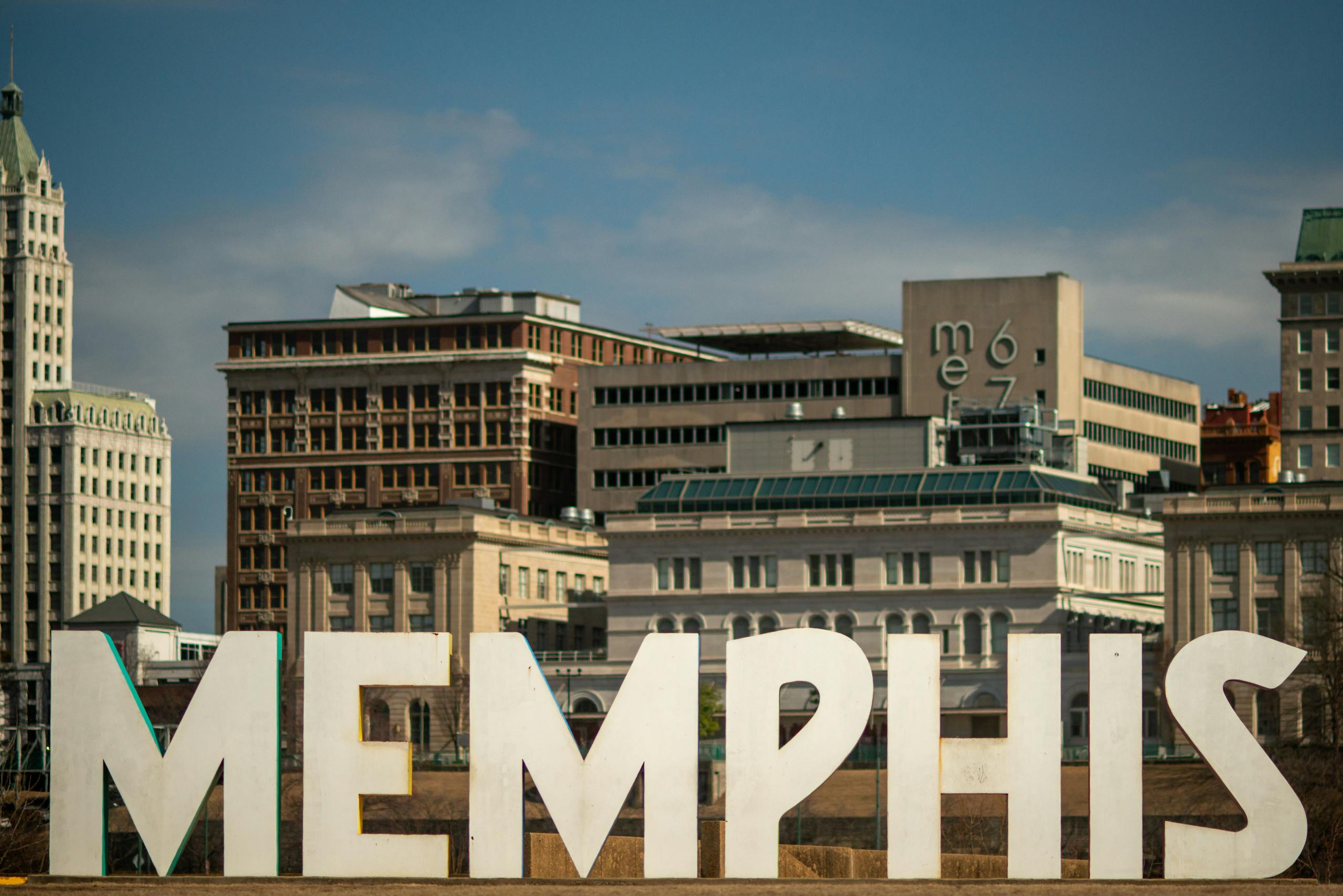
Memphis is not just a crime headline. This city is barbecue smoke, church music, Beale Street, Graceland, basketball pride, river views, family cookouts, and neighborhoods full of people who love their city deeply. But Memphis also carries a heavy crime reputation in America, and residents feel that pressure without needing a ranking to do so.
They feel it in their bones when choosing where to stop for gas, every decision edged with worry. They feel it when silently begging a child to stay safe and not stay out too late. They feel it when another shooting turns into a sorrow-laced conversation at work before the coffee even cools.
Memphis remains central to high-crime discussions because its home county saw one of the steepest homicide burdens, with Shelby County moving from 24.1 homicides per 100,000 people in 2019 to 33.6 in 2024.
That number is not just math. It is funerals that never should have happened, trauma swallowed quietly, emergency rooms lit by fear, and families learning to live with caution as a daily survival instinct.
St. Louis
St. Louis is a city people love fiercely. The food, sports, music, history, brick streets, neighborhood pride, and Gateway Arch all shape St. Louis’s identity. Yet the city’s crime reputation follows residents, especially when homicide rates are discussed.
For residents, that reputation can feel unfair and painfully honest at the same time. People know the city is more than violence. They also know violence has shaped where families move, where businesses invest, and how outsiders talk about St. Louis before they ever visit.
Recent homicide data placed St. Louis city at the top among large urban counties, with the highest homicide rate in that group for 2024.
That ranking sticks to a city like smoke on a jacket. The tragedy is that homicide numbers mean more than deaths. They signal empty chairs at the dinner table, mothers grieving with silent screams, frightened children clinging to hope, and neighborhoods weary from being defined by what they fight to survive.
Baltimore
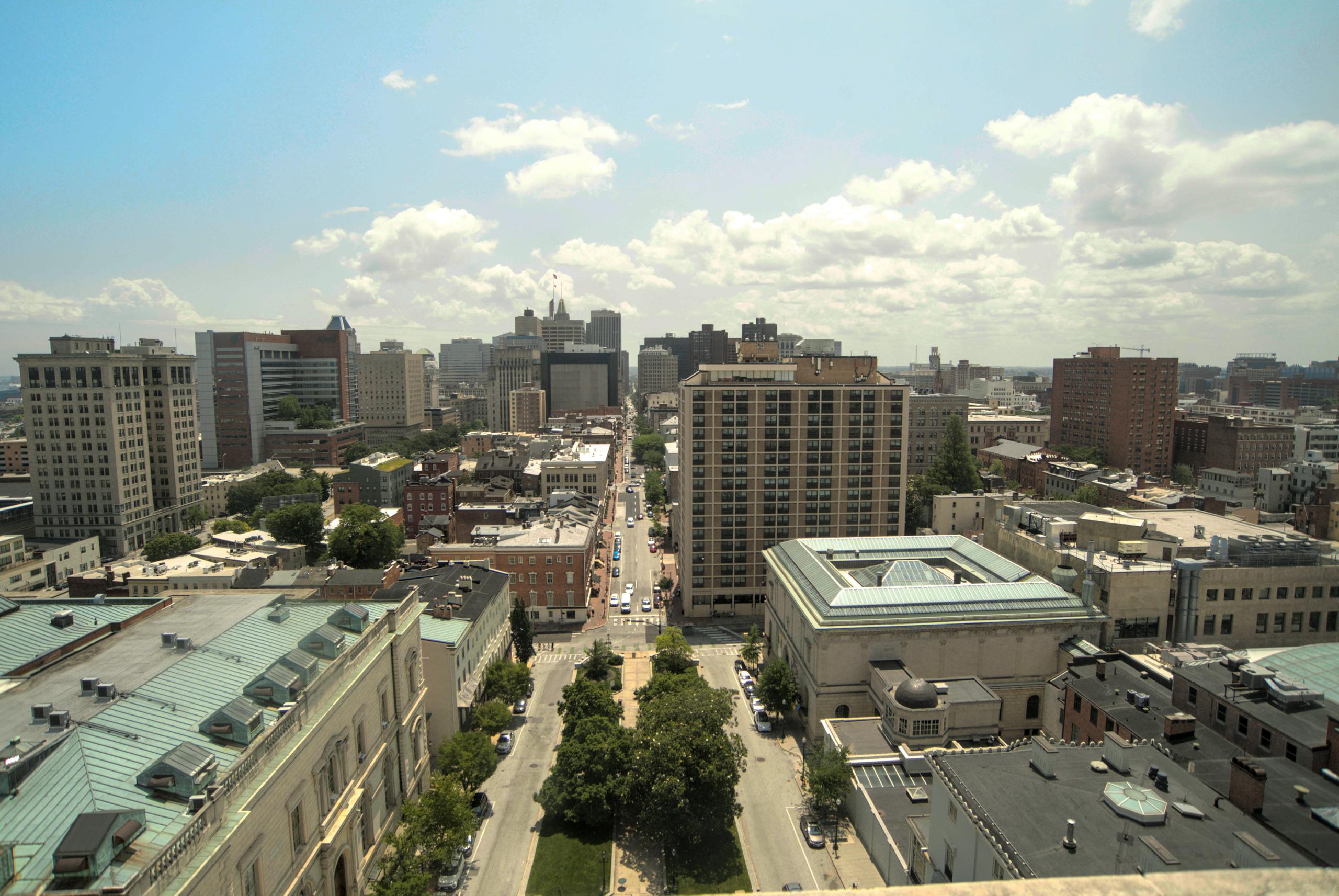
Baltimore is complicated, as real cities are. This city has crab cakes, rowhomes, harbor views, universities, artists, doctors, teachers, churches, neighborhood pride, and fiercely loyal residents. But Baltimore also faces a long crime shadow built from homicide, poverty, addiction, disinvestment, policing failures, and national stereotypes that miss much of the story.
The city has seen progress. That matters. Homicide rates fell sharply from 2019 to 2024, with Baltimore city dropping from 47.3 per 100,000 people to 31.7 in 2024. But “better” does not always feel like “safe.”
A family that has lost someone lives every improvement as a wound. A business owner who closes early feels trapped by fear, even when a five-year trend is moving in the right direction. Baltimore’s story shows how crime statistics fall, but the ache of loss persists for those closest to it.
Washington, D.C.
Washington, D.C., is where America sends power. Presidents, senators, judges, diplomats, lobbyists, journalists, and agency leaders move through the city. Tourists visit monuments, museums, cherry blossoms, and on school trips. Regular residents live in a Washington where public safety feels distant from marble buildings and motorcades.
That contrast makes D.C. especially striking. A person can pass a federal building in the morning and worry about a carjacking at night. A parent can live minutes from national power and still worry about a child walking home from school. The city can look symbolic to the country and intensely practical to the people living there.
D.C. was listed among large urban counties with high homicide rates in 2024, appearing in the group of large cities whose home counties had the highest homicide rates.
That is the uncomfortable irony. A city can radiate national power, yet leave ordinary residents lost in anxiety, waiting for a patch of comfort on ordinary streets.
New Orleans

New Orleans is one of the most loved cities in America. It is music through an open door, beads in a gutter after a parade, gumbo on a stove, brass bands, porch laughter, second lines, old cemeteries, and a vibrant culture that draws tourists seeking magic.
But locals know another version, too. They know which blocks feel different after dark. They know how quickly celebration can sit beside danger. They know the city’s beauty does not erase the violence, poverty, and public safety struggles that have shaped parts of daily life for years.
Orleans Parish was among the mid-size urban counties with high homicide rates, listed at 27.3 homicides per 100,000 residents in 2024.
That is what makes New Orleans such a painful example. A city can pulse with joy and still bear wounds that never fully heal. It can make America dance, yet leave residents pleading for safer streets long after the music fades.
Jackson
Jackson, Mississippi, proves high crime is not only a big-city story. National attention often goes to New York, Chicago, Los Angeles, Philadelphia, and Houston. But smaller cities can carry heavy crime burdens too, sometimes with fewer resources, fewer headlines, and more exhausted residents.
Jackson’s public safety struggles sit beside other serious challenges: poverty, infrastructure failures, water problems, population loss, and neighborhood disinvestment. When these pressures stack up, crime no longer feels like a separate issue. It feels like part of a larger civic breakdown.
Hinds County, home to Jackson, ranked highest among mid-size urban counties, with 46.7 homicides per 100,000 residents in 2024.
That is a brutal number for a smaller urban area, in a place where everyone shares schools, churches, streets, and family ties, violence tears through the city like a family emergency, leaving scars and memories in its wake.
Oakland
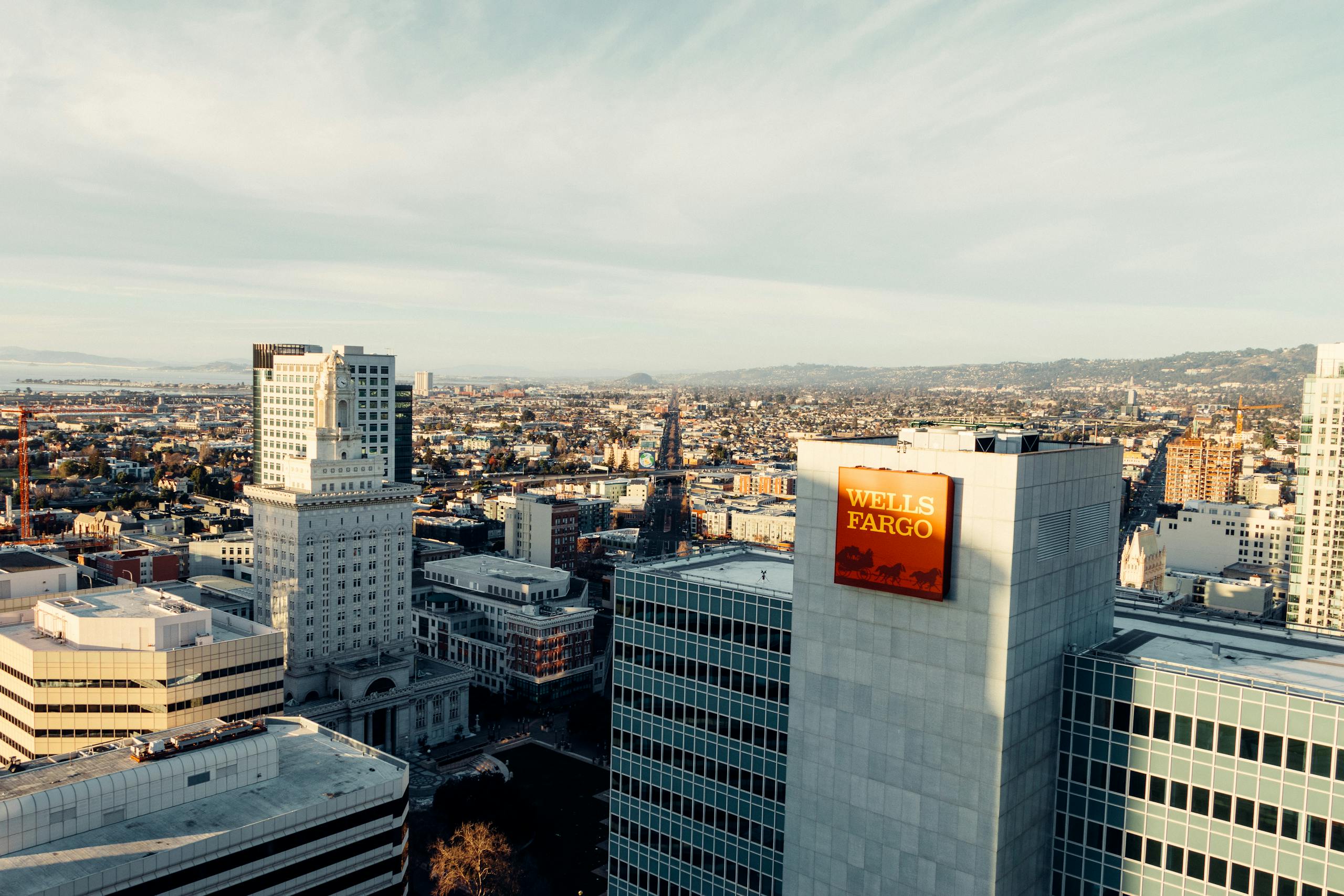
Oakland has a strong cultural heartbeat. It is creative, political, diverse, proud, and deeply rooted. It has artists, organizers, families, food, music, sports history, and a reputation for resisting outsider definitions.
But crime has become a heavy part of the city’s image. Residents endure car break-ins, robberies, shootings, empty stores, and constant anxiety. The pain is raw, not just that crime happens, but that it won’t relent. People who love Oakland must defend it from accusations, all the while admitting exhaustion from feeling unsafe day after day.
City-level violent crime comparisons have placed Oakland among the highest-rate cities, with Memphis, Oakland, and Detroit appearing near the top in violent crime rate comparisons for cities over 100,000.
That is the tension Oakland lives with. Pride and fear can exist on the same block. People can love a city and still demand that daily life feel safer.
Detroit
Detroit has spent years fighting the lazy story outsiders tell about it. It has seen revival, investment, art, restaurants, sports energy, restored buildings, and a downtown unlike the collapse narrative once told. Detroit is not dead. Detroit is working.
But crime remains part of the story, even as progress continues. In 2024, the city saw major improvement, with reports showing homicides and violent crime dropping to levels not seen in decades. That is real and important.
Still, Detroit remains one of the cities that many Americans link with violent crime, and the weight of its reputation lingers. Residents honor progress but still carry scars from harder years, locking doors with trembling hands, surveying surroundings, avoiding certain streets late, and warning visitors with heartfelt concern.
Detroit shows one of the hardest truths about crime. A city can be improving and still be recovering.
Conclusion
The goal is not to label every resident as unsafe or every city as hopeless. The real aim is to recognize the places where crime reshapes daily routines and to recall that real people live, work, raise children, and fight for hope in these cities every day.
Nationally, the trend has improved. FBI preliminary data showed murder decreased an estimated 18.1% from 2024 to 2025, and property crime also fell. But local fear can outlast national improvement.
A safer country is not only one with better numbers. It is one where people feel the improvement when they walk home. These cities are places where people raise children, open businesses, attend church, ride buses, visit grandparents, work late shifts, and try to build ordinary lives under pressure.
Memphis, St. Louis, Baltimore, Washington, D.C., New Orleans, Jackson, Oakland, and Detroit all show different versions of the same difficult truth. Crime may be falling nationally, but some places still carry heavy local burdens. A city can be beautiful and unsafe. Proud and exhausted. Improving and still hurting.
The point is not to shame these cities. The point is to be honest about what safety means. Safety is not only a statistic. It is a mother feeling calm when her child walks to the corner store. It is a worker reaching the parking lot without scanning every shadow.
It is a business that stays open after sunset. It is a neighborhood where people can sit on the porch without pretending not to hear what just happened down the block. America’s high-crime cities deserve more than fear-based headlines. They deserve safety that people can actually feel.