Flies have a way of making a clean home feel instantly chaotic. One minute, the kitchen is calm, and the next, a house fly is circling the fruit bowl like it owns the place. We can swat, spray, and complain, but a smarter long-term approach starts with making the space less inviting in the first place.
That is where fly-repelling plants earn their place. The best plants that repel flies do more than decorate a windowsill. They release strong, natural aromas, support better indoor airflow habits, make patios feel fresher, and help us build a low-chemical fly-control routine that fits beautifully into everyday living.
Basil Is the Best Kitchen Plant for Repelling Flies

Basil is one of the most practical plants for repelling flies because it grows exactly where flies often appear. We can place it on a sunny kitchen windowsill, near a back door, or beside a patio prep station. Its peppery, sweet aroma helps make food areas less attractive to flying pests, and the leaves are useful for cooking.
Basil grows best in warm conditions, with bright light and consistent moisture. Give it at least six hours of sunlight, use a pot with drainage, and pinch top growth to keep it bushy and fragrant.
Genovese basil works well for everyday kitchen use, but lemon basil, cinnamon basil, Thai basil, and holy basil can add a wider variety of scents. We can grow two or three types together in separate pots to create a richer aromatic barrier around the kitchen.
Mint Creates a Strong Scent Barrier Near Doors and Patios
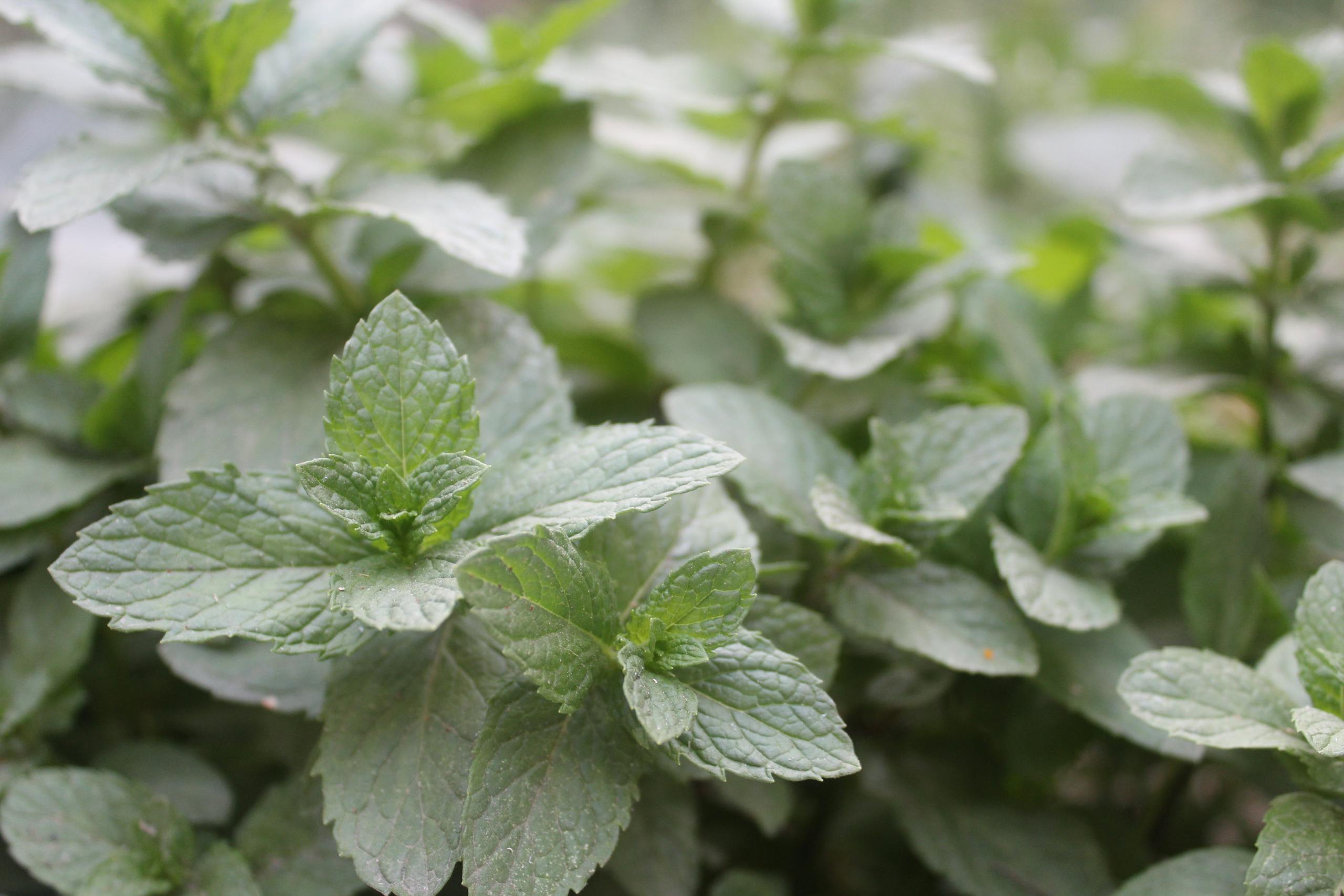
Mint has a bold, clean scent that many flying pests dislike. It is especially useful near outdoor seating areas, porch steps, kitchen doors, and balcony corners. When we brush the leaves, the scent becomes stronger, which is why mint works well beside paths and seating areas where people naturally pass by.
Keep mint in a pot, as it spreads aggressively if planted directly outdoors. A container keeps it controlled and easy to move. Spearmint, peppermint, apple mint, and chocolate mint all work well in patio containers.
Mint prefers moist soil and bright light but tolerates less sun than rosemary or lavender. Regular trimming keeps it tidy and useful.
Lavender Helps Repel Flies, Moths, and Mosquitoes
Lavender earns its reputation for its strong, pleasant scent, which several pests dislike. It is one of the best fly-repelling plants for patios, bedroom windows, porch containers, and sunny indoor shelves. The flowers also add beauty, which makes lavender feel more like decor than pest control.
Lavender requires a different care regimen than basil and mint. It prefers bright sun, dry conditions, excellent drainage, and good air circulation. Overwatering is the fastest way to ruin it. We should use a gritty potting mix, choose a container with drainage holes, and let the top layer of soil dry before watering again.
English lavender has a classic, strong fragrance, while French lavender can be easier in warmer climates. For indoor growing, lavender often needs a grow light unless the window is very sunny. A plant that receives weak light may survive, but it will not produce the same powerful scent.
Rosemary Works Well Around Grills, Patios, and Sunny Windows
Rosemary has a sharp, pine-like fragrance that can help deter flies near outdoor dining areas. It is especially useful around grills, patio tables, balcony gardens, and sunny kitchen windows. The upright structure also makes rosemary a neat container plant that looks polished in both modern and rustic spaces.
Rosemary needs direct sun and good drainage. Use a clay pot, water when the soil dries, and avoid heavy or soggy soil.
This plant also works well when clipped. Fresh rosemary sprigs can be placed near outdoor serving trays, added to herb bundles, or used in cooking. When we gently crush the leaves, the aroma becomes stronger and more useful as a natural fly deterrent.
Lemongrass Adds a Bright Citrus Scent Flies Dislike
Lemongrass is a bold, tropical-looking plant with a fresh lemon scent. It is often grown for mosquito control, but its citrusy aroma can also help make patios and doorways less inviting to flies. Because it grows tall and grassy, it works best in large pots outdoors.
Lemongrass thrives in heat, full sun, and moist soil. In cooler climates, move indoors before frost but ensure bright light.
Lemongrass works well near outdoor dining spaces by adding scent and visual texture. Large pots along a patio edge help define the space and support natural pest control.
Citronella Grass Is Better Than “Citronella” Scented Geraniums
Citronella is often misunderstood. True citronella grass looks like a tall clumping grass, while many garden centers sell scented geraniums labeled as citronella plants. The geranium may smell pleasant, but it is not the same as real citronella grass.
Citronella grass needs warmth, sun, and space. It is best grown outdoors in a large container near seating or dining areas.
We should treat citronella as one part of a layered plan. It works best with clean surfaces, covered food, fans, screens, and other fragrant herbs. A large citronella container beside a dirty trash bin will not solve the problem. A healthy plant near a clean seating area can help.
Marigolds Help Protect Gardens From Whiteflies
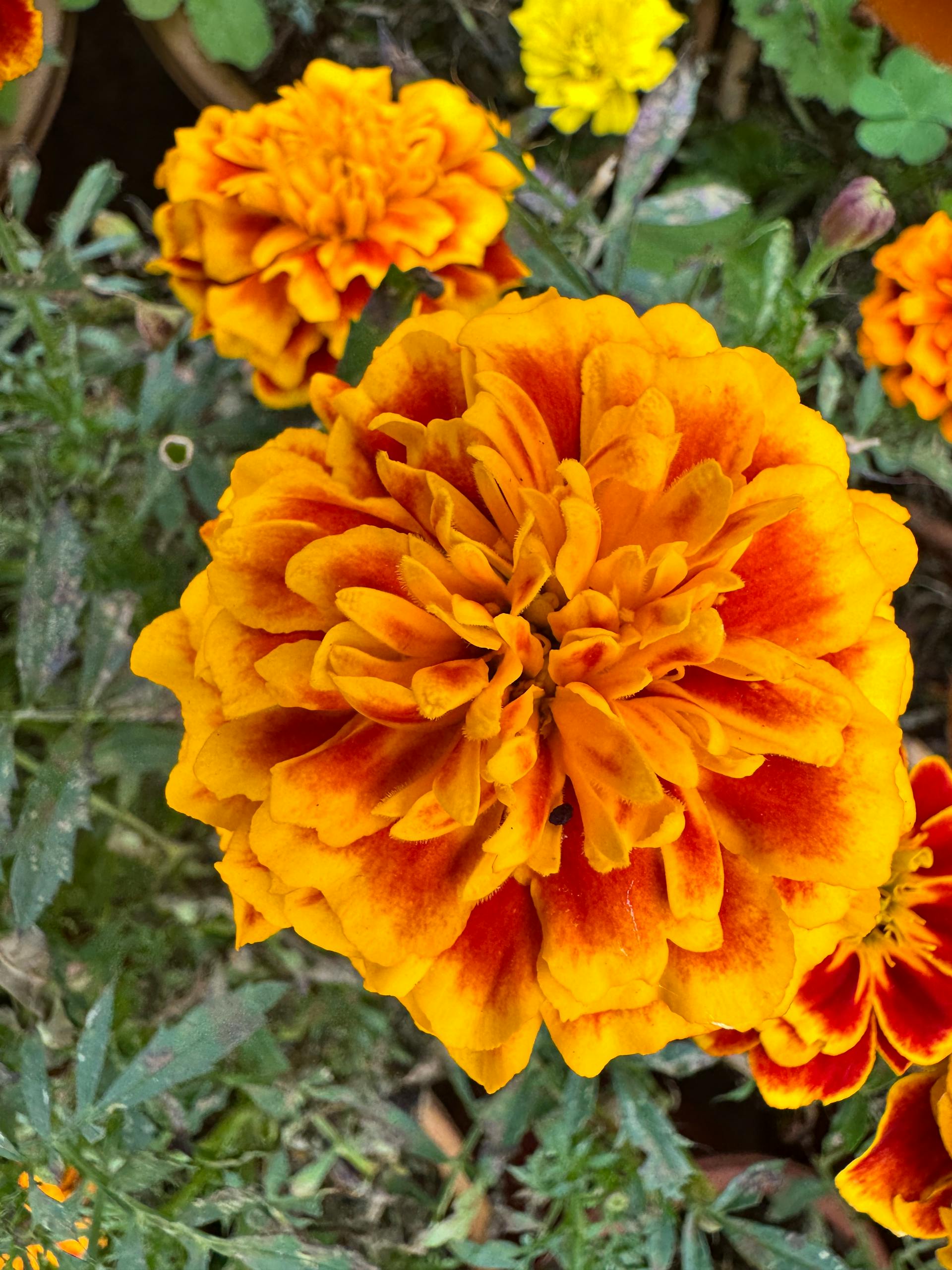
Marigolds are bright, affordable, and useful around vegetable gardens. They are especially valuable where whiteflies bother tomatoes, peppers, and other tender plants. Their strong scent and natural compounds can make nearby plants less appealing to certain pests.
French marigolds thrive in full sun, warmth, and well-drained soil. Place near vegetable gardens and maintain consistent care.
Marigolds are not ideal for dark indoor rooms. They need strong light to bloom well, and the flowers are part of their value. Outdoors, however, they bring color and function together, making them among the best plants for fly and whitefly control in edible gardens.
Tansy Repels Flies but Needs Serious Caution
Tansy has a long history as a fly-repelling plant, and its strong scent can discourage flies, ants, and some other pests. However, it is not a casual kitchen herb. We should treat tansy as an outdoor-only plant unless we fully understand its risks.
The plant can be toxic if consumed, may irritate skin, and can become invasive in some regions. That makes it a poor choice for homes with pets, children, grazing animals, or open garden beds where it might spread. If used at all, tansy should be kept in a controlled container, away from edible plants and high-contact areas.
For most homes, basil, mint, lavender, rosemary, marigold, and lemongrass are safer choices. Tansy may be suitable for a specialist garden, but it should not be the first recommendation for everyday natural fly control.
Catnip Is a Powerful Plant With One Funny Problem
Catnip has a strong scent that may help repel mosquitoes and flies, but it comes with an obvious complication. If cats live nearby, the plant may attract more attention than expected. For cat owners, that can be charming or chaotic, depending on where the pot sits.
Catnip grows easily in containers and can handle indoor or outdoor conditions if it gets enough light. We should prune it regularly to keep it compact and fragrant. Like mint, it belongs in a pot because it can spread quickly in garden beds.
This plant works best around patios, balconies, and sunny windows. If neighborhood cats are likely to roll in it, chew it, or knock it over, we can place it in a hanging basket or raised planter.
Lemon Balm Works Well Near Fruit Bowls and Kitchen Windows
Lemon balm belongs to the mint family, and its lemony scent makes it a useful kitchen plant. It can help freshen areas where fruit flies become annoying, especially near windows, counters, and breakfast nooks. It is also easy to grow, which makes it friendly for beginners.
Like mint, lemon balm can spread outdoors, so containers are best. It prefers bright light but can tolerate some partial shade. The leaves release more fragrance when touched, trimmed, or lightly crushed, so regular pruning improves both shape and scent.
We should pair lemon balm with good kitchen habits. Overripe fruit, sticky bottles, dirty drains, and damp sponges will overpower any plant-based deterrent. The plant helps most when the kitchen is already clean and dry.
Conclusion
Plants that repel flies give us a cleaner, greener way to defend kitchens, patios, windows, and gardens. Basil, mint, lavender, rosemary, lemongrass, citronella grass, marigolds, lemon balm, thyme, sage, and bay laurel all bring something useful to the fight. Some repel with a strong scent, some protect nearby plants, and a few carnivorous options trap small flying pests.