Eating healthy doesn’t have to mean filling your shopping cart with expensive superfoods or trendy supplements. Sometimes, one of the best foods for your body is already sitting quietly on the grocery store shelf, waiting to become breakfast.
Oats are affordable, easy to prepare, and surprisingly versatile. Beyond being a comforting breakfast favorite, they contain fiber that supports digestion, helps maintain bowel regularity, and nourishes beneficial gut bacteria.
And the best part? You don’t need fancy recipes or expensive ingredients to enjoy their benefits.
Why Oats Deserve a Place in Your Kitchen
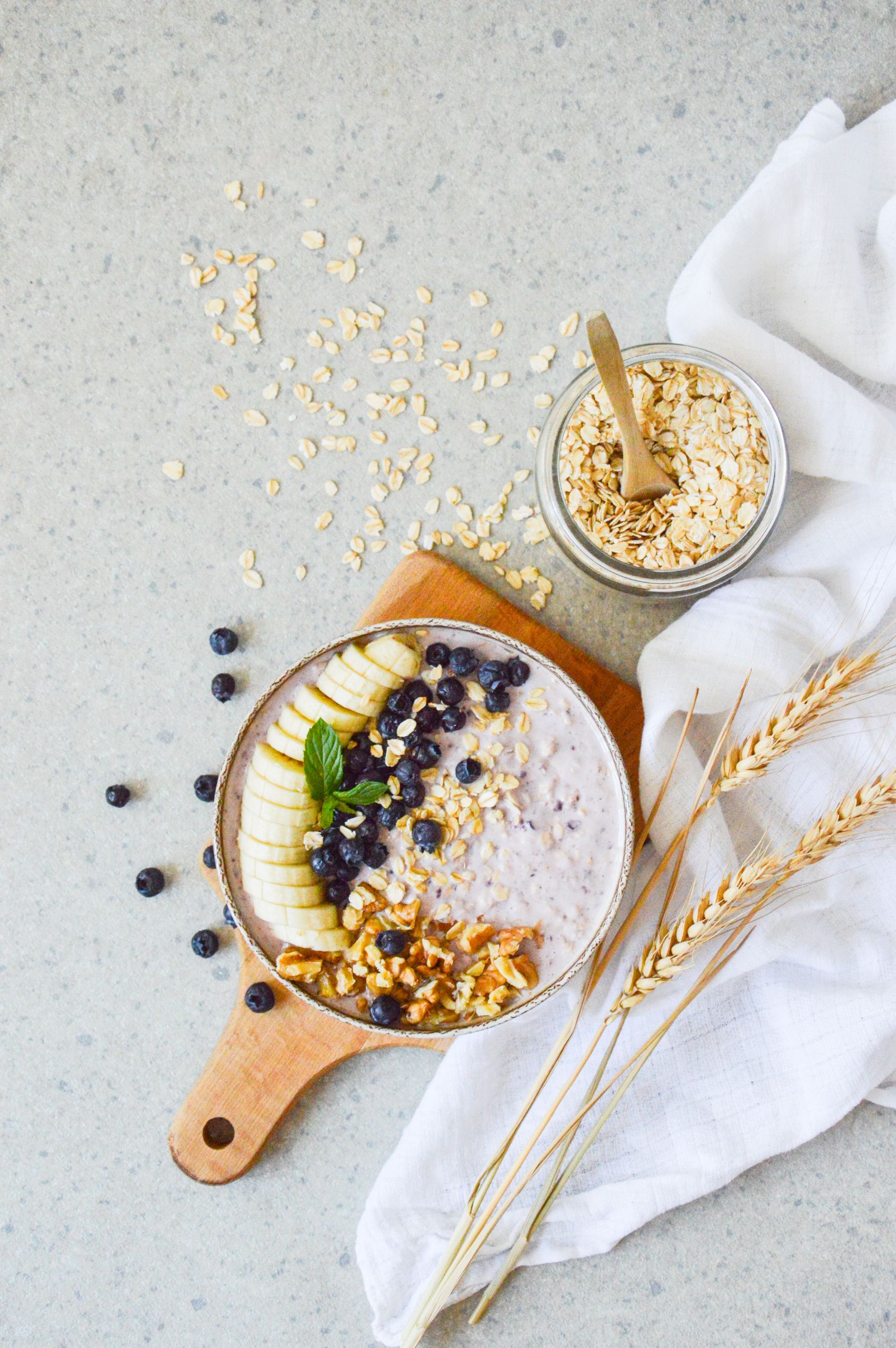
Oats have been a breakfast staple for generations, and for good reason.
They’re simple, filling, and easy to combine with everyday ingredients such as bananas, milk, cinnamon, apples, or peanut butter.
Unlike some specialty health foods, plain oats are commonly sold in large containers that provide multiple servings. That makes them a practical choice for families trying to stretch their grocery budgets.
They’re also whole grains, offering nutrients such as magnesium, phosphorus, zinc, and vitamin B1.
According to the Harvard T.H. Chan School of Public Health, oats contain both soluble and insoluble fiber, making them a valuable addition to a balanced diet.
The Secret Behind Their Gut-Friendly Benefits
What makes oats especially interesting is a type of soluble fiber called beta-glucan.
It might sound complicated, but its job is fairly straightforward.
When beta-glucan mixes with water during digestion, it forms a thick, gel-like substance. This slows the movement of food through parts of the digestive system and influences how quickly certain nutrients are absorbed.
Oats also contain fiber that helps support regular bowel movements.
For anyone struggling to get enough fiber from everyday meals, adding oatmeal to breakfast can be one simple way to increase their intake.
Of course, oats aren’t a magical cure for digestive problems. Their benefits come from the fiber they provide as part of an overall balanced eating pattern.
Your Gut Bacteria May Appreciate Oats, Too
Your digestive system is home to trillions of microorganisms, collectively known as the gut microbiome.
Some of these microorganisms help break down dietary fibers that your body cannot digest on its own.
That’s where oats become particularly useful.
Certain fibers in oats can be fermented by intestinal bacteria, producing compounds called short-chain fatty acids.
These compounds play important roles in the digestive system.
Research published in Nutrition Reviews has also found evidence that oats can positively influence certain measures of gastrointestinal health, although scientists are still investigating their effects on specific gut conditions.
In other words, eating oats may help create a favorable environment for beneficial gut bacteria.
A Simple Way to Support Regular Digestion
Nobody enjoys feeling uncomfortable after eating.
A low-fiber diet can contribute to constipation, and adding fiber-rich foods is often recommended to support regular bowel movements.
Oats can help because their fiber increases the bulk and water content of stool, making it easier to pass.
The American Heart Association reports that one cup of cooked oatmeal provides nearly four grams of dietary fiber.
That might not sound impressive, but it contributes meaningfully to daily fiber needs.
There’s one important catch, though.
If you’re not used to eating much fiber, suddenly adding large amounts of oatmeal may leave you feeling bloated or gassy.
Start with smaller portions, gradually increase your fiber intake, and drink enough fluids to help your digestive system adjust.
Oats Can Help Keep You Feeling Full
Ever eaten breakfast only to find yourself searching for a snack an hour later?
Oats may help with that.
Their soluble fiber slows digestion, which can help you feel satisfied after eating.
A warm bowl of oatmeal topped with fruit and nuts can provide a more substantial breakfast than a small serving of cereal alone.
However, oats are not a guaranteed weight-loss solution. How filling a meal feels depends on portion sizes, toppings, and the rest of your diet.
The real advantage is that oats provide an inexpensive foundation for a satisfying meal without requiring complicated preparation.
Not All Oats Are the Same
Walk down the cereal aisle, and you’ll probably notice several oat varieties.
You’ll find steel-cut oats, old-fashioned rolled oats, quick oats, and instant oatmeal.
The good news is that all these varieties come from the same grain.
Steel-cut oats are chopped into smaller pieces and generally take longer to cook. They have a firmer, chewier texture.
Rolled oats are steamed and flattened, making them convenient for oatmeal, baking, and overnight oats.
Quick oats are processed into thinner pieces, so they cook faster.
Instant oatmeal offers even more convenience, although flavored packets may contain added sugar.
For shoppers watching their budgets, plain rolled oats are a versatile option because they work in numerous recipes.
Easy, Affordable Ways to Enjoy Oats
One of the biggest advantages of oats is how easily you can change their flavor.
You don’t have to eat the same plain bowl every morning.
Try preparing oatmeal with sliced bananas and cinnamon for a naturally sweet breakfast. Apples and a small handful of nuts can add extra texture.
If mornings are hectic, overnight oats offer another convenient option.
Combine rolled oats with milk or another suitable liquid, add your favorite toppings, and refrigerate overnight.
By morning, the oats will have softened into a creamy, ready-to-eat meal.
You can also blend oats into smoothies, use them in homemade pancakes, or add them to muffin recipes.
If sweet breakfasts aren’t your favorite, try savory oatmeal with vegetables and a cooked egg.
No rule says oats must always taste like dessert.
How to Save Money When Buying Oats
Healthy grocery shopping often comes down to choosing ingredients that can be used in several different ways.
Oats fit that description perfectly.
Buying a larger container of plain oats may cost less per serving than purchasing individual flavored packets. Compare unit prices to see which package offers better value.
Store oats in a tightly sealed container in a cool, dry place, following the package’s storage instructions.
Instead of buying expensive premade oatmeal cups, make your own combinations using ingredients you already have.
Frozen berries, leftover fruit, cinnamon, and peanut butter can all make ordinary oatmeal more interesting.
These small changes can help you enjoy variety without constantly purchasing specialty breakfast products.
Are Oats Right for Everyone?
Although oats work well for many people, individual digestive responses can vary.
Some people experience bloating when they increase their fiber intake too quickly.
Those with celiac disease should also choose oats specifically labeled gluten-free, since regular oats can become contaminated with wheat, barley, or rye during growing or processing.
And anyone dealing with persistent digestive symptoms should seek personalized medical advice rather than relying on one food to solve the problem.
The goal isn’t to eat as many oats as possible. It’s to include them as one part of a varied diet.
The Bottom Line
You don’t need an expensive grocery haul to make meaningful improvements to your everyday meals.
Oats offer a practical combination of affordability, convenience, and fiber that supports digestive health.
They can help promote bowel regularity, contribute to feelings of fullness, and provide fiber that interacts with beneficial gut bacteria.
Plus, they’re easy to prepare, simple to customize, and useful far beyond breakfast.
So, the next time you’re walking through the grocery store wondering which healthy foods are actually worth buying, don’t overlook the humble container of oats.
Sometimes, one of the smartest additions to your shopping cart is also one of the simplest.