A younger adult walks into a parent’s house and sees a world that still runs on paper, cords, buttons, stamps, and routines that refuse to die quietly. There may be a landline near the kitchen, a stack of mail by the door, a cable remote on the arm of the couch, and a checkbook tucked into a drawer, like it still holds the household together. To boomers, none of this feels strange. It feels dependable.
Modern life has other plans. It wants everything faster, smaller, password-protected, subscription-based, app-connected, and ready to update before breakfast. The things boomers still love are being pushed out, not always because they failed, but because the world stopped leaving room for them. That can feel efficient to younger people and quietly insulting to older ones.
This is where generational tension gets emotional. Boomers often see these habits as practical, familiar, and respectful of how life used to work. Younger generations may see clutter, extra bills, outdated systems, and slow steps that create more work. Both sides are reacting to the same thing: a home where the old way and the new way keep bumping into each other.
The sad part is that some of these fading things carried real value. They gave people privacy, patience, physical memories, local connection, and a sense that daily life did not need a login. Modern life may be more convenient, but it also tends to push out anything that asks people to slow down.
Landline Phones That Made a House Feel Reachable

For many boomers, a landline was more than a phone. It was the house number, the family line, the emergency contact, and the sound that made everyone pause when it rang. A call came into the home itself, not just one person’s pocket. That gave communication a different kind of weight.
Younger people often see landlines as extra bills attached to robocalls and nostalgia. The shift is clear: more adults now live in wireless-only households, leaving landlines behind almost entirely. Still, for boomers, losing the house phone can feel like losing one more piece of a home’s old rhythm. A smartphone may be smarter, but it does not carry the same family memory.
Paper Checks That Made Money Feel Real
Boomers often still trust checks because they make money feel visible. Writing the date, filling in the amount, signing the line, and recording the payment can feel more controlled than tapping a screen. A checkbook also gives some people a sense of order, especially after years of balancing accounts by hand. It turns payment into a deliberate act.
Modern life is moving away from that slow ritual. Federal payment data shows that checks have declined as digital and card payments have become more dominant. Younger people may see checks as risky, slow, and easy to lose. Boomers may see digital payments as too invisible for comfort.
Cable TV That Still Feels Like Real Television
For boomers, cable TV often feels like the proper way to watch television. The channels are familiar, the guide makes sense, local news is easy to find, and sports or old movies are only a button away. Streaming can feel scattered across too many apps, passwords, subscriptions, and devices. Cable may be expensive, but it feels predictable.
Younger people see the cable box as a relic from a world before choice exploded. Reports on traditional pay TV show how subscribers have been falling as viewers shift toward streaming. The irony is that streaming now frustrates many people, too, with rising prices and endless platform hopping. Cable may be fading, but the simplicity boomers loved is something modern life has not fully replaced.
Printed Newspapers That Started the Morning Slowly
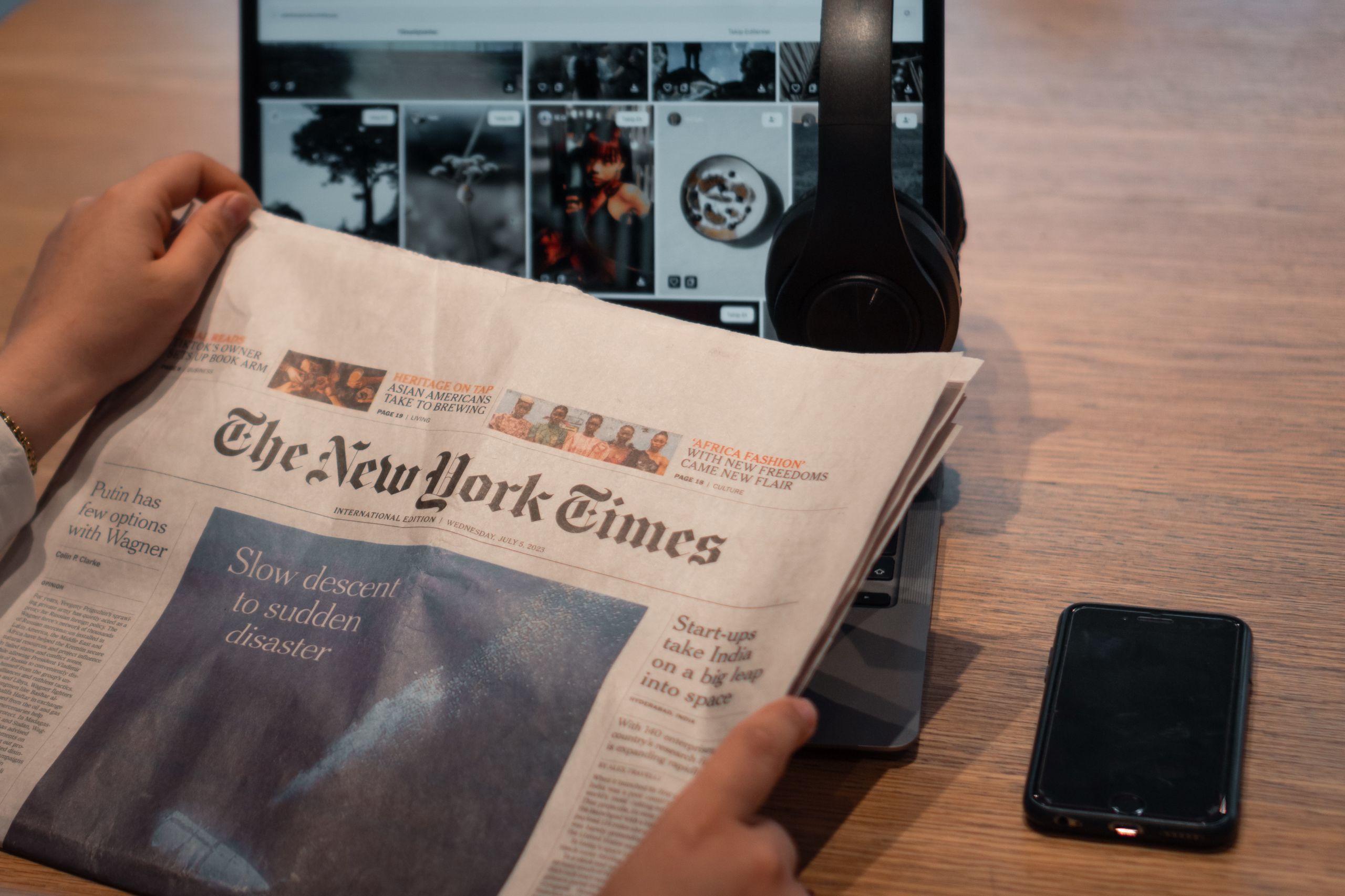
A printed newspaper gave the day a physical beginning. Boomers could sit with a cup of coffee, unfold the pages, scan headlines, read the local section, clip a coupon, and feel connected to the wider world without scrolling. The paper carried neighborhood news, obituaries, sports scores, letters, ads, and small-town details that made a community feel visible. It was information with ink on its hands.
Modern news moves faster, but it often feels more scattered and less grounded. Many local newspapers have struggled as the country shifted toward digital news and advertising, and they have been hit hard by the transition. Younger people may prefer alerts and feeds, but boomers remember a time when news had a front page and an ending. Online updates are convenient, but they rarely feel as settled as a paper at the breakfast table.
Handwritten Cards That Took Real Effort
Boomers often still value birthday cards, thank-you notes, sympathy cards, postcards, and handwritten letters. A card says someone paused, chose the paper, found a stamp, wrote the message, and sent it through the mail. That kind of effort feels different from a text with emojis or a social media comment under a birthday post. The delay itself becomes part of the care.
Modern life has made that effort feel optional, and sometimes inconvenient. Mail volume continues to face pressure as digital communication replaces many letters and everyday correspondence, even as package delivery grows through changing first-class mail patterns. Younger people may not mean to be careless when they skip cards. They simply live in a world where affection is often instant, brief, and easy to forget.
Repairing Things Instead of Replacing Them
Many boomers grew up believing that broken did not always mean finished. A lamp could be rewired, shoes could be resoled, pants could be hemmed, furniture could be refinished, and a toaster might deserve one more chance. Repairing things was not only about money. It was about respect for what someone already owned.
Modern life often pushes people toward replacement. Devices are sealed, parts are hard to find, warranties are confusing, and cheap new products can make repair feel pointless. Younger people may see replacement as practical because time is short and labor is expensive. Boomers often see the same habit as wasteful and slightly sad.
Printed Photos That Lived in Albums and Frames
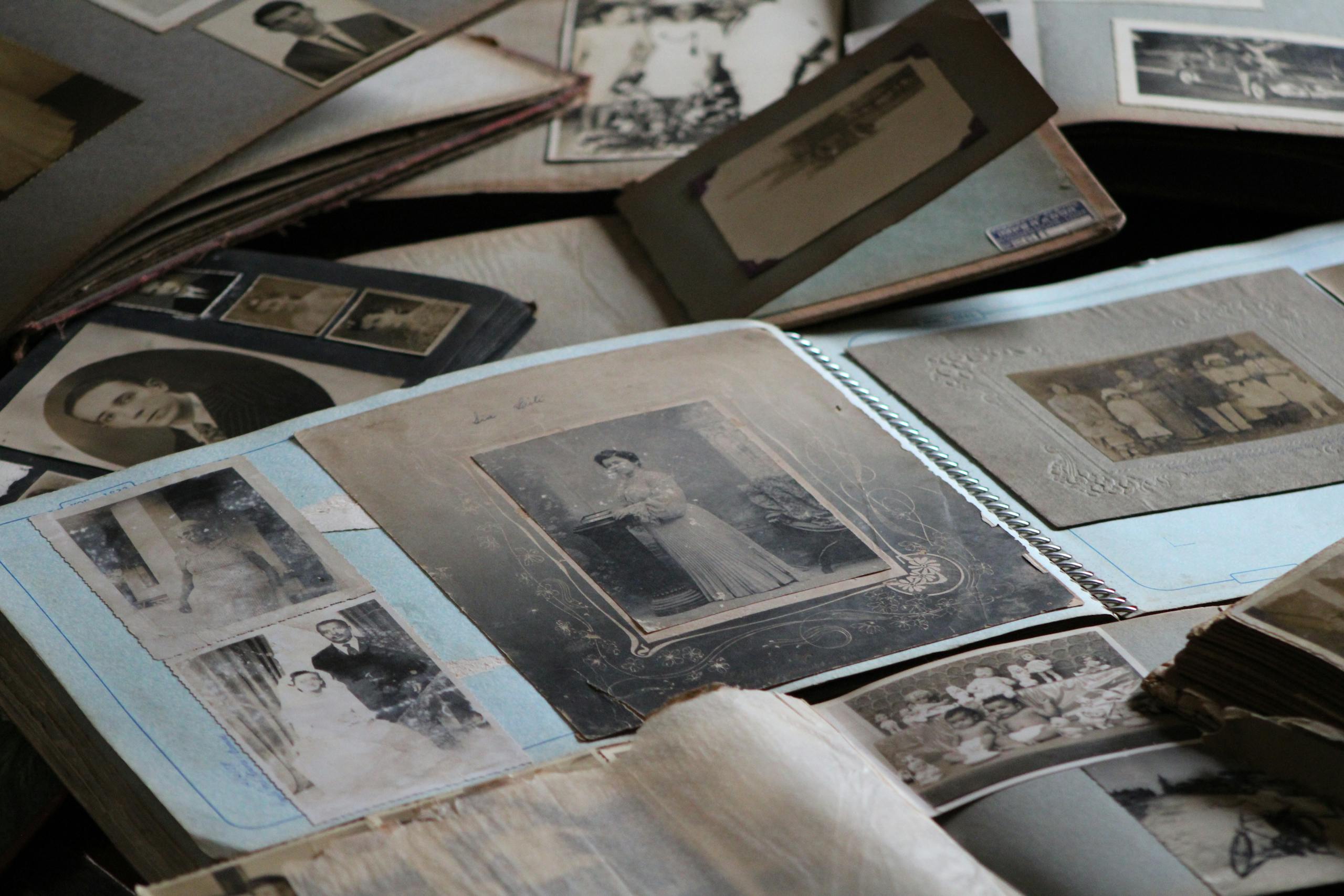
Boomers often love printed photos because they make memories feel solid. A shoebox of pictures, a photo album, or a framed family portrait can survive dead batteries, old phones, forgotten passwords, and lost accounts. People could pass a picture across a table, write names on the back, and revisit a whole year without opening an app. The photo belonged to the house.
Modern life stores memories in clouds, feeds, chats, and camera rolls with thousands of images nobody prints. Younger people take more photos than any generation before them, but many of those images end up in digital clutter. Boomers may not understand why so many memories stay trapped on screens. A printed photo could fade, but at least someone could hold it.
Formal Dining Rooms No One Uses Anymore
Boomers often still love the idea of a formal dining room, even if it only wakes up for holidays. It represents hosting, manners, family meals, good dishes, and a home ready for special occasions. The room may sit most of the year quietly, but it carries pride. It says the family once believed gathering deserved its own space.
Modern homes are less patient with rooms that do only one thing. Younger homeowners and renters often want open layouts, home offices, play areas, workout corners, or flexible spaces that work every day. A formal dining room can feel like wasted square footage when housing costs are high. Boomers may see elegance, while younger people see a museum for meals that rarely happen.
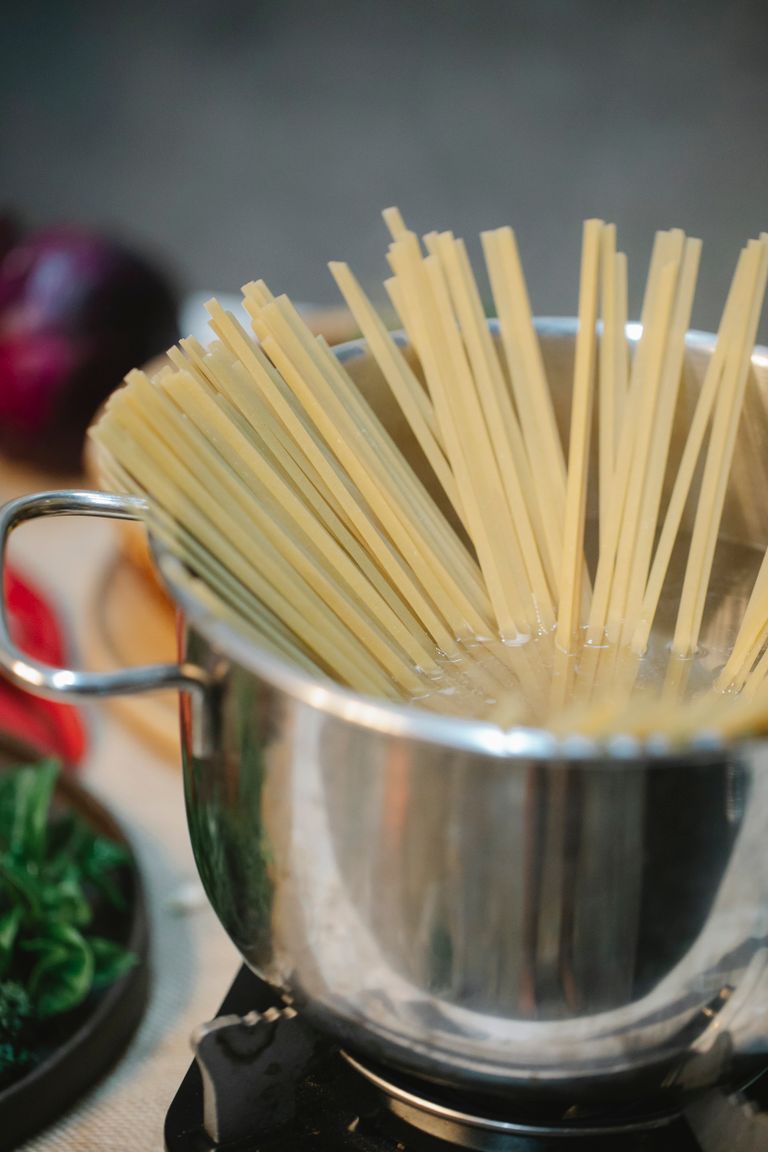
Home Cooking From Scratch as a Daily Habit
Many boomers still value cooking from scratch because it feels like care, thrift, and competence. A pot of soup, a Sunday roast, biscuits, casseroles, pies, or a freezer full of prepared meals can make a house feel stable. Food was not always fancy, but it was often planned to stretch ingredients and feed everyone at the table. The kitchen carried authority.
Modern life has made daily cooking harder for many families. Work hours, commutes, delivery apps, grocery prices, and exhaustion all push people toward convenience. Research on home cooking trends shows how time spent cooking has shifted across groups over the years, even as food choices have become more complicated. Younger people may still love homemade meals, but many do not have the time, training, or energy that older family kitchens once assumed.
Sitting With One Thing at a Time
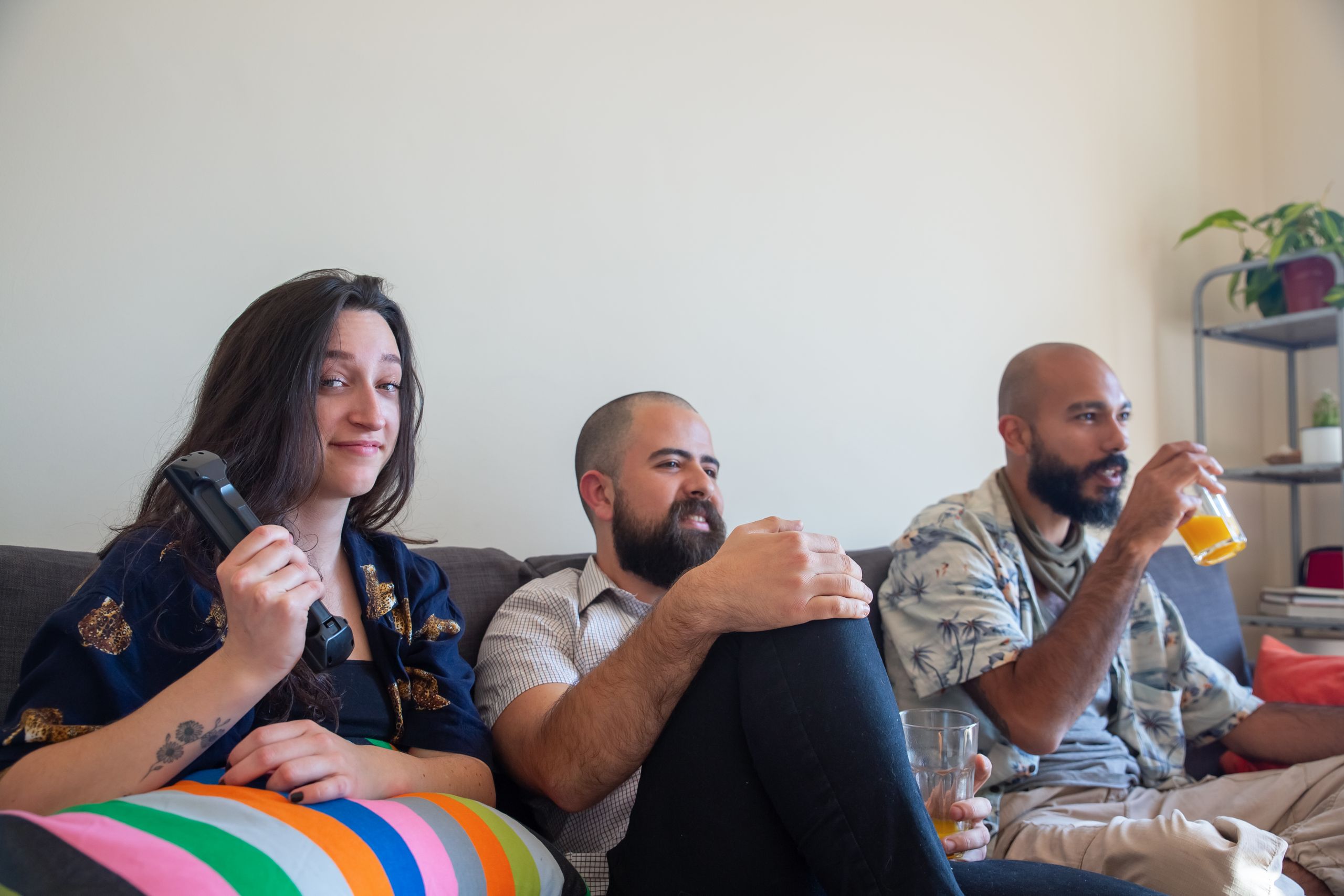
One thing boomers still love is the slower rhythm of doing one thing without turning it into background noise. They might sit with a newspaper, watch a full show, call one person, work on a puzzle, water the plants, or eat dinner without checking five screens. That pace can feel almost strange now. Modern life rewards multitasking, constant alerts, and the feeling that attention should always be split.
Younger people are not wrong for adapting to the world they inherited. Many jobs, schools, bills, friendships, and family responsibilities now run through devices. Still, boomers may sense that something human gets lost when every quiet moment is filled. Modern life is pushing out boredom, patience, and uninterrupted attention, and not everyone is better for it.
Conclusion
The things boomers still love are not all perfect, practical, or worth saving forever. Landlines can be expensive, checks can be slow, cable can cost too much, and paper clutter can take over a house. Some old habits deserve to fade, as modern life has found better ways to solve the same problems. Change is not always an enemy.
Still, it is too easy to laugh at these fading things without asking what they gave people. They offered routine, tangibility, privacy, patience, local connection, and a sense that life did not have to be managed through a screen. For many boomers, these are not just outdated habits. They are pieces of a world that felt more understandable.
Modern life may keep pushing them out, but the loss is not only about objects. It is about how people remember, communicate, pay, watch, cook, repair, and slow down. Which of these fading boomer favorites would you actually miss if it disappeared for good?