A bag of dried beans might seem like one of the safest items in your pantry, but a recent recall is giving shoppers a reason to check their groceries more carefully. Natural Grocers has recalled certain bags of its organic mung beans after customers reported finding sharp glass fragments in the product. Although no illnesses or injuries had been reported as of the announcement, the potential danger is serious enough that customers are being told to stop using the affected beans immediately.
Vitamin Cottage Natural Food Markets, Inc., the company behind Natural Grocers, announced the recall on October 22, 2026. The affected products were distributed to stores across multiple states, so customers who regularly buy the retailer’s packaged foods should check their pantry supplies.
Which Mung Beans Are Included in the Recall?
Before throwing away your groceries, check the package details to see whether your beans are affected.
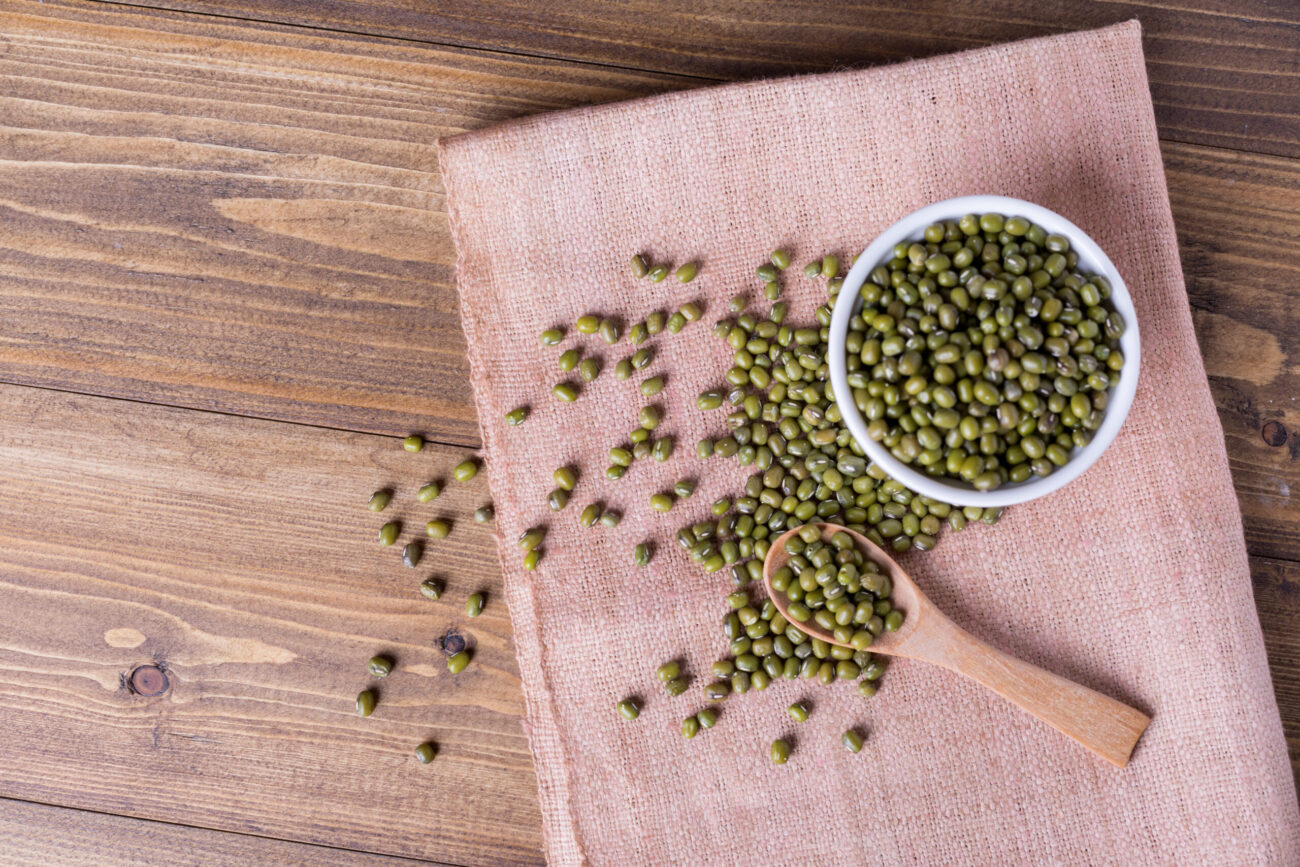
The recall covers Natural Grocers Brand Bulk Organic Mung Beans sold in clear plastic bags weighing two pounds. Look for UPC 000080112600 and one of five pack dates: 26-160, 26-173, 26-196, 26-224, or 26-258. The pack date appears in the lower-left corner of the label.
These codes matter because the recall applies to specific lots, not every mung bean product the retailer sells. If you still have the original packaging, compare the information carefully with the official FDA recall announcement.
Where Were the Recalled Beans Sold?
Shoppers in 22 states could have purchased the affected product.
According to the company’s announcement, the recalled lots may have reached Natural Grocers stores in Arkansas, Arizona, Colorado, Iowa, Idaho, Kansas, Louisiana, Minnesota, Missouri, Montana, North Dakota, Nebraska, New Mexico, Nevada, Oklahoma, Oregon, South Dakota, Texas, Utah, Washington, Wisconsin, and Wyoming.
Shipments began on June 10, 2026, so customers should not assume only recently purchased bags are affected. Checking products already stored in cupboards is particularly important because dried beans can remain in a pantry for months before being prepared.
Why Is Glass Contamination Dangerous?
Even a tiny fragment of glass can turn an ordinary meal into a medical emergency.
The company initiated the recall after customers reported sharp glass fragments in the beans. Swallowing glass can damage teeth, cut the mouth or throat, and potentially perforate the intestine. No illnesses or injuries had been reported when the recall was announced.
Unlike spoilage, foreign-material contamination may not produce an unusual smell, taste, or appearance. Washing or sorting beans at home is therefore not a reliable way to make a recalled product safe. Customers should avoid tasting or cooking the affected beans to see whether they appear normal.
Related: 8 Dangerous Myths About Cooking and Food Safety
What Should Customers Do With the Recalled Beans?
If your package matches the recall details, don’t risk it.
Natural Grocers advises customers to stop using the affected beans immediately. Shoppers can discard the product or return it for a full refund or credit. Anyone with questions can contact the company at 303-226-1434, Monday through Friday, 8 a.m. to 5 p.m. Mountain Time, or email [email protected].
If you suspect you swallowed glass, seek prompt medical advice, especially if you develop pain, difficulty swallowing, vomiting, or other concerning symptoms. Severe symptoms warrant emergency medical attention.
A Pantry Check Worth Making
This recall reminds us that even familiar staples deserve attention when a safety alert appears.
Mung beans are commonly used in soups, curries, salads, and other dishes, making them a useful ingredient for many households. However, organic labeling does not guarantee that a product is free from physical contamination, and careful storage cannot eliminate a hazard that may already be inside the package.
Checking product codes, following recall instructions, and monitoring official food safety announcements can help protect everyone at the dinner table.
Have you ever discovered that a product in your pantry had been recalled, and did you find out through a store notice, a news report, or an official safety alert?