A garage can feel like the perfect place to hide life’s clutter, until heat, moisture, pests, and fire risks turn that extra space into a quiet disaster zone. Many homeowners use the garage as a backup pantry, tool shed, camping closet, and overflow storage room all at once, but not everything belongs beside the car.
Some items lose value in a garage. Others become unsafe. A few can create expensive messes that are far harder to fix than they are to prevent. Here are the common household items we should keep out of the garage before they cause damage, waste money, or invite trouble.
Oily Rags Can Become a Fire Hazard
Oil-soaked rags are among the most dangerous items to leave in a garage. Rags used with wood stain, paint thinner, motor oil, linseed oil, or other flammable liquids can heat up as the oil oxidizes. In the wrong conditions, that trapped heat can build until the fabric catches fire without a spark.
The safest move is to dry oily rags flat outdoors, away from buildings, then dispose of them according to local waste rules. If they must be held temporarily, they should go in a sealed metal container filled with water. A pile of oily cloth in a corner may look harmless, but it can turn a garage into a fire scene fast.
Pet Food Attracts Rodents and Insects
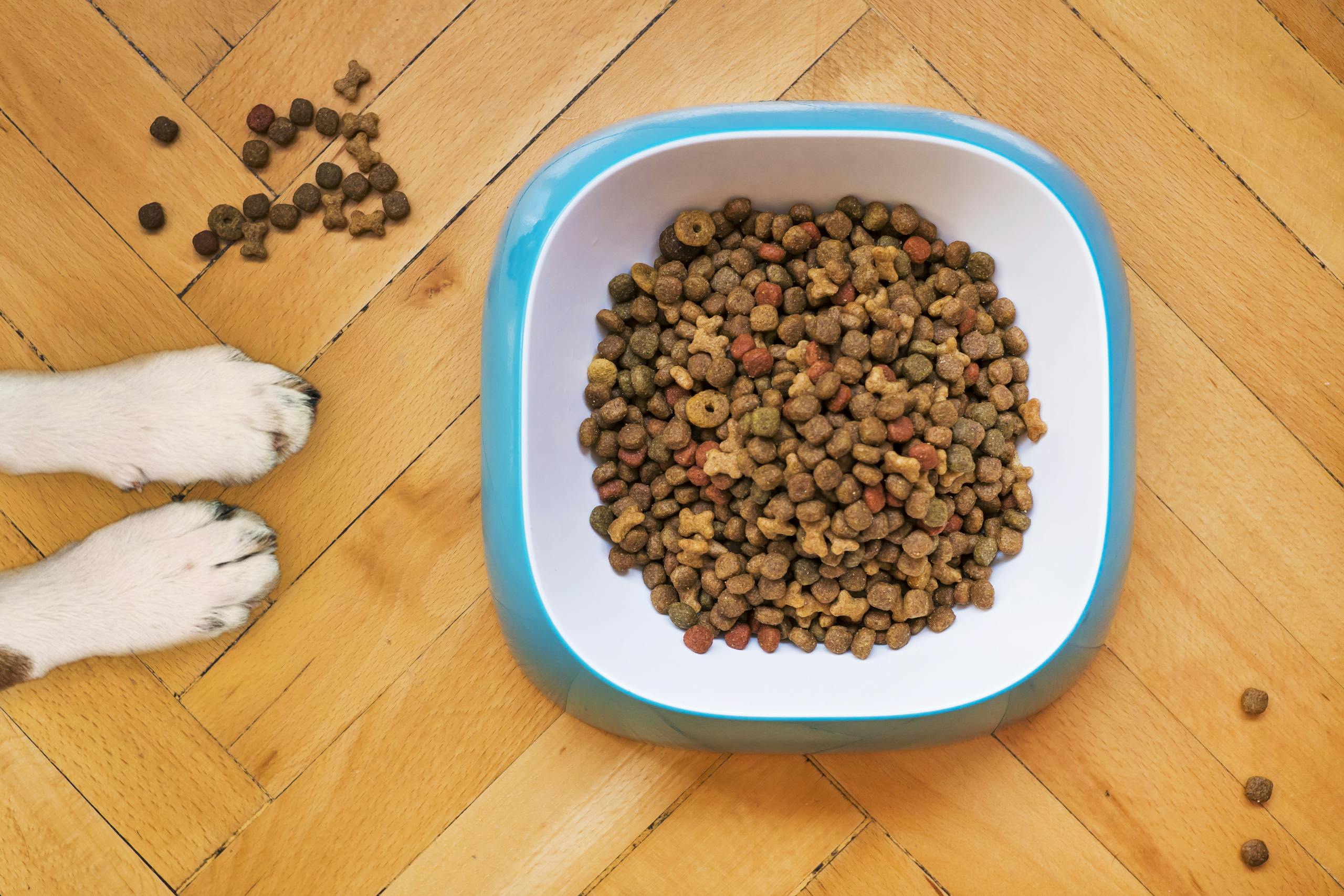
Pet food smells like dinner to mice, rats, ants, roaches, and other pests. Paper bags and cardboard boxes are easy for rodents to chew through, especially in a garage where small openings around doors and walls give pests a way in. Once they find a reliable food source, they rarely leave quietly.
Store pet food indoors when possible. If garage storage is the only option, use a heavy plastic or metal container with a tight locking lid. Keeping the bag folded over is not enough. One careless storage habit can turn into droppings, chewed packaging, damaged insulation, and a pest problem that spreads into the house.
Sleeping Bags and Camping Gear Can Grow Mold
Sleeping bags, tents, blankets, and camping pads do not fare well in damp garage air. Fabric absorbs moisture, especially during humid months or rainy seasons. Once mildew settles into soft materials, the smell can be stubborn, and the fabric may never feel clean again.
Rodents also love soft camping gear because it makes perfect nesting material. A sleeping bag that looked neatly packed away in October can come out in spring with holes, stains, or a musty odor. Store fabric camping gear inside the house, in a dry closet, or in airtight storage bins placed in a climate-controlled area.
Old Computers and Electronics Can Fail
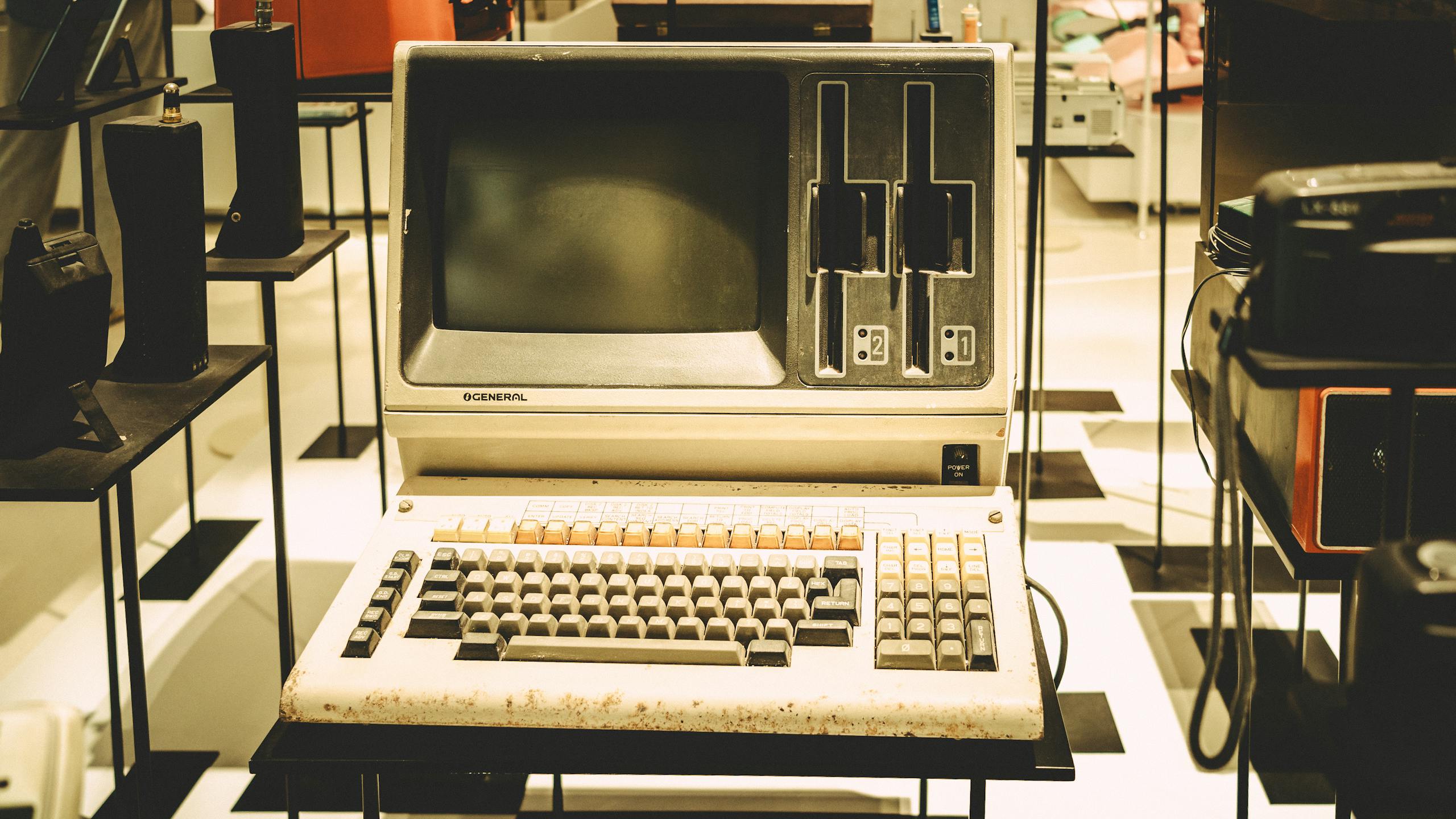
Garages are rough on electronics. Heat can weaken internal parts, cold can affect batteries, and humidity can corrode metal components. Dust also settles into vents, ports, and fans, making old computers, monitors, printers, and gaming systems more likely to fail when someone finally plugs them back in.
If an electronic item matters, keep it indoors. If it no longer matters, recycle it properly instead of letting it decay in the garage. Old devices may also contain personal data, so wipe hard drives and storage cards before disposal. A garage is storage space, not a safe retirement home for electronics.
Important Documents Can Be Ruined by Moisture
Birth certificates, passports, tax records, medical files, insurance papers, property documents, and family photos should never live in a garage. Paper curls, fades, sticks together, and grows mold when exposed to moisture. Ink can bleed, staples can rust, and folders can become brittle.
These documents are often difficult, expensive, or stressful to replace. Store them indoors in a fire-resistant document box or a locked filing cabinet. Digital backups can also help, but originals still need protection. A garage may feel private, but it is rarely dry, stable, or secure enough for irreplaceable paperwork.
Wine Can Lose Flavor and Quality

Wine is sensitive to temperature swings. A garage that gets hot during the day and cool at night can damage flavor, weaken corks, and speed up aging in the wrong way. Heat is especially harsh because it can make wine taste flat, cooked, or sour.
Humidity also matters. Too much can damage labels and encourage mold, while too little can dry corks and let air into the bottle. Wine should be stored in a cool, dark, steady place. A wine rack, interior cabinet, basement, or wine fridge is far better than a garage shelf.
Canned Food Can Spoil or Burst
Canned goods may look tough, but they are not built for extreme garage conditions. High heat can affect food quality, shorten shelf life, and increase the risk of spoilage. Freezing temperatures can cause liquids inside cans to expand, pushing seams out of shape or causing leaks.
A damaged can is not worth the risk. Bulging, rusted, leaking, or deeply dented cans should be discarded safely. Pantry items belong in a clean, dry, temperature-stable space. The garage may seem convenient for bulk shopping, but saving a few cabinet shelves is not worth ruining food.
Pressure Washers Can Freeze and Crack
Pressure washers often hold leftover water in pumps, hoses, and internal lines. In cold weather, that water can freeze, expand, and crack parts inside the machine. The damage may not show until the next time the washer refuses to work.
Before storing a pressure washer, drain it completely and follow the manufacturer’s winterization instructions. In freezing climates, garage storage is only safe if the machine is properly prepared. A pressure washer is too useful and too expensive to lose over trapped water.
Lithium-ion batteries can overheat or degrade.

Rechargeable batteries power tools, vacuums, lawn equipment, bikes, speakers, and many everyday devices. Extreme heat can shorten battery life and increase safety risks. Extreme cold can reduce performance and damage cells over time.
Lithium-ion batteries should be stored in a cool, dry indoor area away from direct sunlight and flammable materials. Do not leave them on chargers for months in a hot garage. Treat them like valuable equipment, because replacing modern batteries can be surprisingly expensive.
Musical Instruments Can Warp, Crack, or Lose Their Sound
Guitars, violins, keyboards, brass instruments, drums, and woodwind instruments do not belong in a garage. Wood expands and contracts with humidity, strings lose tension, adhesives weaken, and finishes can crack. Even cases cannot fully protect instruments from long exposure to rough conditions.
Musical instruments often carry both emotional and financial value. A guitar handed down from a parent or a keyboard used for years deserves better than a damp corner near paint cans and lawn tools. Store instruments indoors where temperature and humidity stay stable.
Conclusion
A garage can solve storage problems, but it can also pose hidden risks when the wrong items are stored there. Oily rags can start fires, pet food can invite rodents, documents can be destroyed, wine can spoil, and batteries can fail long before their time.
The smartest homeowners treat the garage as a rugged storage zone, not a catchall closet. Before placing anything on a garage shelf, we should ask one question: Will heat, moisture, pests, or freezing temperatures damage this? If the answer is yes, that item belongs somewhere safer.