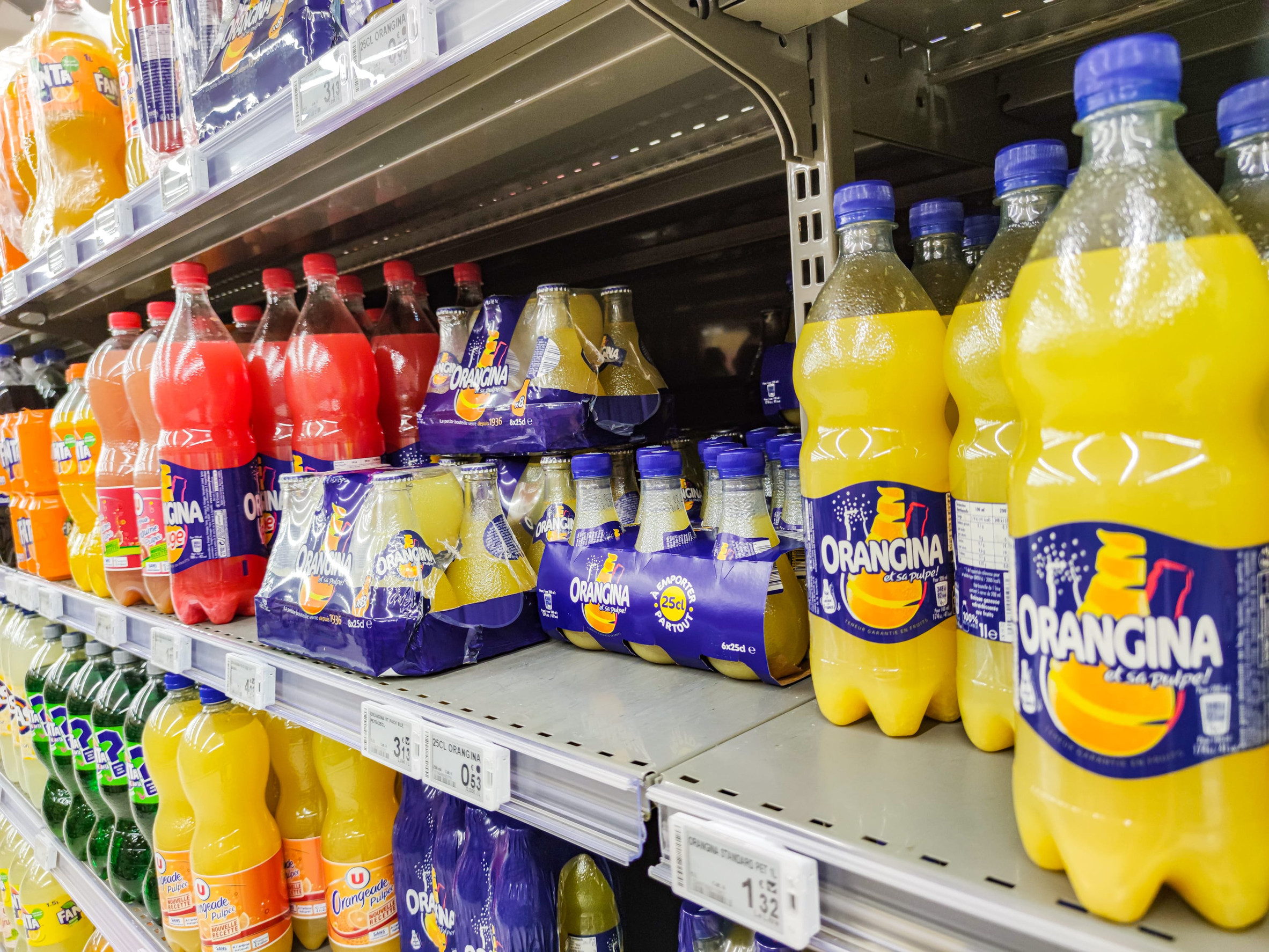
Millions of Americans rely on SNAP benefits to pay for groceries, but what they can buy with those benefits is starting to look different depending on where they live. Across the country, states are introducing restrictions on products such as soda, candy, energy drinks, and certain packaged desserts.
As of November 11, 2026, 18 states have received federal approval for SNAP food restrictions that have not been vacated by a court. However, not all 18 have started enforcing their new rules. Twelve states have already reached their implementation dates, while six have approved restrictions scheduled to begin in 2027 or 2028.
Another important distinction: five states previously received approval, but a federal court overturned those approvals. So, although headlines may suggest that more states have banned soda and candy, the current picture is more complicated.
Here is the state-by-state breakdown.
The 12 States Where SNAP Restrictions Are Already in Effect
These states have reached their current implementation dates, meaning SNAP recipients face restrictions on certain purchases when using their benefits.
Arkansas began enforcing its restrictions on July 1, 2026. The rules cover soda, candy, certain fruit and vegetable drinks containing less than 50% juice, energy drinks, and other specified beverages.
Florida introduced its restrictions on April 20, 2026. Its rules cover soda, energy drinks, candy, and certain shelf-stable packaged desserts. Interestingly, Florida specifically includes some diet and zero-sugar sodas, along with products such as chocolate bars, gummies, and packaged cookies.
Idaho started its restrictions on February 15, 2026. Under the state’s approved rules, SNAP benefits can no longer be used for soda and candy. Examples include chocolate, gummies, and other sweets.
Indiana implemented its restrictions on January 1, 2026. The state limits SNAP purchases of soft drinks and candy. Its definition of soft drinks includes nonalcoholic beverages containing natural or artificial sweeteners, with certain exceptions.
Louisiana began enforcing the rule on February 18, 2026. Its restrictions cover soft drinks, energy drinks, and candy, including gum and mints. However, the state has some unusual exceptions. Drinks made with cane sugar and certain natural sweeteners are excluded from its soft-drink definition.
Montana introduced its restrictions on November 1, 2026. The rules cover candy, high-sugar beverages, energy drinks, and shelf-stable prepared desserts. Certain zero-sugar drinks, protein bars, and qualifying fruit-based snacks remain eligible.
North Dakota also reached its implementation date on November 1, 2026. Its approved restrictions cover sweetened beverages, energy drinks, and candy. However, some of the state’s public guidance contains conflicting information about specific product categories, so shoppers should check the latest official guidance.
Oklahoma began enforcing its restrictions on February 15, 2026. The rules cover soft drinks and candy. Its definitions include certain energy drinks, sweetened teas, lemonade, gummies, and chocolate bars.
South Carolina implemented its restrictions on November 1, 2026. SNAP benefits cannot be used for candy, energy drinks, soft drinks, and other specified sweetened beverages. The state’s guidance permits diet and zero-sugar soft drinks.
Texas started its restrictions on April 1, 2026. The state restricts candy, gum, certain coated fruits and nuts, and water-based sweetened drinks containing at least five grams of added sugar or artificial sweeteners.
Utah began its restrictions on January 1, 2026. Unlike several other states, Utah’s approved waiver focuses on soft drinks. Candy is not included in its current restriction.
Virginia’s implementation date is November 1, 2026. The state restricts regular soda, diet soda, zero-sugar soda, carbonated energy drinks, and other qualifying carbonated sweetened beverages. However, noncarbonated energy drinks, lemonade, juice, iced tea, and milk alternatives remain eligible.
Six More States Have Approved Restrictions for 2027 and 2028
Not every state with federal approval has started enforcing its restrictions. Six additional states have approved policies scheduled to take effect in the coming years.
Here is when their rules are expected to begin:
- Wyoming: February 1, 2027. The restriction covers sweetened, carbonated beverages. Candy is not included.
- Kansas: February 15, 2027. The state will restrict candy and soft drinks. Its definition of candy includes a flour exception, meaning some products that look like candy may not fall under the restriction.
- Missouri: February 15, 2027. Its rules cover candy, certain prepared desserts, and specified unhealthy beverages.
- Hawaii: April 1, 2027. The approved restriction covers soft drinks under the state’s definition.
- Ohio: April 1, 2027. The state will restrict sugar-sweetened beverages and all fountain drinks. Takeout fountain drinks will become ineligible, while fountain drinks consumed on the premises were already excluded under existing SNAP rules.
- Nevada: February 1, 2028. The approved restrictions cover candy and sugar-sweetened beverages, although the state’s definitions include several exceptions.
These dates matter because federal approval does not automatically mean a restriction is already active. For example, someone using SNAP benefits in Ohio in November 2026 should not be treated as though the state’s new restriction has already begun.
Five States Had Their Previous Approvals Overturned
The number of states with approved restrictions would be higher if five earlier approvals had not been vacated by a federal court.
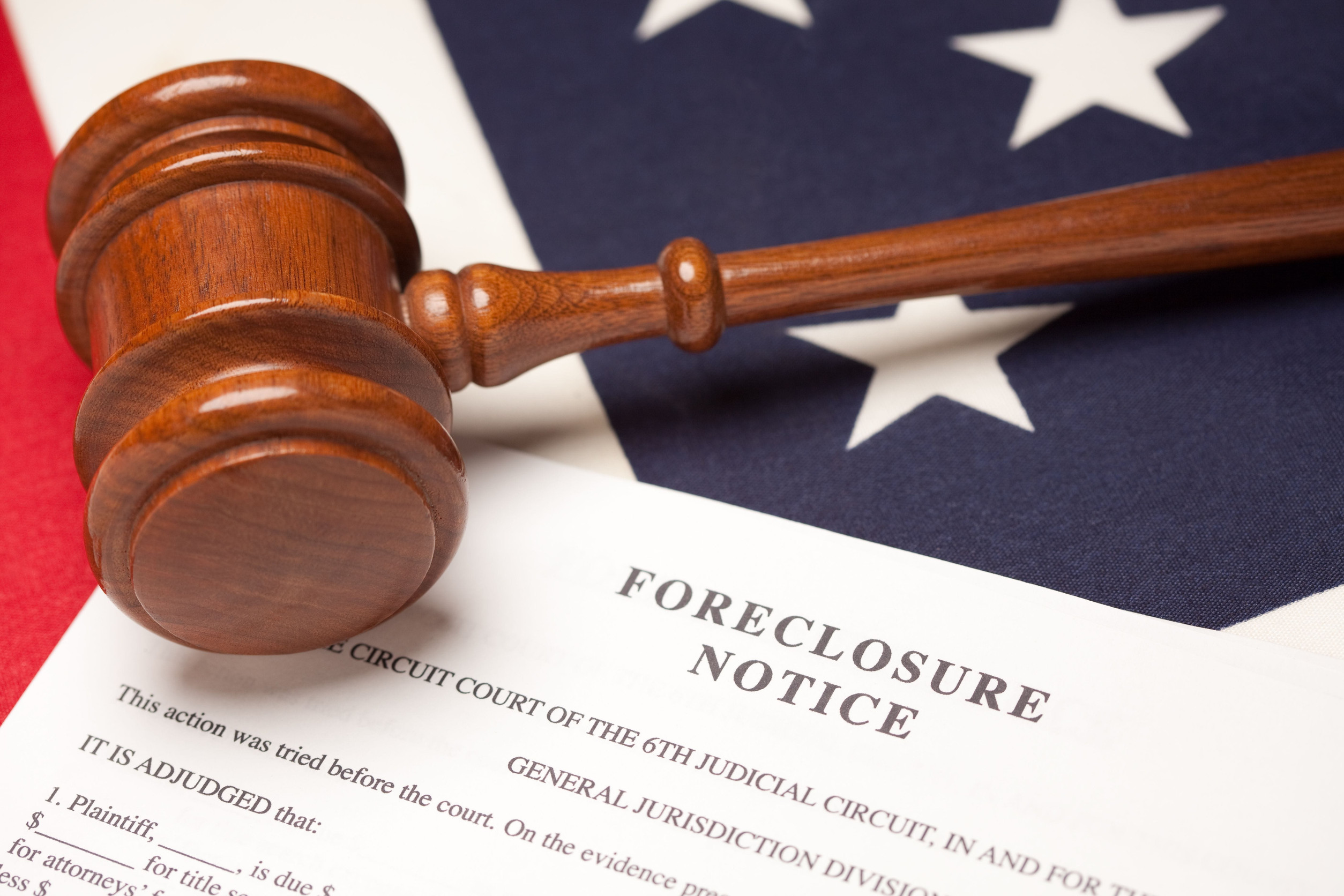
On June 22, 2026, the U.S. District Court for the District of Columbia vacated the approvals for Colorado, Iowa, Nebraska, Tennessee, and West Virginia in the case Aragon et al. v. Rollins et al.
The decision meant those states could not proceed with the restrictions under the overturned approvals.
Colorado had planned to restrict soft drinks, while Iowa’s proposal covered certain taxable food items. Nebraska’s original approval included soda, soft drinks, and energy drinks. Tennessee’s proposal covered processed foods and beverages, including soda, candy, and energy drinks. West Virginia’s original restriction focused on soda.
Nebraska has since submitted a replacement application, but it remains pending. Therefore, it should not be counted as having a currently approved restriction.
Three States Have Submitted Applications Without Confirmed Approval
Some states are still waiting for federal authorization.
Mississippi submitted a request involving certain processed foods and beverages based on their ingredients. The proposal would target products listing ingredients such as sugar, cane sugar, corn syrup, or high-fructose corn syrup among the first ingredients.
Nebraska submitted a replacement application in September 2026. It proposes restricting soda, soft drinks, and energy drinks from December 1, 2026, with candy added from March 1, 2027. Both phases remain conditional on federal approval.
South Dakota submitted an application in August 2026 seeking restrictions on soft drinks. Its proposal would apply statewide and begin within six months of federal approval.
Wisconsin has also enacted legislation requiring the state to seek a waiver restricting candy and soft drinks. However, that requirement does not mean the federal government has approved the proposed restrictions.
SNAP Restrictions Do Not Mean Americans Cannot Buy These Products
One important detail is easy to misunderstand: these policies do not make soda, candy, or other restricted products illegal to purchase.
They change what eligible households can buy with SNAP benefits. Someone living in a state with restrictions can still purchase a restricted product using cash, a debit card, or another payment method.
The restrictions also differ considerably from state to state. Florida and Virginia restrict certain diet sodas, while South Carolina permits diet and zero-sugar soft drinks. Louisiana excludes certain cane-sugar beverages, and Utah’s approved restriction does not include candy.
This means shoppers cannot assume that a product restricted in one state will automatically be restricted in another.
The Debate Over SNAP Food Restrictions Continues
Supporters argue that SNAP should encourage purchases that contribute to healthier meals rather than subsidizing products they consider low in nutritional value. Several state officials have connected the policies to efforts to address diet-related health concerns.
However, the restrictions have also attracted criticism. Organizations such as the Food Research & Action Center and the Center on Budget and Policy Priorities have raised concerns about personal choice, stigma, and the practical difficulties of implementing different purchasing rules across states.
Retailers also face additional work because product definitions, checkout systems, and eligible-item lists vary. An industry-commissioned analysis estimated initial retailer compliance costs of approximately $1.6 billion and annual costs of $759.1 million. These are projections, not confirmed nationwide expenses.
The long-term effects on household purchasing habits and overall diets also remain uncertain. The federal government describes the policies as demonstration projects that require evaluation, rather than interventions whose success has already been established.
What to Expect Heading Into 2027
The SNAP purchasing landscape is likely to change again as more approved restrictions reach their implementation dates.
By April 1, 2027, the number of states with active approved restrictions could rise from 12 to 17, assuming the five scheduled launches proceed without further changes.
For now, the most accurate picture is 18 states with current, unvacated federal approvals, 12 with restrictions already in effect, and six preparing for future implementation. Nebraska, Mississippi, and South Dakota remain separate pending cases, while five earlier approvals have been overturned.
For SNAP recipients, the takeaway is simple: check your state’s official purchasing guidelines before shopping, because the rules aren’t the same everywhere.