President Donald Trump renewed his criticism of NATO allies on Friday, accusing European governments of relying too heavily on U.S. military power days before alliance leaders meet in Ankara, Turkey.
The comments came ahead of the July 7 and 8 summit, where NATO leaders are expected to discuss defense spending, Ukraine, Russia, Iran and the future of U.S. commitments in Europe.
Trump Targets NATO Spending
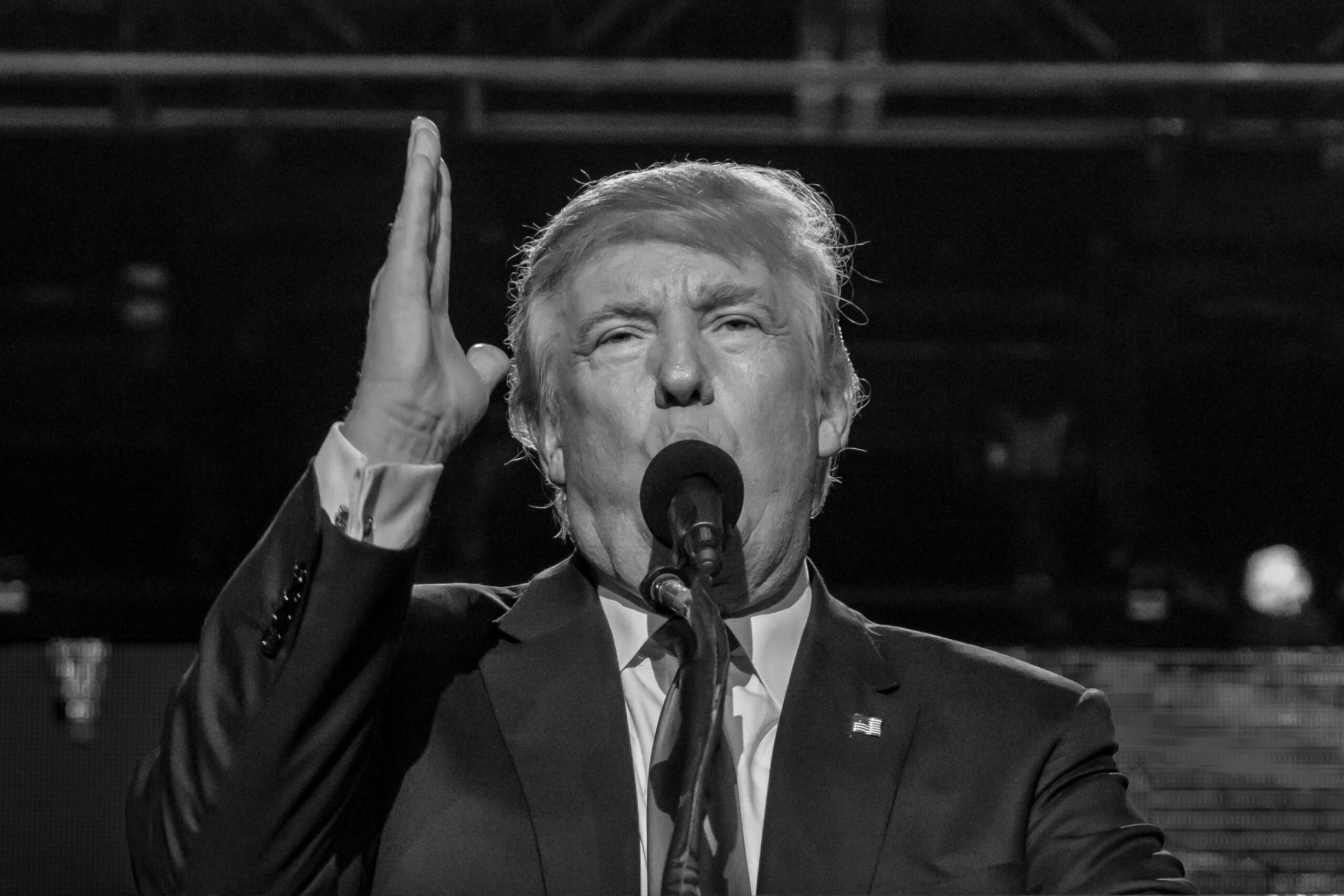
Trump used Truth Social to argue that the United States spends far more on defense than NATO members in Europe. He cited U.S. military spending and compared it with figures for Britain, France, Italy, and Poland.
He called the current arrangement “one-sided” and said it was “ridiculous” for the United States to continue on that path if the relationship was not reciprocal. He also wrote that allies “were not there for us,” language that pointed to recent tensions over U.S. action involving Iran.
The remarks did not amount to a formal threat of withdrawal. But they revived one of the most persistent disputes inside NATO: whether Europe is doing enough to defend itself.
Trump has pressed the issue for years. His latest comments landed at a sensitive time, with NATO trying to present unity before a summit already shaped by war, spending pressure and concern over Washington’s long-term role.
NATO Heads To Ankara
The Ankara summit is expected to test whether NATO can demonstrate to Trump sufficient progress on burden-sharing. European leaders want to demonstrate that they are raising defense budgets and expanding military capacity.
The meeting will be hosted by Turkish President Recep Tayyip Erdogan. NATO Secretary General Mark Rutte has urged allies to demonstrate that new spending translates into real capabilities, not just budget promises.
Ukraine will also be central. President Volodymyr Zelenskyy is expected to take part in summit-related diplomacy as allies discuss continued weapons support for Kyiv.
Russia’s war in Ukraine has already forced NATO countries to rethink military planning. Several European governments are rebuilding ammunition stocks, buying air defense systems, and investing in defense production.
New Spending Target Raises Pressure
The spending fight has moved beyond NATO’s older 2% benchmark. Allies agreed to a new framework that calls for members to invest 5% of GDP annually in defense and security-related priorities by 2035.
That pledge includes at least 3.5% of GDP for core military needs. Those include troops, equipment, readiness, weapons stocks, and NATO capability goals.
A further 1.5% can go toward broader security priorities. Those include cyber defense, critical infrastructure, civil preparedness, and defense industrial capacity.
The formal commitment requires allies to allocate at least 3.5% of GDP to core defense spending by 2035, with annual reviews used to measure progress.
That target gives Trump a sharper benchmark for future criticism. It also poses a costly political challenge for European governments at home.
Britain Faces Funding Questions
Britain is one of the countries directly named in Trump’s criticism. Prime Minister Keir Starmer has already announced a major increase in defense funding as his government tries to show Washington that London is responding.
The British government announced a £15 billion funding boost for the armed forces, covering equipment, technology and defense readiness.
Starmer has said the plan will lift U.K. defense spending toward 2.7% of GDP by 2029. The government says the investment will strengthen the armed forces and support military modernization.
But Britain remains below NATO’s 3.5% core defense target. That gap has created pressure inside London over how the increase will be funded.
The shift in spending also affects domestic priorities. Some public investment plans are expected to be delayed or scaled back as defense takes a larger share of government resources.
U.S. Role Under Review
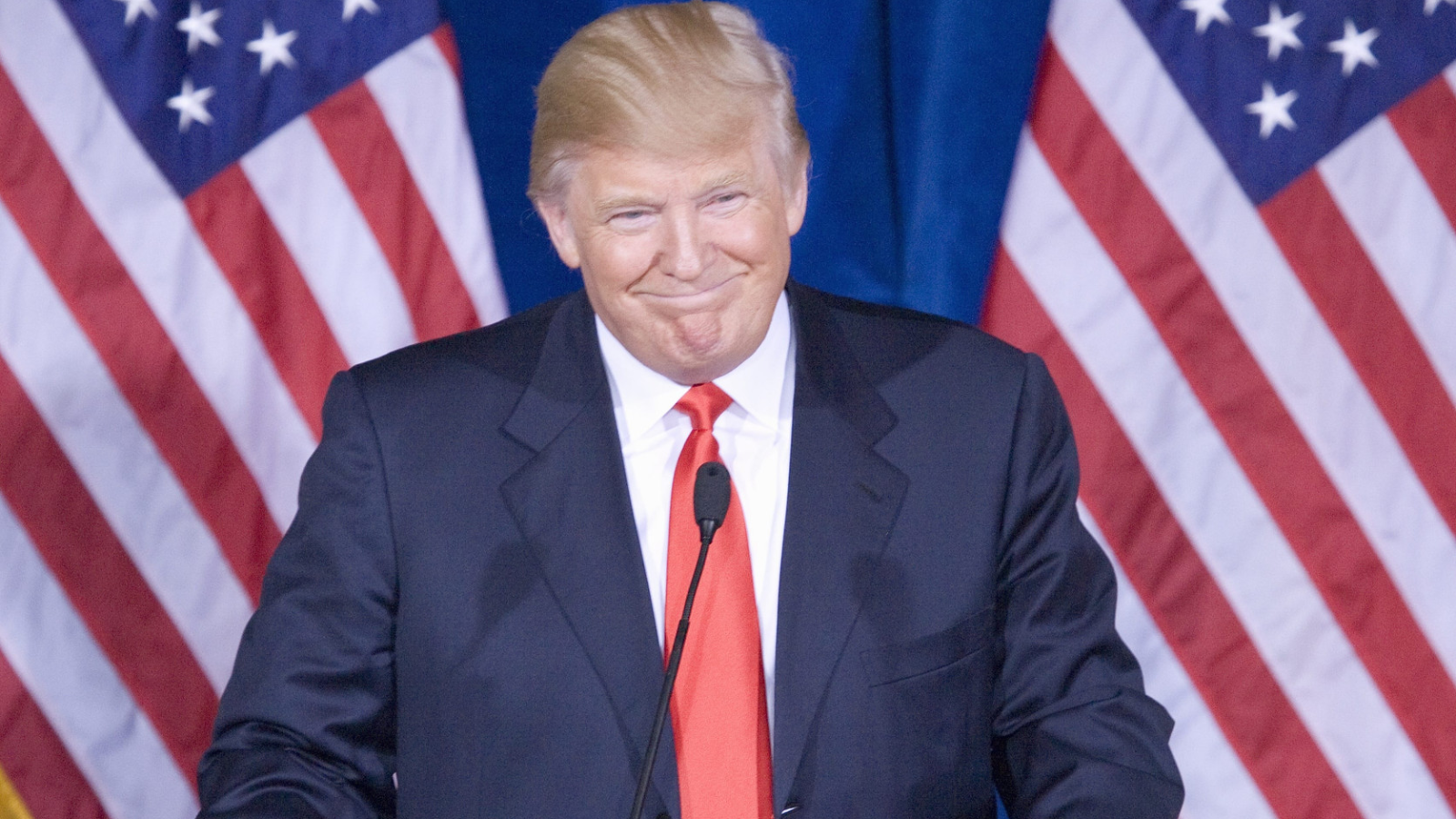
Trump’s warning also follows a broader review of America’s military posture in Europe. U.S. officials have questioned whether current deployments still match Washington’s priorities.
The United States remains NATO’s most powerful member. It provides capabilities that many European allies cannot quickly replace, including strategic airlift, intelligence, missile defense, logistics, and nuclear deterrence.
That dependence sits at the center of the dispute. European allies are spending more, but Washington wants evidence that higher budgets will produce ready forces and usable equipment.
The issue is not only total spending. It is speed, production, and readiness.
European governments have struggled to increase ammunition output quickly enough to support Ukraine while rebuilding their own stockpiles. Defense procurement often moves slowly, even when political leaders approve more money.
Iran Adds New Strain
Trump’s reference to allies not being “there for us” added another layer to the dispute. The comment followed friction over U.S. military action involving Iran and the degree of support offered by European allies.
NATO was created as a collective defense alliance. It does not automatically require members to join every U.S. operation outside the North Atlantic Treaty Area.
That distinction matters for European governments. Many want to preserve the U.S. security guarantee while avoiding automatic alignment with Washington on every Middle East conflict.
For Trump, the issue appears broader. He has framed alliance loyalty in terms of reciprocity, spending, and support for U.S. strategic choices.
That creates a difficult political test for NATO. Allies must reassure Washington without appearing to surrender their own foreign policy judgment.
Russia Remains The Core Security Threat
Despite the dispute, Russia remains the central reason NATO leaders are increasing defense spending. Moscow’s war in Ukraine has reshaped security planning across Europe.
NATO members along the eastern flank have pushed hardest for faster rearmament. Poland and the Baltic states have warned that Russia could test the alliance if Western deterrence weakens.
The pressure is especially high on countries with large economies but that have seen slower increases in defense spending. Their spending choices will shape whether NATO can meet its new targets by 2035.
Trump’s remarks sharpen that debate. They also give European leaders less room to delay difficult budget decisions.
Summit Ends With Readiness Test
The Ankara summit will give NATO leaders a chance to show a united front. They are expected to discuss defense spending, Ukraine aid, military production, and the future balance between U.S. and European responsibilities.
Trump has not announced a formal move to leave NATO. But his latest warning made clear that U.S. support will remain tied to demands for higher allied spending.
The next test will come in Ankara. NATO leaders must show that Europe’s spending increases are producing forces, weapons and readiness fast enough to keep Washington engaged and deter Moscow.