The United States has officially designated Ecuador’s Chone Killers as a Foreign Terrorist Organization and a Specially Designated Global Terrorist group. The move escalates Washington’s crackdown on Latin American criminal networks and pushes Ecuador’s internal gang war onto the global security stage.
It also signals a shift in how the United States is now treating powerful gangs as national security threats rather than ordinary criminal groups.
The designation places the Chone Killers under sweeping sanctions, financial restrictions, and expanded law enforcement pressure. U.S. officials accuse the group of orchestrating attacks against civilians, police officers, and government figures.
Ecuador’s government has welcomed the decision and described it as support for its intensified war against organized crime under President Daniel Noboa. What is unfolding is bigger than one gang. It is a widening confrontation between states and transnational criminal networks that increasingly operate as hybrid insurgencies across Latin America.
A terrorist label that ch anges everything
Gage Skidmore, CC BY-SA 3.0, via Wikimedia Commons
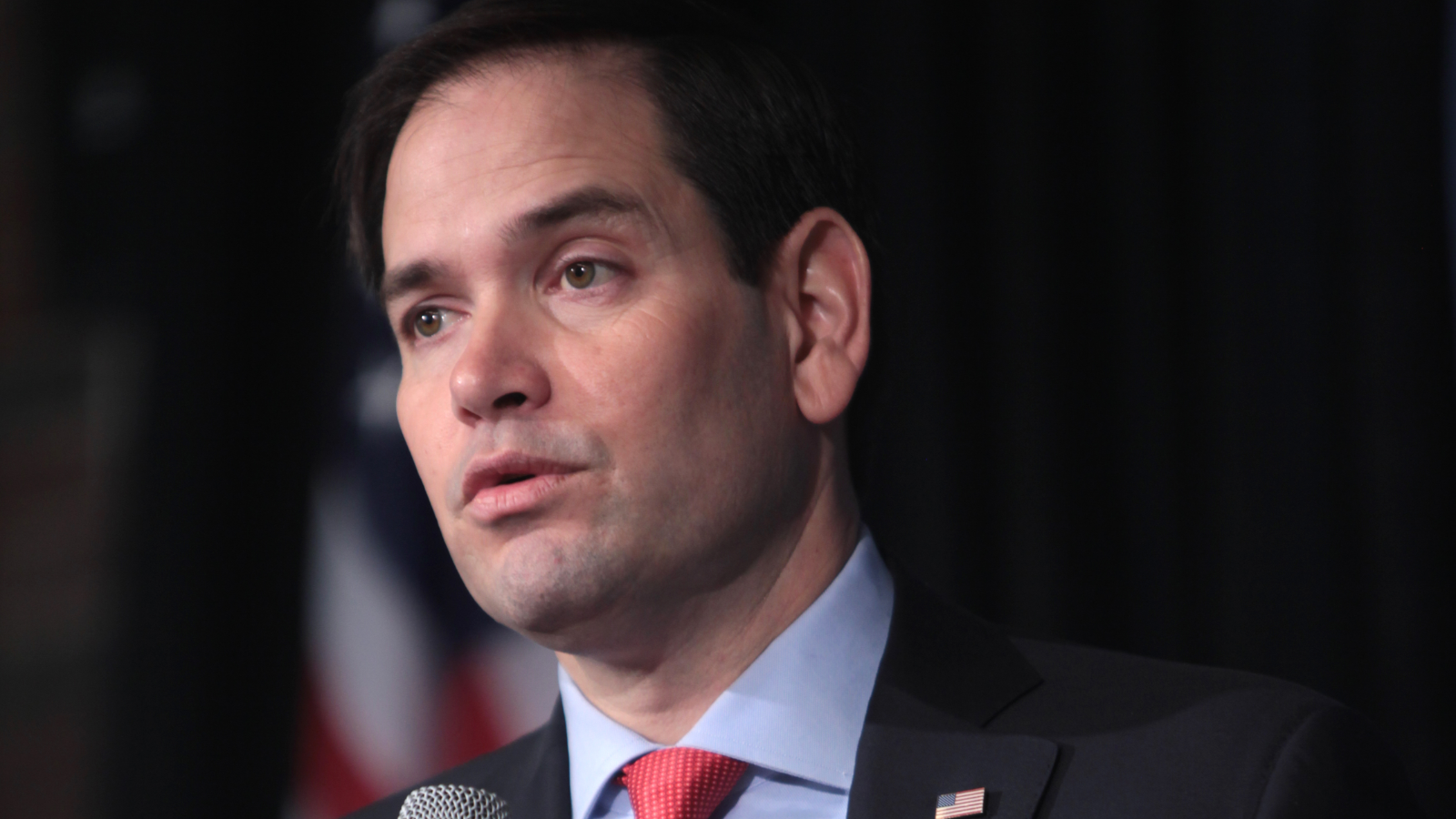
The U.S. State Department says the Chone Killers have been involved in repeated violent attacks, including targeted killings of public officials. Secretary of State Marco Rubio described the group as part of a broader network of violent narcoterrorist actors destabilizing the region. The designation places the group under some of the most aggressive sanctions tools available in U.S. law.
This classification is not symbolic. It allows the United States to freeze assets, block transactions, and criminalize material support linked to the group. It also expands the legal risk for anyone connected to its operations, either directly or indirectly, inside or outside Ecuador.
The move aligns the Chone Killers with other Latin American groups already labeled under similar frameworks, including major cartels and transnational gangs. It reflects a growing U.S. strategy that treats organized crime as a national security threat instead of a policing issue.
Ecuador backs the move as Noboa intensifies military crackdown
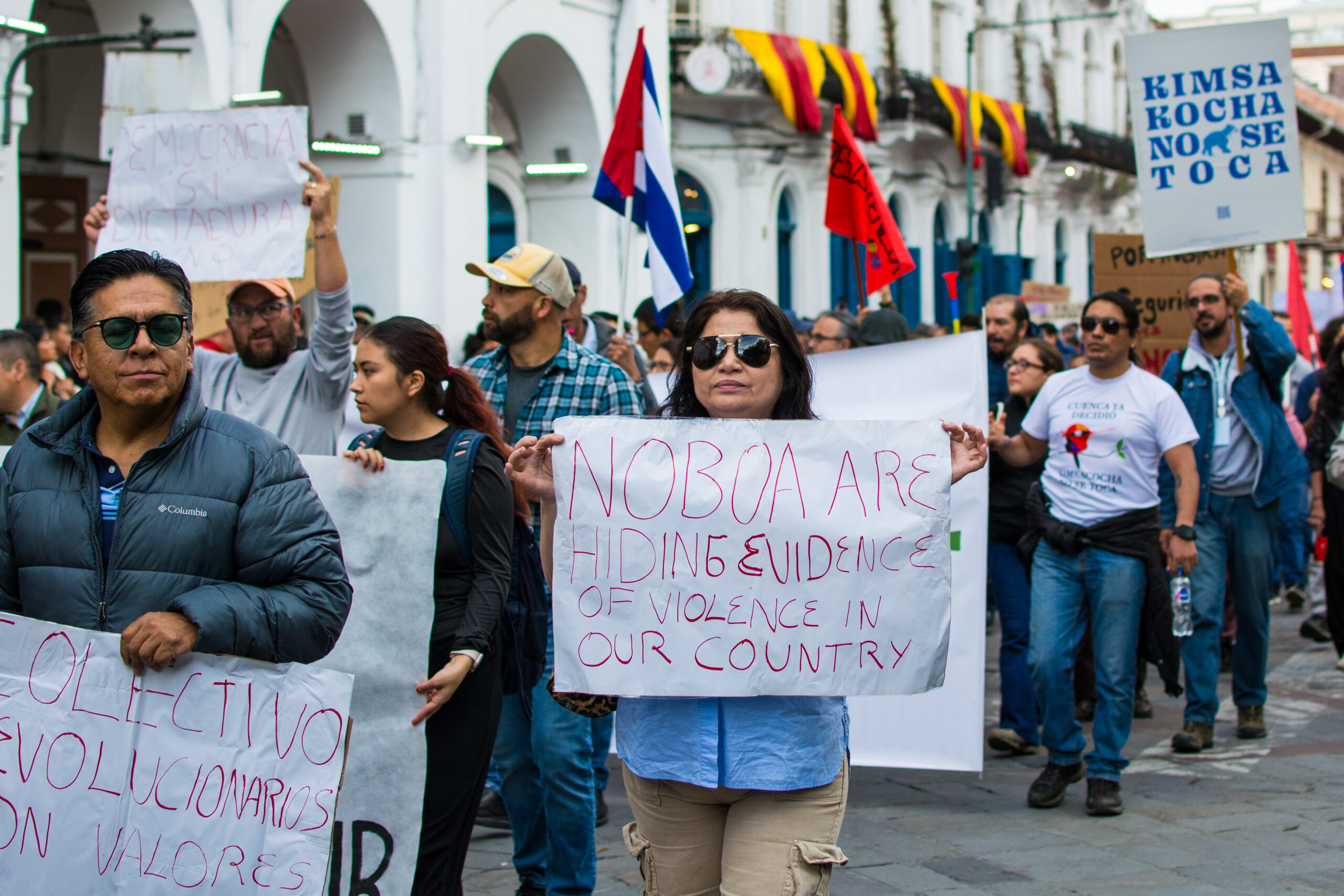
Ecuador’s government quickly praised the decision and framed it as support for President Daniel Noboa’s aggressive anti gang campaign. Noboa has deployed military forces into urban hotspots, imposed curfews, and declared repeated states of emergency in provinces overwhelmed by violence.
His administration argues that Ecuador is facing an internal war driven by criminal organizations that now operate with cartel level sophistication. The U.S. designation strengthens that narrative by formally recognizing the international dimension of the threat.
For Quito, the backing from Washington adds political weight to an already forceful security strategy. It also raises expectations that the crackdown must produce visible results in a rapidly deteriorating security environment.
The deeper crisis behind Ecuador’s violence surge
Martín Vasco, CC BY-SA 4.0, via Wikimedia Commons
Ecuador’s transformation into a gang battleground is rooted in geography, economics, and institutional weakness. The country sits on major cocaine trafficking routes linking Colombia and Peru to global export markets. Coastal ports have become critical exit points for shipments heading toward North America and Europe.
Guayaquil has emerged as one of the most important hubs in this trafficking system. Its port infrastructure has been repeatedly exploited by criminal groups moving large volumes of narcotics. This strategic location has made Ecuador a high value target for both local gangs and foreign cartels.
At the same time, Ecuador’s dollarized economy makes it easier for criminal money to circulate without currency conversion barriers. Combined with weak oversight systems, this creates fertile ground for laundering operations tied to drug trafficking.
Fragmentation is fueling more violence, not less
One of the most dangerous dynamics in Ecuador’s crisis is fragmentation. As leaders are arrested or killed, gangs often split into smaller factions rather than collapsing. These splinter groups tend to be more unpredictable and more violent than the organizations they break away from.
In coastal cities near Guayaquil, rival factions compete for control of trafficking corridors and local extortion markets. This competition has turned entire neighborhoods into contested zones where control can shift rapidly. Violence becomes both a tool and a currency of survival.
The Chone Killers operate within this unstable ecosystem. Internal divisions and splintering have already reshaped their structure in parts of the country. The result is a criminal landscape that is harder to map, harder to predict, and harder to contain.
How the U.S. sanctions pressure works in practice
The terrorist designation activates a powerful financial enforcement system under U.S. law. It allows authorities to freeze assets connected to the group under U.S. jurisdiction and block financial transactions linked to suspected affiliates. It also expands penalties for anyone providing material support.
International banks are now expected to increase scrutiny of transactions that may involve exposure to the group. Even indirect connections can trigger compliance risks and investigations. This extends the pressure far beyond Ecuador’s borders into global financial networks.
The objective is to cut off the money flow that sustains organized crime. But in practice, it can also force criminal networks to adapt, relocate, or fragment further.
A regional strategy that is expanding fast
The designation is part of a broader U.S. shift toward treating Latin American criminal organizations as terrorist threats. Washington has increasingly applied similar frameworks to other cartels and gangs operating across the region. This reflects a belief that these groups now function as hybrid actors combining drug trafficking, territorial control, and political violence.
This strategy expands the tools available to U.S. agencies, from sanctions enforcement to intelligence sharing and cross border coordination. It also increases pressure on regional governments to align their security policies with Washington’s approach.
For Ecuador, this means deeper cooperation but also higher stakes. Every escalation in enforcement now carries international weight and scrutiny.
The risk pressure can break gangs or multiply them.
While sanctions and military crackdowns can disrupt major criminal networks, they do not always eliminate them. In many cases, pressure leads to fragmentation, producing smaller, more aggressive groups competing for territory.
Ecuador has already seen signs of this pattern. Violence has persisted even after major operations and leadership arrests. In some areas, instability has increased as rival factions fight for control.
Without stronger institutions, prison reform, and anti corruption measures, enforcement alone may struggle to deliver lasting stability. The challenge is no longer just dismantling gangs but preventing what replaces them.