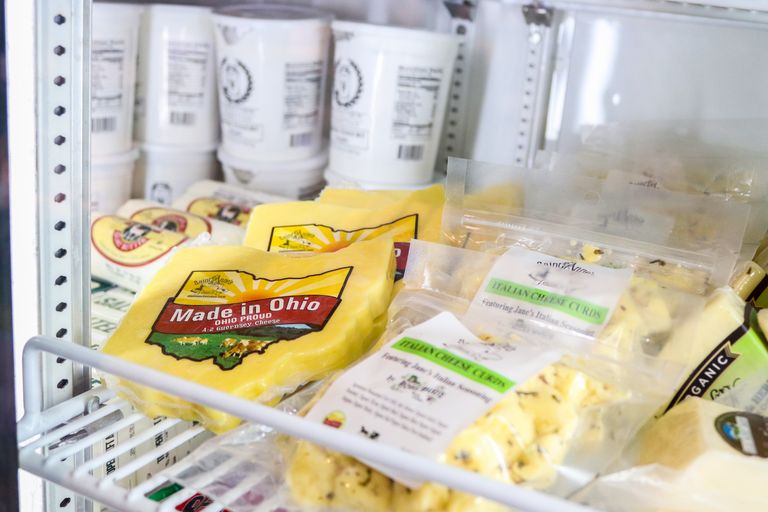
For years, ramen had a simple reputation in America. It was cheap, fast, and especially useful when the refrigerator was empty. Add boiling water, open the seasoning packet, and dinner was ready.
That version still has its place, but ramen has also grown into a serious restaurant category. Chefs are making noodles in-house, developing signature broths, and building entire menus around different styles of the dish. The humble noodle bowl has become a showcase for patience, technique, and personality.
The business is growing, too. The U.S. ramen restaurant industry generated an estimated $1.6 billion in 2025, according to IBISWorld. The research firm says the industry grew at a compound annual rate of 7.6% from 2020 through 2025.
That does not mean instant ramen has been pushed aside. It means American diners now have more ways to enjoy noodles, from a quick packet at home to a restaurant bowl made through hours of careful preparation.
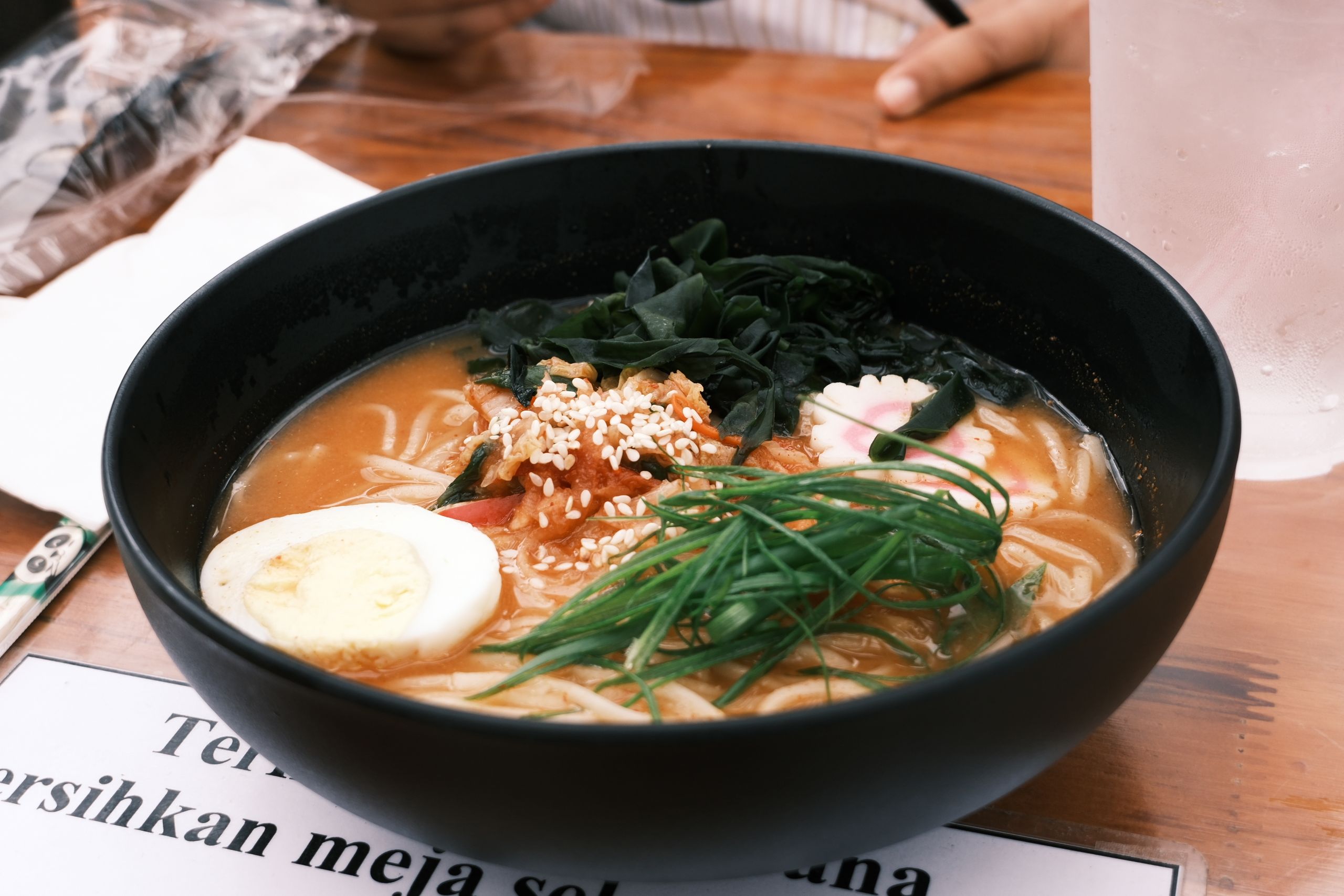
Familiar food is getting a restaurant makeover
Ramen works particularly well as restaurant food because people already understand the basic idea. It is warm, comforting, customizable, and easy to approach. At the same time, chefs can change nearly every component without making the dish feel completely unfamiliar.
The National Restaurant Association’s 2026 culinary forecast named elevated instant noodles as one of its five leading dish trends. The forecast highlighted restaurant versions that bring more complex flavors and customization to a familiar, affordable format.
That combination gives chefs room to experiment. A bowl can be spicy, smoky, rich, light, meat-based, or brothless. Diners get something recognizable, but they can still feel as if they are trying something new.
The noodles are no longer an afterthought
In a basic packet, the noodles mostly carry the seasoning. At a craft ramen restaurant, they can become the main attraction.
Chefs can adjust their thickness, shape, firmness, and texture to work with a particular broth. Thin noodles may suit one style, while thicker noodles can stand up to a heavier soup or concentrated dipping broth.
Chef-owner Steven Pursley offers a clear example in St. Louis. After studying ramen in Japan, he opened Menya Rui and later expanded with Kishimoto Mendō, a tonkotsu-focused restaurant in the Delmar Loop.
According to St. Louis Magazine, Kishimoto Mendō makes noodles from flour, water, and kansui, an alkaline ingredient that gives ramen noodles their distinctive texture. The restaurant even has a visible noodle-making room, turning part of the preparation into the experience.
Broth brings the bowl together
Noodles may get more attention now, but broth still gives many ramen restaurants their identity.
Tonkotsu broth, for example, begins with pork bones. Pursley told St. Louis Magazine that the conventional process can take roughly 10 to 20 hours, although his restaurant uses commercial pressure-cooking equipment to finish it faster.
Broth is only one layer. Restaurants also use tare, a concentrated seasoning mixture that helps define the bowl’s flavor. Aromatic oils, meat, vegetables, eggs, mushrooms, seaweed, and other toppings complete the dish.
This is why two bowls labeled “pork ramen” can taste nothing alike. Each restaurant chooses its seasoning, richness, texture, and toppings. Ordering ramen can feel familiar, but there is still an element of discovery every time.
Ramen menus are becoming more adventurous
As diners learn more about ramen, restaurants can move beyond one standard noodle soup.
Kishimoto Mendō, for instance, offers ramen alongside tsukemen and mazemen. Tsukemen places the noodles and concentrated broth in separate dishes so diners can dip each bite. Mazemen skips the traditional soup and coats the noodles with sauce, oil, seasonings, and toppings.
These choices may sound unfamiliar, but the experience is easy to approach. If you enjoy a rich bowl of soup, classic ramen is the natural starting point. If you care most about chewy noodles, tsukemen or mazemen may be more appealing.
A helpful menu should explain the options without making customers feel that they need to pass a vocabulary test before lunch.
Craft comes with extra work
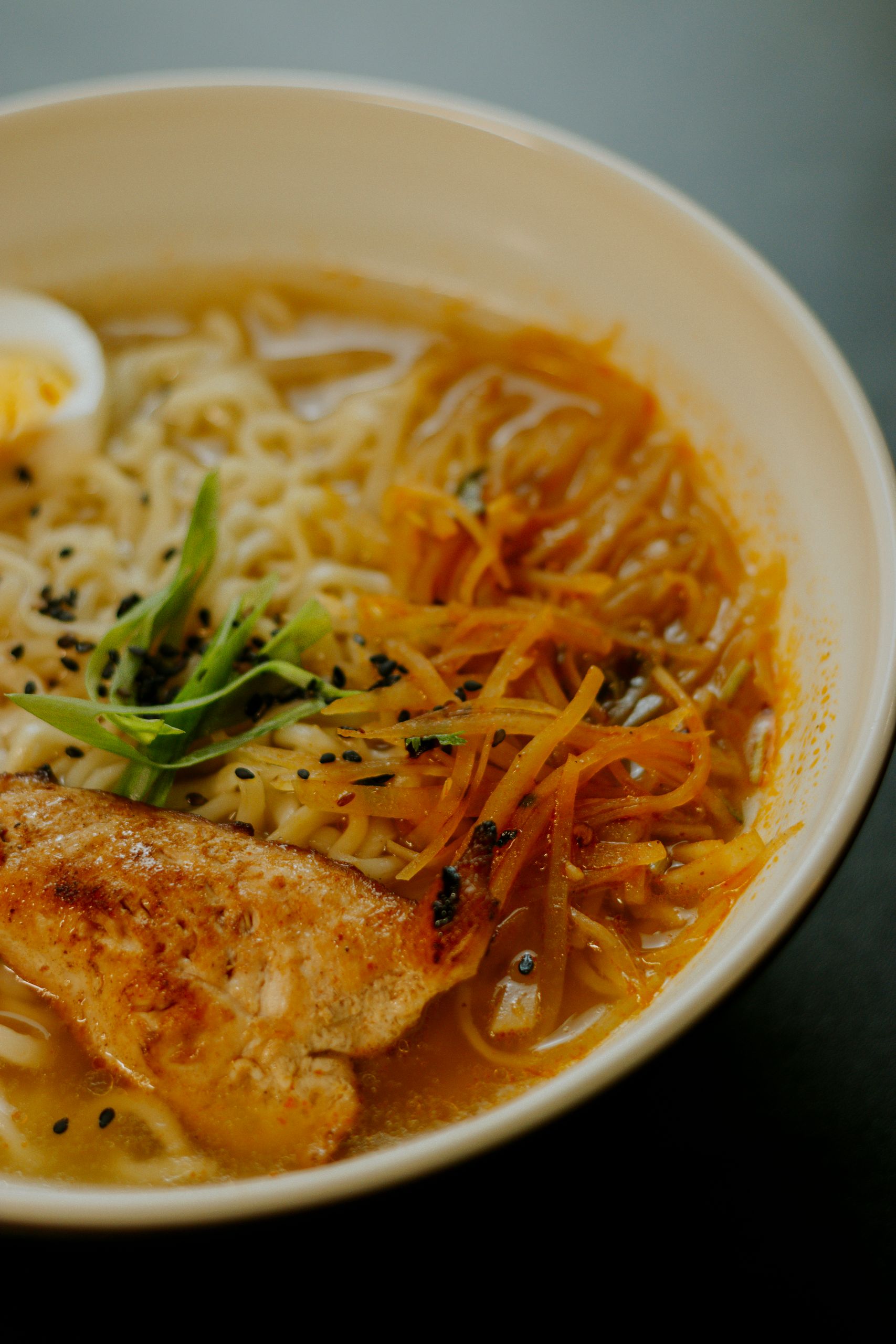
Handmade noodles and carefully developed broths demand time, equipment, and trained employees. Restaurants also need to prepare toppings, seasoning bases, and aromatic oils while keeping every bowl consistent.
That explains why restaurant ramen costs more than an instant packet. Diners are paying for the ingredients, labor, preparation, and experience behind the bowl.
Still, the word “craft” is not a guarantee of quality. Long cooking times and handmade noodles only matter if the final dish tastes balanced and satisfying. The proof is in the bowl, preferably before the noodles lose their bite.
Ramen has found a lasting place
America’s ramen story is no longer limited to the instant-food aisle. The category now stretches from inexpensive packets to specialized restaurants where chefs treat every component as an opportunity to stand out.
The market growth and continued industry attention suggest this is more than a passing food craze. Ramen has become flexible enough to feel comforting and adventurous at the same time. That is a difficult combination for any restaurant trend to resist.