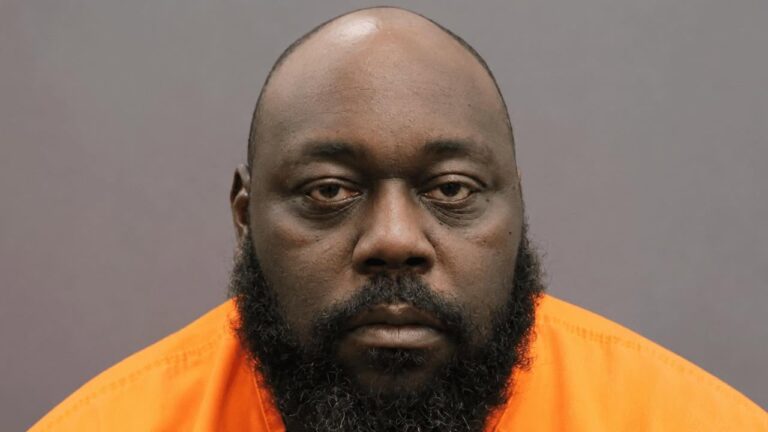
A Minnesota man accused of stealing millions from a federal meal program meant to feed children has become the first person taken into custody from the FBI’s newly launched Most Wanted Fraudsters list.
Federal officials said Said Abdullahi Ereg, 47, surrendered peacefully to the FBI in Minneapolis after being wanted on charges tied to the massive Feeding Our Future fraud case. The arrest immediately turned the new fraud-focused wanted list from a public warning into an active enforcement tool.
Ereg, a former grocery and deli owner in south Minneapolis, is accused of taking part in a scheme that allegedly drained more than $4.2 million from the Federal Child Nutrition Program during the COVID pandemic.
A fraud list gets its first major arrest.

The FBI’s Most Wanted Fraudsters list was created to spotlight individuals accused of major fraud schemes, particularly those involving taxpayer funds, public benefits, and federal programs. Ereg’s surrender now gives the list its first known arrest since its launch.
Federal authorities said Ereg had been wanted since 2024, when he was indicted on charges including conspiracy to commit wire fraud, wire fraud, and money laundering. Officials said he had been living overseas, and his exact location had not been publicly known.
The arrest came less than a week after Ereg’s name appeared on the new list. That swift action gave federal officials a chance to send a blunt message that the government intends to pursue fraud suspects even after they leave the country.
What prosecutors say happened
According to federal prosecutors, Ereg owned and operated Evergreen Grocery and Deli, a for-profit business in Minneapolis. The business participated in the Federal Child Nutrition Program under the sponsorship of Feeding Our Future, the nonprofit at the center of one of the largest pandemic fraud cases in the country.
The child nutrition program was designed to reimburse organizations that served meals to children in need. During the pandemic, when schools were closed and families were under pressure, the need for meal support was real and urgent.
Prosecutors allege Ereg exploited that system by submitting false reimbursement claims. Federal officials said his business claimed to have served more than 3,000 meals twice a day, seven days a week.
That claim is now a central part of the case. Authorities say the money was supposed to cover meals for children, but was instead misappropriated and laundered.
More than $4.2 million is at issue.
Federal officials said Ereg allegedly received more than $4.2 million in Federal Child Nutrition Program funds between about April 2020 and April 2021. Prosecutors say those funds were not used as intended.
Instead, authorities allege the money helped support a lavish lifestyle and was also moved through foreign accounts. The case has become another example of how pandemic relief programs, created quickly during a national emergency, have become targets of large-scale fraud.
The allegations against Ereg are part of the broader Feeding Our Future case, which federal prosecutors have described as a sprawling scheme involving false meal claims, shell operations, kickbacks, and stolen public funds.
Ereg has been charged, not convicted. The charges remain allegations unless proven in court.
The Feeding Our Future connection
Feeding Our Future was supposed to help provide food to children during the pandemic, but federal prosecutors say the nonprofit became a major vehicle for fraud. The case has led to dozens of charges and convictions connected to the misuse of federal nutrition funds.
Ereg’s business operated under Feeding Our Future’s sponsorship, according to court documents. That sponsorship allowed Evergreen Grocery and Deli to seek reimbursements through the federal meal program.
The alleged scheme followed a pattern prosecutors have described in other Feeding Our Future cases. Businesses and meal sites claimed to serve large numbers of meals, submitted reimbursement paperwork, and received federal funds that investigators say were not properly used to feed children.
For many Americans, that detail is what makes the case feel especially disturbing. The money was not just any government funding. It was money tied to children, food access, and a period of crisis when many families were struggling.
His wife also faced charges.
Ereg’s wife, Najmo Ahmed, also worked at the business, according to federal officials. Prosecutors said she received payroll payments directly from Feeding Our Future.
Ahmed pleaded guilty in 2025 to one count of money laundering and is scheduled to be sentenced in June 2026. Her case adds another layer to the allegations surrounding Evergreen Grocery and Deli and how money moved through the operation.
Federal officials have said the investigation is not just about one person or one business. It is part of a much larger effort to trace where public money went, who benefited from it, and how much can still be recovered.
International help played a role.
Federal authorities said Ereg had been overseas before his surrender. FBI officials credited international law enforcement cooperation, including help from Kenyan, Somali, and British authorities, in facilitating his return to Minneapolis.
That part of the case matters because fraud investigations often do not stop at the U.S. border. When money is moved through foreign accounts or suspects leave the country, investigators must rely on international partnerships to bring people back into the legal process.
Ereg reportedly contacted authorities through his attorney after the list was announced and expressed a willingness to return to the United States. Federal officers were ready when he arrived.
Why the arrest matters
The arrest gives the FBI’s new fraud list an early win. It also signals that the Justice Department and FBI want fraud cases to face the same public pressure often seen in violent-crime fugitive cases.
For years, many people have treated fraud as a quiet crime, something buried in paperwork and court filings. But federal officials are now trying to frame major fraud as a direct theft from taxpayers and from programs built for vulnerable people.
That framing is especially powerful in a case involving child nutrition money. The alleged victims are not only taxpayers, but also the children and families the program was supposed to serve.
A warning to other fugitives
Federal officials said Ereg’s arrest is only the beginning of the broader fraud crackdown. The new Most Wanted Fraudsters list is expected to keep public attention on suspects accused of major financial crimes.
The government is also using the list to encourage public tips. By putting names, faces, and allegations in front of more people, law enforcement hopes to increase pressure on fugitives and make it harder for them to remain hidden.
Ereg’s case now becomes the first test of that strategy. One name was added to the list, the public warning went out, and within days, the suspect was back in federal custody.
The next question is whether more arrests will follow as investigators continue chasing fraud cases tied to pandemic relief, public benefits, and taxpayer-funded programs across the country.