Grocery shopping quietly strains many household budgets. A small bag of fresh vegetables can disappear in two meals, and the receipt still looks heavier than the basket. That is why a home garden should be treated less like a hobby and more like a smart tool for managing food costs. We do not need acres of land, expensive equipment, or a perfect greenhouse to begin cutting produce costs. We need the right crops, planted in the right rhythm, with a clear plan for repeat harvests.
Spinach Turns A Small Space Into Weekly Salad Savings
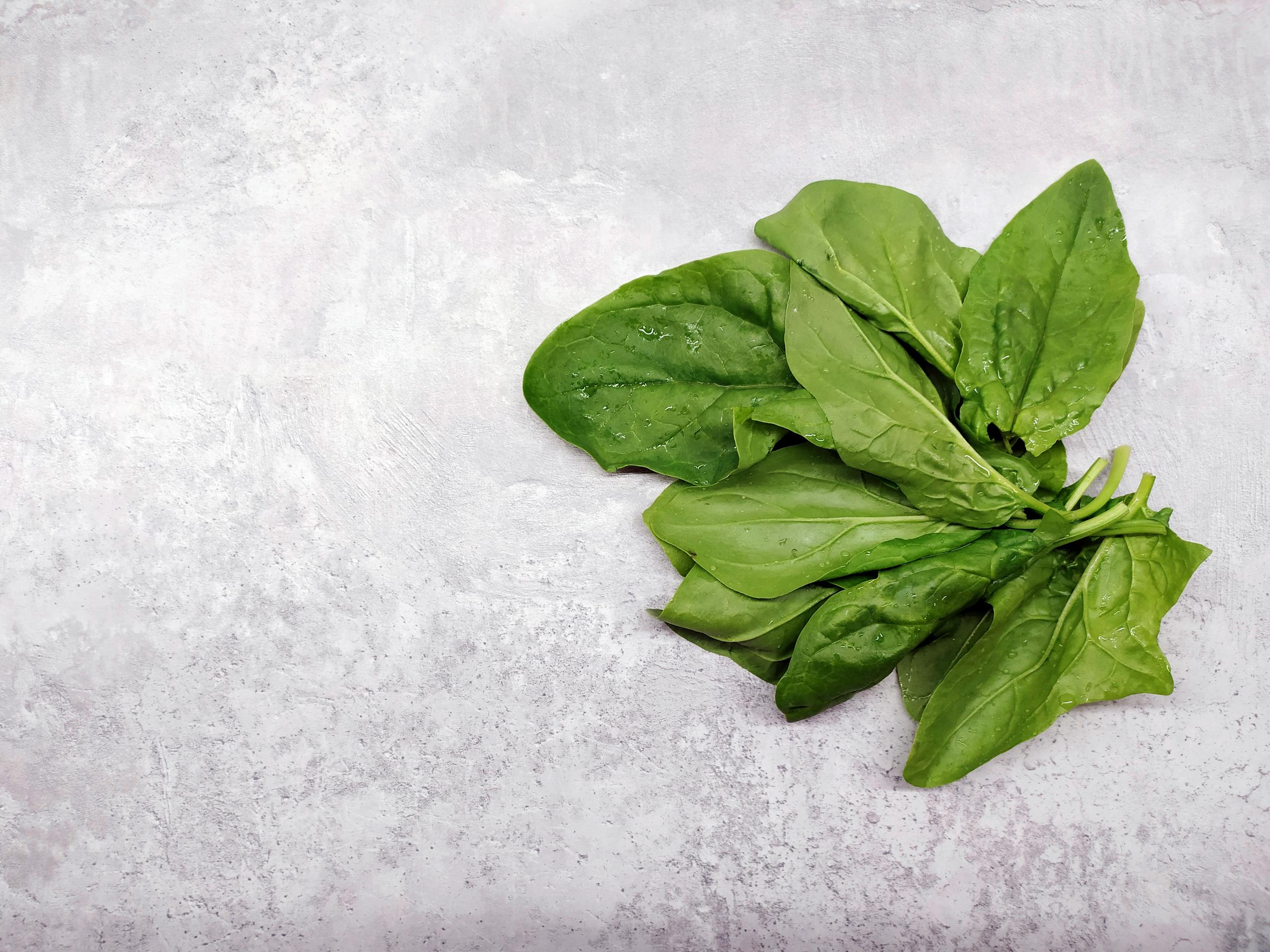
Spinach deserves a front-row spot in any grocery cutting garden because it grows quickly, takes up little space, and can be harvested multiple times. We can pick young leaves for salads, larger leaves for soups, and tender handfuls for eggs, sandwiches, smoothies, pasta, and stir fries. This matters because store-bought greens often wilt fast, forcing households to rebuy them before the week is over. A small patch of spinach can keep producing when we harvest the outer leaves and leave the center growing. That simple cut-and-return habit turns one planting into several meals.
Spinach also works well for beginners because it does not demand a large yard. We can grow it in raised beds, window boxes, fabric grow bags, or deep containers on a sunny patio. It prefers cooler weather, so spring and fall plantings give the best results in many regions. In hotter areas, we can place it where it gets morning sun and afternoon shade to slow bolting. For greater savings, we should sow small batches every two weeks rather than planting everything at once. That keeps the kitchen supplied without producing one overwhelming harvest that spoils before we use it.
Tomatoes Give Big Returns Because Store Prices Hit Hard
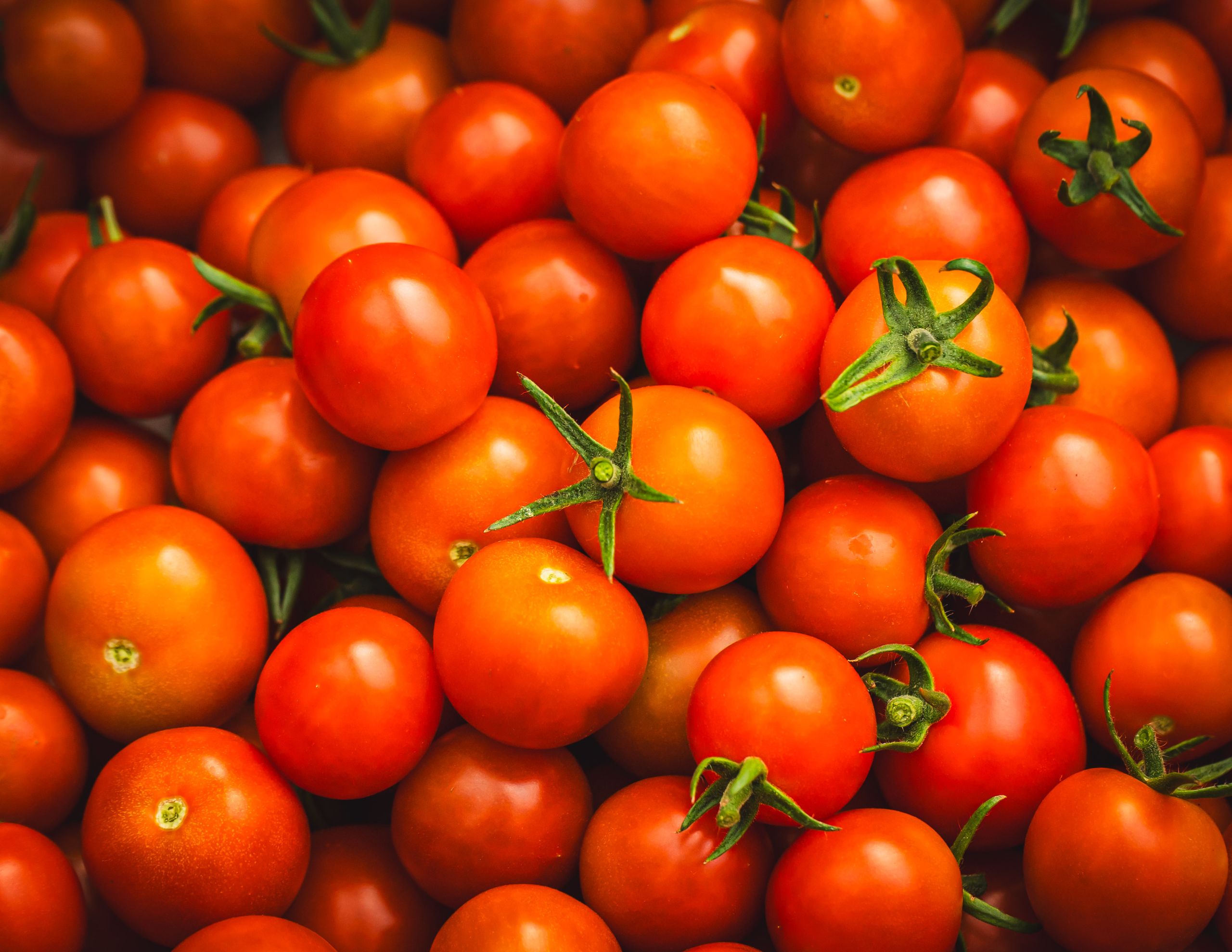
Tomatoes are among the most effective crops for lowering grocery costs because they have value in many forms. We use them fresh in sandwiches, salads, salsa, wraps, omelets, soups, stews, sauces, and pasta dishes. Store tomatoes can also be pricey, especially when supply is tight or the quality drops out of season. A few healthy tomato plants can change the flavor and cost of summer meals almost immediately. The real win comes when we preserve extra tomatoes as sauce, roasted tomatoes, frozen puree, or simple chopped portions for cooking.
For better results, we should choose the tomato type based on our space and cooking habits. Cherry and small salad tomatoes produce heavily and ripen fast, making them great for beginners and container growers. Bush or determinate tomatoes stay more compact and work well in limited spaces. Paste tomatoes are better for sauces because they have meatier flesh and less water. We should plant tomatoes in full sun, water consistently at the soil level, and support the plants with cages, stakes, or trellises. When we keep the fruit off the ground, we reduce rot, improve airflow, and make harvesting easier.
Bush Beans Produce Heavy Harvests Without Taking Over The Garden
Bush beans are one of the easiest crops for beginners because they grow quickly, fix some nitrogen through root nodules, and produce without complex structures. They are also practical in the kitchen. We can steam them, sauté them, roast them, add them to casseroles, pickle them, freeze them, or can them, provided safe home canning guidelines are followed. A few short rows can create enough beans for repeated side dishes through the season. Since beans grow from large seeds, they are simple to plant directly in the garden.
The biggest savings come from succession planting. Instead of planting all beans at once, we can sow a new short row every two to three weeks during the warm season. That creates a rolling harvest rather than a single giant flush. Bush beans prefer full sun, loose soil, and regular picking. The more we harvest tender pods, the more useful the plants become. Pole beans can also save space by climbing, but bush beans are often easier for new gardeners because they stay compact and mature quickly.
Carrots Turn Cheap Seeds Into Long-Lasting Kitchen Staples
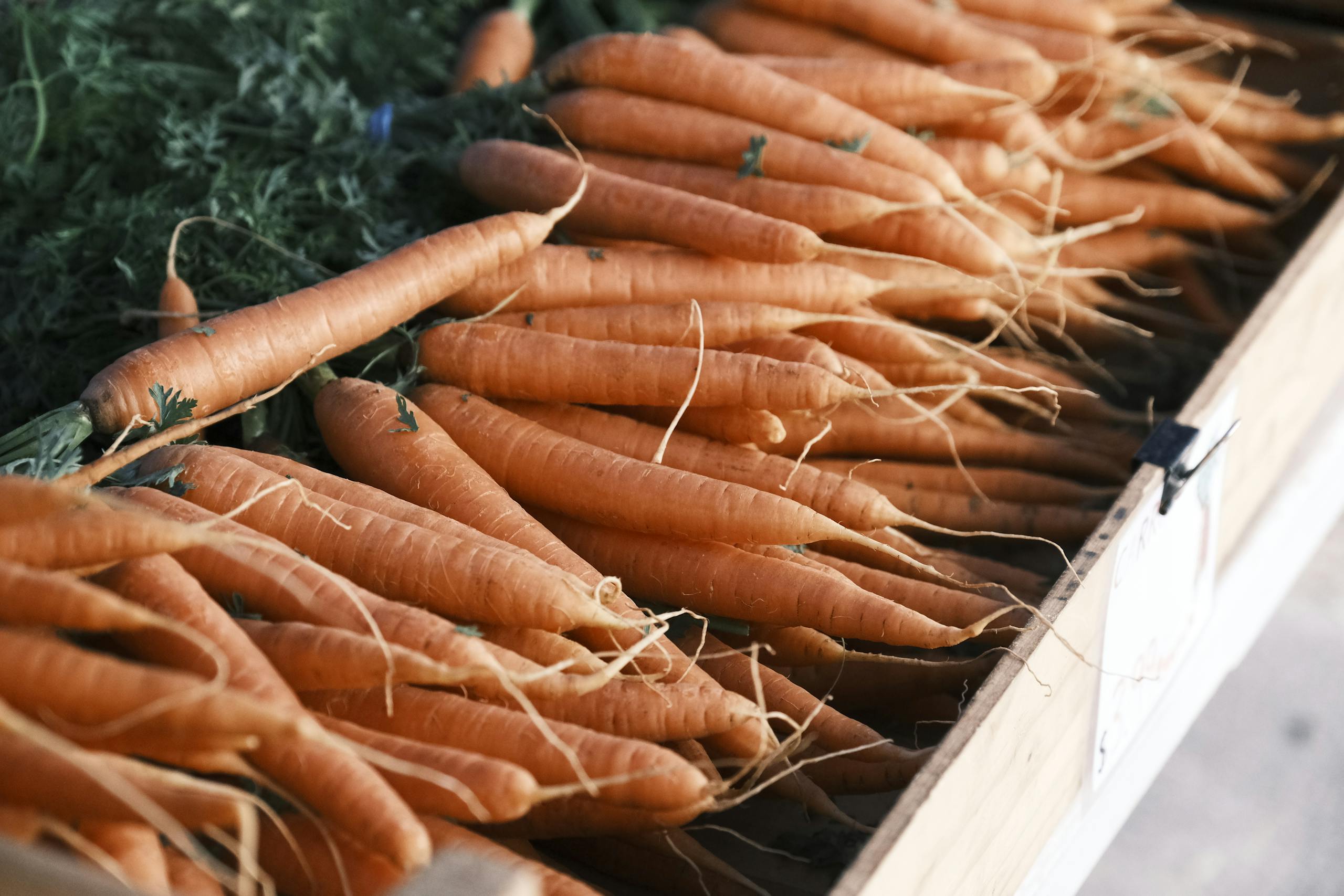
Carrots are a budget crop because each seed packet yields many meals. They store well, suit many recipes, and do best when direct-sown. Use carrots raw, roasted, steamed, in salads, soups, sauces, or lunch boxes. Their value lies in patience and repetition. Since they take time to size up, sow small batches every few weeks to stagger harvests.
Carrots need loose soil because compacted ground can twist or stunt the roots. If the garden soil is heavy clay, we can grow shorter varieties or use raised beds with a smoother soil mix. The seeds are tiny and should stay moist during germination, which can take longer than many beginners expect. Covering the seeded row with a light board or fabric until sprouts appear can help hold moisture, as long as we check daily and remove the cover once seedlings emerge. Thinning is important because crowded carrots compete underground. When we give each root enough room, we get better size, shape, and harvest quality.
Onions Save Money Because They Go Into Almost Everything
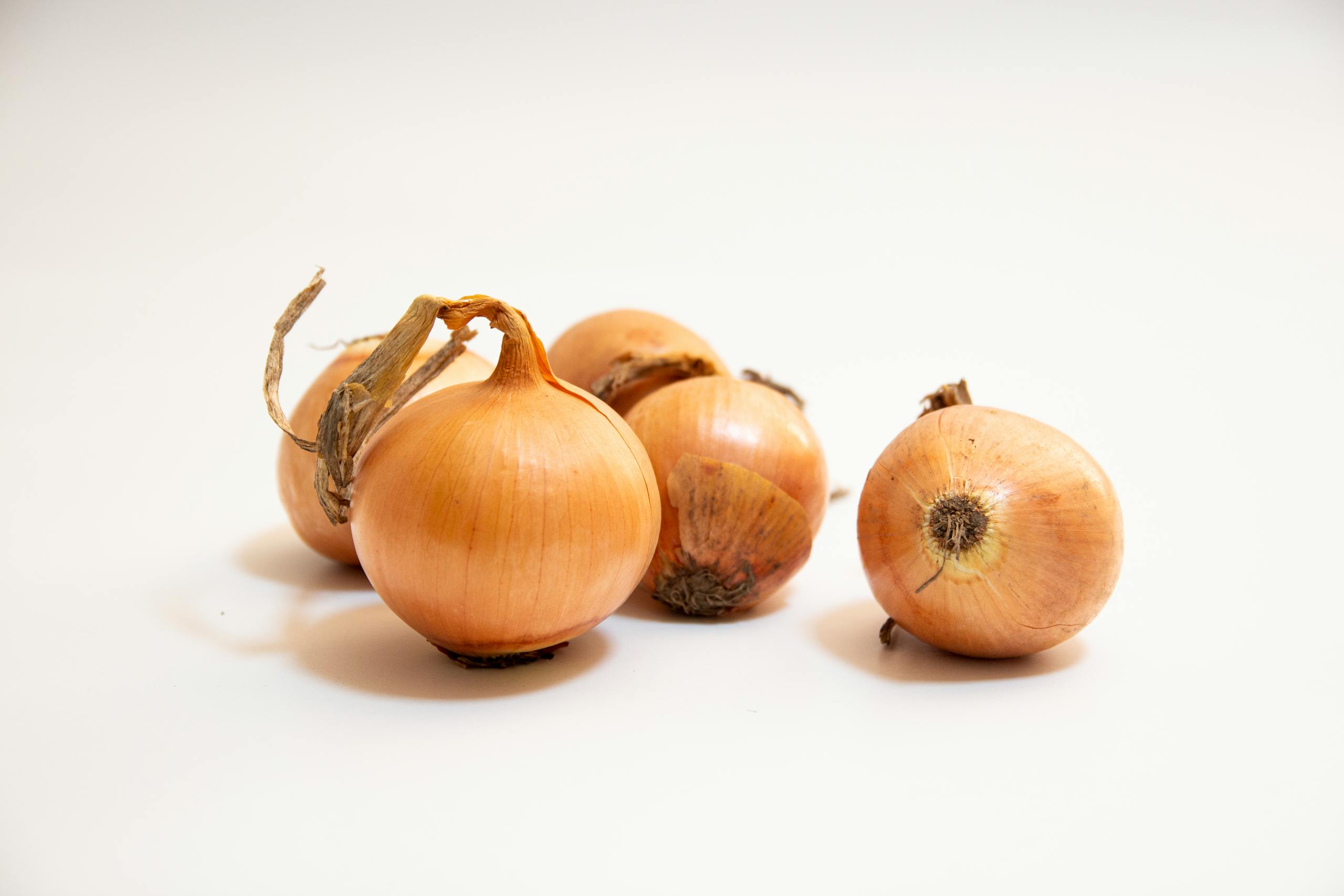
Onions are quiet grocery bill fighters because they appear in so many meals. Soups, stews, sauces, rice dishes, beans, roasted vegetables, eggs, marinades, and meat dishes often start with chopped onion. Growing them gives us a steady base ingredient rather than a flashy harvest. They also store well when properly cured, making them more valuable than quick-spoiling vegetables. A successful onion crop can reduce the need for repeat trips to one of the most used kitchen staples.
We should choose onion types based on day length. Long-day onions suit northern regions, short-day onions suit southern regions, and intermediate types fit many middle zones. Gardeners can start from seed, sets, or transplants. Seeds offer more variety, sets are simple, and transplants often give strong results with less waiting. Onions need full sun, fertile soil, and consistent moisture during bulb formation. Once the tops begin to fall over and dry, we can harvest and cure them in a warm, airy place before storage. That curing step helps the bulbs last longer.
Garlic Delivers Big Flavor From A Small Fall Planting
Garlic is among the smartest crops for frequent cooks. A single clove becomes a bulb, making it feel almost unfairly rewarding. Plant in fall, let it overwinter, and harvest the following summer. Compact yet productive, garlic delivers big kitchen returns. It upgrades nearly any savory dish: sauces, soups, vegetables, marinades, dressings, or rice.
We should plant individual cloves with the pointed end facing up, usually a few inches deep, in loose and well-drained soil. Hardneck garlic is suited to colder regions and produces scapes, edible flower stalks that can be cooked or blended into pesto. Softneck garlic often stores longer and performs well in milder regions. After harvest, garlic should be cured in a dry, shaded, airy place until the outer skins become papery. Well-cured garlic can last for months, which makes it one of the best crops for long-term grocery savings. We also save the largest, healthiest bulbs for seed garlic for the next planting.
Potatoes Give Filling Harvests From Buckets, Bags, Or Beds
Potatoes are valuable because they replace a filling staple, not just a garnish. We can bake them, mash them, roast them, fry them, boil them, add them to soups, or turn leftovers into breakfast hash. Unlike delicate greens, potatoes can be stored for later meals when cured and kept in the right conditions. This makes them a useful bridge between seasonal gardening and year-round food planning. They are also satisfying to grow because each plant hides its harvest underground.
We grow potatoes from seed potatoes, which are small tubers or cut pieces with healthy eyes. They can grow in garden trenches, raised beds, buckets, grow bags, or large containers. As the plants rise, we can hill soil or mulch around the stems to protect developing tubers from sunlight. Sun-exposed potatoes can turn green and should be avoided. For better storage, we should let the plants yellow before harvesting mature potatoes, then cure the tubers in a dark, well-ventilated area. New potatoes can be harvested earlier for tender meals, but storage potatoes need more time to mature.
Summer Squash Feeds The Kitchen Fast
Summer squash is one of the fastest ways to turn a garden bed into regular meals. Zucchini and yellow squash can grow from seed to harvest in a short window, and productive plants can feel almost unstoppable during peak season. This is exactly why they help with grocery costs. A few plants can supply sauteed squash, roasted sides, grilled slices, fritters, pasta additions, soups, breads, and freezer portions. The secret is harvesting small, tender fruits before they become oversized and watery.
Squash plants need room, sunlight, and consistent moisture. They grow large leaves that shade the soil and help reduce weed pressure nearby. We should plant after the soil has warmed because cold soil slows germination and weakens young plants. Good airflow reduces mildew problems, so spacing matters. If space is tight, compact bush varieties are better than sprawling types. Since summer squash produces heavily, we should plan recipes before the harvest wave arrives. Freezing grated zucchini or chopped squash for future cooking can turn a short-season crop into months of meal support.
Broccoli Pays Off When We Harvest The Side Shoots
Broccoli can lower grocery costs when we treat it as more than a one-head crop. The main head is the first reward, but a wide variety also produces smaller side shoots after the central head is cut. Those side shoots keep adding value, especially in cool weather. Broccoli is useful in stir fries, soups, casseroles, pasta, roasted vegetable trays, grain bowls, and simple steamed sides. It brings strong nutritional value and a familiar flavor that many households already buy.
Broccoli prefers cool weather, so we should plant it in early spring or fall in many regions. In hot climates, fall planting often gives better results because the plants mature in milder conditions. Starting seeds indoors can help us get a head start, but transplants are also useful for beginners. Broccoli needs rich soil, steady water, and protection from common pests like cabbage worms. Row covers can help protect young plants without the need for spraying. Once the main head is firm and full, we should harvest before the buds open into flowers. After that, side shoots can keep the harvest going.
Conclusion
A grocery-saving garden works best when every plant earns its space. We should grow crops that replace real purchases, produce more than once, store well, or add expensive flavor for pennies. Spinach gives quick greens, tomatoes carry sauces and summer meals, peppers freeze beautifully, cucumbers become salads and pickles, beans keep producing in waves, carrots and potatoes fill the pantry, onions and garlic support daily cooking, squash delivers fast volume, broccoli rewards cool season planning, and herbs cut the hidden cost of flavor.