Love used to break loudly. A slammed door, a missed anniversary, and a fight spilling over dinner signs were clear. Now it often breaks quietly. A partner scrolls through Instagram mid-conversation, a text is answered with a curt “lol,” or a dating app turns people into replaceable thumbnails.
Technology has changed how we connect, often without us noticing, and its subtle damage is harder to repair than outright betrayal. Some tech tools do help relationships. Phones let long-distance couples talk anytime.
Apps allow busy singles to meet people they would never encounter in real life. Video calls, shared playlists, and collaborative calendars can strengthen bonds. But when these tools replace genuine attention and presence, they slowly corrode intimacy, trust, and satisfaction.
Technology undermines love by changing the tiny habits that make people feel valued. It steals attention before it steals affection, turns jealousy into notifications, transforms dating into an endless marketplace, and substitutes convenience for effort. Ignoring these dangers can leave couples living together but feeling like strangers.
Phones Make Partners Feel Invisible

Phones are small, but their impact is enormous. Even when a partner is physically present, constant phone checking makes them feel emotionally unavailable. Dinner conversations, bedtime chats, or casual moments in the car can be interrupted by alerts, texts, and notifications.
The problem is cumulative. Research shows that 51% of partnered Americans say their partner sometimes ignores them because of phone use. Over time, small interruptions teach people to stop sharing thoughts, feelings, or vulnerabilities. Laughter fades, small gestures go unnoticed, and the partner on the other side of the screen slowly becomes the priority.
Emotional presence matters more than proximity, and a glowing rectangle often wins.
Dating Apps Turn People Into Replaceable Profiles
Dating apps give singles access to more people than ever before, but too much choice can backfire. Endless swiping creates a sense of disposability. Chemistry starts to feel replaceable. Users obsess over their photos, bios, and opening lines instead of authentic connections.
When every match can be replaced with a swipe, singles may start questioning their worth rather than focusing on meaningful interactions.
Social Media Turns Relationships Into a Performance

Social media can celebrate love, but it can also create pressure. Couples post anniversary photos, trips, or playful selfies to show the world they are happy. The problem is that posts become proof of affection rather than a genuine connection.
When partners compare themselves to curated highlight reels, ordinary moments can feel inadequate. Pew Research shows that 53% of social media users check up on exes, often leading to stress or jealousy.
The more couples measure love by visibility and likes, the less they experience intimacy privately, creating a constant, quiet tension that eats away at trust and satisfaction.
Online Jealousy Steals Trust
Before social media, jealousy was limited to what someone actually saw or heard. Now, likes, comments, story views, and follows provide endless “evidence” for the suspicious mind. A harmless comment can spark insecurity, a new follower can trigger anxiety, and delayed replies can feel like rejection.
Information without context fuels suspicion. Constant monitoring creates emotional strain, and partners may interpret normal interactions as flirtation or betrayal. Pew Research reports that 23% of partnered adults felt jealous or unsure because of their partner’s social media activity.
Trust can erode even when no real wrongdoing exists, leaving relationships brittle and tense.
Exes Stay Too Close Through Digital Access

Breakups used to naturally create distance. Now exes remain visible through feeds, tags, and notifications. Every update, story, or shared memory can feel like unfinished business.
This constant digital presence makes emotional recovery harder. Seeing an ex move on or enjoy life online can trigger comparisons, regret, or even impulsive decisions. Emotional space is essential for healing, but social media keeps exes alive in high definition, preventing closure and sometimes prompting contact that wouldn’t otherwise happen.
Digital Cheating Blurs Boundaries
Cheating is no longer limited to physical encounters. Flirting via direct messages, secret social media accounts, or emotional closeness online can feel harmless, but it is still betrayal.
Pew Research shows that 30% of Americans have used a dating site or app, and 51% admit that phone distraction affects relationship quality. Hidden digital behavior shifts the emotional contract of relationships. Secrecy, rather than intent, damages trust.
Even without physical intimacy, emotional infidelity weakens the connection, leaving partners feeling excluded and undervalued.
Porn Turns Sex Into Comparison

Pornography is more accessible than ever, and its effects on relationships are profound. Endless content can distort expectations, making partners feel pressured to replicate scripted, unrealistic acts.
This creates emotional and sexual tension. Many women report feeling neglected or forced to perform to match fantasy scenarios. Porn can entertain, but it also sets standards that real intimacy cannot consistently meet.
The presence of a digital substitute often makes real-life sexual satisfaction feel insufficient, leaving partners feeling disconnected rather than desired.
Texting Creates Misunderstandings
Texting keeps couples in touch, but it removes tone, facial expression, and timing. A short reply may appear dismissive, a delayed response may feel insulting, and a sarcastic comment may be misread entirely.
Meta-analyses show that partner “phubbing,” ignoring someone in favor of a phone, is linked to lower intimacy, lower relationship satisfaction, and higher conflict. Arguments over texts often escalate because digital communication is ambiguous. Emotional gaps widen, making small misunderstandings feel like major betrayals.
Constant Availability Turns Love Into Pressure
Technology makes us perpetually reachable. A slow response becomes suspicious. Offline hours feel like neglect. Partners can feel like they must provide constant attention, transforming love into obligation.
The emotional cost is high. Both partners may feel burned out: one anxious about perceived distance, the other exhausted from constant demands. A healthy relationship requires both connection and breathing space. Without boundaries, love can feel like a never-ending customer service job rather than mutual care.
AI Dating Tools Make Romance Less Personal
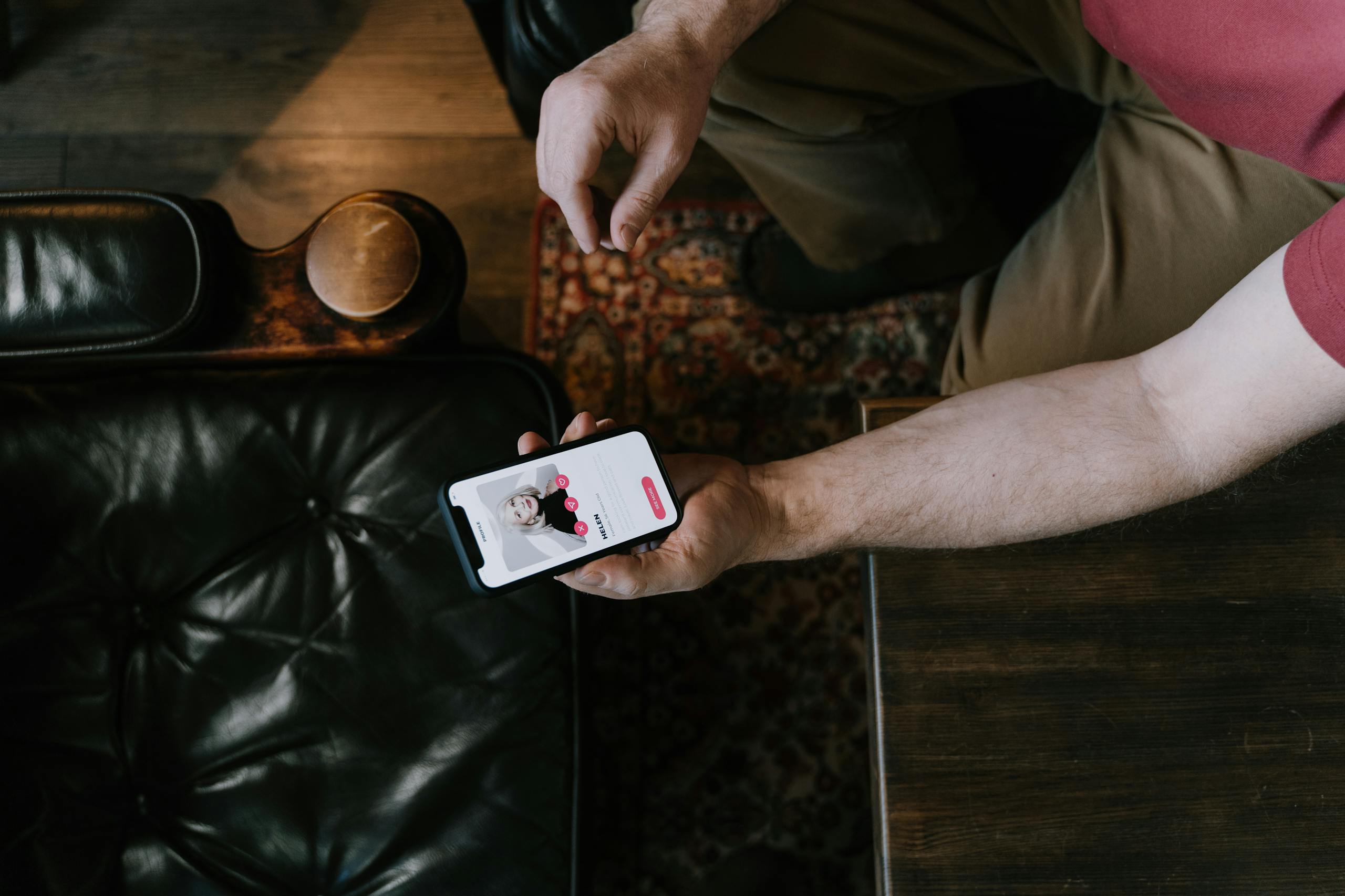
AI helps craft messages, plan dates, or even simulate conversations, but it cannot replace emotional presence. Perfectly written apologies or flirtations mean little if the sender lacks genuine vulnerability.
Romance relies on imperfection, risk, and emotional bravery. When AI does the emotional work, relationships lose authenticity. Partners may feel like they are interacting with a machine rather than a person, eroding intimacy and leaving emotional needs unmet.
Streaming, Gaming, and Endless Content Steal Shared Rituals
Couples need rituals: dinner without screens, bedtime talks, weekend walks, or shared hobbies. Technology often interrupts these routines. Streaming, gaming, and social media provide constant entertainment, which can become an escape rather than a shared activity.
The issue is not the content itself. Shared shows, gaming, or music can bond couples. The problem arises when screens replace attention, time, and presence. Partners may feel abandoned despite being physically close, leaving intimacy to fade while notifications dominate attention.
How Couples Can Protect Love Without Rejecting Technology
Technology is not inherently bad. Phones, apps, social media, and streaming can enhance connection if used wisely. Strong couples set boundaries. They define acceptable phone use, designate offline time, and communicate openly about jealousy, digital behavior, and social media use.
Intimacy grows when technology serves presence, not replaces it. Shared rituals, honest conversations, and consistent emotional attention create a connection that screens cannot replicate. Technology can help love thrive, but only if humans remain present, vulnerable, and attentive.
Conclusion
Technology ruins love when it replaces attention, honesty, and presence with convenience, distraction, or performance. Couples who protect boundaries, communicate clearly, and prioritize in-person connection can enjoy the benefits of tech without sacrificing intimacy. Love is still about emotional presence, effort, and attention, things no device can ever fully provide.