Walmart shoppers are about to see a major change in stores across the country. The familiar paper price tags on shelves are being replaced with digital shelf labels, small electronic screens that show prices, rollbacks, markdowns, and product details.
At first, this may look like a simple store upgrade. A paper tag becomes a screen. A worker no longer has to replace labels by hand. Prices can be updated faster. Shelves can look cleaner. Walmart says the move is meant to improve accuracy, save time, and help employees manage store operations more efficiently. But for many Americans, this change lands at a difficult moment.
Families are already fighting high grocery bills. Shoppers are comparing receipts more carefully. Parents are cutting back on snacks, meat, household products, and name brand items. Many people walk into Walmart with a calculator in their heads before they even pick up a cart.
So when the country’s largest retailer begins replacing paper price tags with digital displays that can change quickly, shoppers naturally have questions.
Will prices stay stable? Will the shelf price match the checkout price? Could prices change during the day? Will digital labels make shopping easier, or will they make customers feel like they have to watch every item more closely?
Walmart says the technology is not being used for surge pricing and that prices remain the same for all customers in a given store. The company has also said the labels do not use cameras or microphones and do not interact with shoppers.
Still, the concern is not going away. Americans have seen prices rise in too many areas of life. Rent, groceries, insurance, utilities, gas, and restaurant meals have all forced families to adjust. Digital price tags may be efficient for Walmart, but for shoppers, they raise a bigger issue: trust.
Here are eight reasons why Walmart’s digital price tag rollout could make grocery shopping feel more stressful for everyday Americans.
Shoppers Are Already Tired of Prices Changing Too Fast
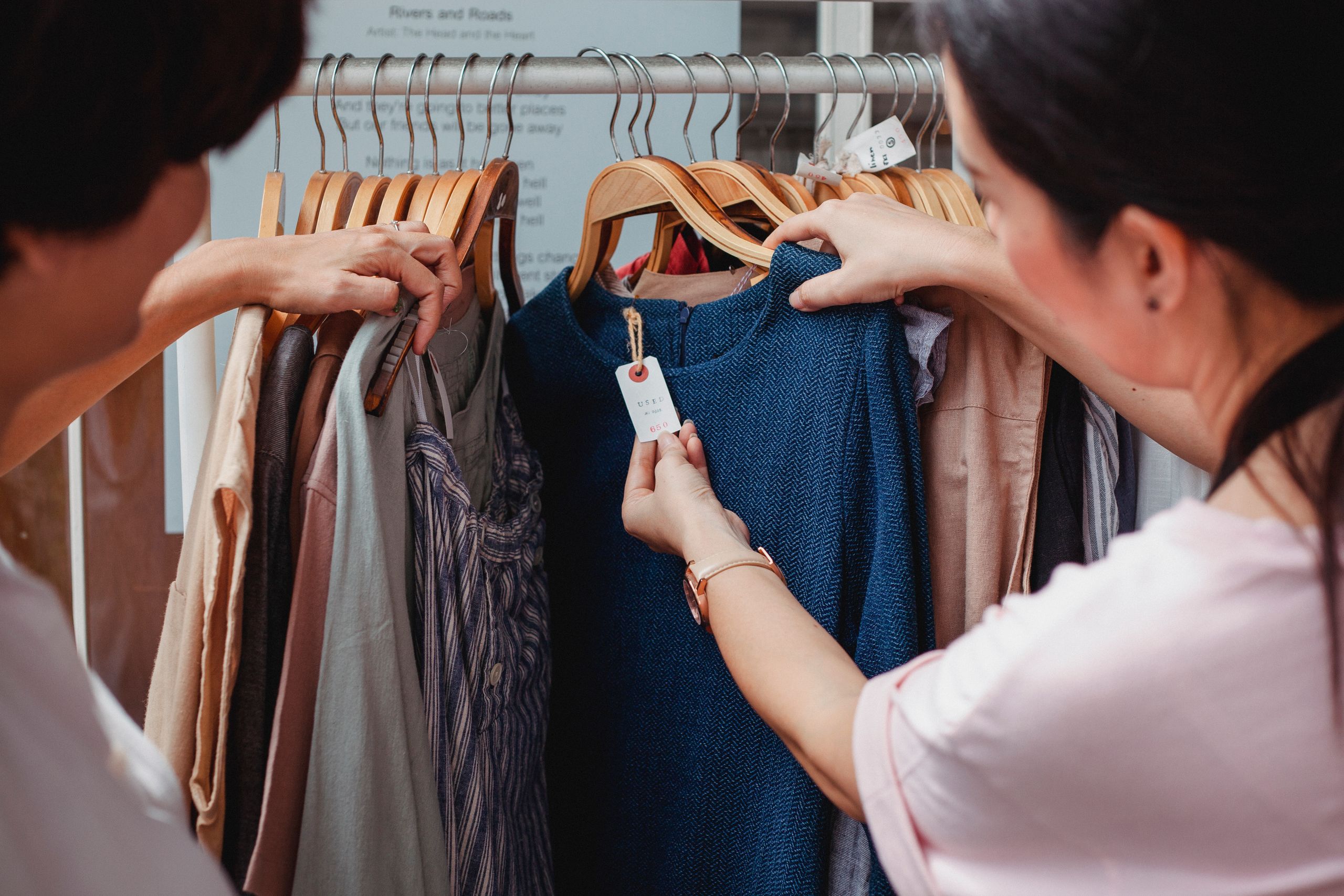
The biggest reason this change feels uncomfortable is simple. Americans are already exhausted by price changes. A carton of eggs costs one amount one month and another amount the next.
A box of cereal shrinks, but the price stays high. A bottle of detergent goes on rollback, then jumps back up. Meat prices move. Snack prices creep higher. Even basic household goods can feel unpredictable.
Paper price tags at least gave shoppers a sense of stillness. They looked fixed. They looked permanent, even when they were not. A paper tag made the price feel like something that had been decided and placed there for the customer to see. Digital tags feel different.
Because they can be updated quickly, they remind shoppers that prices can move at any time. That does not mean Walmart is changing prices while people shop. The company says that is not the plan. But the technology creates the feeling that prices are less fixed than before. For families already under pressure, that feeling matters.
A shopper walking through the grocery aisle wants confidence. They want to know the price they see is the price they will pay. They do not want to wonder whether the screen could change later, whether a rollback just ended, or whether the checkout price will surprise them. Digital labels may be more accurate, but they may also make shoppers more aware of how easily prices can shift.
The Fear of “Surge Pricing” Hits a Nerve With Americans
One of the biggest fears surrounding digital shelf labels is surge pricing. Americans already understand surge pricing from other parts of life. Ride share fares go up when demand rises. Airline tickets change constantly.
Hotel prices climb during busy weekends. Concert tickets can jump based on demand. Online prices can move so often that shoppers feel like they are chasing a target. But grocery shopping is different.
People do not want bread, milk, baby formula, pet food, or toilet paper to feel like an airline ticket. They do not want to think a product could cost more because it is a busy shopping hour, a storm is coming, or demand is rising.
Walmart has said it is not using digital shelf labels for surge pricing. That is an important point. Still, the fear is understandable because the technology enables rapid price updates.
For shoppers, the concern is not only what Walmart is doing today. The concern is what retailers could do tomorrow. Once paper tags are gone, the physical barrier to quick price changes disappears. A system that can update prices in minutes could be used responsibly.
It could also be used aggressively if retailers ever decide to push pricing further. That is why shoppers are watching closely. They are not just reacting to screens on shelves. They are reacting to years of feeling squeezed by systems they cannot control.
Families May Feel Forced to Check Receipts More Carefully
Digital price tags are supposed to reduce pricing errors. That could be helpful. Nobody likes seeing one price on the shelf and another price at checkout. But many shoppers may still feel the need to check receipts more carefully than ever.
That is because the new system changes the psychology of shopping. When customers know shelf prices can be updated electronically, they may become more cautious. They may look at the shelf, scan the item, watch the register, and review the receipt before leaving.
For people buying only a few items, that may not be a big deal. But for families doing a full weekly grocery trip, it can become stressful.
A Walmart receipt can be long. It may include groceries, cleaning supplies, school items, clothing, pet food, medicine, and household basics. If three or four prices ring up differently than expected, the total can change fast.
Even small errors matter now. A dollar here and two dollars there can add up to real money by the end of the month. Shoppers may start taking photos of digital shelf labels, especially on rollbacks, clearance items, and high cost products.
They may also compare prices in the Walmart app, which can create its own confusion if online prices, local store prices, and marketplace listings are not clearly separated. Digital labels may make the store more efficient, but they could also make shoppers feel like they have to become their own price inspectors.
Budget Shoppers Could Feel More Pressure in the Aisles
Many Americans do not shop casually anymore. They shop with limits. They enter the store knowing how much they can spend. They may have a grocery list, a meal plan, a coupon strategy, or a strict weekly budget. Some shoppers add prices in their heads as they move through the aisles. Others use a phone calculator to avoid embarrassment at checkout. For these shoppers, price certainty is everything.
A digital shelf label may seem like a small change, but it can make the shopping environment feel more uncertain. If a shopper is already anxious about the total, a screen based pricing system may add another layer of worry. This is especially true for families buying essentials. A parent picking up diapers, formula, lunchbox snacks, medicine, and groceries does not want a surprise at the register.
A senior on a fixed income does not want to discover that the shelf price and receipt do not match. A worker shopping after a long shift does not want to debate a price difference at customer service. When money is tight, trust becomes part of the shopping experience.
If digital tags help prices stay accurate, shoppers may eventually welcome them. But if customers see even a few mismatches, the reaction could be strong. People who are already stretched thin have little patience for pricing confusion.
Digital Labels Could Make Rollbacks and Clearance Items More Confusing
Walmart shoppers pay close attention to rollbacks, markdowns, and clearance deals. These deals are a big part of the Walmart experience. A rollback sign can decide whether a shopper buys the item now or waits. A clearance tag can turn a maybe into a yes. A markdown can help a family stretch a tight budget.
But digital labels could create confusion if shoppers do not read them carefully. A product may be placed in the wrong spot. A similar size may sit next to the discounted item. One flavor may be marked down while another stays at the regular price. A larger package may look like the better deal, but the unit price may tell a different story.
This problem already exists with paper tags. Digital labels do not automatically eliminate it. In fact, the clean look of digital screens may make some shoppers trust the shelf too quickly. They may grab an item without checking the exact size, count, flavor, or model number. Then, at checkout, the price may not match what they expected.
That can lead to frustration. The customer thinks the store made a mistake. The store may say the item was in the wrong place. The shopper may feel misled, even if the label were technically correct. Digital labels may be modern, but they still require old fashioned attention from shoppers.
Americans May Worry About Personal Data and Future Pricing
Another major concern is personal data. Walmart says the digital shelf labels do not interact with shoppers and do not use cameras or microphones. That is important. But the broader retail world is moving deeper into data.
Retailers already know a lot about consumer behavior. Apps, loyalty accounts, online orders, pickup history, and digital coupons can all help companies understand what shoppers buy, when they buy it, and how they respond to promotions. That is why some people worry about surveillance pricing.
Surveillance pricing means prices could be influenced by personal data. In the most troubling version, different shoppers could see or receive different prices based on what a company believes they are willing to pay.
Walmart says its digital shelf labels are not doing that. Prices remain the same for shoppers in a given store. But the fear is larger than one company’s current policy.
Americans are becoming more aware of how much data companies collect. They are also more suspicious of systems that feel hidden or hard to challenge.
Even if the shelf label itself does not collect information, shoppers may still associate it with a broader retail future in which pricing feels less transparent.
That fear is powerful because it touches something personal. People do not want to feel stressed while buying groceries. They do not want to wonder whether their data could one day affect the price of basic items.
Store Workers Could Face More Pressure, Not Less
Walmart says digital shelf labels can help employees by reducing the time spent changing paper tags. That may be true. Replacing thousands of paper labels by hand is slow, repetitive work. But many shoppers and workers may still wonder what happens next.
When a company saves labor through technology, employees often worry that the savings will not make their jobs easier. Instead, they fear staffing may shrink, workloads may grow, and expectations may rise.
A worker who no longer changes paper tags may be expected to stock more shelves, pick more online orders, handle more customer questions, or cover more departments. A tool designed to save time can quickly become a tool that raises productivity demands. Customers may feel the impact too.
If stores use digital labels to support workers, shelves may be better stocked, and service may improve. But if stores use the technology mainly to cut labor pressure, shoppers could see fewer employees available when something goes wrong.
That matters because digital pricing systems still need human support. If a price does not match, a customer needs help. If a product is in the wrong spot, an employee needs to fix it. If the app, shelf, and register show different information, someone must explain what happened. Technology can update a screen. It cannot replace trust at the customer service desk.
The Shelf Price May No Longer Feel Like a Simple Promise
For generations, the shelf price has carried a basic promise. A shopper sees the price. A shopper picks up the item. A shopper expects to pay that price at checkout. That promise is simple, but it is powerful. It is part of what makes in store shopping feel fair. Digital price tags put new pressure on that promise.
If the system works well, customers may see fewer pricing errors. Prices may update faster. Rollbacks may appear more clearly. Workers may spend less time replacing paper and more time helping shoppers. But if the system creates doubt, the damage could be bigger than the technology itself.
A shopper who does not trust the shelf price may shop differently. They may buy less. They may check every item. They may avoid certain deals. They may feel the store has become less transparent. That is the real risk for Walmart. The issue is not just whether digital labels are efficient. The issue is whether shoppers still feel protected, respected, and informed.
Americans are not asking for complicated promises. They want the basics. They want fair prices. They want clear labels. They want checkout totals that make sense. They want to know that the price on the shelf is not playing games with them.