The American rental market may be cooling in some places, but that relief is not reaching everyone. In several major cities, rent still feels less like a monthly bill and more like a financial warning sign.
For renters in the country’s most expensive markets, the pressure is not just about high prices. It is about tight supply, strong demand, rising ownership costs, limited construction, and a brutal gap between what people earn and what landlords can charge.
A new 2026 ranking of high rent cities shows how uneven the housing market has become. Some cities are seeing rents ease slightly, but the top markets remain painfully expensive for ordinary workers, families, students, and young professionals trying to stay close to jobs.
San Francisco
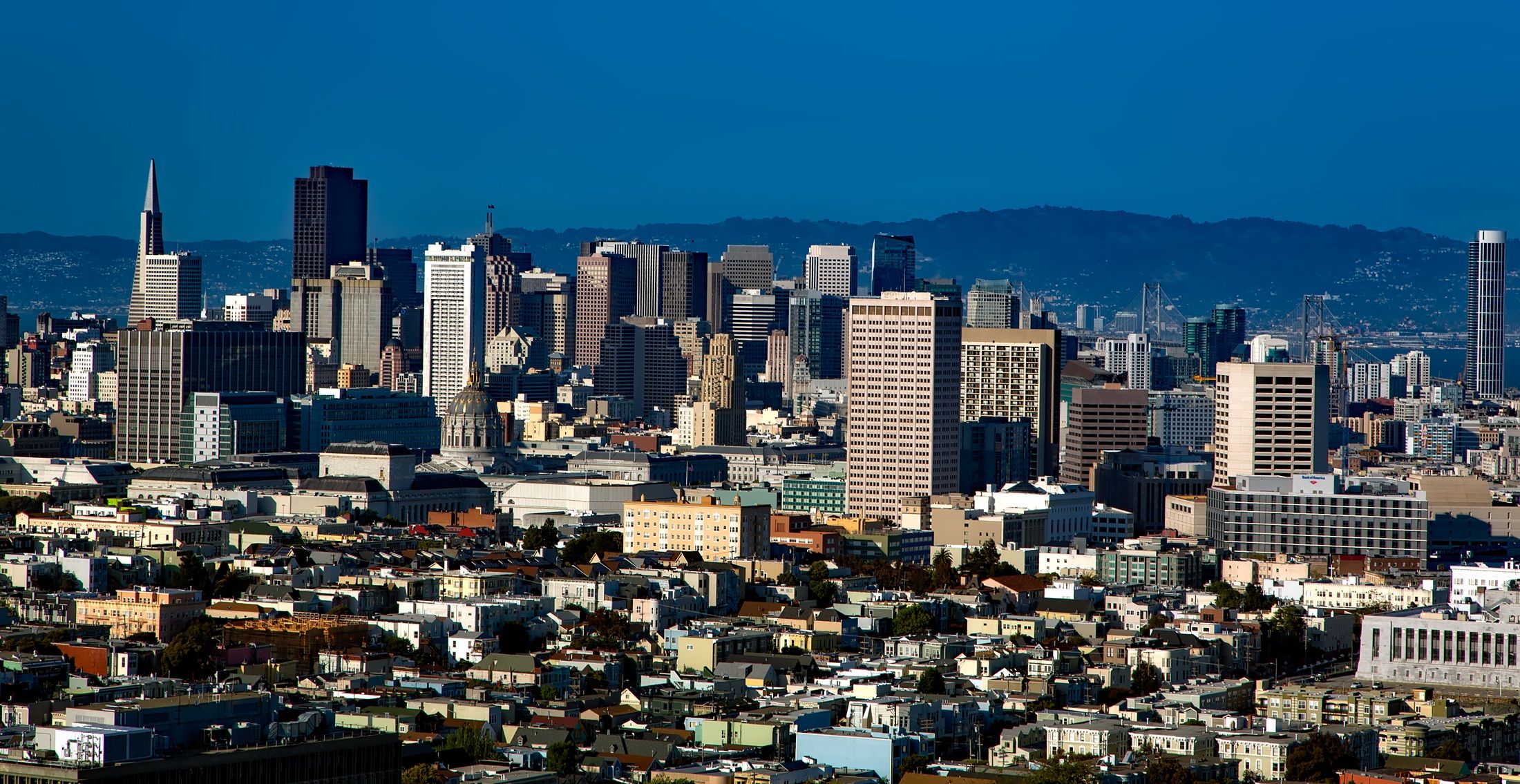
San Francisco sits at the top of the list, and few renters will be shocked. The city’s rental market is shaped by limited land, deep tech money, strict building limits, and a steady return of workers tied to the Bay Area’s booming artificial intelligence economy.
The average two bedroom rent is listed at $5,200 per month, with year over year rent growth of 15.8 percent. That kind of jump turns an already expensive city into a place where even strong salaries can feel strangely weak.
San Francisco’s problem is not just that people want to live there. It is that too many high earning renters are competing for too few homes in a city that has never built enough housing to match its economic power.
New York City
New York City ranks second, with an average two bedroom rent of $3,700 per month. That number is staggering, but for many New Yorkers, the bigger issue is how competitive the search has become.
The city’s finance, health care, tech, media, and service sectors continue to pull people in. At the same time, new housing has not kept pace with the pressure across the five boroughs.
Rent growth is listed at 4.29 percent year over year. That may sound modest compared with San Francisco, but in a market already near the breaking point, even a smaller increase can force renters to downsize, move farther out, or take on roommates they never planned for.
Boston’s
Boston comes in third, with an average two bedroom rent of $3,400 per month. The city’s economy is powered by hospitals, universities, biotech firms, and professional jobs, all of which keep demand strong.
The issue is supply. Boston has limited room, high construction costs, and a long running shortage of affordable housing. That makes every decent apartment feel like a race.
The city’s year over year rent growth is listed at 2.6 percent. For renters already spending a large share of their income on housing, that increase lands on top of grocery bills, student loans, child care, transportation, and every other cost that refuses to calm down.
Honolulu
Honolulu ranks fourth, with an average two bedroom rent of $3,250 per month. Its housing challenge is different from mainland cities because geography itself creates a hard limit.
There is only so much land to build on. Add tourism, military demand, overseas buyers, high construction costs, and limited long term rental supply, and the pressure becomes extremely difficult to escape.
Honolulu’s year over year rent growth is listed at 1.7 percent. The number may not look explosive, but the base cost is already so high that many renters are left with few affordable choices.
Miami

Miami ranks fifth, with an average two bedroom rent of $3,200 per month. The city remains a magnet for remote workers, retirees, investors, and people moving from higher tax states.
That demand has collided with Florida’s insurance crisis, rising property costs, and limited affordable housing supply. When landlords pay more to insure and maintain properties, those costs often find their way into rent.
Miami’s year over year rent growth is listed at 1.6 percent. The bigger story is not just the increase but the way Miami has transformed from a sunny bargain into one of America’s toughest rental markets.
San Diego’s
San Diego ranks sixth, with an average two bedroom rent of $3,087 per month. The city’s weather, beaches, job centers, and lifestyle make it one of the most desirable places in the country.
That desirability has a price. Coastal neighborhoods, downtown areas, and communities near major employers stay especially competitive, while lower income renters face fewer realistic options.
San Diego’s year over year rent growth is listed as slightly down by 0.17 percent. Even so, a tiny decline does not suddenly make the city affordable when the monthly cost remains above $3,000 for a two bedroom rental.
San Jose
San Jose ranks seventh, with an average two bedroom rent of $3,019 per month. The city sits at the heart of Silicon Valley, where high paying tech jobs keep demand strong.
Yet high incomes do not solve the housing shortage. Many residents still cannot afford to buy, which keeps them renting longer and puts more pressure on available apartments.
San Jose’s year over year rent growth is listed as down 3.5 percent. That decline may sound encouraging, but the city remains one of the most expensive rental markets in America because prices started from such an elevated level.
Los Angeles
Los Angeles ranks eighth, with an average two bedroom rent of $2,887 per month. The city is massive, but size has not translated into enough affordable housing.
Strict land use rules, expensive construction, high property costs, and heavy demand have helped keep the market tight. Renters often pay premium prices even when they live far from the jobs, beaches, and entertainment districts that give Los Angeles its global image.
Los Angeles rent growth is listed as down 2.7 percent year over year. But for working families, a small dip means little when the baseline remains painfully high.
Washington, D.C.
Washington, D.C., ranks ninth, with an average two bedroom rent of $2,803 per month. The city has strong job demand tied to government, lobbying, law, consulting, education, and nonprofit work.
The problem is that housing supply has not kept up. Zoning limits, historic district rules, and high demand have kept pressure on the rental market for years.
Rent growth is listed at 0.41 percent year over year. That is not a dramatic spike, but D.C. remains expensive enough that many renters still struggle to stay near work, transit, and the neighborhoods they know.
Jersey City
Jersey City rounds out the top 10, with an average two bedroom rent of $2,500 per month. For years, it served as a nearby alternative for people priced out of Manhattan.
That advantage has weakened. Luxury development, rising taxes, waterfront demand, and transit access have pushed Jersey City deeper into the high rent conversation.
The city’s year over year rent growth is listed at 2.6 percent. Even with rent controls and pockets of new construction, affordable units remain hard to find for residents who want access to New York jobs without paying New York prices.