Arizona’s housing story is starting to sound familiar again, and for buyers, that is the uncomfortable part. Across the U.S., the 2026 market is expected to move slowly, with forecasting only a 2.2% national home price increase and mortgage rates averaging about 6.3%.
Yet Arizona is not moving like one single market. Some towns are cooling, some are holding firm, and a few are quietly building the kind of demand that can push buyers out before they realize the window has closed.
That tension matters because Arizona added more than 67,000 residents between July 2024 and July 2025, a 0.9% growth rate that ranked the state among the 10 fastest-growing in the country. At the same time, Arizona added about 15,500 nonfarm payroll jobs in the first quarter of 2026.
When population growth, job growth, lifestyle migration, and limited desirable land all collide, prices need not explode overnight to hurt buyers. A 3%, 5%, or 10% jump can still be enough to knock thousands of families out of a preferred ZIP code.
Gilbert Is No Longer the “Affordable Alternative” It Used to Be
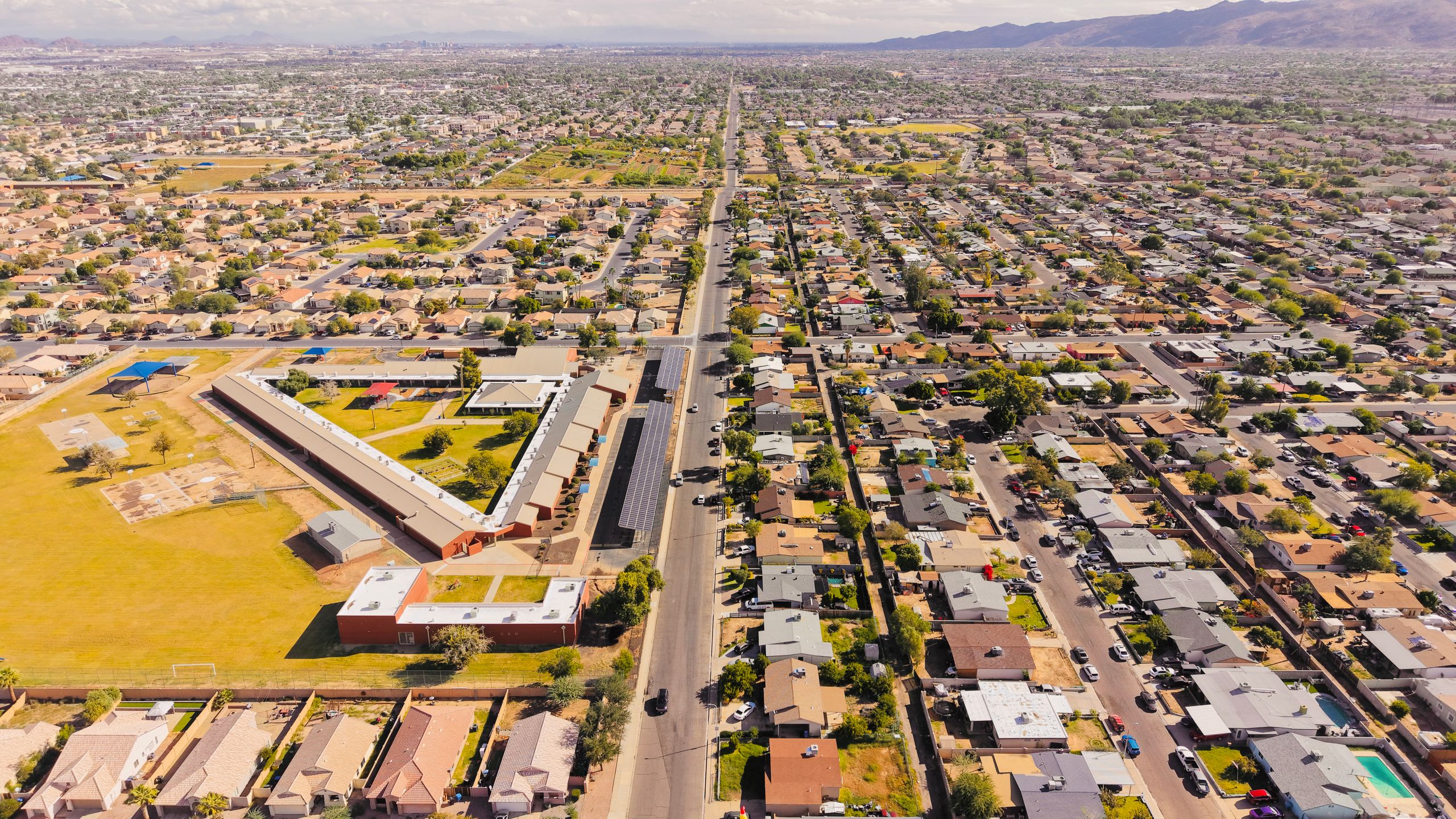
Gilbert used to feel like the calmer, more practical cousin of Scottsdale, but that label is getting harder to defend. Redfin’s recent data showed that homes in Gilbert were selling in the high $500,000 range, with a median near $577,000 over the three months ending May 2026.
That is still below Scottsdale-style luxury pricing, but it is far from cheap for a young family trying to buy with a 6% mortgage rate. The town’s schools, restaurants, family parks, and polished suburban feel keep demand alive even when prices soften slightly.
The danger for buyers is that Gilbert does not need a wild price surge to become painful. A 5% increase on a $577,000 home adds nearly $29,000 before taxes, insurance, interest, and closing costs are factored in.
The original housing story cited Gilbert’s median sale price of around $584,000, which already puts the town above the national median sale price reported by several housing trackers. For families who waited for a crash, Gilbert may be delivering something even more frustrating: small dips, strong demand, and very little true relief.
Flagstaff has the college-town premium that buyers cannot ignore.
Flagstaff is not just another Arizona town with pretty views. It has Northern Arizona University, cooler weather, outdoor tourism, four seasons, and a mountain-town lifestyle that many Phoenix buyers cannot find anywhere else in the state.
Redfin data recently showed Flagstaff’s median sale price sitting far above the national average, with the city’s cost of living about 18% higher than the U.S. average. That kind of premium makes sense when a town mixes students, retirees, remote workers, second-home buyers, and nature lovers into a single, limited market.
The original article noted that Flagstaff prices had been trending sharply higher year over year, and that point deserves attention because college towns often hold demand even when broader markets wobble. A buyer looking at a $725,000 home in a Flagstaff ZIP code could see an 8% price move translate into roughly $58,000 in added cost.
That is not pocket change. It is the kind of jump that can turn a realistic search into a rental renewal.
Queen Creek Is Growing Faster Than Its Small-Town Image

Queen Creek still sells itself with a softer image: family events, schools, open space, and a slower pace than central Phoenix. But the numbers tell a more complicated story.
Redfin’s recent three-month data showed Queen Creek’s median price around $619,000, with homes taking more than 70 days to sell. That sounds like buyers have more breathing room, but a six-figure income can still feel stretched when a “family-friendly” suburb costs more than $600,000.
This is where Queen Creek becomes interesting for a NewsBreak audience. The market may show short-term price softness, yet the long-term pressure is tied to growth, schools, land development, and the spillover from buyers priced out of Gilbert, Chandler, and Scottsdale.
A 4% rebound on a $619,000 home would add almost $25,000 to the price. For a family trying to save a 10% down payment, that kind of movement can erase months of progress.
Paradise Valley Is Playing a Completely Different Game
Paradise Valley is not a normal buyer’s market. It is Arizona’s luxury pressure cooker, where large lots, mountain views, privacy, and proximity to Phoenix and Scottsdale create a market that behaves differently from ordinary suburbs.
Redfin recently reported Paradise Valley’s three-month median sale price at around $4.4 million, with a separate monthly sale price above $4.6 million. Even a modest 3% increase in that range can add more than $130,000 to a home’s cost.
The broader human-interest angle is simple: Paradise Valley shows how split the Arizona market has become. Middle-class buyers are arguing over monthly payments, while luxury buyers are competing for land, views, and custom builds.
Homes there can sit longer, with recent data showing average market time around 91 days, but that does not mean affordability is improving. It means wealthy buyers can be selective while the price floor remains almost impossible for ordinary households to reach.
Goodyear Is Where Jobs and Housing Growth Could Collide
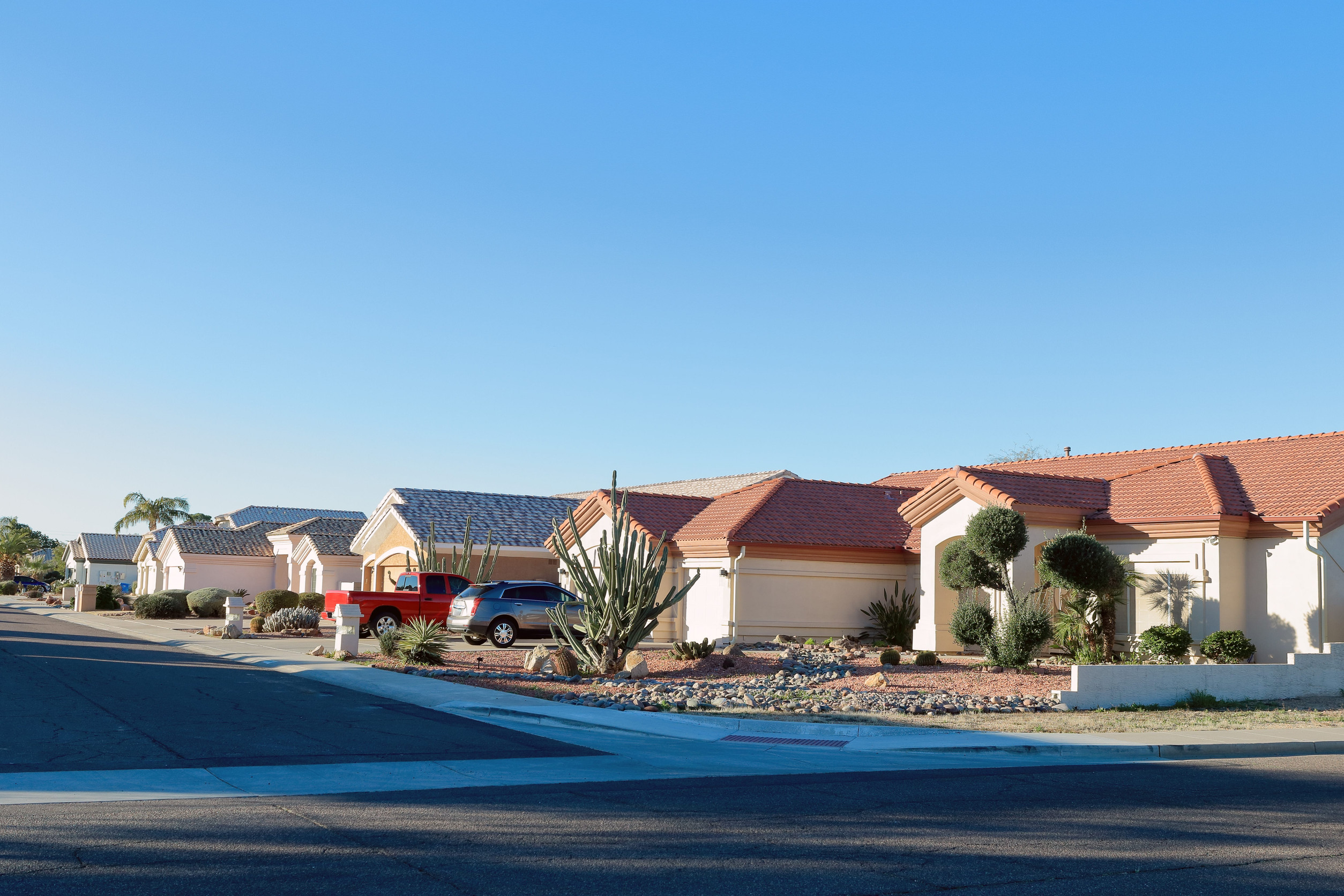
Goodyear has become one of the more practical West Valley names for buyers who want space, newer homes, and access to the Phoenix metro without paying east-side prices. Redfin data showed Goodyear’s median sale price around $480,000 in April 2026, with homes taking about 69 days to sell.
That is still expensive, but compared with $600,000-plus suburbs, it can look like a deal. This is exactly why buyers should watch it closely.
The bigger story is economic development. Arizona recently reported about 15,500 new nonfarm payroll jobs in the first quarter of 2026, and the West Valley continues to attract industrial, logistics, and tech-related investment.
If job growth keeps pulling workers west, Goodyear’s current price advantage could shrink quickly. A 6% increase on a $480,000 home adds nearly $29,000, which is enough to change a buyer’s loan approval, monthly payment, or neighborhood choice.
Chino Valley Could Pull in Buyers Tired of Phoenix Prices
Chino Valley is not trying to be Scottsdale, and that may be its strongest selling point. Redfin recently showed the town’s median sale price around $424,000, with prices up less than 1% year over year and homes selling faster than the previous year.
For buyers exhausted by Phoenix-area prices, that kind of number looks refreshing. It offers a quieter northern Arizona lifestyle without the same luxury sticker shock seen in Flagstaff or Paradise Valley.
The risk is that “affordable by comparison” can become a magnet. When a buyer sees $424,000 in Chino Valley next to $577,000 in Gilbert or more than $600,000 in Queen Creek, the math starts doing the marketing for them.
A 7% jump on a $424,000 home would add nearly $30,000, which could erase the very affordability that made the town attractive. Small markets can move fast when even a modest wave of buyers arrives.
Chandler Still Has the Job-Market Advantage
Chandler remains one of Arizona’s strongest suburban names because it combines housing, schools, restaurants, highways, and major access to employment. Redfin recently reported Chandler’s median price at around $520,000 over the three months ending May 2026, with 907 homes sold, up from 799 a year earlier.
That jump in sales activity matters because it suggests buyers are still moving even with rates near 6%-6.5%. A slower price trend does not mean weak demand.
Chandler’s appeal is less about fantasy and more about function. People buy there because it works for commuting, schools, family life, and tech-adjacent employment.
If prices rise just 4% from a $520,000 base, buyers are looking at roughly $21,000 in added cost. That may not sound dramatic compared with Paradise Valley, but for a household trying to keep monthly payments under control, it can be the difference between buying now and waiting another year.
Show Low May Be the Sleeper Market Buyers Underestimate
Show Low has a different kind of Arizona appeal. It offers mountain scenery, outdoor recreation, cooler temperatures, and a slower lifestyle than the Phoenix metro.
Redfin recently reported Show Low’s median sale price at around $513,000, with homes taking about 40 days to sell, compared with 23 days a year earlier. That slower pace may give buyers room to negotiate today, but it does not erase the town’s long-term lifestyle appeal.
The original story framed Show Low as a place with room to grow, and that angle makes sense because remote work, retirement planning, and climate preferences are changing how Americans choose smaller towns. A 5% move on a $513,000 home adds more than $25,000.
For buyers searching for a mountain-town feel without Flagstaff prices, Show Low may look like a bargain until enough people reach the same conclusion.