That uncomfortable bloating after lunch or unexpected stomach trouble after dinner might have more to do with your everyday food choices than you think. Some foods in your refrigerator or pantry can trigger digestive discomfort, even when they seem harmless.
According to the National Institute of Diabetes and Digestive and Kidney Diseases (NIDDK), certain carbohydrates can produce excess gas when intestinal bacteria break them down. Other foods may worsen acid reflux, indigestion, or diarrhea in sensitive individuals.
The surprising part? Some of these foods are considered healthy and nutritious. That doesn’t make them bad choices, but it does mean your digestive system may respond differently to them than someone else’s.
Here are 10 familiar foods to watch if your stomach regularly feels uncomfortable.
Fried Chicken and Other Greasy Foods

Crispy fried chicken, French fries, and other deep-fried favorites can be difficult to resist. Unfortunately, greasy meals may leave some people feeling uncomfortable long after eating.
High-fat foods can worsen indigestion and acid reflux in susceptible individuals. They may also worsen diarrhea, especially if someone already has digestive problems.
Large portions can make it harder to identify which part of the meal causes discomfort.
You don’t necessarily have to abandon your favorite fried foods. Smaller portions and alternative cooking methods, such as baking or grilling, may help you determine whether fat content contributes to your symptoms.
Milk and Other Dairy Products
Milk might be a daily breakfast staple, but it can also cause uncomfortable digestive symptoms in people who have trouble digesting lactose.
Lactose is the natural sugar found in milk and many dairy products. People with lactose intolerance don’t produce enough lactase, the enzyme needed to digest this sugar properly.
As a result, drinking milk or eating certain dairy products can lead to bloating, gas, stomach cramps, and diarrhea.
Ice cream and some soft cheeses can also cause problems, while certain people tolerate yogurt or hard cheeses better.
If dairy upsets your stomach, try lactose-free milk or discuss alternatives with a healthcare professional.
Beans
Beans are affordable, versatile, and nutrient-dense, making them popular in American kitchens.
However, they also contain carbohydrates that aren’t completely digested in the small intestine.
When these carbohydrates reach the large intestine, bacteria break them down and produce gas.
This can cause bloating, pressure, and excessive flatulence, especially if you suddenly start eating larger amounts of beans.
The NIDDK identifies beans, peas, and lentils among foods that can increase gas symptoms in some people.
Instead of eliminating beans entirely, try introducing them gradually and paying attention to serving sizes. Cooking dried beans properly and experimenting with different varieties may also make them easier to include in your meals.
Broccoli and Cauliflower
Vegetables are generally an important part of a balanced diet, but certain varieties can be surprisingly uncomfortable for sensitive digestive systems.
Broccoli, cauliflower, cabbage, and Brussels sprouts are cruciferous vegetables.
These vegetables contain fiber and carbohydrates that can contribute to gas production during digestion.
For some people, a large serving of raw broccoli or cauliflower can cause noticeable bloating.
Cooking these vegetables until tender and starting with smaller portions may make them easier to tolerate.
The important thing is recognizing your individual response rather than assuming these nutritious vegetables should disappear from your plate.
Onions
Onions appear in everything from burgers and sandwiches to soups, casseroles, and homemade sauces.
Yet this familiar ingredient can trigger symptoms in people with sensitive digestive systems.
Onions contain fructans, a type of fermentable carbohydrate that can cause digestive symptoms in people with irritable bowel syndrome (IBS).
Researchers at Monash University identify onions as a high-FODMAP food. FODMAPs are carbohydrates that attract water into the intestines and produce gas when gut bacteria ferment them.
Because onions are used in so many prepared foods, identifying them as a possible trigger isn’t always straightforward.
If you consistently feel discomfort after onion-heavy meals, track the ingredients and discuss persistent symptoms with a healthcare professional.
Garlic
Garlic adds flavor to countless everyday dishes, but its digestive effects can be similar to onions’.
Like onions, garlic contains fructans, which may cause bloating, abdominal discomfort, or changes in bowel habits in people sensitive to these carbohydrates.
The challenge is that garlic often appears in seasoning blends, salad dressings, pasta sauces, marinades, and packaged meals.
You might not realize how frequently you’re eating it.
For people following a professionally recommended low-FODMAP diet, Monash University suggests garlic-infused oil as one way to enjoy garlic flavor without consuming the fructans found in garlic cloves.
However, most people don’t need to eliminate garlic, and a restrictive diet should not be started casually.
Sugar-Free Candy and Chewing Gum
Sugar-free products might seem like an easy way to cut back on added sugar, but certain sweeteners can create unexpected digestive problems.
Ingredients such as sorbitol, xylitol, mannitol, and maltitol are sugar alcohols.
These sweeteners aren’t always completely absorbed in the small intestine.
For some people, consuming enough of them can lead to bloating, gas, and loose stools.
The NIDDK specifically identifies sugar-free candies and chewing gums containing sweeteners ending in “-ol” as possible contributors to digestive symptoms.
Chewing gum can also increase swallowed air, which can contribute to belching or gas.
Checking ingredient labels may help you see whether these sweeteners regularly appear in your diet.
Spicy Foods
Hot sauce, spicy wings, chili peppers, and heavily seasoned meals can bring plenty of excitement to the dinner table.
But for some people, spicy foods can also worsen heartburn or acid reflux.
The NIDDK lists spicy foods among commonly reported triggers for people with gastroesophageal reflux disease (GERD).
This doesn’t mean spicy meals cause digestive problems for everyone. Some people enjoy them regularly without experiencing any discomfort.
The amount of spice, meal size, and other ingredients can all affect how someone feels afterward.
If your favorite spicy dishes consistently trigger burning or discomfort, try reducing the heat before removing the dish entirely.
Wheat-Based Bread and Pasta
Bread, pasta, crackers, and other wheat-based foods appear in many everyday meals.
For some people, however, certain carbohydrates in wheat can contribute to bloating and digestive discomfort.
Wheat contains fructans, which can trigger symptoms in people with IBS who are sensitive to FODMAPs.
This differs from celiac disease, an autoimmune condition in which gluten damages the small intestine.
Not everyone who feels bloated after eating bread has gluten intolerance, and removing gluten without a clear reason can unnecessarily restrict food choices.
If wheat consistently causes problems, speak with a healthcare professional before making major changes. People who may need testing for celiac disease should generally continue eating gluten until testing is completed, unless their clinician advises otherwise.
Apples and Pears
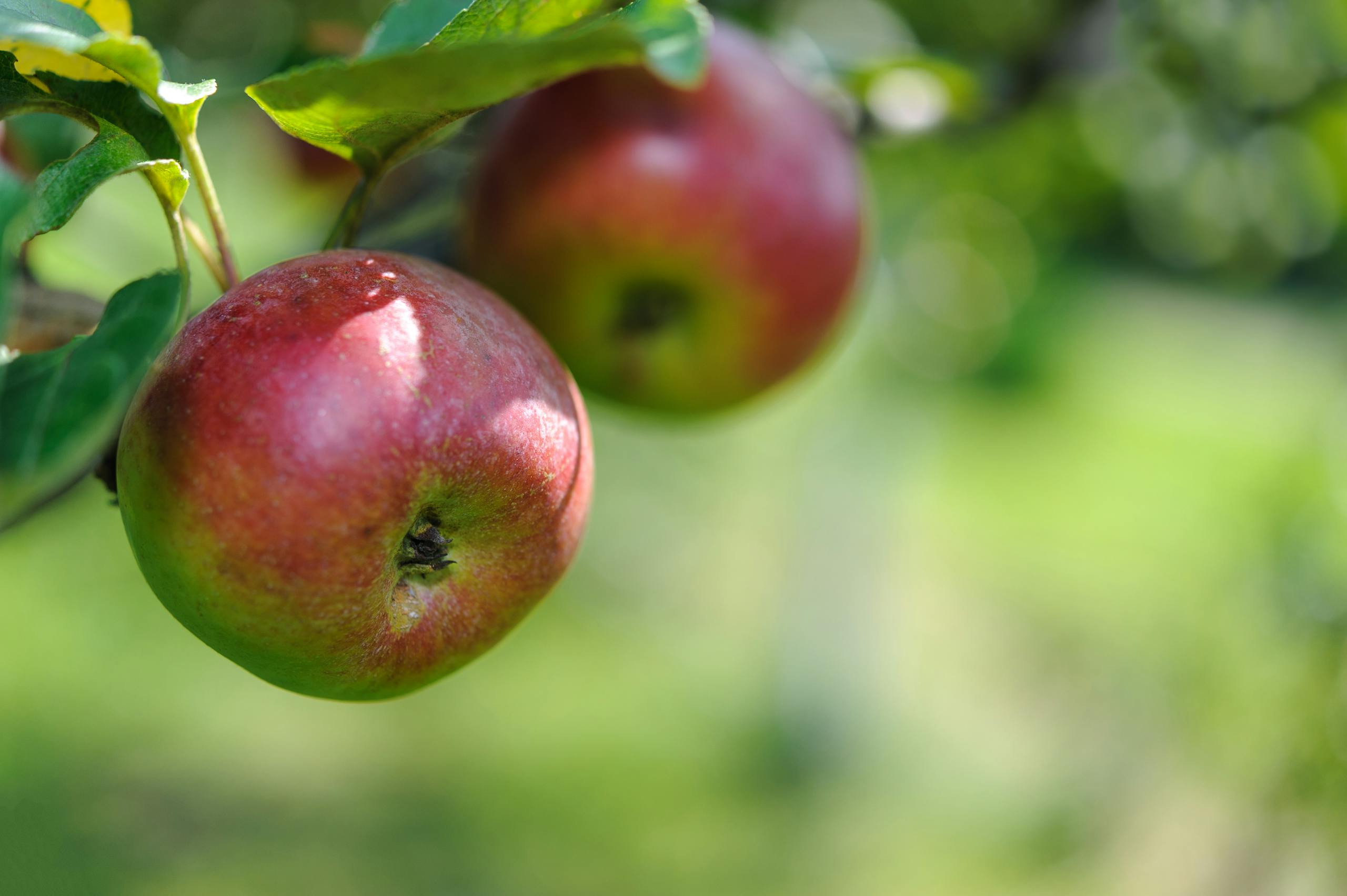
An apple or pear might seem like a simple, refreshing snack, but certain natural sugars in these fruits can cause digestive discomfort.
Apples and pears contain fermentable carbohydrates, including fructose and sorbitol, that may contribute to gas, bloating, or diarrhea in sensitive individuals.
The effect can be more noticeable with large servings or concentrated fruit juice.
That doesn’t mean these fruits are unhealthy or should automatically be avoided.
If you notice consistent symptoms, try smaller servings and, when needed, discuss suitable fruit choices with a dietitian.
Individual tolerance matters far more than labeling an entire fruit category as problematic.
How to Figure Out Which Foods Are Causing Problems
The key isn’t to remove every food on this list from your kitchen. It’s to understand which ingredients, if any, actually contribute to your symptoms.
One practical starting point is keeping a food and symptom journal. Record what you eat, approximately when you eat it, and whether you experience bloating, stomach pain, diarrhea, or heartburn afterward.
Look for patterns rather than blaming a single meal.
Portion size matters, too. A small serving of a particular food might be perfectly comfortable, while a much larger portion causes noticeable symptoms.
The NIDDK recommends tracking foods, symptoms, and their timing to help identify potential digestive triggers.
Persistent digestive symptoms deserve medical attention, particularly if they interfere with daily life. Seek prompt care for warning signs such as blood in the stool, unexplained weight loss, repeated vomiting, or difficulty swallowing.
The Bottom Line
Your everyday diet may contain foods that contribute to bloating, gas, heartburn, or other digestive discomfort without an obvious connection.
But here’s the key distinction: a food that causes symptoms for one person may taste great to another.
Milk, beans, vegetables, fruit, and whole grains can all fit into a balanced diet, even though some people may need to adjust their portions or choose alternatives.
Instead of treating these 10 foods as a list of things you should never eat, use them as a starting point to understand your own digestive patterns.
Sometimes, paying a little more attention to what you eat and how your body responds can help you make more comfortable, informed choices.