It starts with a small moment. You bend down to grab a laundry basket, and your knees sound like an old staircase. You wake up at 4:17 a.m. for the third time that week, then tell yourself everyone your age sleeps badly.
At work, you squint at your screen and blame the lighting. At the grocery store, you feel winded walking from the parking lot, then brush it off because life has been stressful. Bills are higher, family needs more, and doctor appointments feel easy to postpone.
That is how body changes after 50 often go unnoticed. They do not always arrive with drama. Many show up as tiny annoyances, quiet aches, slower recovery, or habits you start changing without noticing.
Some changes are normal parts of aging. Others deserve a closer look. The smart move is not panic, but attention.
Muscle Loss That Feels Like Ordinary Tiredness

After 50, many people notice that carrying groceries, climbing stairs, or getting up from a low couch takes more effort. It can feel like simple fatigue, especially after work or a busy day with family. The bigger issue is that muscle strength can decline gradually, so the change may feel normal before it feels serious.
Strength training becomes more than a fitness trend at this stage. Guidance for older adults recommends aerobic activity and muscle-strengthening work on 2 or more days each week, targeting all major muscle groups through weekly movement goals. Even basic resistance bands, bodyweight squats, or light dumbbells can help protect independence.
Sleep Changes That People Laugh Off Too Easily
Many people after 50 start waking earlier, sleeping lighter, or feeling tired even after a full night’s sleep. They may joke about becoming their parents, but poor sleep can affect mood, memory, hunger, patience, and energy. A rough night here and there is normal, but a long pattern deserves attention.
Aging can alter sleep timing, and older adults may shift toward earlier bedtimes and wake times as part of normal sleep patterns. Still, loud snoring, gasping, constant daytime sleepiness, or waking exhausted should not be ignored. Those clues can indicate issues that require medical advice.
Blood Pressure That Rises Without Making Noise
High blood pressure can feel unfair because it often gives no obvious warning. A person may look and feel fine yet still have numbers that put extra strain on the heart, brain, kidneys, and blood vessels. That is why many people miss it until a routine checkup catches the problem.
This is one of the body changes after 50 that deserves regular tracking. The danger lies in the silence, since high blood pressure often has no signs or symptoms and can still create serious health problems. A home cuff, pharmacy reading, or annual exam can turn a hidden risk into something manageable.
Vision Shifts That Get Blamed on Bad Lighting

The restaurant menu looks smaller than it used to. Night driving feels harsher. Phone text gets enlarged one more time, then one more after that. Many people laugh it off, but vision changes can affect driving, reading, balance, work performance, and confidence.
Eye changes after 50 can include trouble focusing up close, glare sensitivity, dryness, and changes linked to cataracts or other conditions. Squinting through life is not a badge of toughness. A regular eye exam can catch problems early and make everyday life feel easier.
Hearing Changes That Quietly Shrink Social Life
Hearing loss rarely announces itself with a dramatic switch. It often begins with missed words in busy restaurants, louder TV volume, or family members asking you to repeat yourself. People may blame mumbling, background noise, or bad acoustics before admitting their hearing has changed.
The emotional cost can be bigger than the sound problem. Sensory changes can affect communication and may even make it harder to remain socially involved as we age. When conversations become tiring, people may pull back without realizing why.
Balance Problems That Feel Like Clumsiness
A stumble on the sidewalk can seem harmless. So, can holding the railing more often or feeling slightly unsteady in the shower. After age 50, balance can change due to vision, inner ear issues, medications, muscle weakness, or nerve changes.
The danger is that people often ignore balance until a fall forces the conversation. Falls can change everything, from work routines to family roles to confidence at home. If balance feels different, it is worth discussing with a clinician before it becomes a bigger problem.
Joint Stiffness That Sneaks Into the Morning
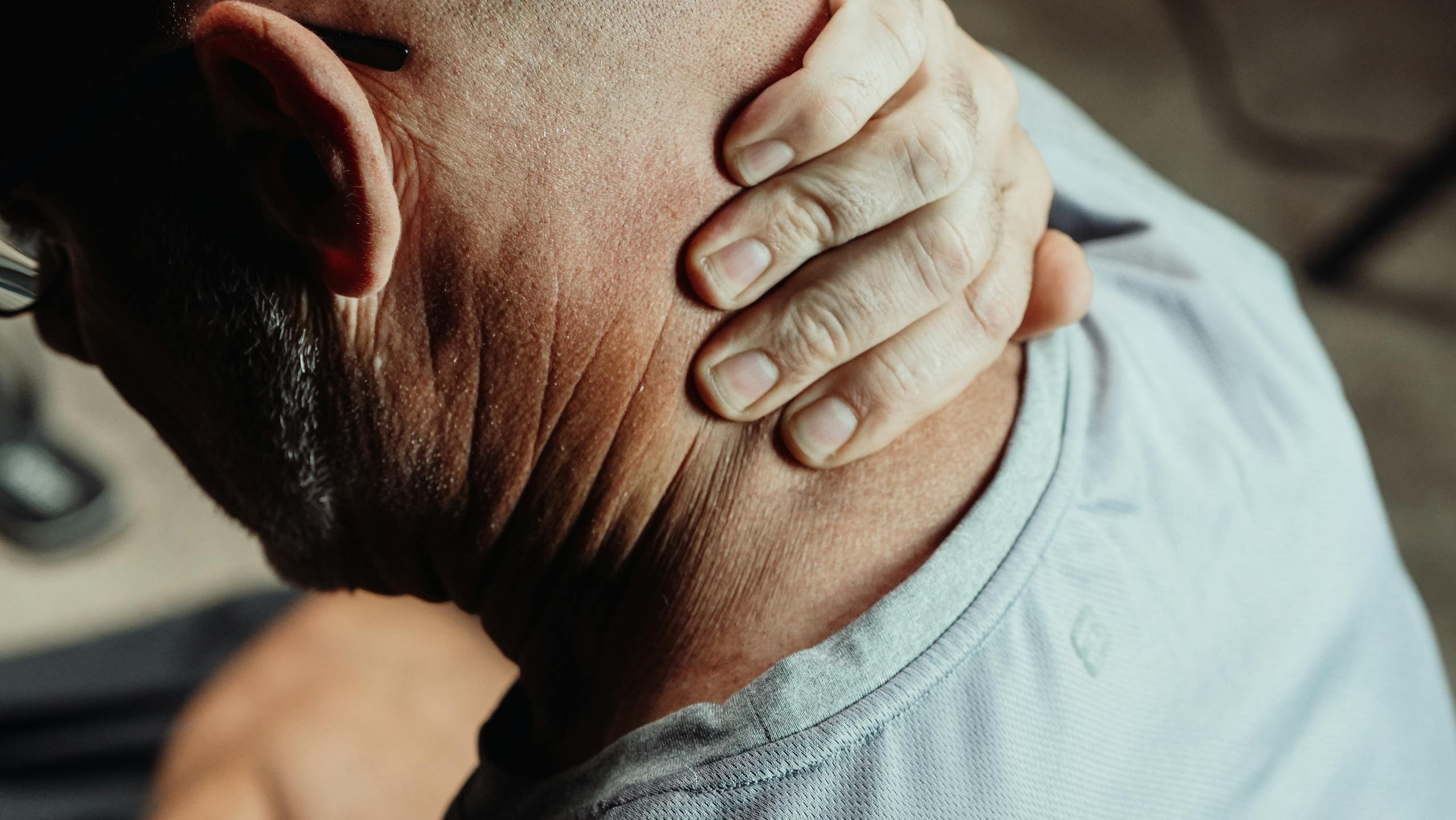
Morning stiffness can become part of the soundtrack after 50. Knees complain on stairs, hips tighten after long drives, and fingers may feel less smooth during small tasks. Many people treat this as the price of getting older and move on.
Some stiffness is common, but persistent swelling, sharp pain, redness, or loss of movement should not be dismissed. Movement, stretching, weight management, and medical guidance can make a major difference. The goal is to keep joints useful, not to prove you can suffer quietly.
Weight Shifts That Do Not Match Old Habits
A person can eat the same breakfast, walk the same block, and still notice the waistband getting tighter. After 50, changes in muscle mass, hormones, sleep, activity, and stress can all affect weight. The old rules may stop working as neatly as they once did.
This can feel emotionally frustrating, especially in a culture that turns body changes into personal failure. It is not always about willpower. A smarter response focuses on strength training, protein intake, sleep, medication side effects, alcohol habits, and daily movement rather than chasing punishment diets.
Skin That Gets Thinner, Drier, and Easier to Bruise
Skin after 50 can start acting differently. It may feel drier, heal more slowly, bruise more easily, or show sun damage that sat quietly for decades. Many people focus only on wrinkles, but skin changes are about comfort and health, too.
Aging skin often becomes thinner and less elastic, and older adults may notice changes in dryness, bruising, and healing. Moisturizer, sunscreen, hydration, and skin checks can all matter. A new mole, bleeding spot, or sore that does not heal should be given prompt attention.
Key Takeaway
Body changes after 50 do not mean the body is falling apart. They mean the body is sending different signals, and those signals deserve respect. Muscle loss, sleep shifts, blood pressure changes, vision problems, hearing loss, balance issues, joint stiffness, weight changes, and skin changes can all subtly shape daily life.
The most powerful move is paying attention before small problems become bigger ones. Track what changes, ask questions, get routine checkups, and stop treating discomfort as a personality trait. Aging does not have to mean ignoring the body. It can mean finally listening to it with more wisdom.