You can feel it in the lobby before the interview starts. One person walks in looking prepared, calm, and pulled together. Another walks in with wrinkled sleeves, scuffed shoes, and a shirt that looks like it lost a fight with the dryer.
Nobody has spoken yet, but the room is already reading them.
That is the quiet power of style in everyday America. At work, church, school meetings, first dates, family cookouts, airports, courtrooms, and coffee shops, clothes begin the conversation before your mouth catches up.
What your clothes reveal is not always about money or designer labels. More often, they hint at confidence, self-respect, habits, stress, personality, and how much attention you give to the moment you are walking into.
How Prepared Do You Feel
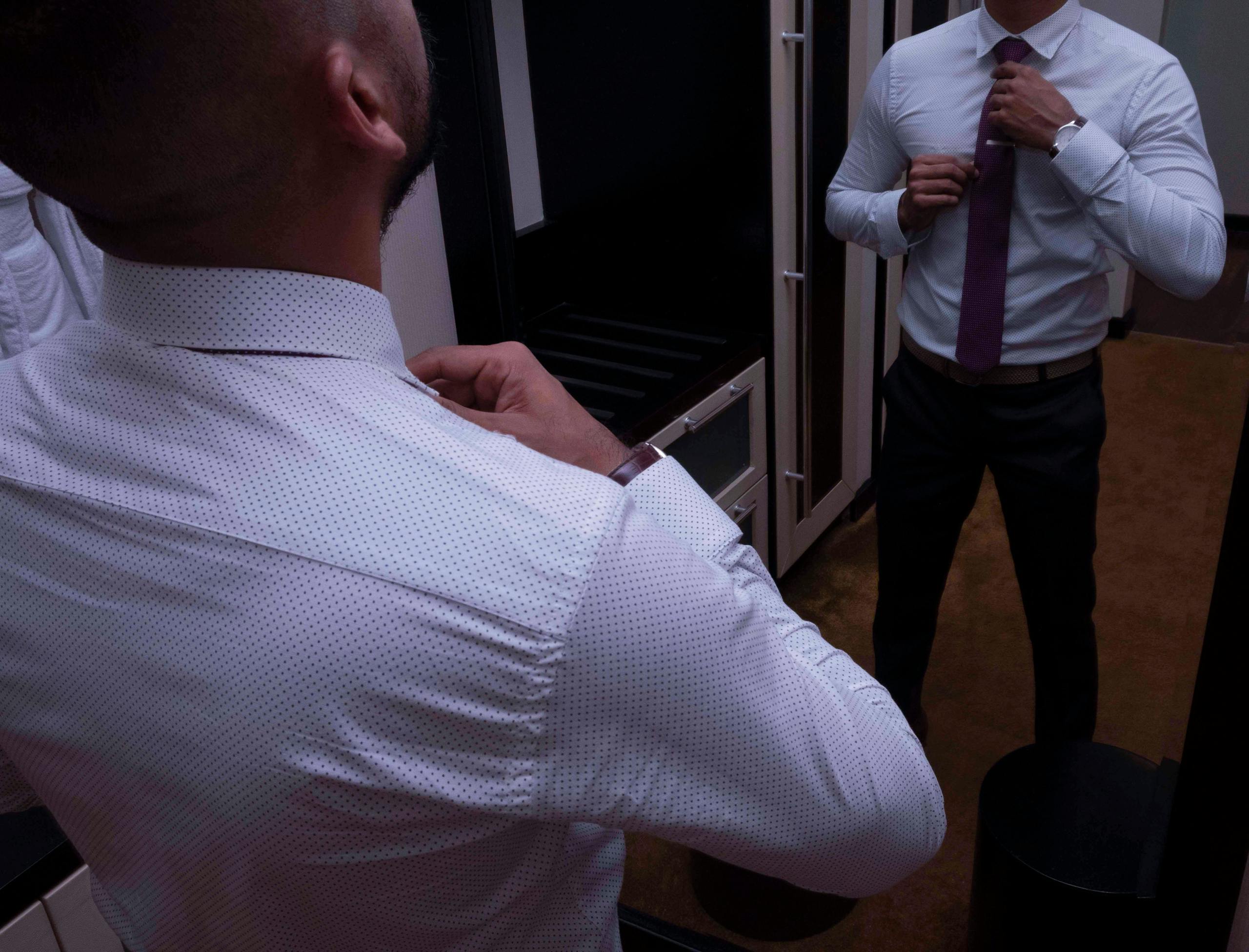
Prepared people often dress as if the day mattered. Their shirt is clean, their shoes make sense, and their outfit looks chosen rather than grabbed in a panic. That does not mean they are wearing expensive clothes. It means the details look intentional.
People notice intention quickly. Research on dress and perception shows that clothing plays a role in how people judge others in social situations. A neat outfit can quietly suggest that you respect your own time and the time of everyone around you.
Your Confidence Level
Confidence has a look, but it is not always loud. It can be a well-fitting jacket, a clean white shirt, dark jeans that sit right, or a dress that lets someone move without fussing. Confident clothes do not beg for attention. They simply look comfortable on the person wearing them.
The opposite shows up when someone keeps pulling, hiding, tugging, or adjusting. That kind of discomfort can make even a beautiful outfit look uncertain. Clothes reveal confidence when they allow you to stand, sit, walk, and breathe as if you belong in the room.
How You Handle Stress
A stressful season often sneaks into the closet. Laundry piles up, favorite clothes get lost in the clutter, and comfort becomes the only priority. A person may not say they are overwhelmed, but stained cuffs, mismatched layers, and worn-out basics can whisper it first.
That does not make anyone lazy. Life gets heavy. Bills rise, work stretches late, kids need everything at once, and caregiving can drain the energy out of basic routines. Still, clothing can serve as a small warning light that signals a person needs rest, structure, or support.
Whether You Understand the Room

Every setting has an unspoken dress code. A backyard barbecue does not require the same energy as a funeral, board meeting, courthouse visit, or a first meeting with future in-laws. People who read the room well usually dress with the moment in mind.
This matters because clothes can signal respect before words do. Formal clothing has long been tied to status and power in social settings, but the smartest dresser knows when to soften that power. Looking right for the room often matters more than looking expensive.
Your Relationship With Money
Clothes can hint at money stress, but not always in the way people assume. A person can wear affordable clothes and look sharp. Another can wear costly brands and still look careless. The real signal is usually maintenance, fit, and how well the pieces work together.
A thoughtful outfit can make a modest budget look polished. Clean sneakers, hemmed pants, a steamed shirt, and simple colors can stretch style further than a flashy logo. Clothes reveal money habits by showing whether someone buys with care or grabs whatever promises status.
How Much You Respect Yourself
Self-respect is not about dressing up every day. It is about showing that you believe you are worth basic care. A clean outfit, groomed hair, and clothes that fit your current body can speak with quiet dignity.
Many Americans know the feeling of saving the “good clothes” for some perfect future version of themselves. That future may never come. Wearing clothes that honor your body now can shift the way you carry yourself today.
Your Taste for Attention

Some people dress to enter a room softly. Others dress to make the room turn. Neither choice is automatically wrong. Clothing reveals whether someone wants to blend in, stand out, charm, provoke, impress, or entertain.
Bright colors, bold prints, dramatic accessories, and unusual silhouettes all say something. Color research has explored how clothing color cues can influence perception and emotion. The message changes depending on the setting, but the color rarely stays the same.
How Current You Are
Outdated clothes are not always old clothes. A vintage jacket can look fantastic. The problem starts when an outfit looks frozen in a past decade without intention, especially if the hair, shoes, and accessories tell the same story.
Looking current does not mean chasing every TikTok trend or dressing like a teenager. It means understanding proportion, fit, fabric, and small updates. A slimmer shoe, cleaner denim, softer tailoring, or fresher eyewear can pull a whole wardrobe into the present.
Your Daily Discipline
People often think discipline looks like big achievements. Sometimes, it looks like folded laundry, polished shoes, and a coat with its buttons still on. Clothing can reveal whether a person pays attention to small responsibilities when nobody is clapping.
That small discipline can shape how others respond. Studies on clothing and the mind suggest that what we wear can influence how we think and perform. A put-together outfit may help others see you differently, but it can also help you feel more ready.
Conclusion
Clothes do not define a person, but they do introduce them. Long before a handshake, smile, résumé, joke, or apology, fabric has already entered the room. It tells people whether you seem ready, rushed, careful, creative, guarded, stressed, confident, or aware.
The things your clothes reveal are powerful because they feel ordinary. A sleeve, a shoe, a color, a collar, a hem, or a jacket may seem small, but small details add up fast. That is especially true in a world where people make quick calls in offices, restaurants, airports, on dating apps, and at family gatherings.
The goal is not to dress for everyone else. It is to dress in a way that supports the version of you who is trying to move through life with more ease, respect, and presence. When your clothes tell the truth with confidence, you do not have to work as hard to explain yourself.