Imagine serving your country, wearing the uniform, following orders, and then opening a government form that suddenly makes your faith feel smaller than it did yesterday.
That is the uneasy feeling behind the Pentagon’s latest religious affiliation fight. The Department of Defense cut its service member faith codes from more than 200 choices to just 31, a move officials framed as a way to help chaplains better support troops. But the change quickly turned into a political and cultural mess after Latter-day Saint lawmakers objected to how their church appeared on the list.
This is not a national law deciding which religions Americans can practice. That needs to be clear. But inside the military, a named category can carry real meaning for service members who rely on those records for chaplain support, religious accommodations, burial preferences, and basic recognition.
The newest development made the controversy even sharper. After backlash, the Pentagon revised the list by removing the “Christian” label from the denominations listed, rather than adding it only where critics demanded it. The fight now raises a blunt question: when the government simplifies religion, who ends up feeling erased?
A Faith Box Suddenly Got Smaller
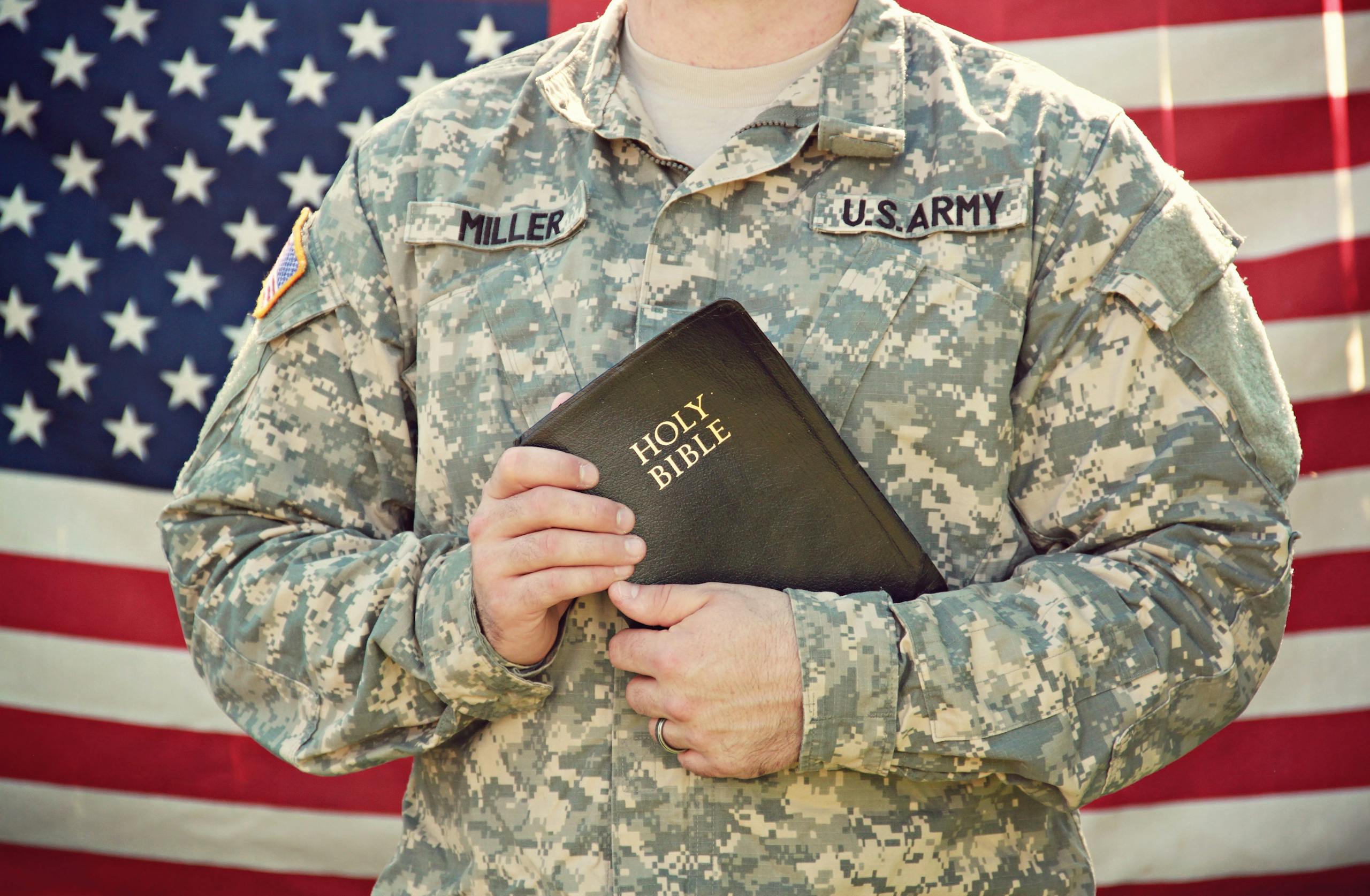
The Pentagon’s old system gave service members more than 200 religious affiliation codes. That long list may have looked messy, but it allowed troops to identify with many specific traditions. The new version shrank those choices to 31, according to a reported reduction in the number of religious affiliation codes.
Officials said the change was meant to help chaplains quickly understand the broad religious makeup of their units. That sounds practical until a service member’s exact faith no longer appears by name. A clean database can still leave people wondering why their belief got pushed into a broader box.
That is why this story caught fire. Religion is not a lunch preference or a shirt size. For many troops, it reaches into grief, family, identity, deployment stress, and death. When the government changes the label, people notice.
Latter-day Saints Became the Flashpoint
The Church of Jesus Christ of Latter-day Saints remained on the list, but the first version did not classify it the same way as many Christian denominations. That sparked anger among Mormon lawmakers, especially from Utah. They argued the Pentagon had no business appearing to decide whether Latter-day Saints count as Christian.
For members of the church, the issue was deeply personal. The church’s name centers on Jesus Christ, and many Latter-day Saints strongly identify as Christians. So the classification felt less like paperwork and more like a public slight.
The Pentagon later changed course after the backlash. Reporting on the Pentagon’s revised faith categories said the updated version removed the “Christian” descriptor rather than applying it selectively. That fix avoided one fight, but it exposed a bigger one.
The Government Tried Not to Play Pastor
The Pentagon’s correction was careful. Instead of declaring one group Christian and another group not Christian, it stripped the broader “Christian” tag from the listed denominations. That approach may reduce the chance of the government appearing to be a referee in a theological argument.
That matters because the military serves Americans from many belief systems. It cannot function well if troops believe official forms rank faiths by acceptability. Even the appearance of that can damage trust.
Still, the fix does not erase the original concern. If a powerful faith community needed lawmakers to push back, what happens to smaller groups with fewer defenders? That question lies at the heart of the entire controversy.
Smaller Groups May Feel the Cut More Deeply
The Mormon dispute grabbed headlines, but other groups may feel the list reduction even harder. Reports said the shortened list no longer includes atheists, Unitarian Universalists, pagans, or Wiccans as named choices. Broader options such as “no religion,” “agnostic,” and “other religions” still exist, but those labels do not carry the same precision.
For people outside the dominant religious categories, recognition can matter. A named option says, “We know you are here.” A catchall category says, “Find the nearest bucket.” That difference may sound small to outsiders, but it can feel huge to someone already serving in a rigid institution.
Military life already asks service members to surrender control over location, schedule, privacy, and risk. Faith is one of the few areas where personal identity remains intensely private. Losing a clear label can feel like losing one more piece of self.
Chaplain Support Is Not Just Sunday Service
Pentagon officials have argued that the new list helps chaplains allocate support. That goal is reasonable. Chaplains need useful data, especially in large units with varied needs.
But religious support is not limited to worship services. It can involve dietary needs, holy days, grief rituals, moral injury, family counseling, religious items, funeral preferences, and end-of-life care. The Defense Department’s military religious accommodation policy says requests should be reviewed individually, with mission needs and the least restrictive means considered.
That is where broad labels can create problems. A commander may see “other religions” and miss the actual needs inside the unit. A chaplain may want to help but lack a clear picture. A service member may still have rights, but the system may no longer make those needs easy to see.
The Real Fight Is Over Visibility
The Pentagon says the list is not a statement about which religions are legitimate. That distinction matters. Americans still have constitutional religious freedom, and service members can still practice faiths not named on the shortened list.
Yet public trust does not work through fine print alone. A government list conveys a message, even when officials say it is only administrative. If your faith disappears from a named category, the explanation may not remove the sting.
This is why the controversy has legs. It blends religion, politics, military culture, and identity into one combustible question. The Pentagon wanted cleaner data. Some Americans saw a warning about who gets counted clearly and who gets filed under “other.”
A uniform can make every service member look the same from across a parade ground. Their faith, doubt, conscience, and grief are not the same. If the military can ask people to risk their lives, should it also make room for them to name what they believe with more care?