Some of America’s most satisfying comfort foods prove that yesterday’s dinner can become tomorrow’s favorite meal.
You know that moment when you open the refrigerator and find a little roast chicken, a container of rice, half an onion, and a few vegetables left over from dinner? None of it looks particularly exciting on its own, but throwing everything away feels wasteful.
American home cooks have long found creative ways to stretch ingredients, save money, and turn leftovers into something worth sitting down for. Some dishes have roots in older culinary traditions, while others evolved through generations of practical home cooking. Either way, the results can be surprisingly delicious.
Meatloaf
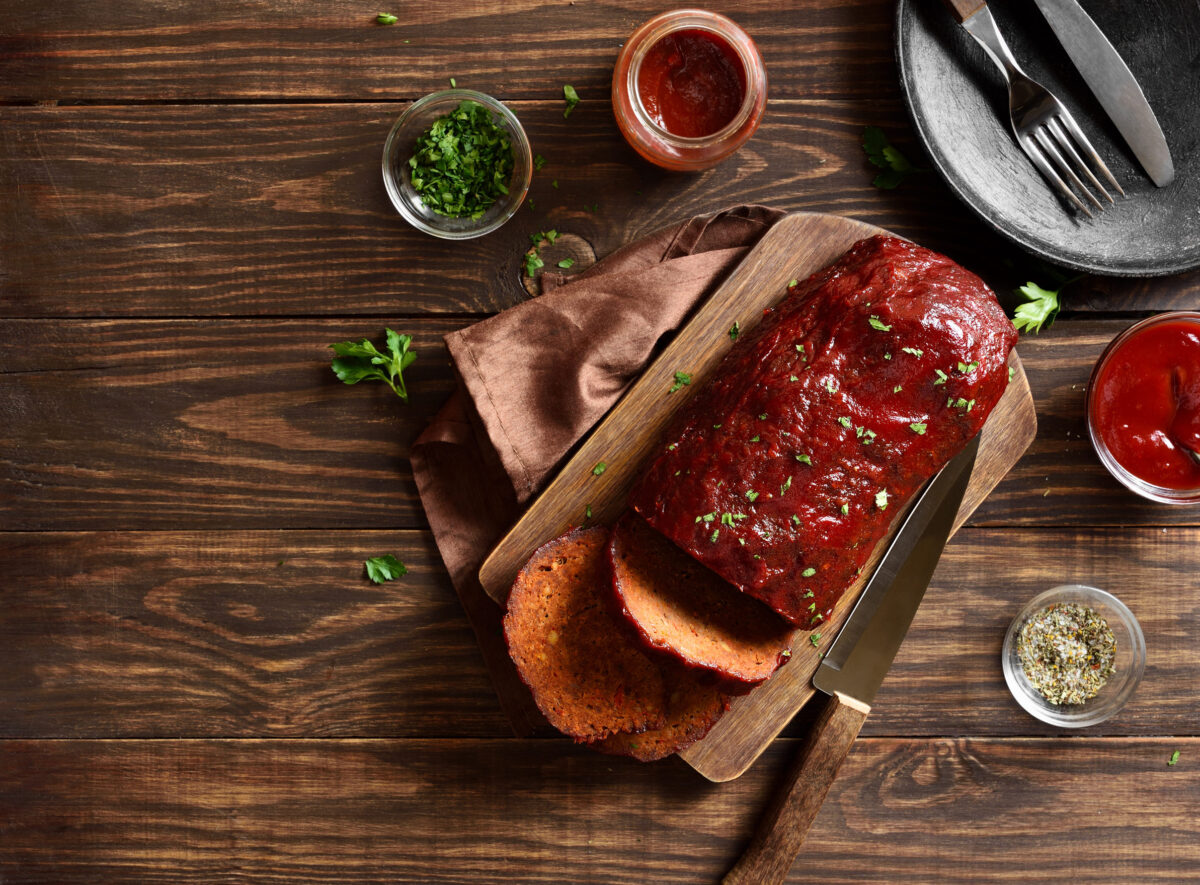
A little leftover meat and a handful of pantry staples can inspire a wonderfully satisfying dinner.
Meatloaf has become a familiar American comfort food, but it has long been a way to stretch ingredients. Earlier versions of chopped-meat dishes helped households make economical use of available food, while modern American recipes developed their own combinations of ground meat, breadcrumbs, eggs, onions, and seasonings.
Meatloaf’s beauty is its flexibility. You can incorporate finely chopped vegetables, herbs, or small amounts of cooked ingredients that complement the mixture. The trick is maintaining the right balance of moisture and binding ingredients so the loaf holds together without becoming dense.
For a deeper look at the dish’s evolution, explore Bon Appétit’s history of American meatloaf. Serve it with mashed potatoes and green beans, then save any extra slices for sandwiches the following day. A little ketchup or mustard can make that second meal every bit as enjoyable.
Related: 12 Old-Fashioned Foods Your Grandma Made That You Rarely See on Dinner Tables Today
Fried Rice
Yesterday’s rice can become a completely different meal with a hot pan and a few simple additions.
Fried rice has roots in Chinese cooking, but it’s also a favorite in American kitchens and takeout restaurants. It is an excellent example of how cooking traditions travel, adapt, and become part of everyday food culture.
Cold, properly refrigerated rice works particularly well because it’s less sticky than freshly cooked rice. Toss it into a hot pan with vegetables, scrambled egg, and a little soy sauce. Add leftover chicken or another cooked protein if you have some available.
The secret is avoiding an overcrowded pan. Too many ingredients can cause the rice to steam instead of fry, leaving it softer than you want. Remember food safety, too. Refrigerate cooked rice promptly, keep it cold, and reheat it thoroughly before serving.
Bread Pudding
Stale bread can become a warm, custardy dessert that feels far more luxurious than its humble ingredients suggest.
Before you throw away that slightly dry loaf, consider giving it a second life. Bread pudding combines bread with a mixture typically made from milk or cream, eggs, sugar, and flavorings, allowing the pieces to absorb the liquid before baking.
American cooks have enjoyed many versions of pudding over the centuries, with recipes reflecting both economical household cooking and more elaborate desserts. Older pudding traditions often provided a practical way to use stale bread and other leftovers.
For historical context, the Smithsonian explores how pudding became an important part of American food traditions. Add cinnamon, vanilla, raisins, or chopped apples to make your own version. Serve it warm, perhaps with a little cream or caramel sauce, and nobody needs to know that the main ingredient was yesterday’s forgotten bread.
Potato Hash
Those leftover roasted potatoes might be the beginning of your next great breakfast.
Potato hash is a practical way to turn cooked potatoes into a crisp, savory meal. Add chopped onions, peppers, and leftover cooked meat, then fry everything in a skillet until the edges turn golden.
Adjust the ingredients to suit what you have. Leftover roast beef, chicken, sausage, or vegetables all work, as long as they’re stored safely and still good to eat.
For breakfast, top the finished hash with a fried egg. For lunch or dinner, serve it alongside a simple salad or steamed vegetables.
The best part is the contrast between the crispy potato edges and the softer ingredients underneath. Leave the potatoes enough room in the pan, and resist stirring constantly so they can brown.
Chicken Pot Pie
A little leftover chicken can turn into the kind of comforting dinner everyone wants on a chilly evening.
Chicken pot pie brings together cooked chicken, vegetables, a creamy filling, and a pastry crust. It belongs to a broader tradition of savory pies that turned available ingredients into useful, filling meals.
To make a practical version at home, combine leftover cooked chicken with vegetables such as peas, carrots, and onions. Stir in a seasoned sauce, cover with pastry, and bake until the filling bubbles and the crust turns golden.
You don’t have to make everything from scratch. Frozen vegetables and ready-made pastry can make the process much easier on a busy evening.
Just make sure the filling is heated thoroughly and the pie reaches a safe temperature before serving. Pair it with a simple green salad if you want something fresh alongside all that buttery comfort.
Gumbo
A pot of gumbo shows how different ingredients and culinary traditions can come together in one deeply flavorful dish.
Louisiana gumbo is more than a way to use whatever ingredients are available. It reflects a rich culinary history shaped by African, French, Indigenous, Spanish, and other cultural influences.
Recipes vary widely, with combinations that may include seafood, chicken, sausage, vegetables, and a flavorful broth served over rice. That flexibility makes gumbo a useful source of inspiration when you have small amounts of cooked protein or vegetables to use.
The important thing is building flavor rather than simply emptying the refrigerator into a pot. A carefully prepared base, appropriate seasonings, and complementary ingredients make all the difference. Explore the dish’s cultural background in PBS’s account of gumbo as history. If you already have cooked chicken or seafood, add it at the appropriate stage so it heats through without becoming tough or overcooked.
Vegetable Soup
Almost-forgotten vegetables can become a delicious dinner when they meet a flavorful broth.
A few carrots, some celery, leftover potatoes, and half an onion may not look like much individually. Together, they can provide the foundation for a warming pot of vegetable soup.
Start by softening the onion and other aromatics in a little oil. Add chopped vegetables, broth, herbs, and seasonings, then simmer until everything is tender. Beans, cooked chicken, or leftover rice can make the soup more substantial.
You can also blend part of the soup to thicken it without adding cream. This works especially well with potatoes, beans, pumpkin, or other starchy vegetables. The secret is tasting as you go. A squeeze of lemon, a little black pepper, or fresh herbs at the end can brighten the whole pot.
The Leftover Sandwich
Sometimes, the simplest second meal is the one you look forward to most.
A sandwich can transform leftover roast chicken, turkey, beef, or vegetables into something that feels completely new. The difference often comes down to texture, seasoning, and choosing the right bread.
Layer sliced meat with crisp lettuce, tomato, cheese, or pickles. Add mustard, mayonnaise, or a homemade sauce that complements the filling. If you have leftover roasted vegetables, try combining them with hummus or cheese for a satisfying meat-free option.
Warm fillings can work beautifully in toasted sandwiches, while cold leftovers are ideal for quick lunches when they have been refrigerated safely.
Give Your Leftovers Another Chance
A good meal doesn’t always start with a full shopping bag.
Meatloaf, fried rice, bread pudding, potato hash, pot pie, gumbo, vegetable soup, and sandwiches all demonstrate how versatile everyday ingredients can be. Some have deep historical roots, while others are practical ways to make the most of what you already have.
Before throwing away usable ingredients, consider whether they could become tomorrow’s lunch, a quick breakfast, or a comforting family dinner. Store leftovers promptly, keep them at safe temperatures, and discard anything stored improperly or showing signs of spoilage. With a little imagination, yesterday’s dinner can become something you genuinely want to eat again.
Now tell us: what is your favorite way to use leftovers, and have you ever created a meal so good that your family asked you to make it again?