The grocery bill may look a little calmer overall, but some familiar foods are still quietly taking a bigger bite out of shoppers’ budgets. From morning coffee to weekend steaks, several grocery items have climbed far faster than the average food price increase, leaving many Americans adjusting what they buy and how often they buy it.
The latest government data shows grocery prices aren’t rising evenly across the store. While food-at-home prices increased 2.7% from July 2025 to July 2026, some individual categories posted much larger jumps because of supply issues, market changes, and higher production costs.
For shoppers wondering why certain items suddenly feel more expensive, these are some of the biggest price movers to watch.
Coffee is still one of the biggest grocery pain points
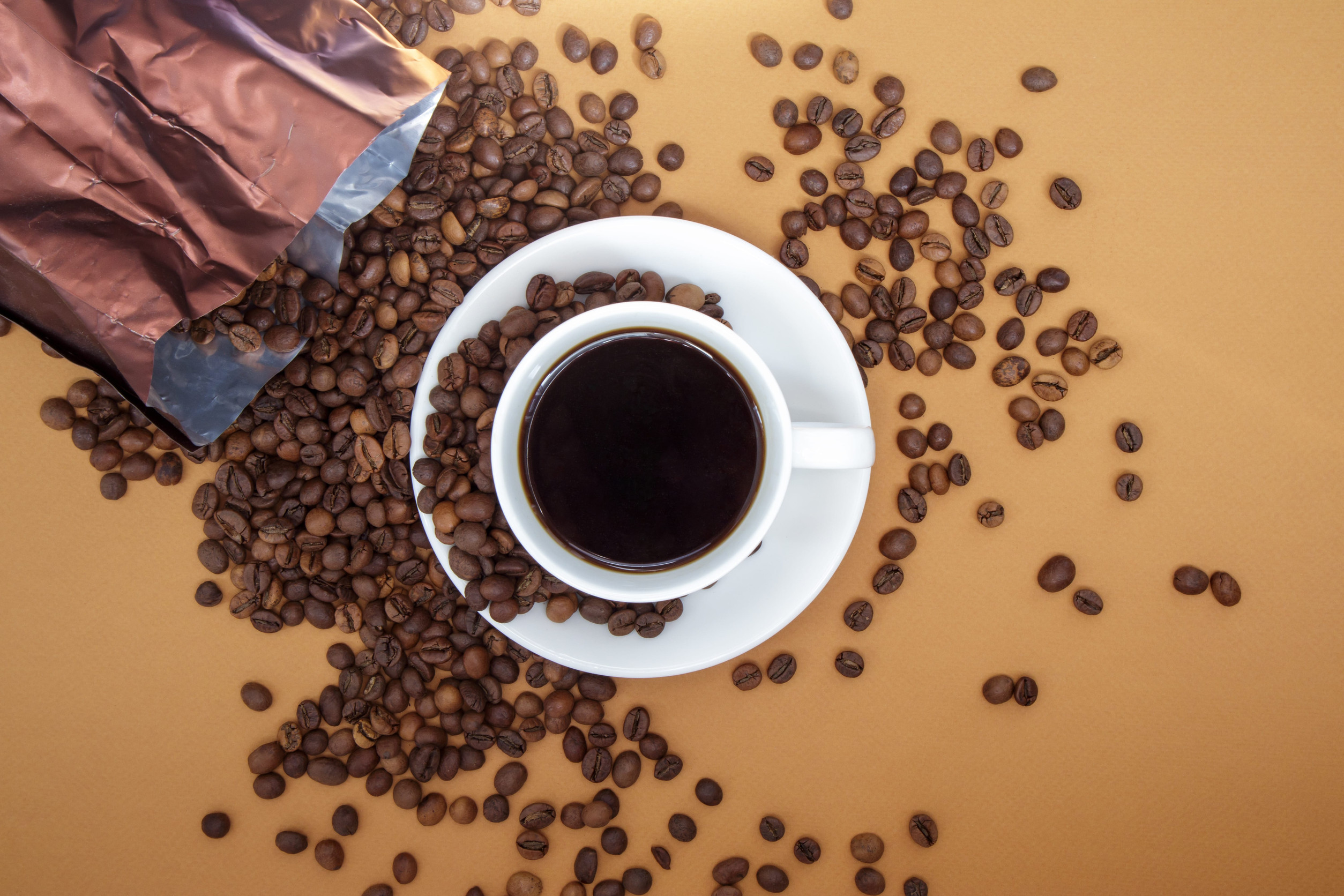
For millions of Americans, the day starts with a cup of coffee, but that daily habit has become more expensive. Instant coffee prices rose 15.8% between July 2025 and July 2026, making it one of the fastest-growing grocery items tracked in the latest consumer price data. Regular coffee prices also increased 10.3% during the same period.
The reason behind the increase goes beyond the grocery aisle. Higher global coffee bean costs, supply challenges, and trade-related pressures have all contributed to higher retail prices. Because coffee companies often buy supplies ahead of time, changes in global markets can take months to hit store shelves.
Some relief may be on the way, but it is unlikely to happen overnight. Better supply expectations could eventually reduce pressure, although retail prices usually adjust more slowly than commodity prices.
Beef prices remain one of the biggest grocery challenges
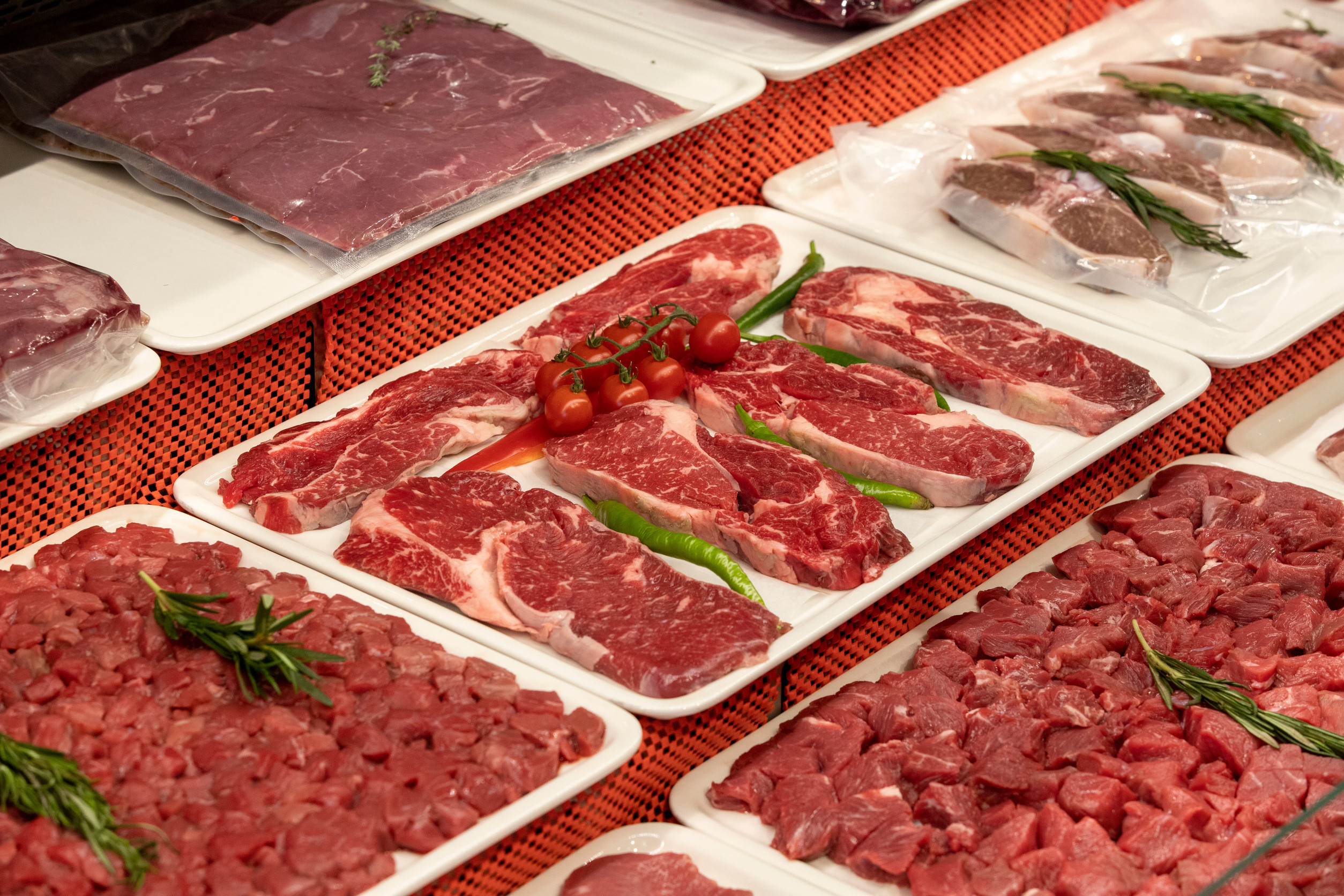
Meat lovers have also felt the impact at checkout. Uncooked beef roasts jumped 13.5% year over year, while uncooked beef steaks increased 9.6% and ground beef climbed 9.0%.
The USDA points to tighter cattle supplies as a major reason. The U.S. cattle herd contracted, limiting available beef supplies, while July beef production was almost 5% lower than the same month a year earlier. Those supply constraints have helped keep beef prices elevated.
Shoppers should not expect beef prices to quickly return to previous levels. USDA forecasts beef and veal prices to rise 9.8% on average in 2026, showing that the pressure could continue through the year.
Some fruits and vegetables are seeing major price swings
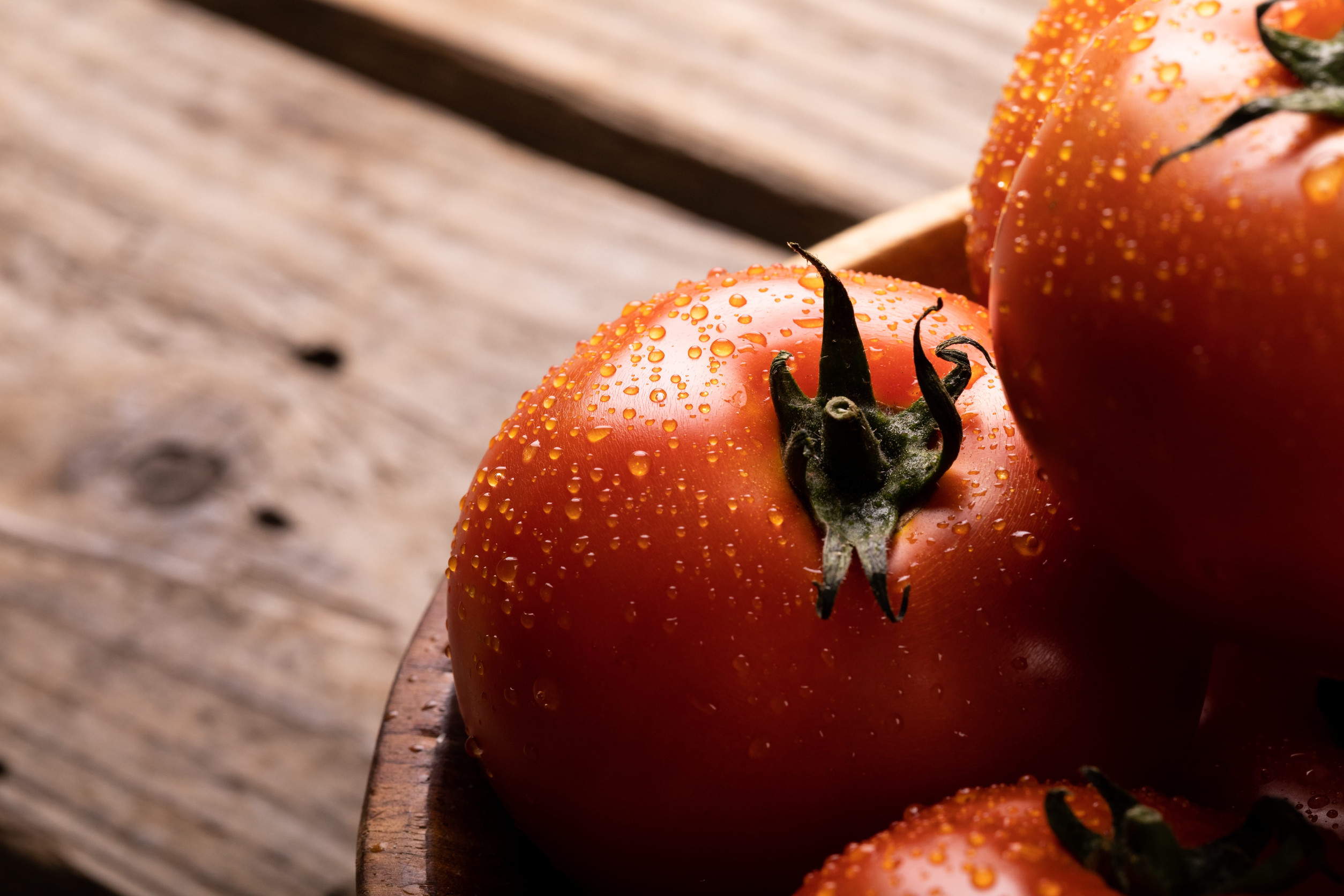
Fresh produce can be unpredictable, and recent data shows just how quickly prices can move. Tomatoes increased 12.8% from July 2025 to July 2026, while apples rose 11.1%.
Tomatoes have been affected by the natural volatility of produce markets, where weather and supply conditions can quickly influence prices. USDA data shows fresh vegetable prices moved significantly, although tomato prices declined 3.9% from June to July, suggesting short-term easing after earlier increases.
Apples also stood out among fresh fruits, although USDA’s available summary does not provide a specific reason behind the apple increase. Fresh fruit prices overall remained higher compared with the previous year.
Candy, seafood, and other favorites are also costing more

Snack lovers are seeing higher prices too. Candy and chewing gum increased 9.6%, while the broader sugar and sweets category rose 7.4%. USDA says much of that increase came from candy products, including chocolate items.
Chocolate prices have faced pressure because cocoa markets experienced major disruptions tied to production problems. Even after some commodity prices began improving, retail prices have remained elevated because manufacturers and retailers often adjust prices with a delay.
Seafood shoppers are also paying more. Fresh fish and seafood increased 7.8%, frozen fish and seafood increased 7.8%, and the overall fish and seafood category rose 7.0%.
USDA has identified fish and seafood as one of the categories expected to continue experiencing above-average price growth, although the available forecast summary does not provide one specific cause for the increase.
Not every grocery item is getting more expensive
The grocery story is not only about rising prices. Some foods have started moving lower after previous increases. Eggs, for example, dropped 25.7% compared with July 2025 after earlier supply problems, and USDA expects egg prices to continue declining in 2026 as production improves.
Chicken prices also do not belong on the current list of major price increases. Overall chicken prices declined 2.7% year over year, although some poultry categories, such as other uncooked poultry including turkey, increased 8.4%.
The bigger picture is that grocery inflation has become more selective. USDA expects food-at-home prices to rise about 2.5% on average in 2026, but certain foods will continue moving differently because of supply conditions, weather, production costs, and global markets.
For shoppers, the best strategy may be staying flexible. Comparing prices, choosing alternatives when costs spike, and watching for seasonal changes can make a noticeable difference when certain grocery items suddenly become more expensive.