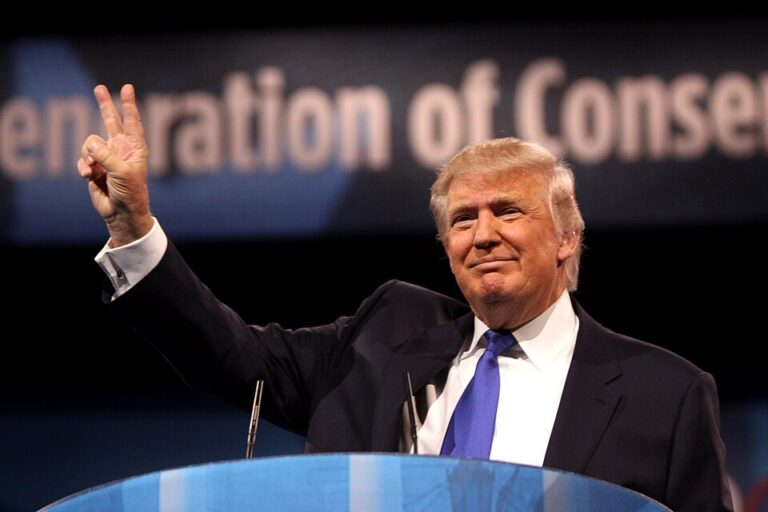
Memorial Day is supposed to hush the room. It is the American holiday that asks people to pause before they picnic, remember before they post, and think about the families who never got their loved ones back. That is why President Donald Trump’s 2026 Memorial Day message landed with such force online.
Instead of allowing the day to center fully on fallen service members, Trump mixed patriotic language with a jab at Democrats, calling them “Dumocrats” in a Truth Social post published shortly after 6 a.m. The official White House proclamation had described Memorial Day 2026 as a day of prayer, remembrance, and reverence for fallen heroes, which made the partisan tone of the post feel even more jarring to critics.
He Turned a Sacred Military Holiday Into a Political Fight.
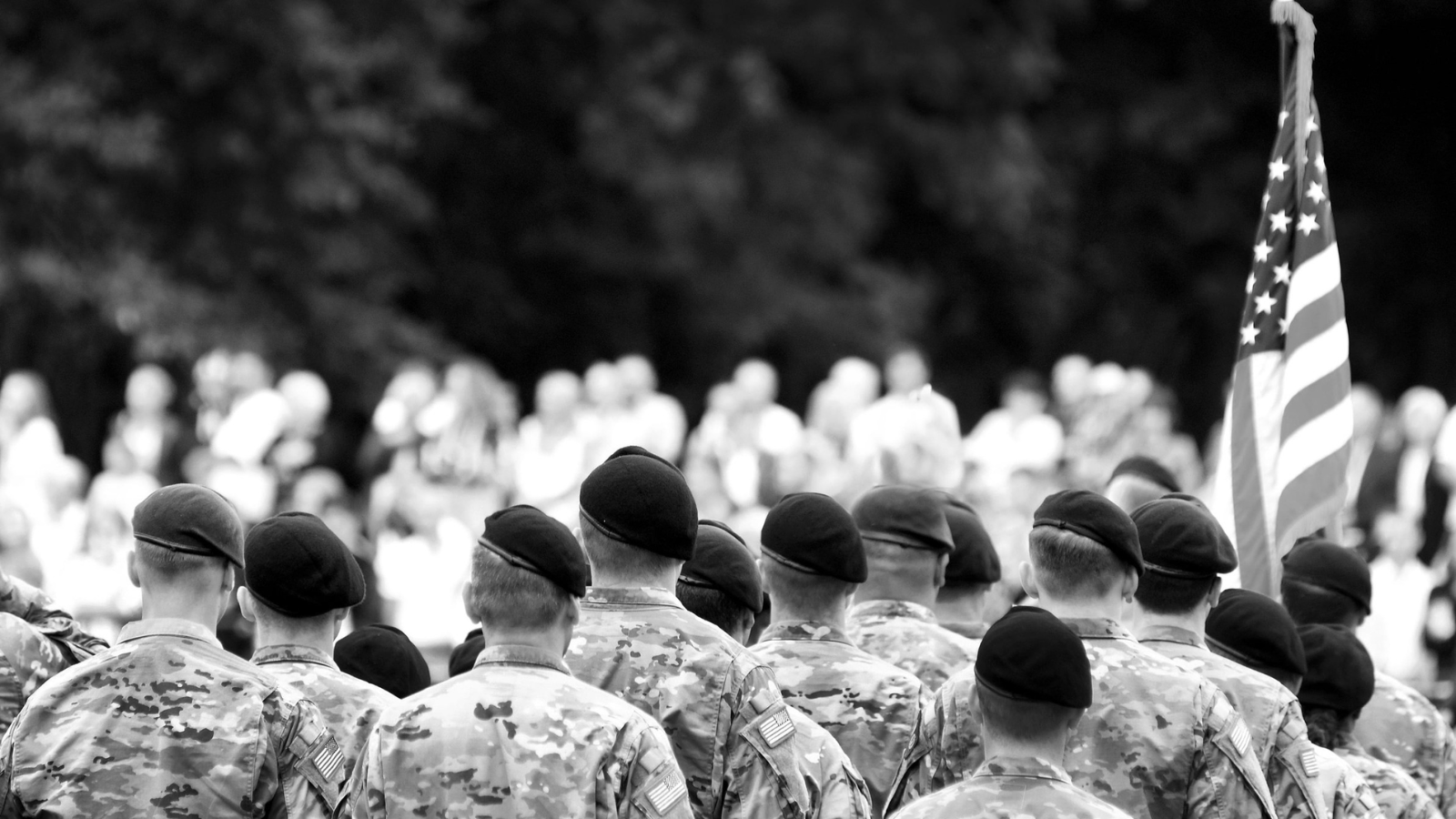
The first reason the rant backfired is simple. Memorial Day is not a normal political day. It is not Presidents Day, Election Day, or a campaign stop dressed in red, white, and blue. It is a National Day of Mourning for Americans who died in military service.
That is why Trump’s message felt so off key to critics. The post did include a blessing for those who made the ultimate sacrifice, but that tribute came wrapped inside a political attack. For many readers, the insult became louder than the remembrance.
The backlash grew because timing carries meaning. A president can attack opponents on almost any day of the year and still face ordinary political criticism. Doing it on Memorial Day, before a national ceremony at Arlington, made the tone feel less like sharp politics and more like a failure to read the room.
“Democrats” Became the Word Everyone Remembered.

The word “Democrats” did what inflammatory language often does. It swallowed the entire message. Instead of Americans discussing fallen service members, Gold Star families, or the meaning of sacrifice, the conversation quickly shifted to Trump’s insult.
That is the danger of mixing a solemn tribute with mockery. The harshest word becomes the headline. The emotional weight of the holiday gets pushed aside, and the whole message starts to feel like another piece of campaign content.
Trump may have intended to praise the military and criticize Democrats in one breath, but critics heard something else: a president using a day of grief to keep his political enemies in the spotlight.
His Official Proclamation Sounded Far More Presidential.
actionsports/ 123rf
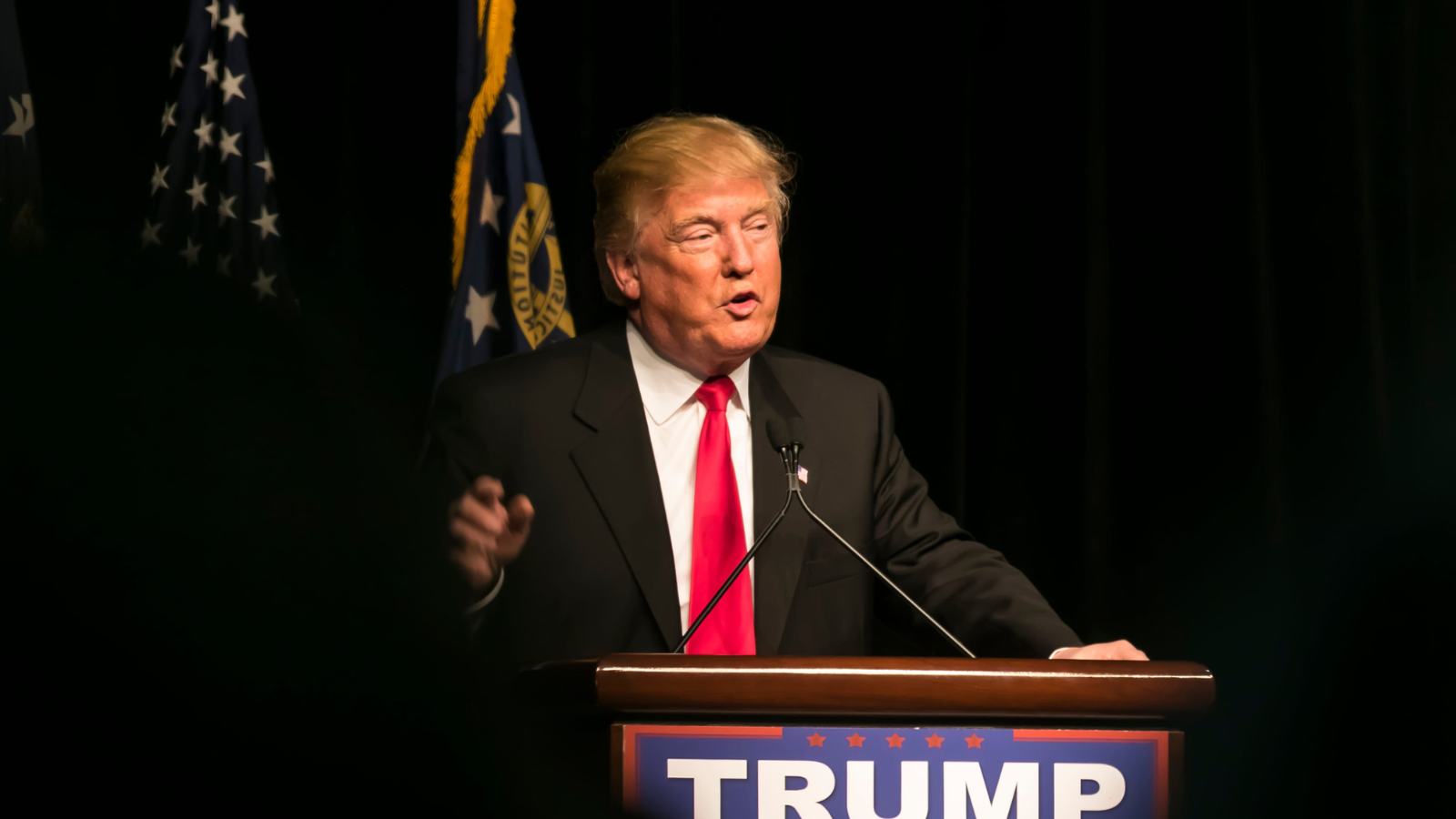
The contrast between Trump’s official Memorial Day proclamation and his social media post sharpened the controversy. The proclamation called on Americans to pray for lasting peace, to comfort those who grieve, to observe the National Moment of Remembrance at 3 p.m. local time, and to fly flags at half staff until noon.
That official language sounded solemn and traditional. It carried the expected tone of a president addressing a grieving nation. It spoke about liberty, sacrifice, prayer, and reverence.
The social media post sounded like it came from a different universe. One message asked Americans to pause. The other dragged partisan enemies into the holiday. That split screen effect gave critics an easy argument: the White House knew how Memorial Day should sound, but Trump’s personal account did not follow that discipline.
Arlington Made the Online Rant Look Even Worse.
Arlington National Cemetery is one of the most solemn places in American life. It is not just a backdrop for the presidential ceremony. It is a burial ground filled with the cost of war, service, duty, and loss.
Trump’s Memorial Day observance included a visit to Arlington, where he honored fallen U.S. service members as national ceremonies unfolded across the country. That made the online controversy harder to ignore because the president was moving from a combative digital message to one of the nation’s most sacred military settings.
The problem was not that Trump later attended a solemn event. The problem was that the tone had already been set before the ceremony began. By the time he stood before the country’s military symbols, millions had already seen the morning post and were arguing over whether it disrespected the day.
The Rant Pulled Attention Away from Fallen Service Members.
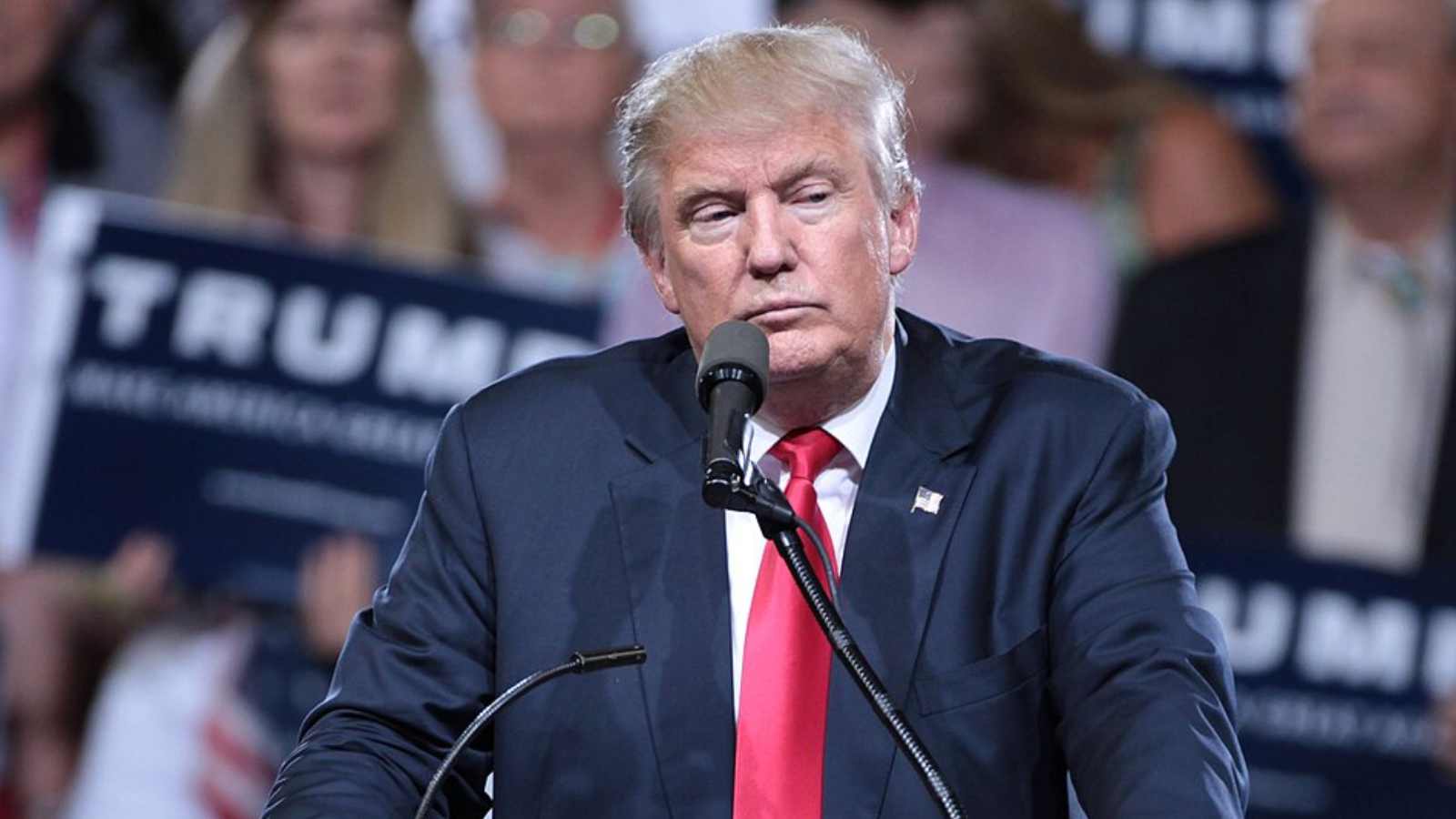
The deepest criticism is not about one nickname. It is about attention. Memorial Day is supposed to make fallen service members visible. It should center their names, their families, their sacrifice, and the silence left behind.
Trump’s post shifted the spotlight back to Trump. That is why the backlash was so forceful. Instead of the day being remembered for a presidential tribute, it became another example of how quickly his political style can overtake a national ritual.
For critics, that felt especially painful because Memorial Day carries a different emotional weight from ordinary holidays. People do not simply celebrate it. They visit cemeteries, place flags, attend remembrance events, and think about relatives or strangers who died in uniform. A partisan insult inside that atmosphere felt like noise breaking into a chapel.
The Morning Posting Spree Fed the Bigger Criticism.
The controversy did not come from a single isolated post. Reporting described Trump as spending the morning posting repeatedly on Truth Social, including attacks on Democrats, Republicans he considered disloyal, and critics of his approach to Iran. The Daily Beast reported that Trump posted 15 times, including ReTruths, before heading to Arlington National Cemetery.
That pattern made the Memorial Day message seem less like a clumsy line and more like part of a larger holiday rant. The more Trump posted, the harder it became for defenders to frame the “Democrats” jab as a harmless aside.
The story became bigger than Memorial Day. It raised a familiar question about the presidential restraint. Can a president put the daily fight aside when the country is honoring the dead? Critics looked at the morning timeline and said the answer was no.
The Backlash Reopened Old Questions About Trump and the Military.
Trump’s relationship with military symbolism has always been politically charged. His supporters see him as a president who celebrates strength, border security, defense spending, and patriotic ceremonies. His critics see a leader who often uses military imagery as a stage for himself.
The Memorial Day post gave critics fresh material because it touched the most sensitive part of that debate. Honoring the dead requires humility. It asks the living to step back. Trump’s critics argued that his post did the opposite by pulling enemies, grievances, and selfpraise into the frame.
That is why older military controversies quickly returned to the conversation online.
Once a president is accused of mishandling the tone of Memorial Day, every past dispute over military respect becomes part of the public memory. The post did not merely create a one day backlash. It reopened a broader debate over whether Trump’s brand of politics can handle solemn national moments.
His Arlington Remarks Could Not Fully Erase the Earlier Post.
Trump’s formal Memorial Day remarks at Arlington were more traditional than his social media message. A Roll Call transcript listed the May 25, 2026, Arlington event and showed a program focused on sacrifice, military service, Gold Star families, and the meaning of Memorial Day.
But in modern politics, the first viral moment often frames the rest of the day. A solemn speech can be delivered later, but the social media post is already copied, shared, debated, and turned into a political symbol.
That is what happened here. The Arlington ceremony should have been the central image of the day. Instead, the online insult became the emotional hook of the story. For a president who understands media attention better than most politicians, that was a self inflicted wound.
Conclusion.
Trump’s Memorial Day rant backfired because it collided with the meaning of the holiday. Memorial Day is not designed for political score settling. It is designed for remembrance, grief, gratitude, and national humility.
The controversy grew because the post made Trump the center of a day that should have centered on fallen service members. His official proclamation struck the expected tone, and his Arlington appearance carried the expected symbolism, but the social media message had already changed the conversation.