Imagine knowing exactly when your life will end. Now imagine someone asking what you would like for dinner.
Would you choose a juicy steak, your mother’s homemade cooking, or a cheeseburger from your favorite fast-food restaurant? Would you request an elaborate feast or refuse to eat anything at all?
For people facing execution, this question can become a chilling reality. And for the rest of us, their answers have become a strange source of fascination.
Death row last meals have inspired books, documentaries, photography projects, and endless conversations. Some requests sound like ordinary comfort food. Others are so extravagant that they seem almost unbelievable.
But behind every plate is a much bigger story about human nature, control, punishment, and our complicated relationship with death.
A Tradition That Goes Back Centuries
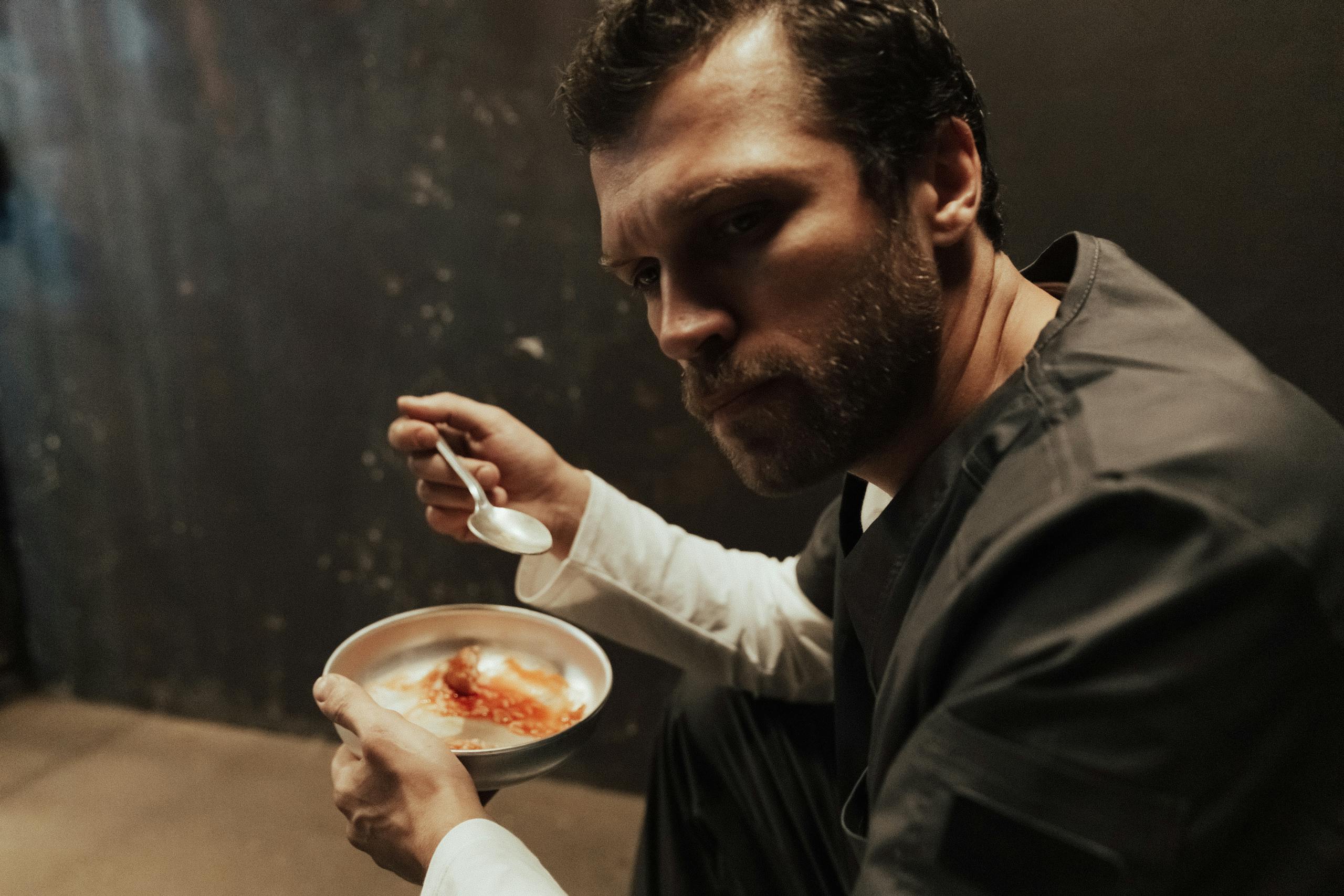
The idea of offering a condemned person one final meal is hardly new.
According to The Marshall Project, the tradition stretches back hundreds of years, although it has never been a universal legal right.
Historically, the practice has carried different meanings. Some interpretations connect it to religious beliefs, while others describe it as a symbolic gesture of reconciliation before an execution.
Today, the rules vary across American states.
In Oklahoma, special meal requests have historically been limited to $25. Florida has used a $40 limit, with food required to be locally available.
Those restrictions reveal something important. Despite what Hollywood might suggest, death row prisoners cannot necessarily order anything their hearts desire.
In some places, they cannot choose a special meal at all.
The Meal That Changed Everything in Texas
One of America’s most notorious last-meal controversies happened in September 2011.
Lawrence Russell Brewer, a white supremacist convicted for his role in the brutal 1998 murder of James Byrd Jr., was scheduled for execution in Texas.
His final food request was enormous.
According to The Texas Tribune, Brewer requested two chicken-fried steaks, a triple-meat bacon cheeseburger, fried okra, barbecue, three fajitas, ice cream, and other items.
Then came the unexpected part.
He did not eat the food.
The incident sparked outrage, particularly from Texas state Senator John Whitmire, who questioned why someone facing execution should receive such a privilege.
On September 22, 2011, Texas prison officials announced that special last meals would end immediately.
Condemned prisoners would instead receive the same food served to other inmates.
Interestingly, a former prison spokeswoman later told The Marshall Project that Brewer appeared too nervous to eat. What some interpreted as a deliberate act of defiance may have had a different explanation.
Either way, one untouched dinner helped end a longstanding Texas tradition.
What People Actually Choose Might Surprise You
Forget the fancy restaurant menus. Many prisoners have requested ordinary foods that millions of Americans eat every day.
Burgers, fried chicken, pizza, desserts, and soft drinks frequently appear in documented requests.
A 2012 study published in the journal Appetite examined last-meal records involving 247 people executed in the United States over five years.
The researchers found striking patterns.
Among the recorded requests, approximately 84% included meat, 68% included fried foods, 66% included desserts, and 60% included soft drinks.
The average requested meal contained approximately 2,756 calories.
Nearly 40% of requests also featured branded food or beverages.
These findings suggest that familiar, indulgent foods often take priority over sophisticated dining experiences.
Why choose an elaborate gourmet dish when a familiar cheeseburger might offer something more meaningful?
The researchers discussed the connection between last meals, stress, and immediate satisfaction. Still, food choices alone cannot tell us exactly what any individual prisoner was thinking.
Sometimes Food Is About More Than Hunger
Think about the meal that reminds you of childhood.
Maybe it’s your grandmother’s fried chicken, a bowl of homemade soup, or the birthday cake your family always made.
Food can carry powerful emotional associations.
Michael Owen Jones explored this connection in his 2014 academic paper, Dining on Death Row: Last Meals and the Crutch of Ritual.
His examination considered how final meal requests can reflect personal memories, cultural backgrounds, regional traditions, and attempts to communicate something meaningful.
A particular dish might remind someone of home. Another might represent a favorite experience from a life that is about to end.
Of course, we cannot assume every request contains a hidden message.
Sometimes a burger is simply a burger.
But when someone has very few choices remaining, even an ordinary food preference can take on extraordinary significance.
The Strange Power of Having One Last Choice
Prison life is built around restrictions.
Inmates generally have limited control over where they live, when they eat, and how they spend their days.
For someone approaching execution, that lack of control becomes even more severe.
A final meal request can offer one small opportunity to make a personal decision.
Researcher Eline van Hagen examined this contradiction in a 2020 paper published in Appetite.
The paper argues that choosing a final meal can express personal agency within an institution that otherwise controls almost everything.
The contrast is deeply unsettling.
The state determines when a person will die, yet may allow that person to choose between chicken and steak.
That contradiction is part of what makes the ritual so difficult to ignore.
Why We Cannot Stop Looking at These Dinners
Our fascination is not necessarily about the food itself.
It may have more to do with the uncomfortable questions the food raises.
What would we want during our final hours? Would our favorite meal still matter? Could we even find the appetite to eat?
Death is a subject most people rarely confront directly in everyday life. A plate of food makes that frightening idea easier to imagine.
Photographer Henry Hargreaves explored this connection through his project No Seconds.
After learning about Texas ending its special last-meal tradition, Hargreaves began recreating documented food requests and photographing them.
His images transformed ordinary dishes into unsettling portraits of people facing execution.
The project also raised questions about how society views condemned prisoners.
A person identified primarily through a terrible crime suddenly becomes someone who liked pizza, fried chicken, or ice cream.
Recognizing that shared humanity does not excuse a crime or diminish the suffering of victims and their families.
Instead, it makes the subject more complicated than a simple prison record or newspaper headline.
There Is Also an Uncomfortable Ethical Question
Not everyone appreciates the public fascination with execution meals.
Critics have questioned whether turning these requests into entertainment trivializes the seriousness of capital punishment.
After all, an execution involves far more than what someone ate beforehand.
There are victims, grieving families, legal proceedings, prison employees, and continuing debates about whether governments should have the power to take human lives.
Focusing too heavily on an unusual dinner can distract from those realities.
Yet ignoring the ritual entirely might mean overlooking what it reveals about punishment and human dignity.
That tension helps explain why last meals remain such a powerful cultural subject.
The Real Reason These Meals Stay With Us
At first glance, death row dinners can seem like morbid trivia.
An oversized steak dinner, a fast-food order, or an untouched dessert becomes a detail people remember long after hearing about the execution itself.
But perhaps our fascination comes from something surprisingly ordinary.
We all understand food.
We know what it means to crave a favorite meal, associate a dish with someone we love, or find comfort in familiar flavors.
What most of us cannot fully imagine is choosing that food while knowing there will be no tomorrow.
The final meal brings those two realities together.
And maybe that is why we keep asking the same unsettling question: If you knew this would be your last dinner, what would you choose?