Today’s supermarket deli counters offer turkey, ham, roast beef, and countless sandwich combinations. But earlier generations grew up with several lunch meats that receive far less attention now.
Some are still sold in specific regions or specialty stores, while others have largely disappeared from mainstream grocery shopping. Their names alone may bring back memories of school lunches and sandwiches prepared at home.
Here are eight traditional lunch meats and spreads that younger shoppers may not immediately recognize.
1. Olive Loaf
Olive loaf is a processed lunch meat containing sliced green olives, often with pimientos. Its appearance makes it immediately recognizable because the colorful olive pieces are visible throughout every slice.
It was used in sandwiches much like bologna, usually with mustard or mayonnaise. The combination of mild meat and salty olives can be unusual for anyone who didn’t grow up eating it.
2. Pickle and Pimiento Loaf
Pickle and pimiento loaf is another traditional deli meat with colorful ingredients embedded throughout. Small pieces of pickles and pimientos create a distinctive appearance and slightly tangy flavor.
It was convenient for sandwiches because the flavorings were already incorporated into the meat. Although some manufacturers still produce versions of it, the product is less prominent than familiar turkey and ham.
3. Liverwurst
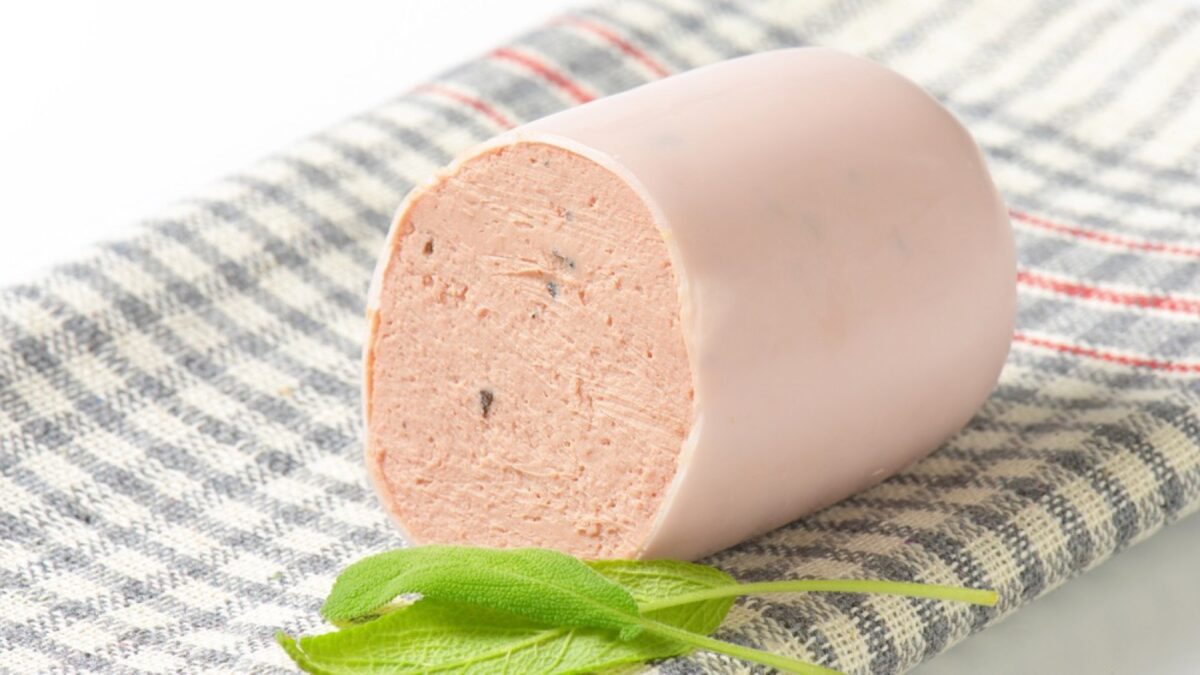
Liverwurst is a sausage or spread made with liver and other ingredients. Depending on its preparation, it may be sliceable or soft enough to spread onto bread.
It has long been associated with European food traditions and American delicatessens. Its distinctive liver flavor can divide opinion, but it remains popular among people who appreciate traditional sausage products.
4. Braunschweiger
Braunschweiger is a type of liver sausage often sold in a soft, spreadable form. American versions are frequently smoked, giving the product a recognizable flavor.
It can be served on rye bread with mustard, onions, or pickles. People unfamiliar with liver-based foods may find its texture surprising, but it remains a traditional sandwich ingredient.
5. Head Cheese
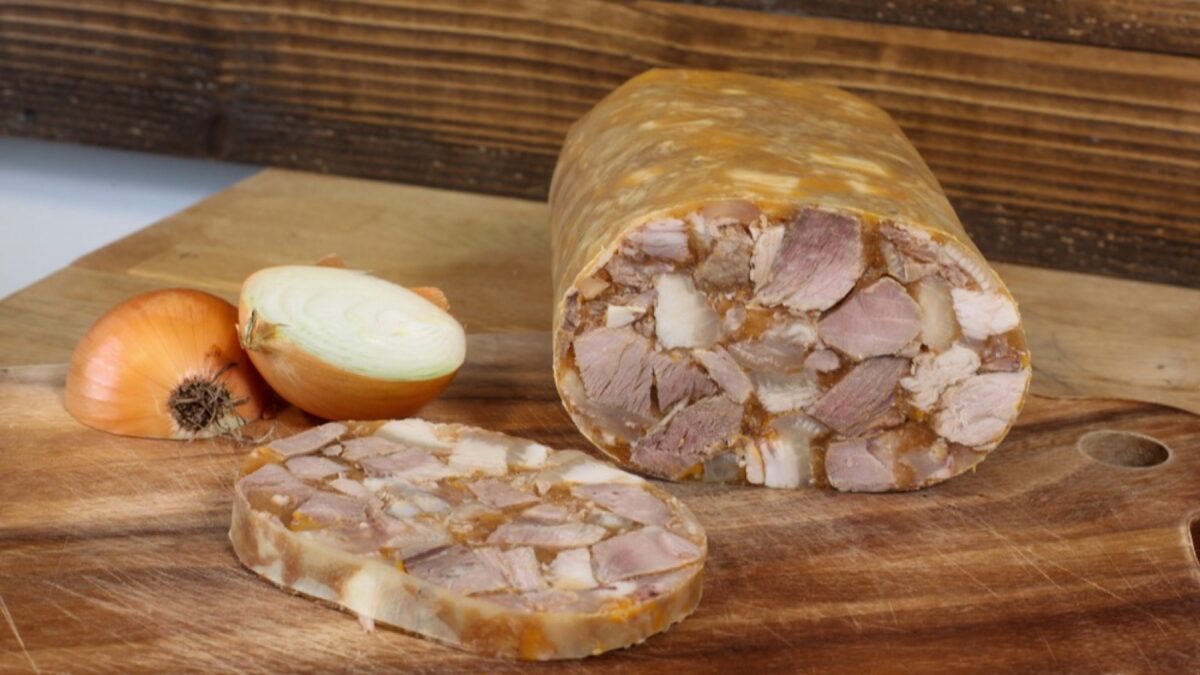
Despite its name, head cheese isn’t a dairy product. It is a meat preparation made by cooking parts of a pig’s head and sometimes other cuts until the natural gelatin helps bind everything together.
Once cooled, the mixture can be sliced and served cold. Different cultural traditions produce different versions, including preparations seasoned with vinegar, herbs, and spices.
6. Deviled Ham
Deviled ham is a seasoned ham spread commonly used in sandwiches and on crackers. Commercial canned versions helped make it convenient for quick lunches.
Its smooth texture and concentrated seasoning distinguish it from sliced deli ham. It remains available, although younger shoppers may be more familiar with chicken salad and modern sandwich spreads.
7. Lebanon Bologna
Lebanon bologna is a distinctive cured sausage associated with Pennsylvania Dutch food traditions. It is typically made from beef and has a smoky, tangy flavor.
The name comes from Lebanon County, Pennsylvania, rather than the Middle Eastern country. It remains especially recognizable in Pennsylvania and nearby markets, but shoppers elsewhere may be unfamiliar with it.
Traditional sandwiches were once a central part of American school lunches, including the familiar peanut butter and jelly sandwich. Lunch meats such as Lebanon bologna provided a savory alternative for families who preferred deli-style fillings.
8. Souse
Souse is a traditional meat preparation related to head cheese, often featuring a vinegar-based seasoning. Regional recipes vary, and some versions contain peppers or other ingredients.
It is commonly served cold in slices and has a texture unlike most conventional deli meats. For families who grew up eating it, the product may remain a familiar part of local food culture.
Why Are These Foods Less Familiar?
American lunch habits have changed alongside grocery merchandising, dietary preferences, and regional population patterns. Some traditional products remain popular in specialty markets but receive little attention from national sandwich chains.
A product doesn’t have to disappear completely to become unfamiliar to younger shoppers. Sometimes, it simply moves from the center of the deli counter to a small shelf that people rarely notice.