Getting fit can already feel expensive before we even begin. The moment we decide to work out, we meet a loud marketplace promising smarter bottles, designer leggings, luxury boxing gloves, futuristic shoes, boutique machines, and performance accessories that look more serious than most people’s actual routines. That is where overpriced workout gear becomes a quiet trap, turning a simple goal into a shopping list.
We do not need a premium outfit, a smart bottle, a luxury gym bag, or a machine that looks impressive in a spare room to build strength, improve endurance, stretch better, or feel healthier. We need consistency, safe movement, enough hydration, comfortable clothing, and gear that matches the activity. The best fitness purchases are the ones we use often, clean easily, replace without guilt, and trust during real workouts.
This guide breaks down the expensive fitness products that usually cost more than they deliver. We will focus on what makes each item overpriced, what we can buy instead, and how to spend money in ways that actually support better training.
Smart Water Bottles That Turn Hydration Into a Gadget
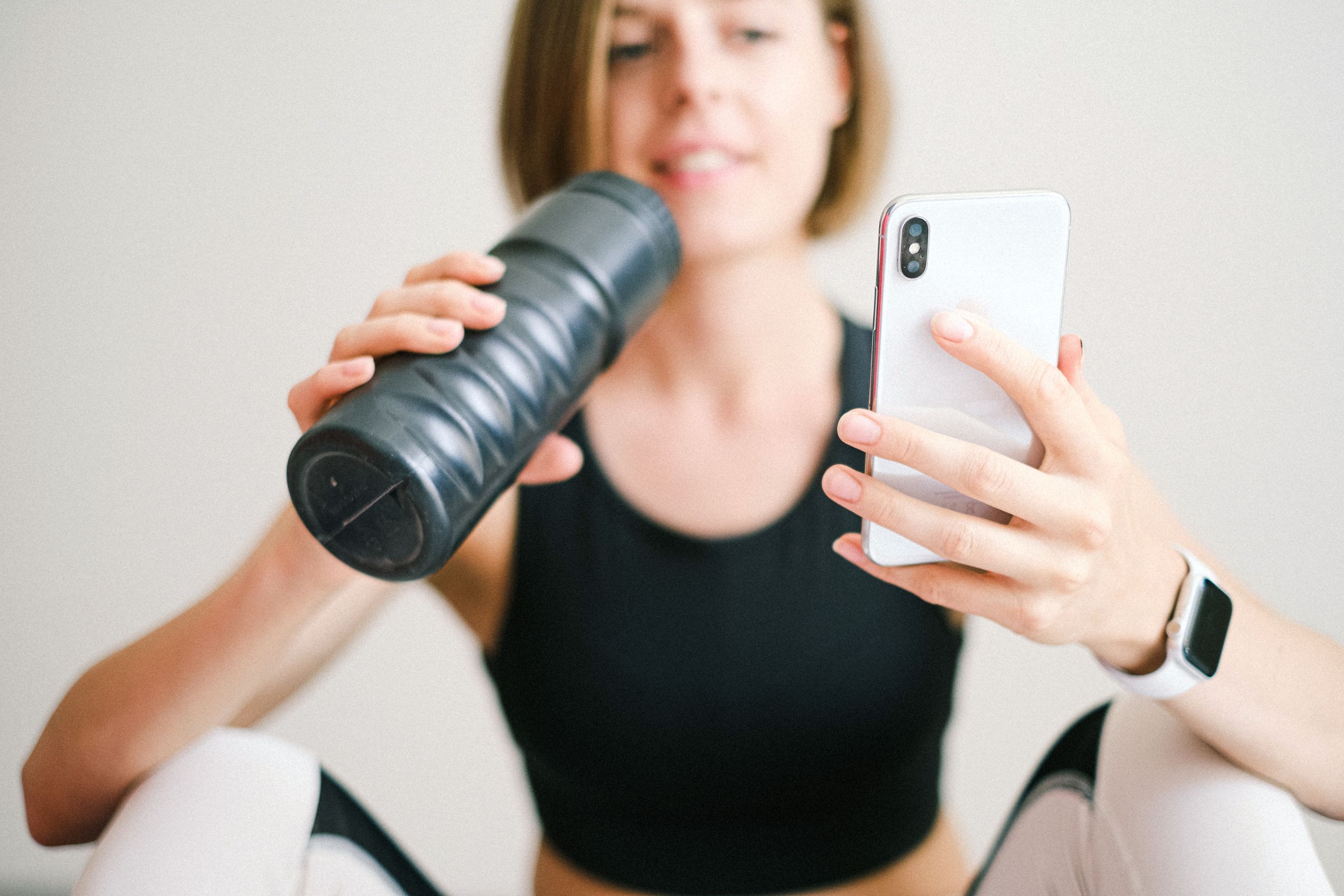
A smart water bottle sounds useful because hydration matters during exercise. The problem is that most people do not need an electronic bottle to remember to drink water. Flashing reminders, app tracking, and glowing progress alerts can make hydration feel high-tech, but they do not make the water itself any better.
A well-made reusable bottle does the job for far less money. We should look for a bottle that is easy to clean, leak-resistant, sturdy, and comfortable to carry. If we often forget to drink, we can use phone reminders or a simple habit, such as drinking before training, during breaks, and after finishing.
The biggest issue with smart bottles is that they add charging, syncing, and cleaning concerns, along with a higher replacement cost, to something that should stay simple. Fitness routines already fail when they become too complicated. A basic bottle keeps hydration easy, cheap, and dependable.
Luxury Yoga Mats That Cost More Than the Practice Requires
A yoga mat should provide grip, cushioning, stability, and enough durability for regular use. It does not need to be a luxury object. High-end mats can feel excellent, and serious yoga practitioners may appreciate the upgrade, but beginners and casual users do not need to spend heavily to stretch, flow, or practice basic floor exercises.
We should choose a mat based on how we use it. Hot yoga calls for a strong grip and sweat control. Pilates and floor exercises may need more cushioning. Travel workouts benefit from a lighter mat. A calm home stretch routine can work with a simple, affordable mat that stays flat and does not slide.
The smartest move is to buy a budget or midrange mat first and upgrade only after we know our routine. A pricey mat that sits rolled in a corner is still wasted money. Consistency gives the mat value, not the brand name stamped on it.
High-Performance Bluetooth Earbuds for Noisy Gym Sessions
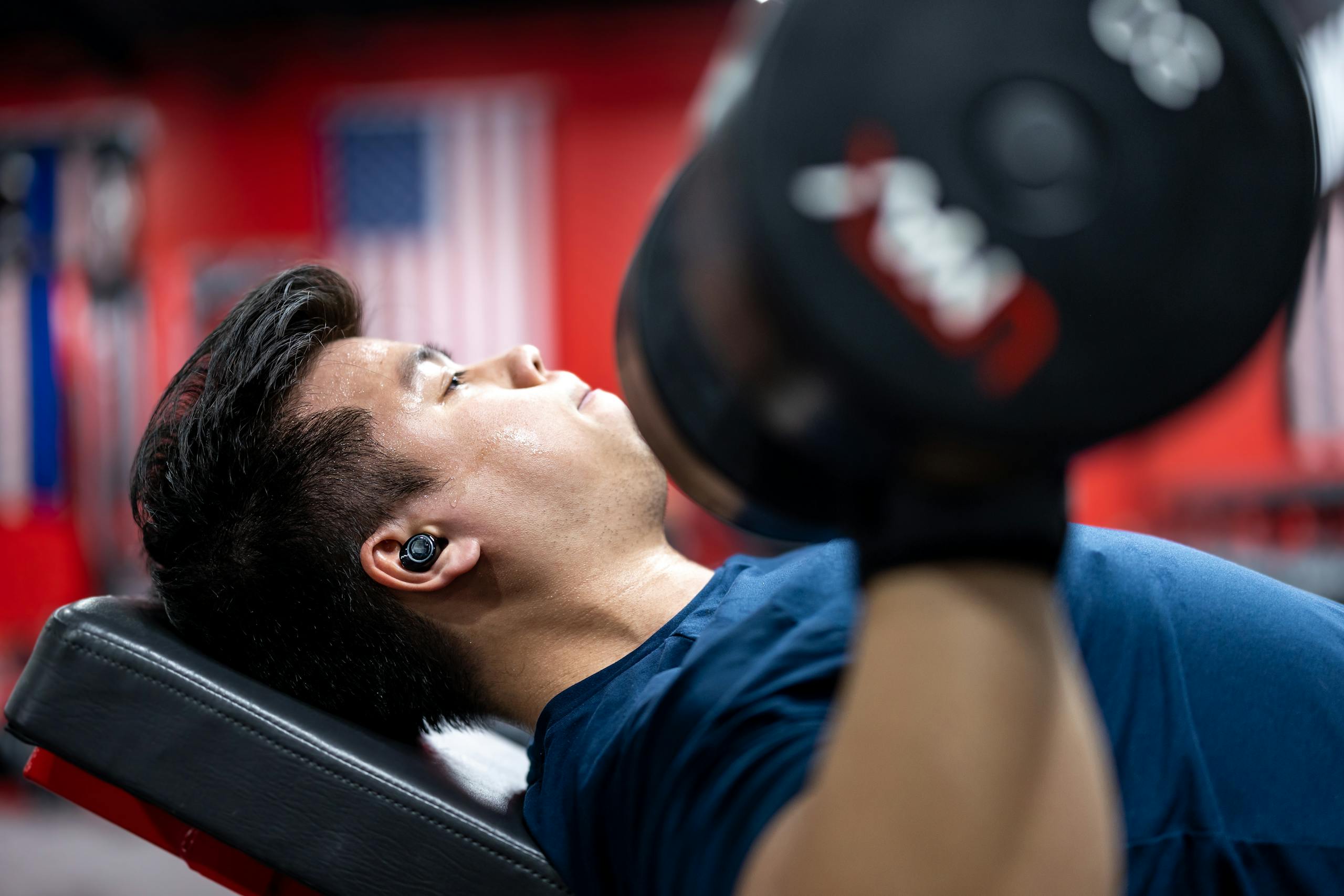
Wireless earbuds are convenient for workouts because they remove dangling cords and help us stay focused. Still, we do not need premium audio engineering to hear music over treadmills, weight plates, fans, traffic, or gym chatter. Many expensive earbuds are built for sound quality that a loud workout environment does not fully reward.
Workout earbuds should stay in place, resist sweat, pair easily, and survive being tossed into a bag. Those features matter more than luxury branding. We should also think about how painful it would feel to lose them at the gym, drop them on a locker-room floor, or damage them during a rainy run.
Budget and midrange earbuds often provide enough sound quality for exercise. If we train outdoors, we should also consider situational awareness, as noise cancellation can reduce awareness of traffic, cyclists, and people nearby. The best workout earbuds are reliable, replaceable, and safe for the setting.
Designer Gym Bags That Get Treated Like Regular Bags
A gym bag has one job: carry sweaty clothes, shoes, toiletries, a towel, keys, and a water bottle without falling apart. It will sit on locker-room benches, car floors, gym corners, and sometimes damp surfaces. That is not a glamorous life, which makes luxury gym bags a questionable fitness purchase.
The best gym bags are practical. We should look for separate compartments, washable or wipeable materials, solid zippers, ventilation, and enough space without becoming bulky. A shoe compartment can help. A water-resistant pocket can help. A designer label does not help when the bag smells like old socks.
A cheaper athletic duffel, backpack, or tote usually makes more sense. If we travel frequently or carry a laptop and gym items together, a sturdier bag may be worth it. For ordinary workouts, function beats fashion every time.
This Year’s Trendy Sneakers When Last Year’s Model Works Fine
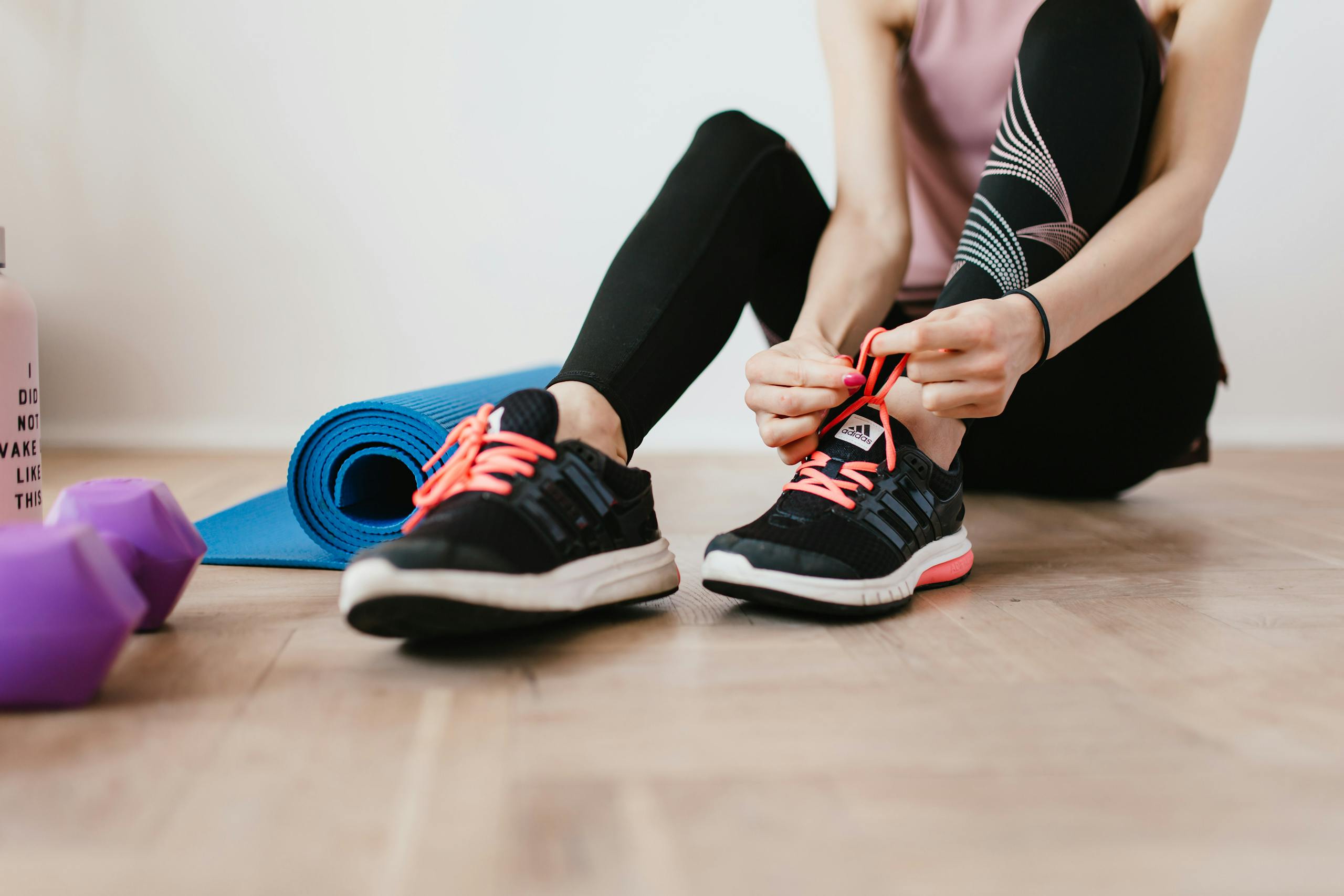
Good shoes are one of the few fitness purchases worth taking seriously. Poor footwear can affect comfort, stability, and confidence during training. The mistake is confusing good shoes with the newest, loudest, most hyped release.
This year’s sneakers often cost more because of colorways, influencer attention, limited drops, or design updates that don’t matter to most users. Last year’s model from a reliable brand can deliver similar comfort and support at a much lower price. Outlet stores, discount retailers, and clearance sections can be excellent places to find quality shoes at lower prices.
We should buy shoes for the workout, not the mirror. Running shoes are not always ideal for heavy lifting because soft cushioning can reduce stability. Lifting shoes may feel stiff for long walks. Cross-training shoes can be a practical middle ground for mixed workouts. Fit and purpose should lead the purchase.
Pricey Sports Bras That Look Better Than They Support
Sports bras are important, and this is one category where we should not simply buy the cheapest option without thinking it through. Support, comfort, and fit matter. The overpriced part comes from fashion-heavy designs that use straps, cutouts, mesh panels, or luxury branding, yet fail to provide adequate support for the activity.
We should buy sports bras based on impact level. Low-impact styles can work for yoga, stretching, and walking. Medium-impact support may suit cycling, strength training, and studio workouts. High-impact support matters for running, jumping, dance cardio, and intense classes.
The best sports bra is the one that reduces bounce, avoids digging, allows breathing, and stays comfortable through movement. Affordable brands often offer solid support without luxury pricing. We should pay for fit and function, not decorative details that make the bra harder to train in.
Pilates Reformer Machines for People Who Could Start on a Mat
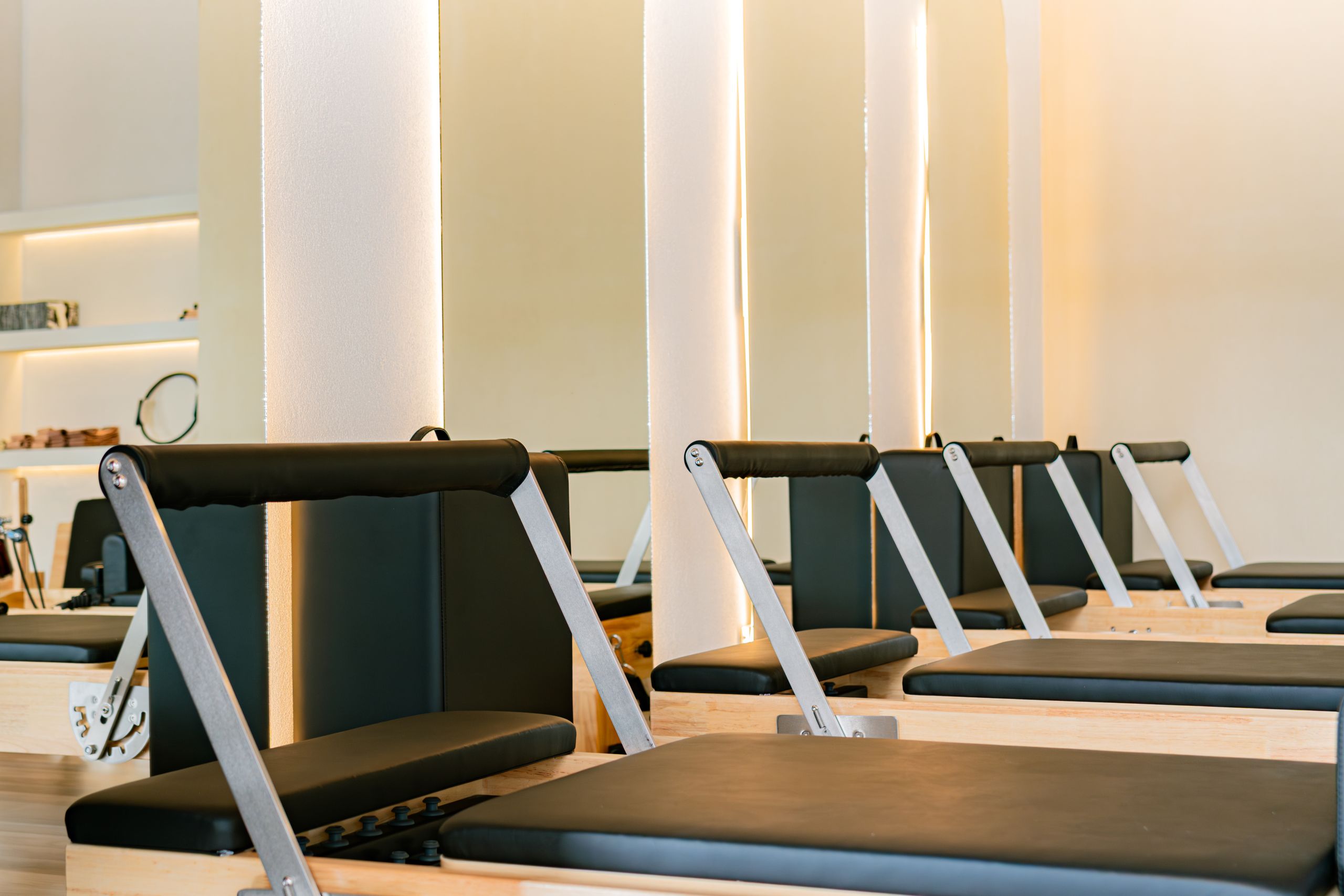
Pilates reformers can offer excellent resistance-based training, and many people enjoy them. The issue is cost and commitment. A home reformer takes up space, requires proper technique, and can be expensive even when bought secondhand.
We do not need a reformer to begin Pilates. Mat Pilates can build core control, mobility, balance, and muscular endurance with little equipment. Resistance bands, small balls, light dumbbells, and sliders can add challenge without turning a living room into a studio.
A reformer makes more sense after we have taken classes, understand the movement style, and know we will use the machine often. For beginners, free or low-cost mat routines are a smarter entry point. We should earn the upgrade through consistency.
Designer Boxing Gloves That Treat Training Gear Like a Trophy
Boxing gloves should protect the hands, support the wrists, and suit the training style. They are made to absorb impact, sweat, scrape against bags, and wear down over time. That makes luxury boxing gloves one of the clearest examples of overpriced workout gear.
We should choose gloves based on size, padding, wrist support, closure type, and intended use. Bag work, sparring, fitness boxing, and mitt work may call for different glove choices. Hand wraps are also important because they help support the wrist and knuckles.
A reliable pair from a reputable boxing or sports brand is enough for most fitness boxing. Extremely expensive designer gloves may look dramatic, but they do not belong at the center of a practical training budget. Boxing rewards technique, conditioning, and consistency more than status gear.
High-Fashion Workout Leggings That Cost More Than They Perform
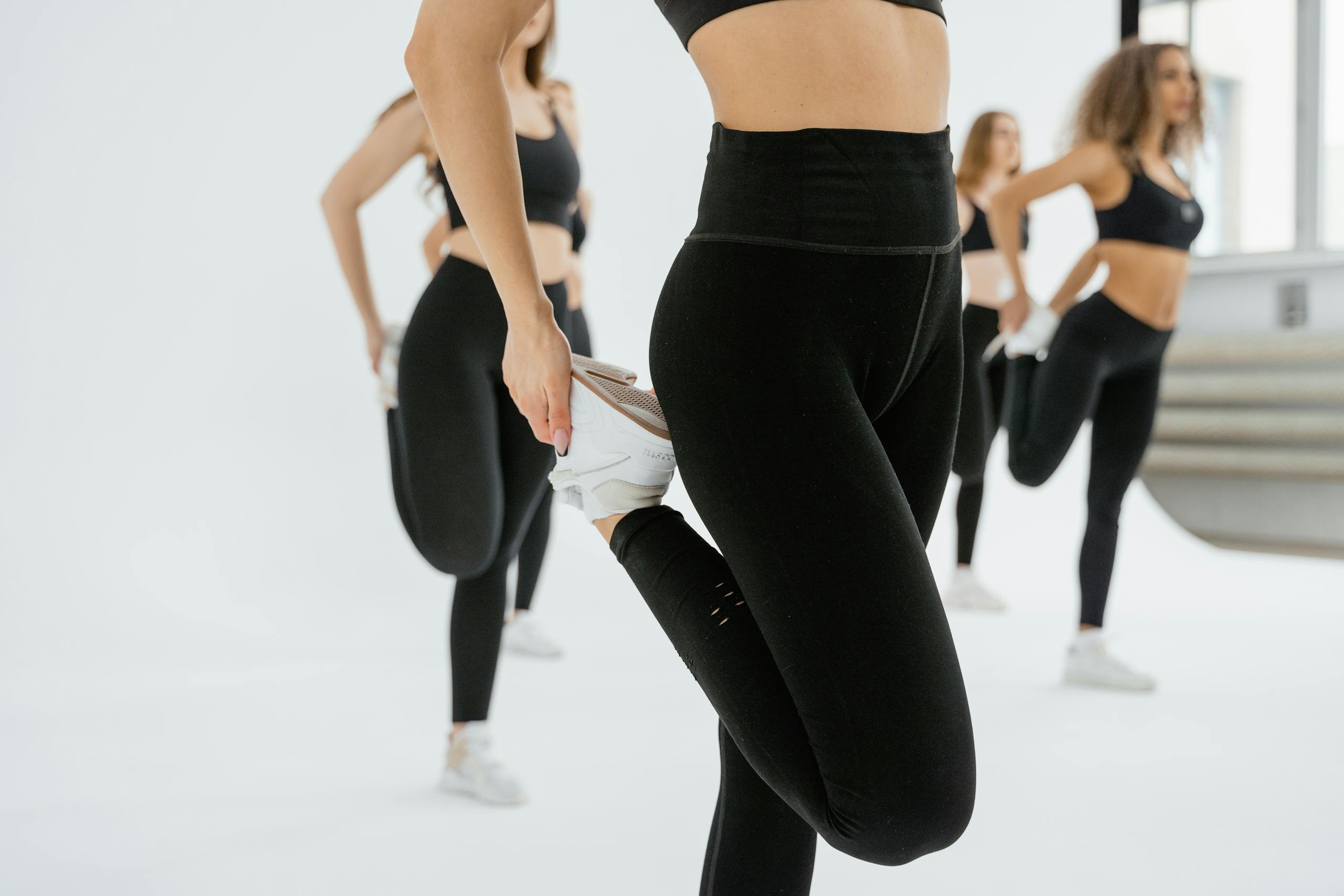
Leggings have become everyday clothing, not just gym wear. That makes it easy for brands to sell them as fashion statements rather than as training basics. Expensive leggings may look polished, but price does not guarantee squat-proof fabric, strong seams, sweat control, or long-term comfort.
We should test leggings for movement. They should stay up during squats, lunges, running, stretching, and bending. The waistband should feel secure without rolling. The fabric should not become transparent under tension. Pockets can be useful when we train outdoors or when we carry a phone.
There is nothing wrong with buying stylish leggings if we love them and wear them often. The waste starts when we believe expensive leggings are necessary for better workouts. Affordable pairs can perform well, especially when we choose them based on fabric thickness, stretch, fit, and durability.
Conclusion
The fitness industry often sells the feeling of being prepared. It tells us that the right bottle, shoes, leggings, machine, earbuds, gloves, or bag will make us more disciplined. Real progress is less glamorous. We get fitter by repeating simple actions, choosing safe movement, building strength gradually, and staying consistent long enough to see results.
We should spend money on gear that removes friction from our routine. That means shoes that fit, clothing that moves, support that feels secure, tools that match our workouts, and equipment we will use often. Everything else should wait.
Overpriced workout gear can look motivating at first, but the best fitness investment is still the one we return to tomorrow, next week, and next month. We do not need a luxury setup to train well. We need a practical one that makes it easier to show up.