The modern restaurant mocktail is no longer necessarily a consolation prize in a plastic cup. It can arrive with a botanical base, premium mixer, carefully chosen garnish, and glassware that looks perfectly at home beside a cocktail. What is behind the upgrade? A combination of changing drinking habits, customers seeking a small treat, and restaurants looking for beverage sales that do not depend entirely on alcohol. Those forces are helping turn the nonalcoholic menu from an accommodation into a category of its own.
There is measurable menu activity behind the attention. Restaurant technology provider SpotOn reported a 47% year-over-year increase in nonalcoholic beverage additions to independent restaurant menus in January 2026. But that number has limits: it measures menu additions, not drink sales, and includes more than mocktails. Refreshers, nonalcoholic beer, functional beverages, and other drinks are included. The mocktail’s rise is part of a broader expansion, not the sole explanation.
People Want to Drink Differently, Not Necessarily Stop Socializing
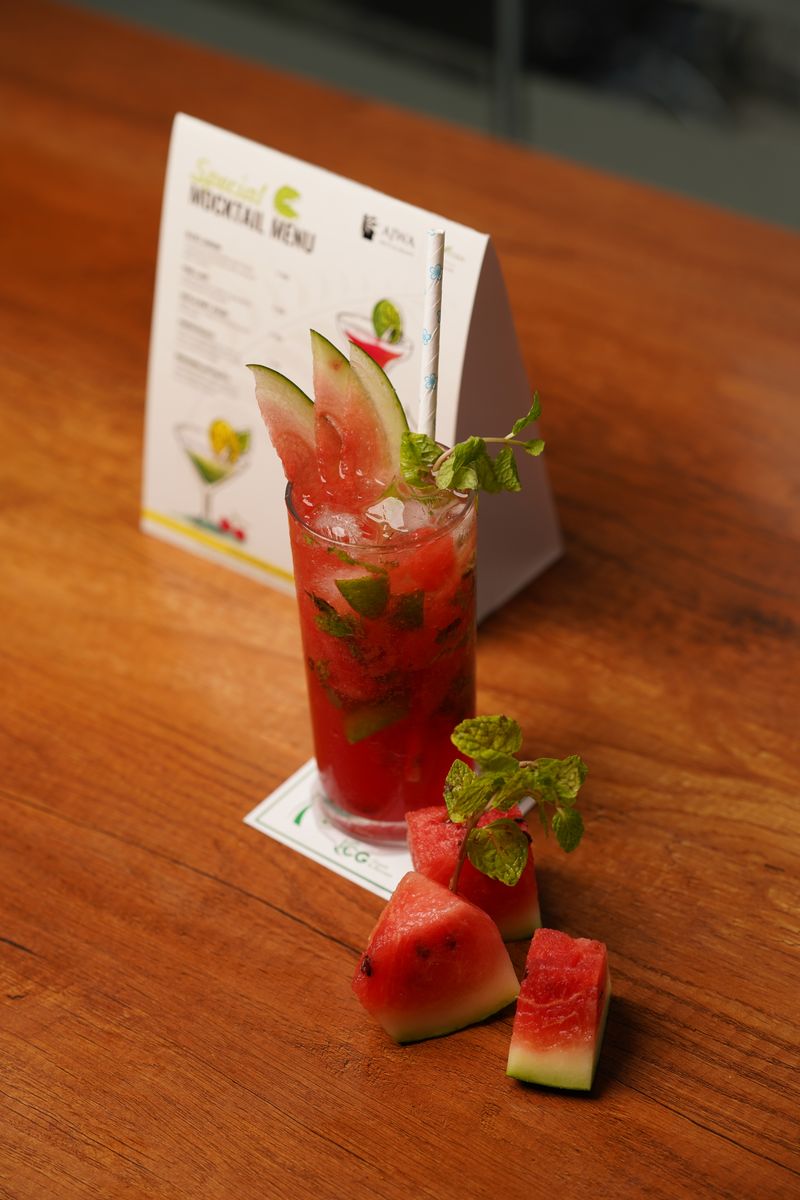
One driver is tables where some guests order alcohol and others don’t. SpotOn’s report identifies mixed-preference groups as a changing dining occasion, alongside “sober curious” choices and wellness interests. That is more nuanced than saying everyone is becoming sober. A diner may want an alcohol-free drink one night and a cocktail the next. A thoughtful menu lets the restaurant serve both choices without reducing one guest’s experience to water, soda, or an apologetic improvisation.
“Operators can feel it in their nightly closeout, fewer second rounds, more guests skipping alcohol, and more mixed-preference groups at the same table,” said Kevin Bryla, SpotOn’s chief marketing officer. His comments accompany a company report, not an independent survey of every restaurant’s customers. Still, they explain the business problem the analysis addresses: if alcohol orders soften, operators need other beverages people actively want to buy, not merely something available for guests who decline a cocktail.
Consumer research also suggests the audience extends beyond a tiny niche. The National Restaurant Association’s 2025 State of the Restaurant Industry report found that 52% of consumers would like the option to order low- or no-alcohol cocktails. That finding combines reduced-alcohol and alcohol-free drinks; it does not mean 52% regularly order mocktails. It shows interest in having a choice, an important starting point for restaurants deciding whether these drinks deserve visible space on the menu.
That visibility appears to be changing.SpotOn found that nonalcoholic beverages were gaining permanent menu positions with seasonal rotations, rather than appearing only for Dry January. The distinction matters because a once-a-year promotion serves a temporary occasion, while an ongoing menu signals that a restaurant expects recurring demand. Customers who skip alcohol in March or October can then choose from an established offering instead of asking the bartender to invent something while the rest of the table orders.
Related: 7 Things Women Say Make a First Date Feel Safe and Comfortable
The Upgrade Is About Flavor and Feeling Included
The phrase “restaurant-style mocktail” usually points to more than removing alcohol from an existing recipe. In SpotOn’s analysis, zero-proof cocktails appeared alongside nonalcoholic spirits, premium mixers, garnishes, and bar-quality presentation. The intention is to make the finished drink feel deliberately constructed.A non-drinker should be able to order something with its own identity, rather than receive the sweet ingredients left behind after the bartender subtracts the part that originally defined the cocktail.
Presentation is not a trivial detail in that experience. Bill Frittenburg, general manager of Black Cap Grille in North Conway, New Hampshire, described an established zero-proof program in SpotOn’s report: “We’ve had a zero-proof cocktails menu for the past four years, and those drinks have consistently made up 2% to 5% of our annual revenue.” He added that the restaurant upgraded its glassware to make those offerings feel as special as cocktails and had seen “a big increase as a result.”
Frittenburg did not provide a figure for that increase, so it shouldn’t become a claim that nicer glasses multiply sales by a specific amount. His account shows how one operator connects the experience to demand. Glassware, garnish, and a proper menu listing can tell a guest that their drink received the same attention as an alcoholic order. Inclusion here is practical hospitality: give people different options without making one look like the lesser choice.
The upgrade also extends beyond cocktail replicas. Across more than 1,000 independent restaurants, SpotOn counted 1,952 net-new nonalcoholic beverage additions between January 1, 2025, and February 15, 2026. Treat beverages accounted for 49.5%, zero- or low-proof options for 32.7%, and functional beverages for 17.8%. Those categories explain why the story should not be reduced to elaborate mocktails alone. Restaurants are developing multiple ways to sell appealing drinks, from refreshers to alcohol-free, cocktail-style preparations.
There Is a Business Case Behind the Beautiful Glass
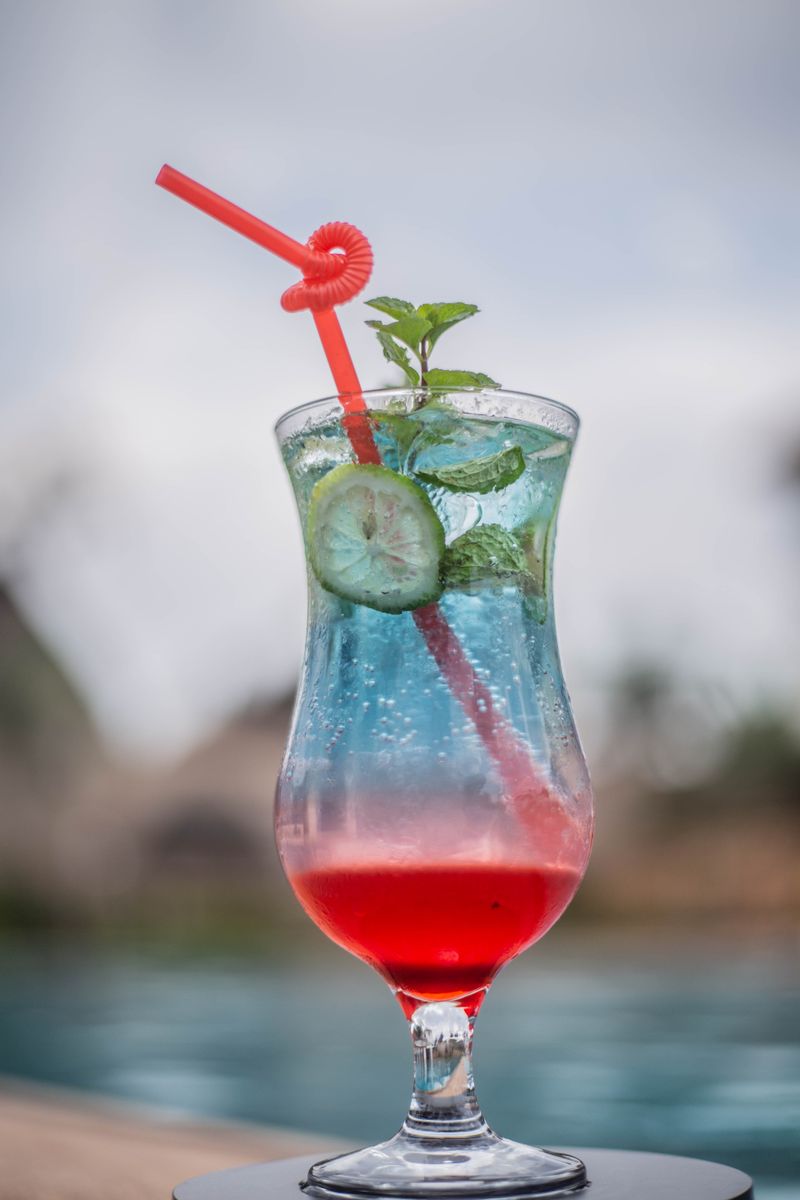
Restaurants are not expanding these menus solely as a gesture of goodwill. SpotOn describes a strategy to protect beverage margins, encourage customers to add drinks to food orders, and create small indulgences with perceived value. A guest who would otherwise order only water might choose a special nonalcoholic beverage. That creates a sales opportunity, but it doesn’t prove every mocktail is highly profitable. Ingredients, preparation, pricing, and what customers actually order still determine the result.
The successful offering also needs to work during service. SpotOn recommends consistent recipes, efficient preparation, and repeatable builds rather than novelty that slows the bar every time it is ordered. That operational point helps explain why the prettiest drink is not automatically the best business decision. Restaurants need an option that looks and tastes worth ordering while remaining manageable on a busy night. The rise is therefore as much about menu design and execution as it is about a photogenic garnish.
The answer is choice, supported by better presentation and a clear commercial incentive. Guests increasingly have reasons to skip alcohol without skipping a restaurant experience, and operators see an opportunity to serve them something more interesting than a default soft drink. The evidence does not show that cocktails are disappearing or that mocktails alone account for all nonalcoholic growth. It shows restaurants taking the wider category seriously. The attractive glass is the visible part; the changing table, expanded menu, and business calculation sit beneath it.
Other Posts You Might Like
- Gen Z Is Spending $0 on Romantic Dates, Survey Finds as Young Adults Rethink Dating Costs
- 8 Things Men Secretly Hope Women Will Do on Dates
- 10 Questions Men Say They Wish Women Would Ask on a First Date