Gas prices have turned into one of those household costs we feel before we even check the receipt. A full tank can now compete with groceries, insurance, and weekend plans, especially for families running two cars, long commutes, school drop offs, errands, and road trips.
That is why the old habit of filling up only when the gas light appears has become one of the easiest ways to overpay.
We do not need to treat gasoline like a mystery anymore. Weekly price patterns, travel surges, local competition, oil market news, and station location all shape what we pay at the pump. Sunday often deserves the first check, but the real savings come from avoiding the days and places where urgency does the shopping for us.
Wednesday is often where the weekly gas price squeeze begins.
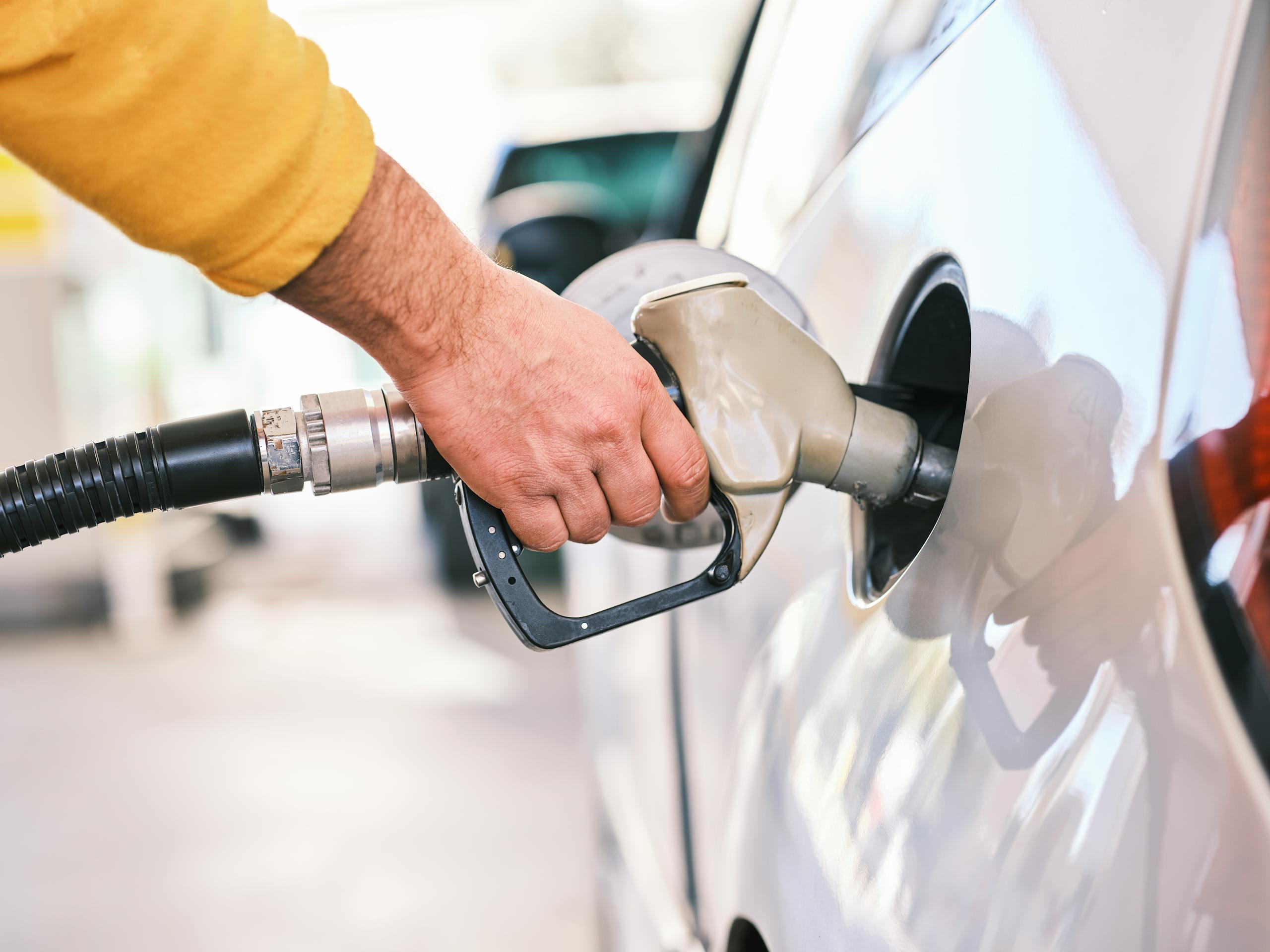
Wednesday can quietly become the day when gas prices stop feeling normal and start feeling annoying. Many drivers wait until midweek because Monday feels too early, Tuesday feels manageable, and Wednesday is when the tank finally demands attention. That timing matters because GasBuddy’s 2026 analysis points to the middle of the week as one of the more expensive periods in many markets.
We see the problem most clearly when convenience takes over. A driver leaving work, picking up groceries, or rushing home from an appointment is less likely to compare prices across town.
Even a small difference per gallon can turn into real money across several fill ups a month, especially for households with SUVs, trucks, vans, or long commutes. Wednesday is not always the single worst day everywhere, but it is often the day when planning starts to matter more.
Thursday can punish drivers in price cycling markets.
Thursday is one of the sneakiest days to buy gas because some local markets do not move slowly. Prices can jump sharply, then ease back down over the next few days as stations react to competitors. In these price cycling areas, Thursday can feel like every station sign changed while nobody was watching.
That pattern is frustrating because it makes the pump feel random. We may pass a station at one price in the morning and see a higher price by evening. The mistake is assuming a spike means every driver must fill up immediately. If the tank still has enough room to wait, checking prices over the next day or two can keep a rushed Thursday fill up from becoming the most expensive stop of the week.
Friday is the classic road trip mistake.
Friday has a special way of making gas more expensive because it combines commuters, weekend travelers, errands, and last minute decisions. The driver who waits until Friday afternoon before a lake trip, beach drive, family visit, or sports weekend is often buying fuel when everyone else has the same idea. That puts pressure on stations near highways, exits, shopping corridors, and commuter routes.
We should treat Friday fill ups like airport food. The price often reflects convenience, not value. Drivers who fill up earlier in the week, compare stations before leaving town, or stop away from major exits can avoid the obvious trap.
The worst Friday gas purchase usually happens when the car is packed, the kids are waiting, the GPS is running, and nobody wants to spend ten extra minutes searching for a better pump.
Holiday Thursdays and Fridays hit harder than normal weekdays.

Holiday weeks can make ordinary gas price patterns messy. Memorial Day, July Fourth, Labor Day, Thanksgiving travel, and long summer weekends push millions of drivers onto the road at nearly the same time. When that rush begins on Thursday and Friday, stations near suburbs, interstates, airports, and vacation routes can feel the demand quickly.
This is where planning becomes a budget move, not just a driving habit. Topping off before the holiday rush can save money and reduce stress. Waiting until everyone else is leaving town can mean paying more, sitting in traffic, and settling for the closest station.
The smarter move is simple: check prices before the travel wave starts, fill up away from the busiest corridors, and avoid making the pump part of the holiday panic.
Summer Fridays feel worse because the starting price is already higher.
A Friday fill-up can sting in any season, but summer makes the pain sharper. Gasoline demand usually rises when families drive more, vacations begin, and weekend trips become part of the routine. Summer fuel blends and regional fuel rules can also affect refining costs, which means the baseline price may already be higher before the Friday rush begins.
That is why a summer road trip can feel expensive before the car even leaves the driveway. We are not just paying for fuel. We are paying for timing, seasonality, demand, and convenience all at once.
The better habit is to build gas checks into the travel plan, the same way we check hotel prices, restaurant costs, or parking fees. A cheaper station ten minutes before the tourist zone can beat the one sitting beside the crowded exit.
Saturday in tourist areas is where convenience pricing wins.
Saturday is not always a bad day everywhere, but it can become painful in tourist towns, beach areas, lake communities, mountain routes, amusement park corridors, and national park gateways. The issue is less about the calendar and more about the customer.
Drivers in these places are already traveling, already committed, and often unwilling to leave the main road for cheaper fuel.
That gives certain stations a powerful advantage. A pump beside a resort road, ferry line, campground, or scenic highway may cost more because it saves time. We should assume tourist area fuel is selling convenience first and gasoline second. Filling up before entering the vacation zone can protect the budget, especially when the return trip still requires another tank.
Monday can spike when oil news breaks over the weekend.
Monday often looks better than the middle of the week, but it is not automatically cheap. Crude oil remains one of the biggest forces behind gasoline prices, and oil market news does not wait politely for drivers to finish the weekend. Refinery outages, geopolitical shocks, supply concerns, storms, and sudden market moves can all change the mood before Monday morning.
That is why we should use weekday patterns as guidance, not gospel. If major energy news breaks over the weekend, a Monday fill up can still feel rough. Drivers who watch only the calendar may miss the bigger signal. The strongest approach is to check both the weekly pattern and the current market mood before assuming Monday will protect the wallet.
Storm watch days can erase the normal gas calendar.
Before a major storm, the worst day to buy gas is usually the day everyone else rushes to the pump. A hurricane warning, snowstorm forecast, flood threat, or widespread power outage concern can turn ordinary demand into a short term scramble. Stations may run low, lines may form, and drivers who wait until the last moment lose both time and choice.
We do not need panic to prepare well. Keeping the tank from falling too low during storm season is a simple household safety habit. It also reduces the odds of paying more because everyone else is topping off at once. A half full tank gives us options. An empty tank gives the nearest station all the power.
Airport area fill ups cost more because travelers are trapped by time.
Gas stations near airports can be expensive on almost any day because rental car returns create a steady stream of rushed drivers. Travelers often need to bring the car back full, catch a flight, and avoid a refueling penalty. That urgency makes nearby pumps attractive even when the price is higher than stations farther away.
This is one of the clearest examples of location beating weekday timing. A Sunday fill up near an airport may still be worse than a Wednesday fill up several miles away. The smarter habit is to refuel before reaching the airport corridor, keep the receipt, and leave enough time for the stop. When we let the rental return deadline choose the station, the price usually wins.
Stadium and event day stations can turn a good day into a bad one.
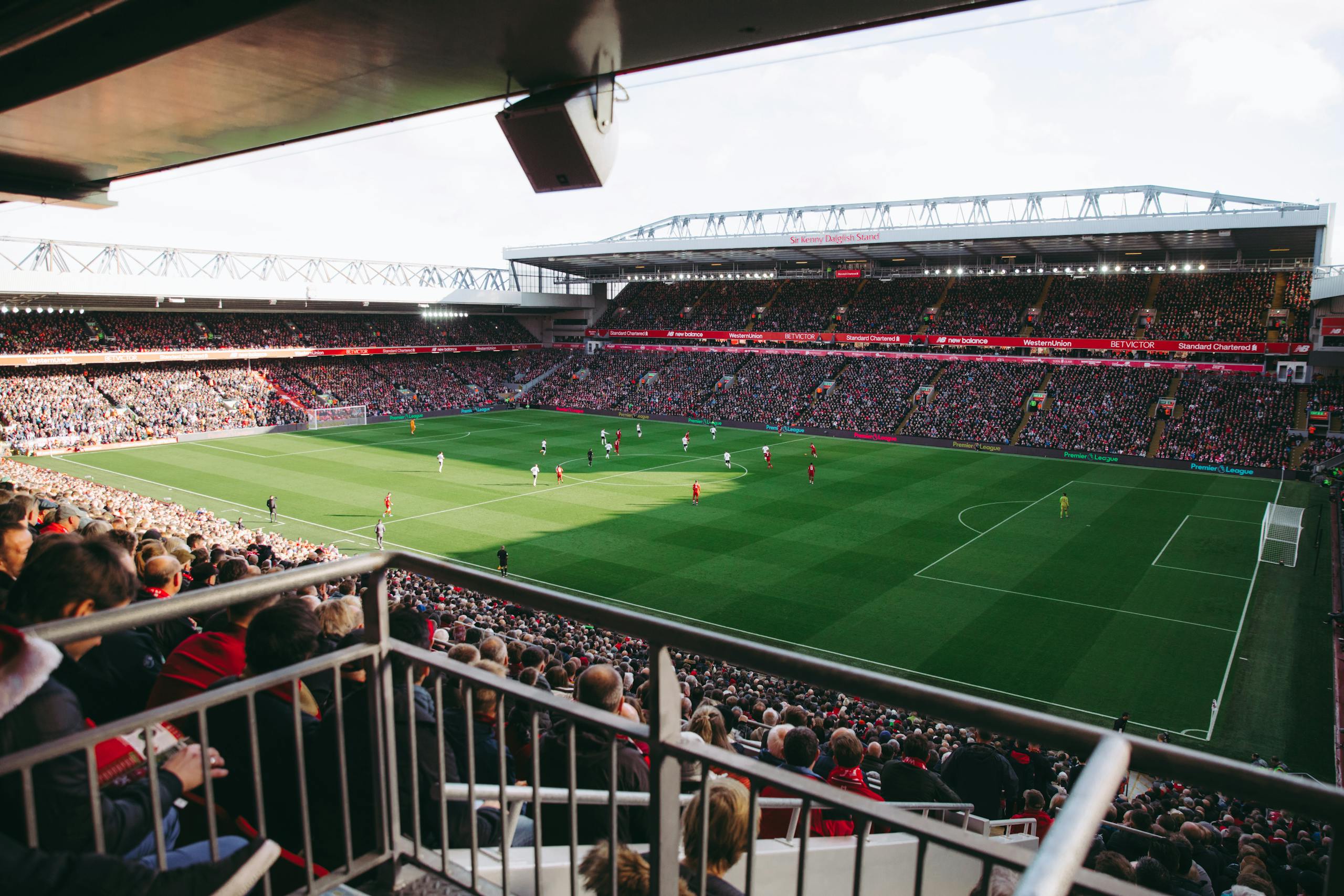
Sunday may often be a smart day to check gas prices, but a Sunday beside a stadium can be a trap. Concerts, football games, racing events, fairs, festivals, and beach weekends can all change local demand. Stations near crowded venues know many drivers are tired, stuck in traffic, and ready to get home.
That does not mean every event area station raises prices dramatically. It means the cheapest pump is rarely the one sitting closest to the crowd. We can protect the budget by searching along the route home instead of filling up next to the parking lot. A few extra minutes after traffic clears can beat a quick stop made in the middle of the crowd.
Downtown rush hour gas stops reward poor planning.
Gas prices do not need to change by the hour for rush hour fill ups to cost more. The real issue is pressure. Downtown and commuter heavy stations often serve drivers who are late, tired, boxed in by traffic, or too low on fuel to keep looking. At that point, even a higher price feels easier than another detour.
Planning ahead breaks that pattern. If a suburban station, warehouse club, grocery fuel program, or regular neighborhood stop is usually cheaper, we should use it before the city has us cornered. The best gas savings often come from avoiding the moment when we have no patience left. A planned fill up feels boring, but boring is usually cheaper.
State lines can matter more than weekdays.
A national rule for the best day to buy gas can only go so far because fuel prices are deeply local. State taxes, environmental fuel rules, refinery access, transportation routes, local competition, and regional supply all influence the final number on the sign.
A driver crossing from a lower cost state into a higher cost state can lose more money than they would save by picking the “right” weekday.
Road trippers should think in zones, not just days. If the route crosses a state line known for higher prices, filling up before crossing can make sense. This matters even more for long distance drivers, RV owners, delivery workers, and families taking multi state vacations. The cheapest day matters, but the cheapest side of the border may matter more.
Gas apps make the pattern easier to spot, but they are not perfect.

Gas apps changed the way drivers shop for fuel because we no longer have to rely on memory or station signs. We can compare nearby stations before leaving the driveway, spot a Sunday dip, notice a midweek jump, and avoid highway exits with inflated prices. That gives ordinary drivers a tool they did not have years ago.
Still, app prices can go stale, especially at quieter stations or during fast moving spikes. We should check when the price was last updated before driving across town for a discount. The savings also need to beat the detour. Burning extra fuel to save a few cents per gallon can turn a smart move into a silly one.
Rewards can beat the calendar when they fit real habits.
The best day to buy gas is important, but discounts can sometimes beat timing. Grocery fuel points, warehouse clubs, station apps, cashback cards, and loyalty programs can save more than switching from Thursday to Sunday. The key is using rewards that fit what we already do.
The trap is spending more to save less. Buying extra groceries just to earn fuel points can erase the discount. Driving far out of the way for cheaper gas can waste fuel, time, and patience. Rewards work best when they attach to normal habits. If we already shop at the store, belong to the warehouse club, or pass the cheaper station on a regular route, the savings become real.
The worst day to buy gas is the day the tank decides.
The most expensive fill up is usually not caused by one weekday. It happens when timing, location, urgency, and low fuel all gang up at once. Friday afternoon near the highway, Saturday in a tourist town, Thursday in a price cycling market, Monday after oil market news, or Sunday beside a stadium can all become the wrong moment.
We save more when we stop waiting for the gas light to manage the budget. Checking prices before the tank is empty gives us freedom. Filling up before the rush gives us a choice. Avoiding airport corridors, event areas, tourist roads, and downtown pressure points keeps convenience from becoming a hidden tax.
Conclusion
The best day to buy gas in 2026 is not a magic answer every driver can follow blindly. Sunday is often a smart day to check first, and Monday can be useful in many markets, but Wednesday through Friday deserve more caution because prices, traffic, and urgency often work against drivers. The real danger comes from waiting until there is no choice left.
We should treat gas like a regular household expense instead of a last minute emergency. Compare prices early, avoid obvious convenience traps, use rewards only when they fit normal habits, and fill up before holidays, storms, road trips, and crowded events create pressure. The cheapest gallon is not always across town. It is the one we buy before timing, location, and urgency drain the wallet.