Your child spills juice after you’ve already asked them to move the glass. You’re tired, dinner is getting cold, and out comes, “What is wrong with you?” A minute later, you realize you really meant, “Please get a towel.”
Most parents have had a moment like that. The words that come out under pressure can be harsher than the message we meant to send. And when the same phrases come up again and again, a child may remember the label long after they’ve forgotten what happened.
Here are seven phrases worth leaving behind, along with alternatives you can actually use in the moment.
“What is wrong with you?”

When a child draws on the wall or pushes a sibling, this question can slip out before you’ve taken a breath. But it asks them to explain what’s wrong with them when the real issue is something they did.
Try naming the action and giving them a next step. “Markers go on paper. Bring me a cloth and help me wipe this off.” The rule is clear, and your child can do something to make things right.
“Why can’t you be more like your sister?”
Maybe one child gets ready for school without a reminder while the other still can’t find a shoe at 7:45. The comparison might feel like a shortcut, but now you’re dealing with hurt feelings and a missing shoe.
Say what you need from the child in front of you. “We leave in five minutes. Put on your shoes, then grab your bag.” If mornings are a struggle most days, try picking a spot together where the shoes go every evening.
Related:10 Things Kids in the 1960s Did Alone That Parents Would Never Allow Today
“Stop crying. It’s no big deal.”

To you, it’s a broken cracker. To your four-year-old, it was the cracker they looked forward to all the way home. You can acknowledge the disappointment without opening a fresh pack.
“I know you wanted it whole. These are the crackers we have.” Then give them a moment. You’ve heard them, and you’ve still set a limit. The same approach works when an older child is upset about a canceled sleepover, and there’s nothing you can do to bring it back.
“You always ruin everything.”
A knocked-over tower can ruin a game. It doesn’t tell you how a child behaves every minute of the day. Words like “always” and “never” turn one incident into an argument about every other time something went wrong.
Keep the conversation on what happened. “Your brother was still building that tower when you knocked it down. Give him some space, then ask if he wants help rebuilding.” He may want to rebuild it himself. Give him that choice, too.
“If you loved me, you’d do it.”

This can sneak into small moments, like when a child refuses to hug you goodbye. You might feel disappointed, especially if hugs have always been your thing. You can say you’ll miss them and give them another way to say goodbye.
“How about a high five or a wave?” works in that situation. When it’s a household responsibility, be direct about the job. “Please put your plate in the sink before you go play.” Each request can stand on its own.
“Just wait until your dad gets home.”
By the time another parent gets home, everyone may be arguing about who started it. And if this becomes the usual warning, the parent walking through the door can end up spending the first few minutes home sorting out a fight they never saw.
Start with what you can handle right now. “Put the controller down. We’re taking a break because you threw it.” You can talk with the other parent later about when the game can resume.
“I wish I never had kids.”
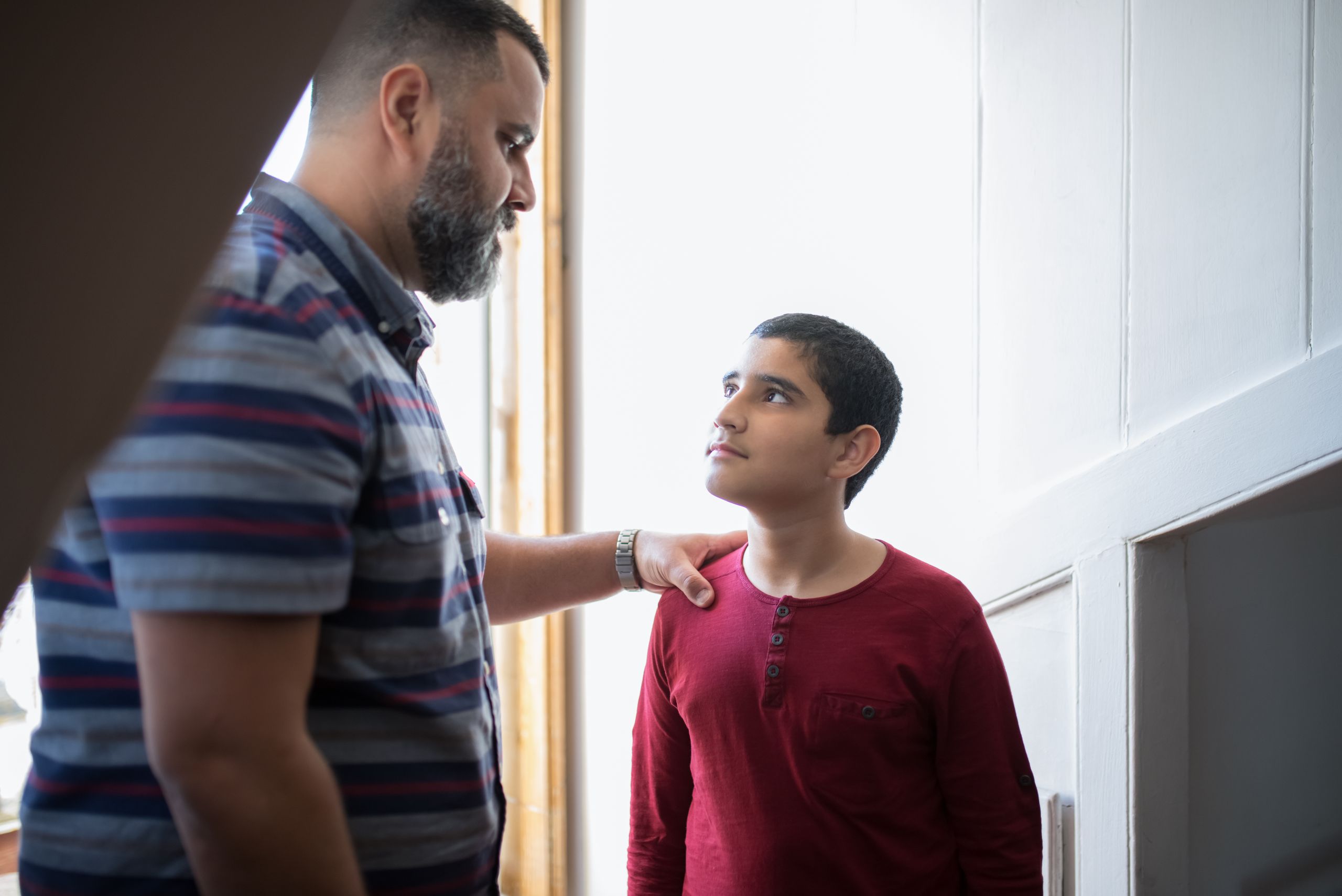
An exhausted parent may mean, “I need ten minutes to myself.” A child may hear, “My parent wishes I weren’t here.” If what you need is a pause, say so plainly. “I’m overwhelmed. I’m going to take a minute, then we’ll talk.”
If the hurtful words have already come out, go back and address them. “I said something hurtful. I’m glad you’re my child, and I’m sorry I said that.” Give them room to respond, even if they need time before they’re ready to talk.