Halloween movie night usually has the candy covered. The savory food takes a little more planning, especially when everyone wants something they can share without missing the opening scene.
Sheet-pan nachos fit that kind of evening. They can accommodate different topping preferences, arrive at the table together, and feel festive without requiring elaborate decorations.
The challenge is keeping the chips from disappearing beneath a heavy, wet blanket of toppings.
The answer is not simply more cheese or a hotter oven. It is a combination of sturdy chips, well-prepared ingredients, and an arrangement that lets the whole tray heat evenly.
The goal is to make the components work together, with fewer overloaded chips and more satisfying bites.
Start With a Shallow Layer of Sturdy Chips
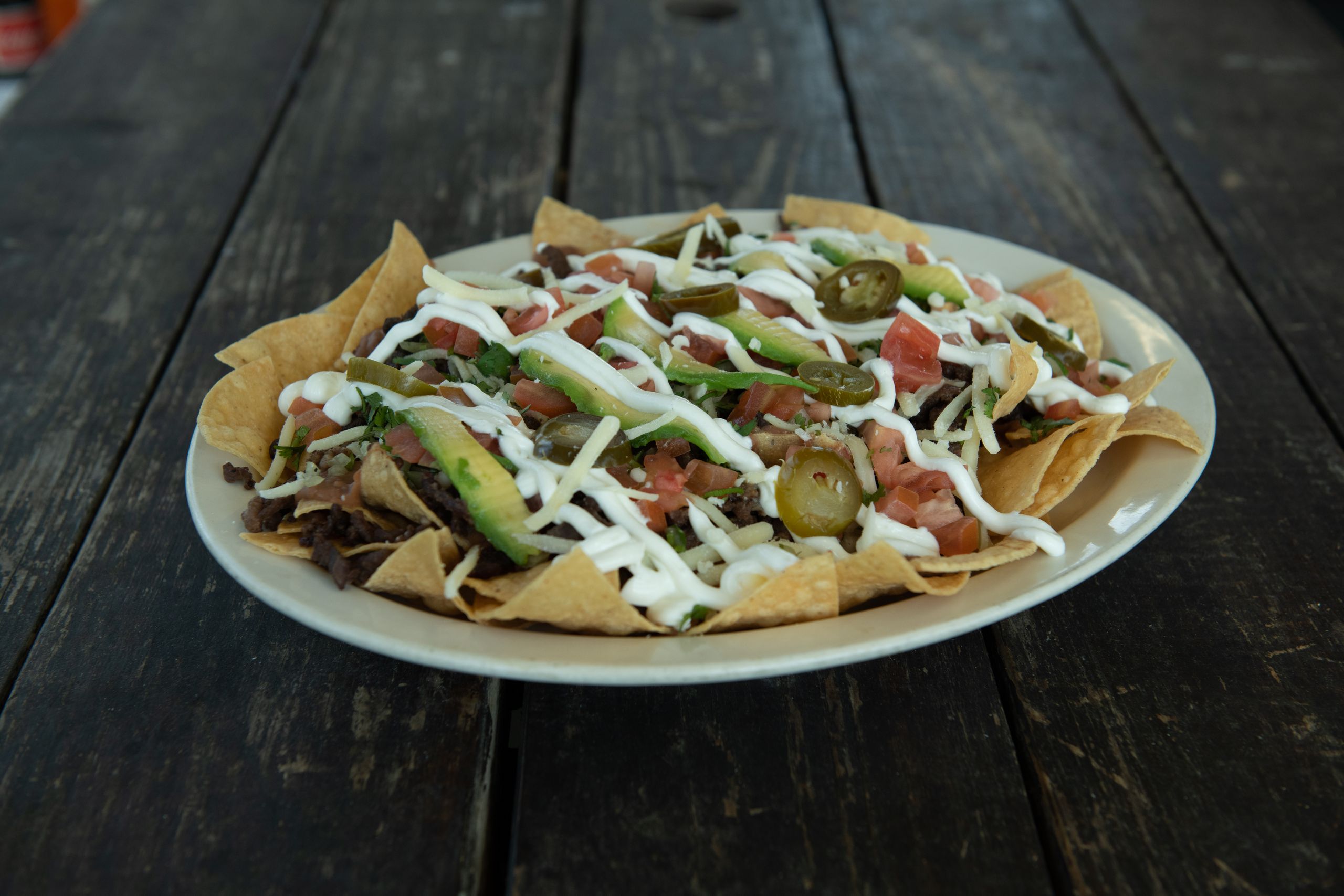
Loaded nachos ask more of a tortilla chip than a quick dip into salsa.
Choose sturdy chips that can support beans, cheese, and other additions. Very delicate chips can break during assembly or collapse when you lift them with a generous topping.
Spread them across a wide, rimmed baking sheet rather than piling them high in the middle. Some overlap is necessary, but a deep pile makes it difficult to distribute cheese and toppings throughout.
Serious Eats’ guidance on keeping loaded nachos crisp emphasizes a relatively shallow arrangement and toppings distributed beyond the uppermost chips.
That is a useful starting principle: build outward before building upward.
Leave some chip edges exposed, too. A tray is easier to share when people can identify where one portion ends, and another begins.
Choose the Components Before You Assemble
A good tray does not need every available topping. Choose a few ingredients for baking, then save the fresh, creamy additions for serving.
Related: 15 Foods That Seem Healthy but Aren’t
Ingredients to consider for the baked layer
- Sturdy tortilla chips
- Shredded cheddar, Monterey Jack, or a combination
- Well-drained canned beans
- Cooked shredded chicken or cooked ground meat, if desired
- Drained pickled jalapeños, if desired
Finishing ingredients to serve separately
- Salsa
- Sour cream
- Guacamole or diced avocado
- Sliced green onions
- Chopped cilantro
These are options, not requirements.
A cheese-and-bean tray can stand on its own. Chicken or ground meat adds another component, while jalapeños can stay on the side for people who want them.
For a measured starting point, Kristy Bernardo’s oven-baked nachos recipe includes quantities, baking instructions, and a staged approach to adding cheese and toppings.
Deal With Moisture Before It Reaches the Chips
Nachos stay crisp longer when liquid doesn’t collect around the chips.
Drain canned beans thoroughly after rinsing. Let pickled jalapeños drain instead of transferring them directly from their jar.
If diced tomatoes release a pool of juice, leave that loose liquid behind when moving them into a serving bowl. Keep the tomatoes separate until you’re ready to assemble.
Cooked meat also needs attention. Drain excess fat from cooked ground meat before adding it to the chips, and avoid transferring pooled cooking liquid onto the tray.
Prepare each ingredient before assembly rather than trying to manage excess moisture after everything is layered.
Draining does not mean removing every trace of sauce or moisture. It means avoiding unnecessary liquid that can collect beneath the toppings and soften the chips.
Related: 15 Best Dinner Foods that Can Help You Reach Your Weight Loss Goals
Give More Chips a Share of the Toppings
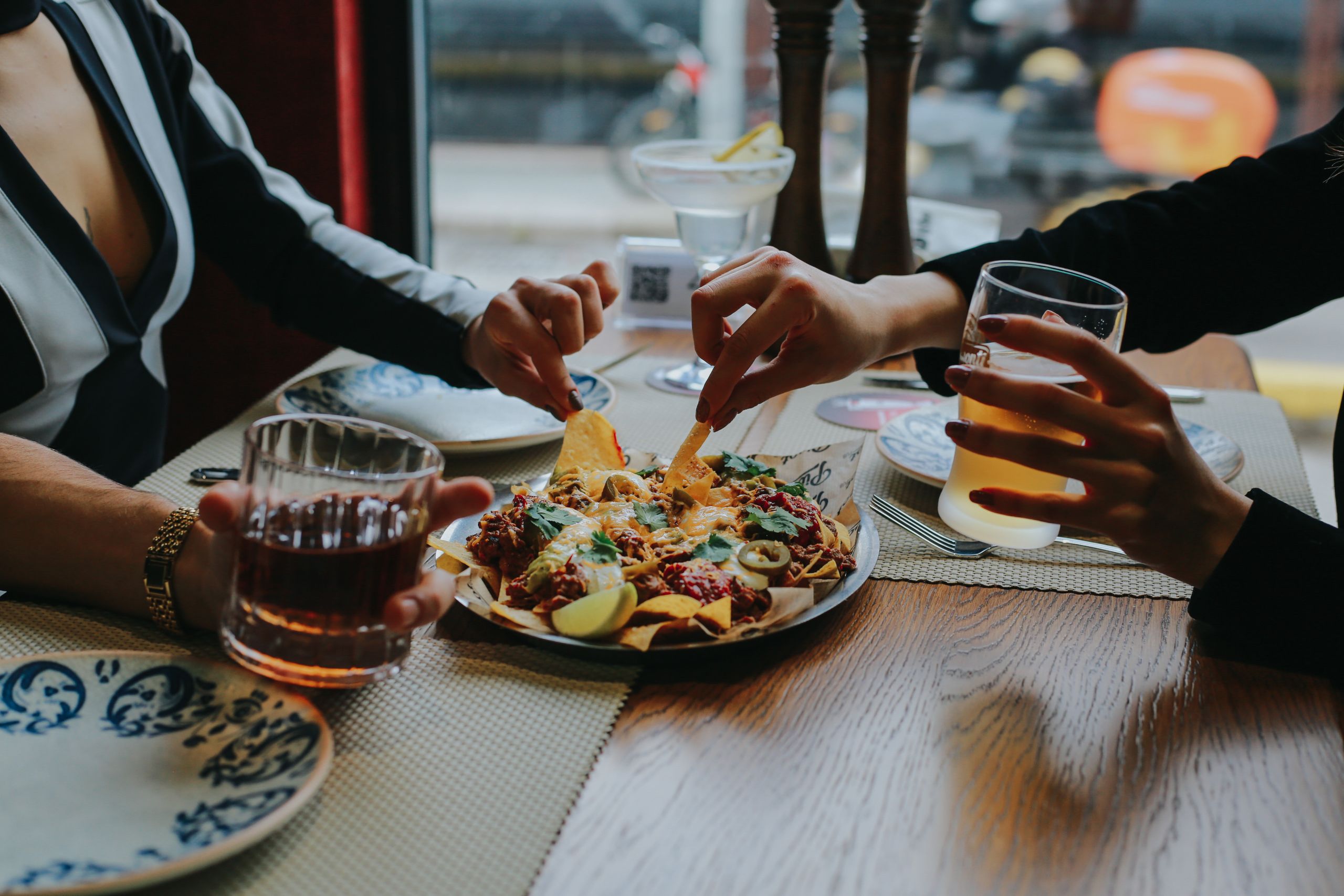
A dramatic mound may look generous, but it can leave the bottom chips bare and the top ones overloaded.
Scatter cheese across the chips instead of dropping it into a few dense patches. Add beans and cooked meat in small, evenly spaced portions rather than large spoonfuls.
Then pause before adding more.
If you cannot see much of the chip layer, the pan may already be crowded. Hold back some toppings or prep another tray instead of continuing to stack.
A cheese-first approach can also help. Bernardo’s method briefly melts an initial layer of cheese, then adds other components and returns the nachos to the oven.
That layer can help limit contact between the chips and wetter ingredients. It is not a waterproof seal, so draining and restraint still matter.
Bake to Melt the Cheese, Not to Roast the Whole Tray
Follow the temperature and timing in the recipe you select, and check the nachos before the suggested range ends.
The goal is melted cheese and properly heated toppings, with exposed chips that aren’t overly dark.
Do not assume that a longer bake will solve a crowded tray. It can overcook outer chips while doing little to improve ingredient distribution.
Have the serving bowls, plates, and finishing toppings ready before the pan comes out. Nachos don’t benefit from sitting around while everyone searches for napkins.
Set the hot pan on a heatproof surface and provide a serving utensil so guests can move portions onto their plates.
Add Salsa and Creamy Toppings at the Table
Salsa, sour cream, and guacamole are welcome additions, but they do not need to cover the entire tray.
Serve them separately in small bowls alongside the nachos. The sheet-pan nachos recipe from Allrecipes serves sour cream and salsa as dips after cooking.
That lets one person add extra salsa while another keeps a portion mostly cheese and beans. It also keeps the entire tray from getting coated with wet toppings before everyone has served themselves.
Scatter fresh tomatoes, green onions, and cilantro lightly over the finished nachos, or serve them on the side.
For a Halloween touch, orange cheddar, black beans, and black olives provide a simple color contrast. There is no need to turn the whole tray into a decorating project.
The food can suit the occasion without becoming difficult to assemble or eat.
Keep Movie Night Flexible
Families, roommates, and friends do not always agree on heat, meat, or toppings.
Two smaller trays can be easier to manage than one heavily customized pan. Keep jalapeños separate, or make one tray with beans and another with cooked chicken.
Prepare the components ahead, but keep the chips and toppings separate until assembly.
If the evening includes more than one film, consider baking a second batch later instead of making an enormous tray at the beginning.
The central idea is simple: enough toppings to make the nachos interesting, and enough restraint to keep the chips part of the experience.
With the movie waiting and everyone choosing their favorite finishing touches, what better opening scene is there than a tray made for sharing?