Open the pantry in an older relative’s home, and you might find ingredients that rarely appear in modern food advertisements. Canned fish, powdered milk, dried beans, and traditional baking supplies may occupy more space than packaged snacks.
That doesn’t mean every older adult shops alike or that younger people never purchase these foods. But many pantry habits reflect changing cooking styles and the value earlier generations placed on shelf-stable ingredients. These nine products remain worth understanding because several are still convenient, versatile, and economical.
1. Evaporated Milk
Evaporated milk is produced by removing a substantial portion of the water from ordinary milk. The concentrated product is packaged in cans and can be stored unopened without refrigeration.
It appears in recipes for pies, sauces, desserts, and other dishes. Many older family recipes use evaporated milk because it was convenient and readily available.
Modern shoppers sometimes confuse it with sweetened condensed milk, but the two products are different. Evaporated milk does not contain the same added sugar as sweetened condensed milk.
2. Canned Salmon
Canned salmon provides a convenient ingredient for patties, sandwiches, salads, and casseroles. It can be stored in the pantry until needed, making it useful for meal planning.
Some versions contain skin and soft bones, which can surprise unfamiliar shoppers. The bones are often edible, although individual preferences vary.
Older recipes frequently use canned salmon because fresh fish wasn’t always available or affordable. It remains practical for people who want seafood without making a separate trip to the fish counter.
3. Dried Beans
Dried beans have long been pantry staples because they store well and can produce numerous servings. Common varieties include navy beans, pinto beans, black beans, and kidney beans.
They work in soups, stews, salads, and side dishes. The USDA’s MyPlate program recognizes beans, peas, and lentils as protein foods.
Proper cooking matters, particularly for certain beans. Red kidney beans, for example, should be cooked thoroughly because improperly prepared beans can contain harmful lectins.
4. Cornmeal
Cornmeal is useful for cornbread, corn pone, mush, and other traditional dishes. Its importance reflects the role corn has played in American agriculture and regional food traditions.
Southern households may use cornmeal for biscuits’ accompaniments, fried foods, and cornbread. Other regions have their own preferred preparations.
A bag of cornmeal can provide several different meals when stored properly. Its versatility makes it useful beyond recipes associated with nostalgia.
5. Prunes
Prunes are dried plums that can be eaten directly or used in cooking. They have long been associated with breakfast, baking, and digestive health.
Older consumers may remember stewed prunes served as a side dish or simple dessert. Modern shoppers often encounter them under the name dried plums.
They can be chopped into oatmeal, blended into certain baked goods, or paired with nuts. Their natural sweetness also makes them useful in recipes that would otherwise require another sweet ingredient.
6. Canned Sardines
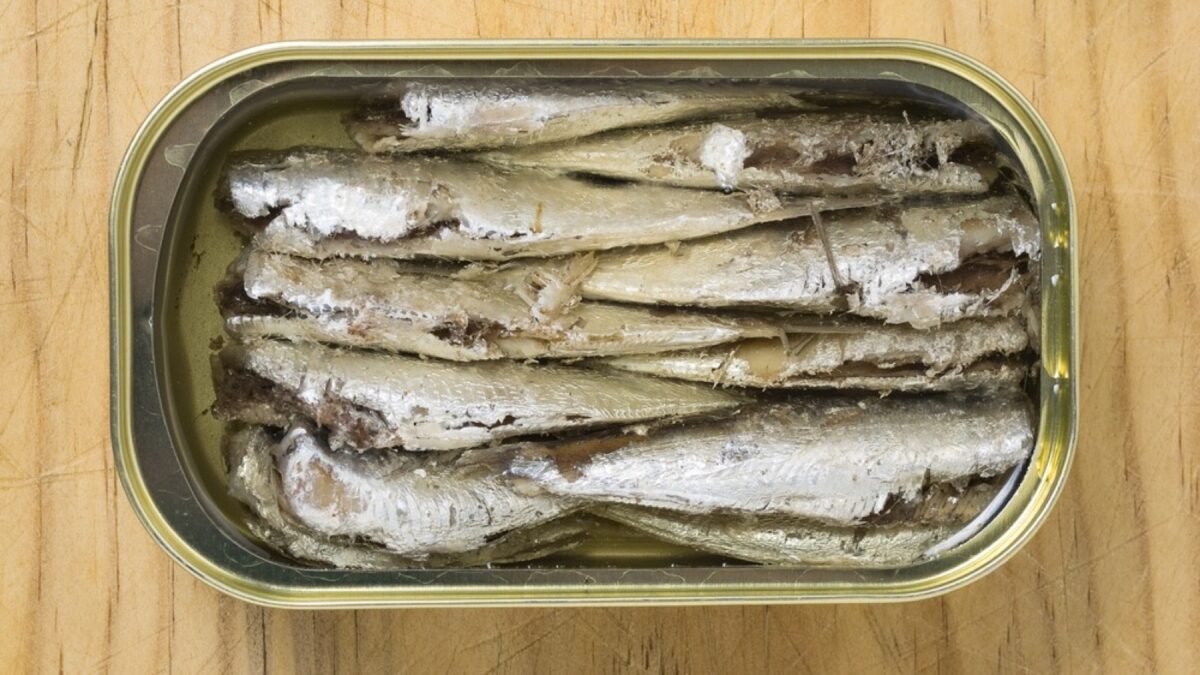
Canned sardines can be stored for extended periods and served without complicated preparation. They are available in oil, water, tomato sauce, and other seasonings.
Some people enjoy them on crackers or toast, while others add them to salads or pasta. Their distinctive flavor makes them less appealing to certain shoppers.
The fish provides protein and, depending on the product, omega-3 fatty acids and calcium. Reading the label helps shoppers compare sodium levels and other nutritional details.
7. Powdered Milk
Powdered milk is made by removing moisture from milk, producing a product that can be reconstituted with water. It offers storage advantages when fresh milk isn’t immediately available.
Older recipes sometimes use powdered milk in breads, desserts, and other baked goods. It can also be useful for households seeking an emergency pantry supply.
The product should be stored according to package instructions and used within recommended periods. Once mixed with water, it requires refrigeration like other milk products.
8. Canned Peaches
Canned peaches provide fruit that can remain available beyond the fresh growing season. They can be used in cobblers, pies, breakfast dishes, and desserts.
Some products are packed in heavy syrup, while others use juice or water. Comparing labels helps shoppers choose an option that fits their preferences.
Canned fruit has long been part of traditional American pantry cooking. Its convenience remains useful for families who want to keep fruit available without frequent shopping trips.
9. Molasses
Molasses is a thick syrup produced during sugar refining. It has a distinctive flavor and appears in gingerbread, baked beans, cookies, and other traditional recipes.
Different varieties vary in flavor and intensity. Blackstrap molasses, for example, is more bitter than some lighter varieties.
Molasses remains useful for particular recipes, but it may be unfamiliar to shoppers who primarily use white or brown sugar. A small container can last through multiple baking projects when stored properly.
Why These Pantry Foods Still Matter
Shelf-stable foods are useful because they offer flexibility. A well-stocked pantry can help families prepare meals when fresh ingredients are limited or shopping isn’t convenient.
Not every product is equally nutritious or economical, so ingredient labels and prices still matter. But overlooking traditional staples simply because they seem old-fashioned can mean missing useful options.
A pantry doesn’t need to resemble Grandma’s kitchen to benefit from her approach. Keeping a few versatile ingredients available can make everyday cooking easier.