Some of the world’s most memorable meals don’t come from fancy restaurants. They come from sizzling grills, crowded food stalls, and roadside vendors who have perfected their recipes over generations.
From Mexico’s irresistible tacos to Thailand’s flavorful noodles, street food offers a delicious introduction to different cultures. These affordable, convenient dishes have become international favorites, attracting locals and curious travelers alike.
While no single ranking can measure every street food’s worldwide popularity, these 12 favorites have earned recognition for their distinctive flavors, cultural importance, and international appeal.
Tacos al pastor, Mexico
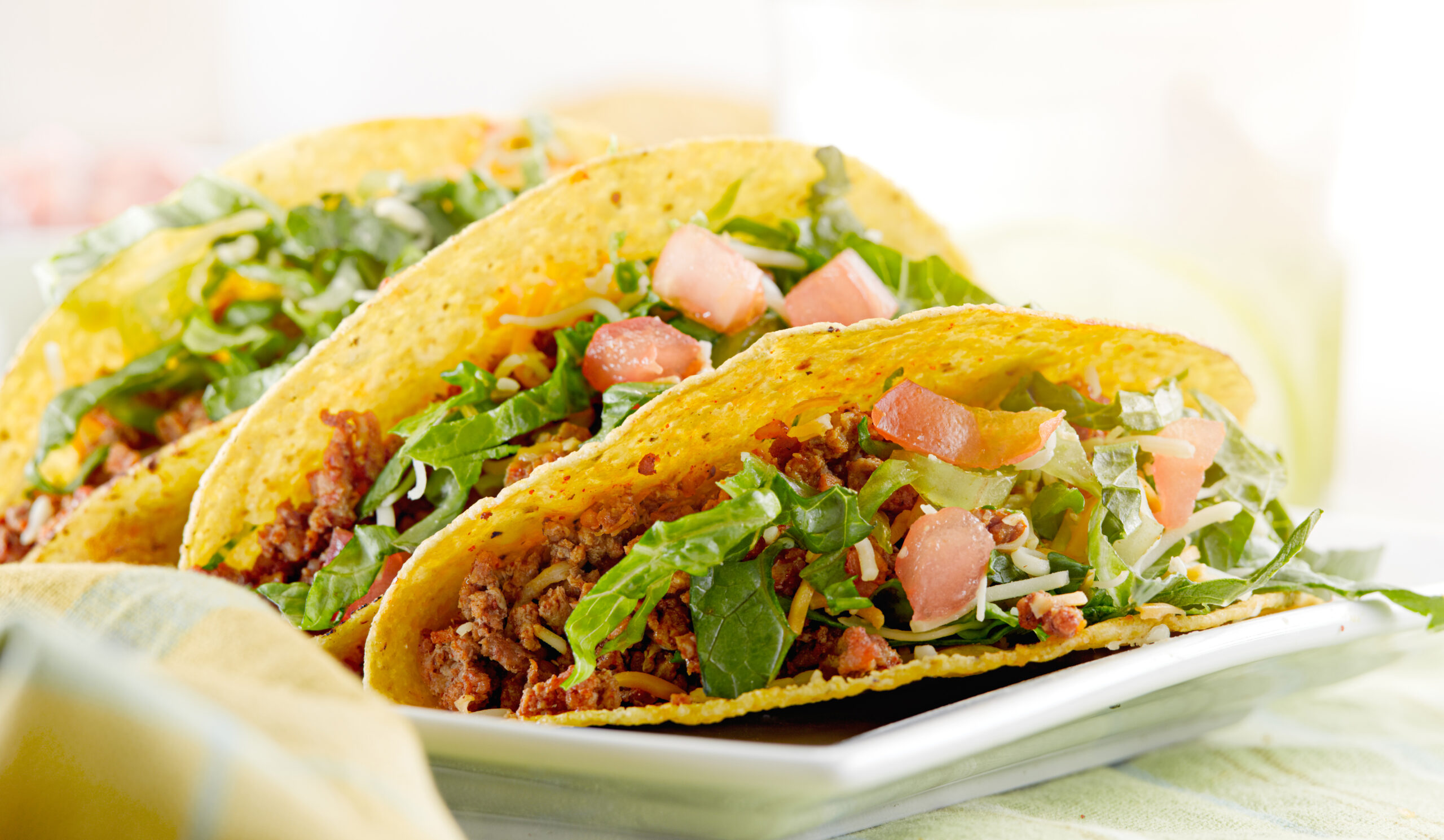
Few street foods capture the excitement of Mexican cuisine quite like tacos al pastor. These delicious handheld meals feature thin slices of marinated pork cooked on a rotating vertical spit.
Vendors shave the meat onto small corn tortillas, then top them with chopped onions, cilantro, pineapple, and salsa. The combination delivers smoky, savory, sweet, and spicy flavors in every bite.
Tacos al pastor are particularly associated with Mexico City, where taquerias serve them throughout the day and late into the night.
Their popularity has also spread internationally, making them a recognizable example of Mexican street food.
Pad Thai, Thailand
Thailand’s bustling streets are famous for their incredible food stalls, and pad Thai remains one of the country’s best-known dishes.
This stir-fried noodle favorite combines rice noodles, eggs, tofu or shrimp, bean sprouts, and a flavorful sauce commonly made with tamarind, fish sauce, and sugar.
Crushed peanuts and fresh lime often complete the dish, adding crunch and brightness.
One reason pad Thai attracts so many food lovers is its combination of contrasting flavors. Sweet, sour, salty, and savory elements come together in a satisfying meal.
Watching a street vendor prepare it in a blazing-hot wok is practically part of the experience.
Bánh mì, Vietnam
Vietnam’s famous bánh mì proves that a sandwich can deliver an extraordinary combination of textures and flavors.
Typically served in a light, crusty baguette, this Vietnamese street food features fillings such as grilled pork, pâté, cold cuts, or eggs.
Pickled carrots, daikon radish, cucumber, cilantro, and fresh chilies add distinctive flavors and crunch.
The sandwich reflects French breadmaking’s influence on Vietnamese cuisine, transformed through local ingredients and cooking traditions.
Today, bánh mì shops can be found in cities worldwide, making this once-local street food an international favorite.
Related: 9 Bizarre 1960s Food Trends That Deserve to Stay Buried
Pani puri, India
If you enjoy street food with a little excitement, India’s pani puri deserves your attention.
Known by different names across South Asia, including golgappa and puchka, this snack features small, hollow, crispy shells.
Vendors fill them with potatoes, chickpeas, tangy chutneys, and spiced water.
Traditionally, you eat each filled shell in one bite before the liquid softens its crispy exterior.
Pani puri is especially popular for its explosion of textures and contrasting flavors. Depending on the preparation, each bite can be spicy, tangy, savory, and refreshing.
It’s also a social favorite, with customers gathering around vendors for freshly assembled servings.
Shawarma, Middle East
Few street foods are as recognizable as shawarma, a beloved dish enjoyed throughout the Middle East and beyond.
The preparation involves stacking seasoned meat on a vertical rotisserie, where it slowly cooks as the outer layers brown.
Vendors slice the meat into thin pieces and serve it in flatbread with vegetables, pickles, and sauces.
Chicken and beef versions are common, although preparations vary by country and region.
The appeal comes from the combination of richly seasoned meat, soft bread, and flavorful toppings.
Shawarma has also inspired variations across international food scenes, becoming a familiar fast-food choice in many cities.
Roti canai, Malaysia
Malaysia’s roti canai is a simple street food that delivers remarkable flavor through its distinctive preparation.
The dough is stretched thin, folded into layers, and cooked on a hot griddle until golden.
The result is a flatbread with a lightly crisp exterior and soft, flaky layers inside.
Roti canai is commonly served with dhal or curry, making it suitable for breakfast, lunch, or a quick snack.
Its popularity extends beyond Malaysia, particularly to neighboring countries with related flatbread traditions.
The dish has also received international recognition. Culinary guide TasteAtlas includes Malaysian and other Southeast Asian specialties in its global street food rankings.
Falafel, Middle East
Crispy on the outside and tender inside, falafel is a long-standing favorite across several Middle Eastern cuisines.
These small fried balls or patties are usually made from ground chickpeas, fava beans, or a mix of both, mixed with herbs and seasonings.
You can enjoy falafel on its own as a snack or tucked into pita bread with vegetables, pickles, and tahini sauce.
Its distinctive texture is one of its biggest attractions.
The crisp exterior gives way to a fragrant interior seasoned with parsley, cilantro, garlic, and cumin.
Today, falafel is familiar well beyond the Middle East, appearing on street food menus and in casual restaurants internationally.
Takoyaki, Japan
Japan’s takoyaki offers a completely different street food experience.
Originating in Osaka, these small, round snacks are made from a savory batter containing pieces of octopus.
Vendors cook them in special pans with rounded molds, turning each piece until it develops its signature spherical shape.
Takoyaki is typically topped with a savory sauce, Japanese mayonnaise, dried seaweed, and bonito flakes.
The contrast between the lightly browned exterior and soft interior makes the dish especially distinctive.
At festivals and food markets, watching vendors expertly turn dozens of takoyaki balls can be as entertaining as eating them.
Arepas, Colombia and Venezuela
Arepas are a beloved part of everyday food culture in Colombia and Venezuela, although preparation styles vary.
Made primarily from corn dough, these round cakes can be grilled, baked, or fried.
Some versions are served alongside other foods, while others are split open and stuffed.
Popular options include cheese, shredded meat, chicken, beans, and avocado.
Venezuelan stuffed arepas are particularly well known for their generous fillings, while Colombian varieties include numerous regional preparations.
Their versatility makes arepas suitable for different meals and occasions.
Whether enjoyed as a simple breakfast or a generously stuffed street food, they remain an important culinary tradition in both countries.
Jollof rice, West Africa
Jollof rice is a celebrated West African dish, particularly associated with countries including Nigeria, Ghana, and Senegal.
Although commonly prepared at home and for celebrations, it is also sold by food vendors and roadside eateries.
The dish features rice cooked in a seasoned tomato-and-pepper mixture, often with onions, stock, and aromatic spices.
Depending on the vendor, it may be accompanied by chicken, beef, fish, fried plantains, or salad.
Its rich color and bold seasoning make it easy to recognize.
Jollof rice also holds a special place in West African food culture, where friendly debates over national and regional cooking styles continue to generate excitement.
Tteokbokki, South Korea
South Korea’s tteokbokki is a favorite among street food enthusiasts who enjoy bold, spicy flavors.
The dish features chewy rice cakes simmered in a sauce commonly prepared with gochujang, a Korean fermented chili paste.
Fish cakes, scallions, and boiled eggs are frequent additions.
One of its most distinctive qualities is its texture. The soft yet chewy rice cakes absorb the thick, flavorful sauce.
Tteokbokki is especially associated with Korean snack shops, traditional markets, and street food stalls.
Its international visibility has grown alongside interest in Korean entertainment and cuisine, introducing more people to this recognizable comfort food.
Hot dogs, United States
Hot dogs might seem ordinary compared with some of the other dishes on this list, but they remain one of America’s most recognizable street foods.
From busy New York City sidewalks to stadium concessions and outdoor festivals, hot dogs have become closely connected with American casual dining.
The basic preparation is simple: a cooked sausage served in a soft bun.
However, toppings make a significant difference.
New York-style hot dogs may feature mustard and sauerkraut, while Chicago-style versions traditionally include mustard, relish, onions, tomato, pickle, sport peppers, and celery salt.
Regional variations demonstrate how one simple street food can develop numerous identities.
Hot dogs have also spread worldwide, with vendors adapting them to local ingredients and tastes.
Why street food remains so popular
Street food offers something that even expensive restaurant meals cannot always replicate: a direct connection to local cooking traditions and everyday life.
In many places, vendors prepare recipes in front of customers, giving diners a chance to appreciate the ingredients, cooking techniques, and atmosphere around each dish.
Food publications continue to celebrate these experiences. Delish’s international street food guide highlights favorites selected with input from chefs and travel experts, while Lovefood’s global street food roundup explores dishes from numerous culinary traditions.
Ultimately, the world’s most popular street foods demonstrate that memorable cooking doesn’t require elaborate presentation or expensive ingredients.
Sometimes, all it takes is a freshly prepared taco, a perfectly toasted sandwich, or a steaming plate of noodles to make an ordinary meal unforgettable.