There was a time when dinner smelled like something simmering on the stove, the kitchen table was the heart of the home, and nobody asked what was on the menu. You ate what Mom or Grandma cooked, even when it wasn’t your favorite. Sometimes, those meals came with stories about making a little money stretch until payday.
For many Baby Boomers, certain dishes still bring back memories of childhood kitchens, Sunday dinners, and family gatherings where everyone had a place at the table. But put some of those same foods in front of younger relatives today, and you might get a puzzled look instead of a clean plate.
Of course, plenty of younger Americans still enjoy these classics. Others wouldn’t touch them. The interesting question is whether older generations had better taste or learned to appreciate what was available.
Here are 11 old-fashioned foods that can still start a lively conversation across generations.
Liver and Onions
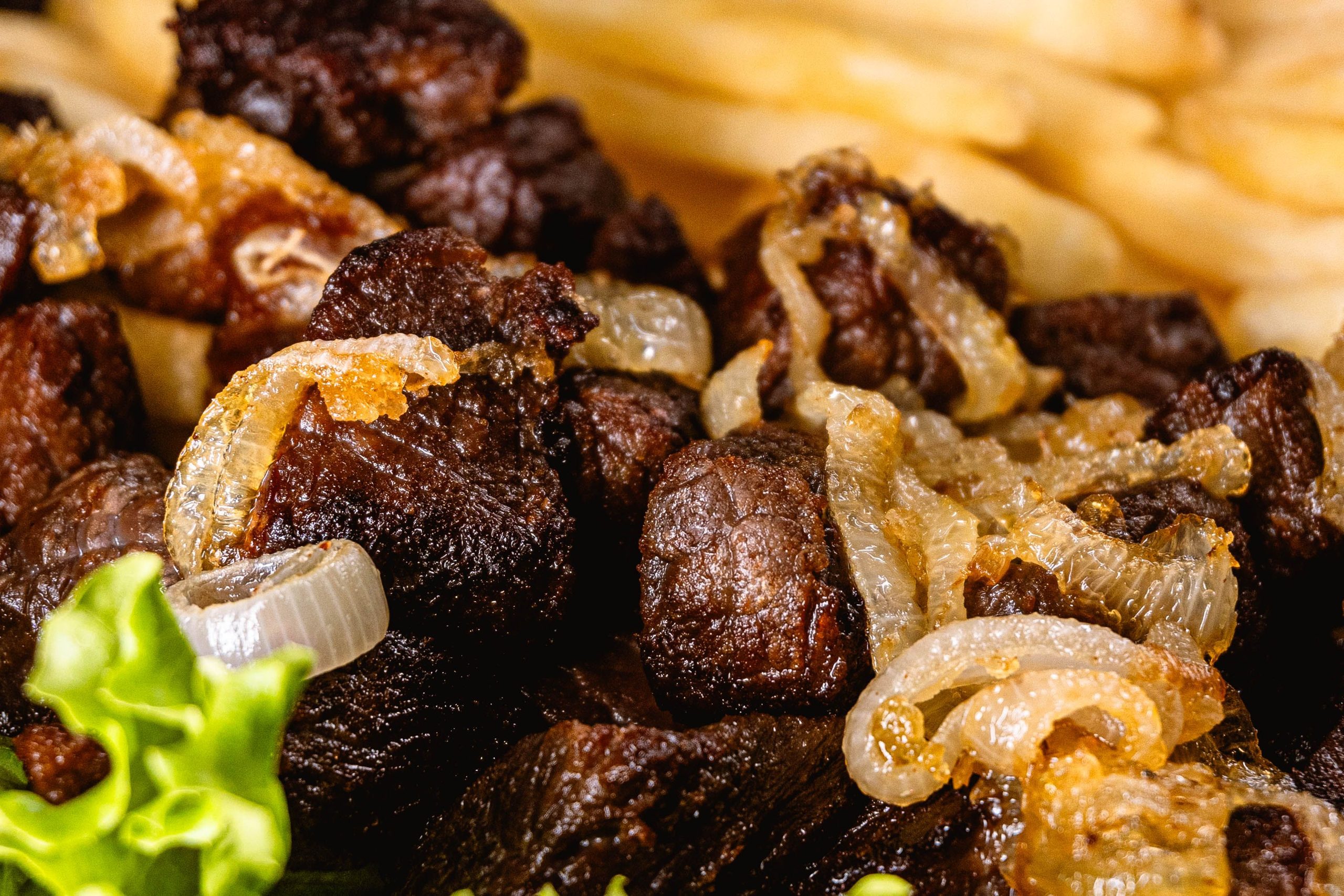
Few old-fashioned dinners inspire stronger reactions than liver and onions. For some Baby Boomers, the smell of onions sizzling in a skillet brings back memories of coming home from school and finding dinner almost ready.
The dish typically combines sliced liver with sautéed onions, sometimes accompanied by mashed potatoes and gravy.
Its distinctive flavor and texture can be difficult for unfamiliar diners to appreciate. Some younger people may hesitate before taking even one bite.
Yet for those who grew up eating it, liver and onions can represent a familiar home-cooked meal rather than an unusual culinary experience.
Would you still eat liver and onions today, or have you had enough for one lifetime?
Jell-O Salad With Vegetables
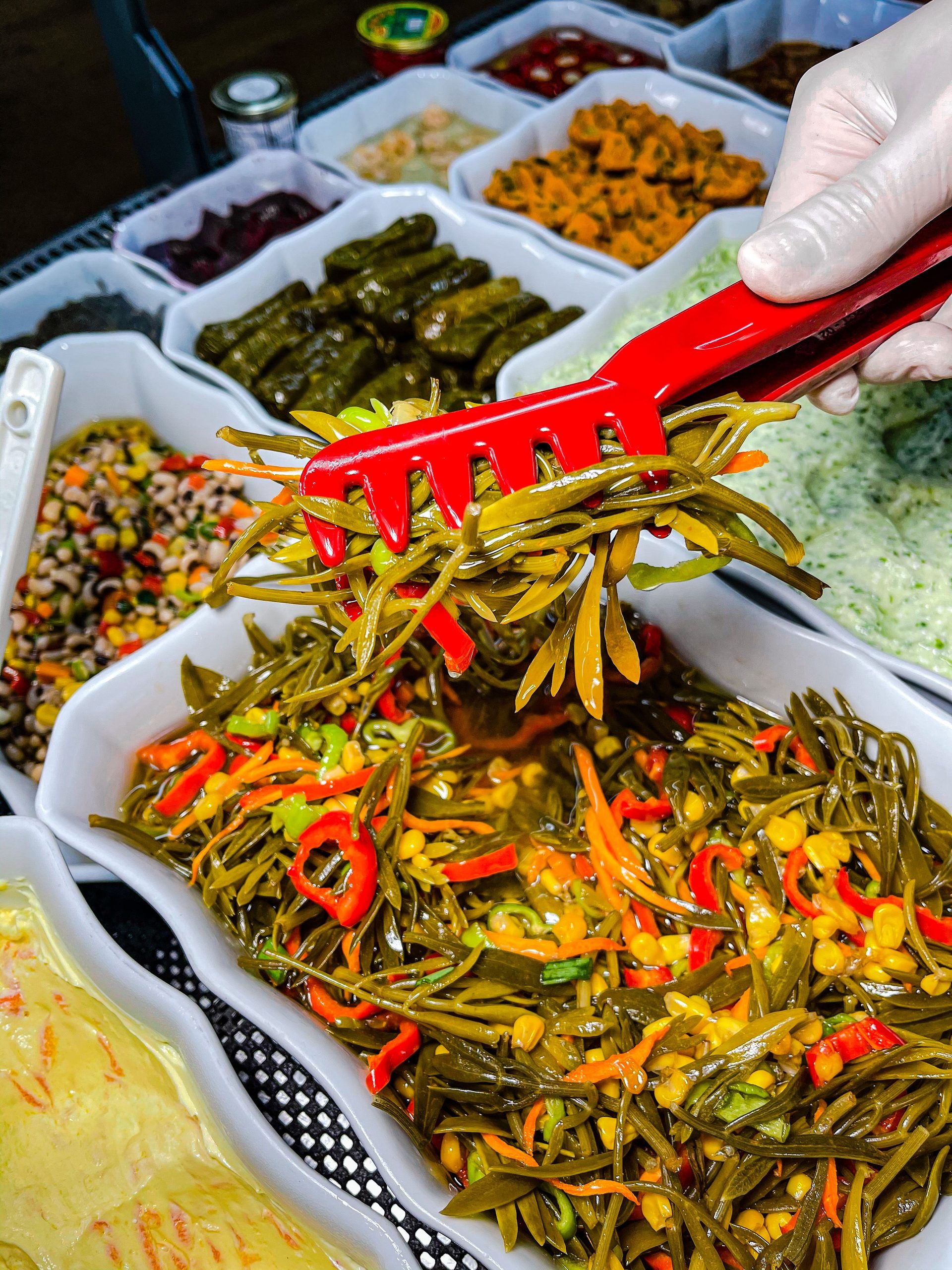
Imagine arriving at a family gathering and finding shredded carrots, celery, or cabbage suspended inside a brightly colored gelatin mold.
For some Americans, that sounds strange. For others, it brings back wonderful memories of holiday tables and church potlucks.
Gelatin salads were especially fashionable during the 1950s, according to History.com’s examination of the dish. Recipes ranged from sweet fruit combinations to savory versions containing vegetables and mayonnaise.
Today, younger diners encountering these creations for the first time may question why vegetables belong inside gelatin.
Still, there’s something undeniably nostalgic about a carefully prepared mold being brought to the table.
Related:15 Foods From the ’60s Most Boomers Loved With a Passion
Creamed Chipped Beef on Toast
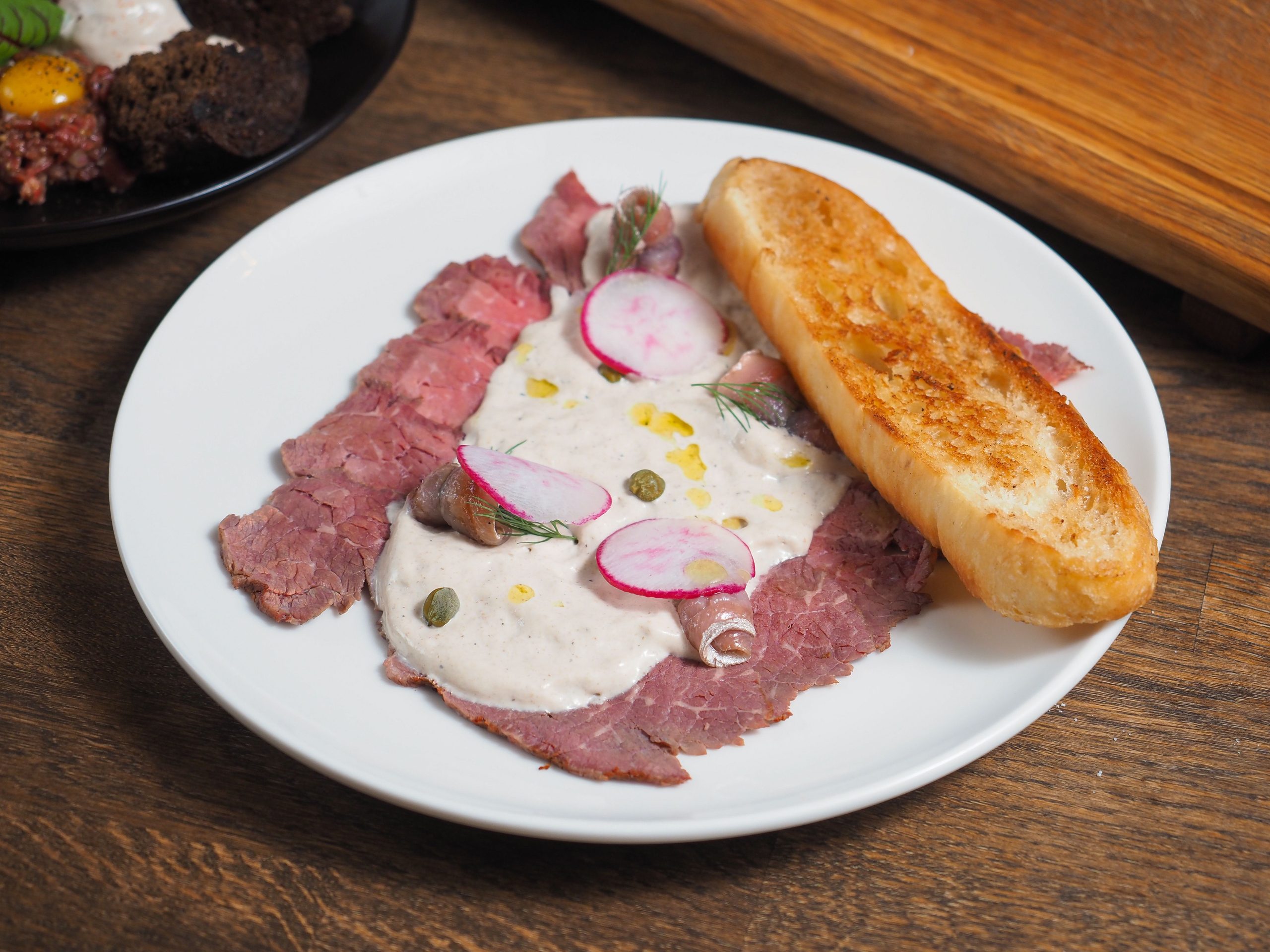
Known in some military circles by the less-than-flattering nickname “SOS,” creamed chipped beef is a simple dish with a memorable appearance.
Thin pieces of dried beef are served in a creamy white sauce over toast. It’s straightforward, filling, and closely associated with old-fashioned American cooking.
For people who grew up eating it, the dish may bring back memories of a parent preparing breakfast or a quick supper.
Others struggle to see the appeal of soggy toast covered in thick gravy.
The disagreement often comes down to familiarity. What looks unappealing to one generation can remind another of some of its happiest mornings.
Related: Creamy Pesto Pasta: A Harmony of Freshness and Indulgence
Tuna Noodle Casserole
For many families, tuna noodle casserole was the kind of dinner you could assemble from ingredients already waiting in the pantry.
Canned tuna, noodles, cream of mushroom soup, and sometimes peas or a crunchy topping came together in one baking dish.
The recipe has a surprisingly long history. Food writer Russ Parsons traced a recognizable tuna-and-noodle combination to a 1939 cookbook.
Some younger diners find the mixture of fish, creamy sauce, and pasta difficult to appreciate.
Others discover that a well-made casserole can still be comforting.
Was tuna casserole a favorite in your childhood home, or was it the dinner everyone dreaded?
Related:12 Classic Thanksgiving Side Dishes, From Green Bean Casserole to Succotash
Fried Spam
The sound of Spam sizzling in a frying pan can bring back memories of simple breakfasts and sandwiches made with whatever was available.
Introduced in 1937, Spam became widely used during World War II and remained a familiar pantry product afterward.
The Smithsonian describes how its affordability, convenience, and versatility helped establish its place in American food culture.
Some younger Americans are skeptical of canned meat, particularly its texture and appearance.
But Spam hasn’t disappeared. It remains important in Hawaiian and several Asian food traditions, where younger generations also enjoy it.
Perhaps the real divide isn’t age. It’s how the meat is prepared.
Tomato Aspic
Tomato aspic might be one of the hardest vintage dishes to explain to someone who has never encountered it.
Picture seasoned tomato juice transformed into a firm gelatin mold, sometimes containing chopped vegetables.
The Smithsonian’s National Museum of American History documents how molded savory salads became fashionable long before the Baby Boom generation came of age.
For families that served aspic during celebrations, its carefully arranged appearance could make it feel special.
For someone accustomed to drinking tomato juice rather than eating it with a fork, the experience may be confusing.
Would you consider tomato aspic a forgotten delicacy or a recipe best left in the past?
Fried Bologna Sandwiches
Before elaborate deli sandwiches became an everyday option, a few slices of bologna fried in a skillet could make a satisfying lunch.
Some cooks added mustard, cheese, or onions. Others served it between two plain slices of white bread.
Bologna was familiar enough in midcentury America that home cooks even prepared elaborate versions. The Smithsonian documented a 1950s recipe for barbecued bologna.
For older readers, a fried bologna sandwich may represent childhood simplicity.
Younger readers who have never tried one might wonder what makes it special.
Sometimes, the simplest foods carry the strongest memories.
Creamed Peas on Toast
Creamed peas on toast belonged to a practical style of home cooking where inexpensive ingredients became an entire meal.
Peas were combined with a creamy sauce and served over toasted bread. Some families added onions or other ingredients.
It wasn’t necessarily fancy, but fancy wasn’t always the goal.
For children who grew up with these meals, the familiar combination could become comforting. For someone seeing it for the first time, vegetables served over toast might seem like an unusual dinner choice.
The dish raises an interesting question: Have modern food expectations made us less appreciative of simple meals?
Canned Corned Beef Hash
A skillet of corned beef hash once provided an uncomplicated way to prepare a filling breakfast or supper.
The dish combines corned beef with potatoes and seasonings. Canned versions made preparation especially convenient.
Some families fried it until the bottom developed a browned crust, while others served it softer, often alongside eggs.
Its appearance can surprise people unfamiliar with the dish. Yet those who grew up enjoying it may remember the smell of breakfast cooking before school.
The difference between a cherished family favorite and an unappealing meal can sometimes be nothing more than childhood experience.
Frozen TV Dinners in Aluminum Trays
For children growing up during television’s rapid expansion, eating dinner in front of the TV could feel like a special occasion.
In 1954, Swanson introduced its frozen TV dinner in a compartmentalized aluminum tray. According to the Smithsonian’s National Museum of American History, the product combined convenience with Americans’ growing excitement about television.
Turkey, potatoes, vegetables, and dessert could arrive together in separate compartments.
Frozen meals remain popular today, but those original aluminum trays belong to a different era.
Some Boomers recall family television nights. For younger consumers, they might look more like museum exhibits than dinner.
Related:13 Weird Old-Fashioned Foods Only Boomers Eat
Baked Bologna Loaf
If fried bologna sandwiches seem old-fashioned, baked bologna loaf takes the nostalgia even further.
Midcentury recipes sometimes treated an entire unsliced piece of bologna like a roast, adding glazes and seasonings before cooking.
The Smithsonian has documented a 1950s barbecued bologna recipe featuring currant jelly, mustard, and cloves.
To someone raised on modern deli sandwiches, serving a whole bologna loaf as a centerpiece might sound unusual.
But recipes like this reveal how creatively home cooks worked with familiar ingredients.
Sometimes, the most memorable family meals weren’t expensive or elaborate. They reflected what people had.
Maybe It Was Never Just About the Food
It’s easy to laugh at the strange combinations that appeared on American dinner tables decades ago. But behind many of these recipes were parents working long hours, grandparents stretching grocery budgets, and families finding comfort in familiar routines.
Younger generations have their own food traditions, and one day their favorite meals may seem just as strange to their grandchildren.
Not every old recipe deserves a comeback. Still, dismissing these dishes entirely can mean overlooking the stories that made them meaningful.
So here’s the question: Which childhood food deserves another chance, and which one should stay in the past?
If you grew up during the 1950s, 1960s, or 1970s, which of these dishes did your family serve? And if you’re younger, which one would you actually be willing to try?