America’s sandwich story is written in far more than bread and butter. It’s tucked into the salty crust of a Buffalo roll, folded beneath a mountain of fries in Pittsburgh, and simmering in the rich gravy of a Massachusetts noodle sandwich.
Some of these beloved creations have been around for nearly a century. Pork Chop John’s traces its Montana sandwich tradition to 1924, while Louisville’s famous Hot Brown dates to 1926. Each has a distinctive combination of ingredients, a local following, and a history worth exploring.
If your sandwich adventures rarely wander beyond ham, cheese, and turkey, these nine regional specialties offer a delicious reason to broaden your horizons.
Beef on weck: Buffalo, New York
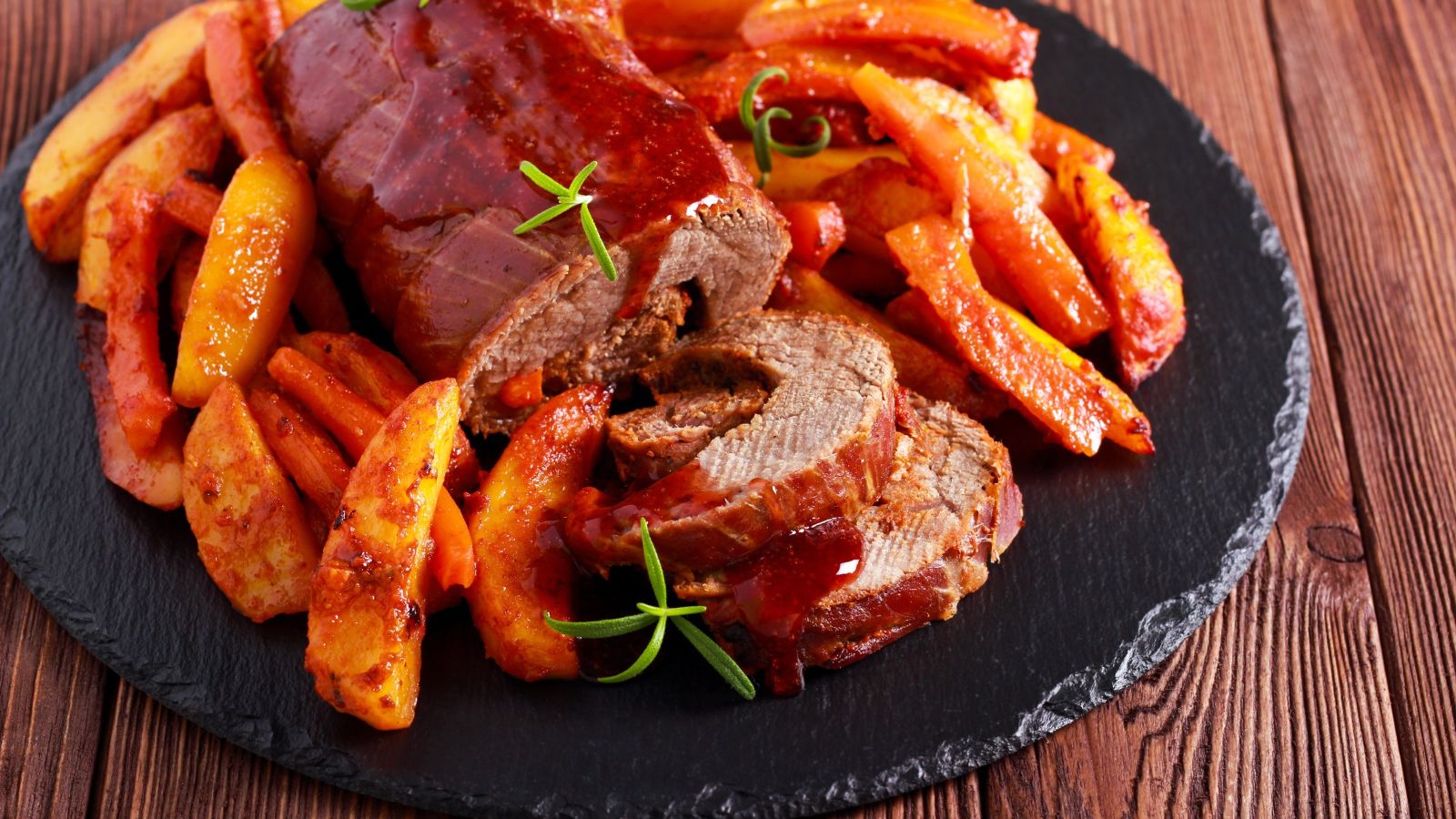
Buffalo knows how to make roast beef unforgettable, and its beef on weck proves that sometimes the bread deserves equal billing.
The sandwich pairs tender, thinly sliced roast beef with a kummelweck roll, recognizable by its coarse salt and caraway seeds. Add horseradish, and you have a combination that balances savory meat, sharp seasoning, and a wonderfully distinctive crust.
Charlie the Butcher, a Buffalo-area restaurant associated with this specialty, serves roast beef on the traditional seasoned roll, accompanied by horseradish and a pickle.
Local accounts trace the sandwich’s beginnings to German immigrants in the late 1880s, though the exact origin story remains uncertain.
What makes beef on weck special isn’t an elaborate filling. It’s the marriage of carefully roasted meat and bread with a personality all its own.
Spiedie: Binghamton, New York
Some sandwiches announce themselves with towering layers. Binghamton’s spiedie takes a quieter, smokier route.
This Southern Tier favorite features cubed meat soaked in marinade, grilled on skewers, and tucked into Italian bread or a roll. The marinade brings much of the character, allowing the meat to remain the star.
According to WSKG’s coverage of the 2023 Spiedie Fest, the sandwich is a signature Binghamton specialty, celebrated at an annual festival.
Local restaurant Spiedie & Rib Pit offers traditional chicken and pork versions in 6-inch and 12-inch sizes, alongside variations with additional toppings.
The sandwich’s exact inventor remains disputed, but its connection to New York’s Southern Tier is unmistakable. Sometimes, simplicity makes the loudest culinary statement.
Muffuletta: New Orleans, Louisiana
New Orleans has a gift for turning ordinary ingredients into something memorable, and the muffuletta is no exception.
At Central Grocery, the sandwich begins with a 9-inch round Sicilian sesame loaf. Inside are layers of ham, salami, mortadella, Swiss cheese, provolone, and marinated olive salad.
The olive mixture, featuring olives and pickled vegetables, gives the sandwich its unmistakable briny character.
Central Grocery credits its founder, Sicilian immigrant Salvatore Lupo, with creating the muffuletta after establishing his grocery in 1906.
A PBS cooking feature documents the sandwich’s traditional preparation, including its deliberate cold serving style.
This sandwich doesn’t need a sizzling grill to command attention. Its magic lives between the sesame-studded bread and those generous layers.
Hot Brown: Louisville, Kentucky
Forget everything you know about sandwiches that fit neatly between two slices of bread. Louisville’s Hot Brown prefers a knife, a fork, and a little ceremony.
Created at The Brown Hotel in 1926, this open-faced specialty features roasted turkey on toast, blanketed in creamy Mornay cheese sauce and browned beneath a broiler.
Crispy bacon and Roma tomatoes complete the presentation.
According to the hotel’s historical account, chef Fred Schmidt developed the dish for late-night guests seeking something more exciting than traditional ham and eggs after evening dances.
The hotel’s published recipe uses Pecorino Romano in its sauce, adding another distinctive layer to this Kentucky favorite.
With its bubbling golden topping, the Hot Brown feels like the delicious meeting point between a sandwich and a comforting baked casserole.
Horseshoe: Springfield, Illinois
Springfield’s horseshoe sandwich doesn’t believe French fries should sit politely beside the main course. It invites them straight onto the plate.
The traditional construction begins with Texas toast, followed by a choice of meat, a generous pile of fries, and a blanket of cheese sauce.
At D’Arcy’s Pint, diners can explore different fillings while keeping that recognizable arrangement intact.
The restaurant’s documented menu also features the ponyshoe, a smaller version of the same indulgent combination.
What separates the horseshoe from an ordinary hot sandwich is its glorious disregard for restraint. Bread, meat, potatoes, and cheese sauce share one plate, with no need to keep the side dish separate.
It’s Springfield comfort food with a wonderfully playful personality.
Loose-meat sandwich: Iowa
Not every beef sandwich needs a perfectly shaped hamburger patty. Iowa’s loose-meat tradition proves that delicious things can happen when the meat refuses to stay together.
The sandwich features seasoned ground beef served loose inside a warm bun.
Maid-Rite, a company dating back to 1926, serves its version on steamed white or wheat buns, with optional mustard, ketchup, onions, and pickles.
The company credits butcher Fred Angell with developing its signature recipe. Its colorful naming story involves a deliveryman supposedly declaring the sandwich “made right,” though that conversation remains company lore.
Unlike a conventional burger, the loose-meat sandwich celebrates its crumbly filling rather than hiding it.
And while Maid-Rite is the famous branded version, loose-meat sandwiches belong to a broader Midwestern food tradition.
Primanti-style sandwich: Pittsburgh, Pennsylvania
Pittsburgh takes its sandwiches seriously, but Primanti-style creations have a mischievous streak.
Instead of placing fries and coleslaw beside the sandwich, this local specialty piles them directly inside, alongside meat, melted provolone, and tomato on Italian bread.
Primanti Bros. traces its roots to Joe Primanti’s sandwich cart and a Strip District storefront opened in 1933.
The company tells a colorful story about potatoes being fried and added to sandwiches after an unexpected delivery. It acknowledges that parts of the tale survive through family memory and local lore.
Whatever the precise origin, the signature combination remains wonderfully distinctive.
The fries contribute their familiar golden texture, while the coleslaw adds a sweet-and-tangy contrast. Pittsburgh found a way to turn an entire sandwich meal into one remarkable handful.
Pork chop sandwich: Butte, Montana
Montana’s pork chop sandwich carries the spirit of an old-fashioned roadside meal, complete with a crisp coating and a generous helping of history.
At Pork Chop John’s, the sandwich features a hand-battered, deep-fried boneless pork chop tucked into a soft bun.
The restaurant traces its beginnings to 1924, when Swedish immigrant John Burklund started selling sandwiches from a wagon in Butte. Its first restaurant followed in 1932.
The original accompaniments included onions, mustard, and pickles.
Although the name suggests a traditional bone-in pork chop, the sandwich actually uses boneless meat.
It’s an appealing contrast of crispy coating, tender pork, and uncomplicated toppings, preserving a distinctive Montana food tradition.
Chow mein sandwich: Fall River, Massachusetts
Fall River proves that noodles can find a comfortable home inside a hamburger bun.
This unusual New England specialty features fried chow mein noodles covered in brown gravy and served with plain hamburger bread.
In WCAI’s 2019 reporting, Mee Sum restaurant co-owner Regina Mark demonstrated a version containing fried noodles, gravy, and chicken.
Anthropologist Imogene Lim linked the dish’s development to Chinese restaurant owners adapting their offerings for Fall River’s European-immigrant textile workers.
The region’s noodle-making heritage also includes Oriental Chow Mein Company, founded in 1938.
It’s certainly no ordinary handheld sandwich. The gravy and noodles can make utensils a practical choice, but that’s part of its enduring charm.
The final bite
From Buffalo’s caraway-sprinkled rolls to Fall River’s gravy-covered noodles, these nine sandwiches reveal how creatively American communities have made a familiar meal their own.
Their appeal goes beyond unusual ingredients. Each carries traces of immigration, local traditions, family businesses, and culinary experimentation.
Some are wonderfully messy. Others are beautifully simple. A few barely resemble the sandwiches you grew up eating.
But that’s precisely what makes exploring regional American food so rewarding. Every town seems to have its own delicious story, and sometimes the best way to discover it is between two pieces of bread.