ORLANDO, Fla. , Florida’s criminal justice system is facing a growing mental health crisis as some defendants with serious psychiatric needs are being released back into the community before long-term treatment beds become available.
The issue is raising concern among families, attorneys, judges, and public safety officials who say Florida’s jails are being forced to handle people who may need clinical treatment more than incarceration. In some cases, defendants found incompetent to stand trial or found not guilty by reason of insanity are waiting for state forensic treatment beds. In others, they may be released under court supervision when the law does not support continued confinement.
This is not a story about blaming people with mental illness. Most people living with mental health conditions are not violent. The concern is more specific: whether Florida has enough treatment beds, supervision, and follow-up care to safely manage defendants whose criminal cases are tied to serious psychiatric conditions.
Jails are carrying the crisis.
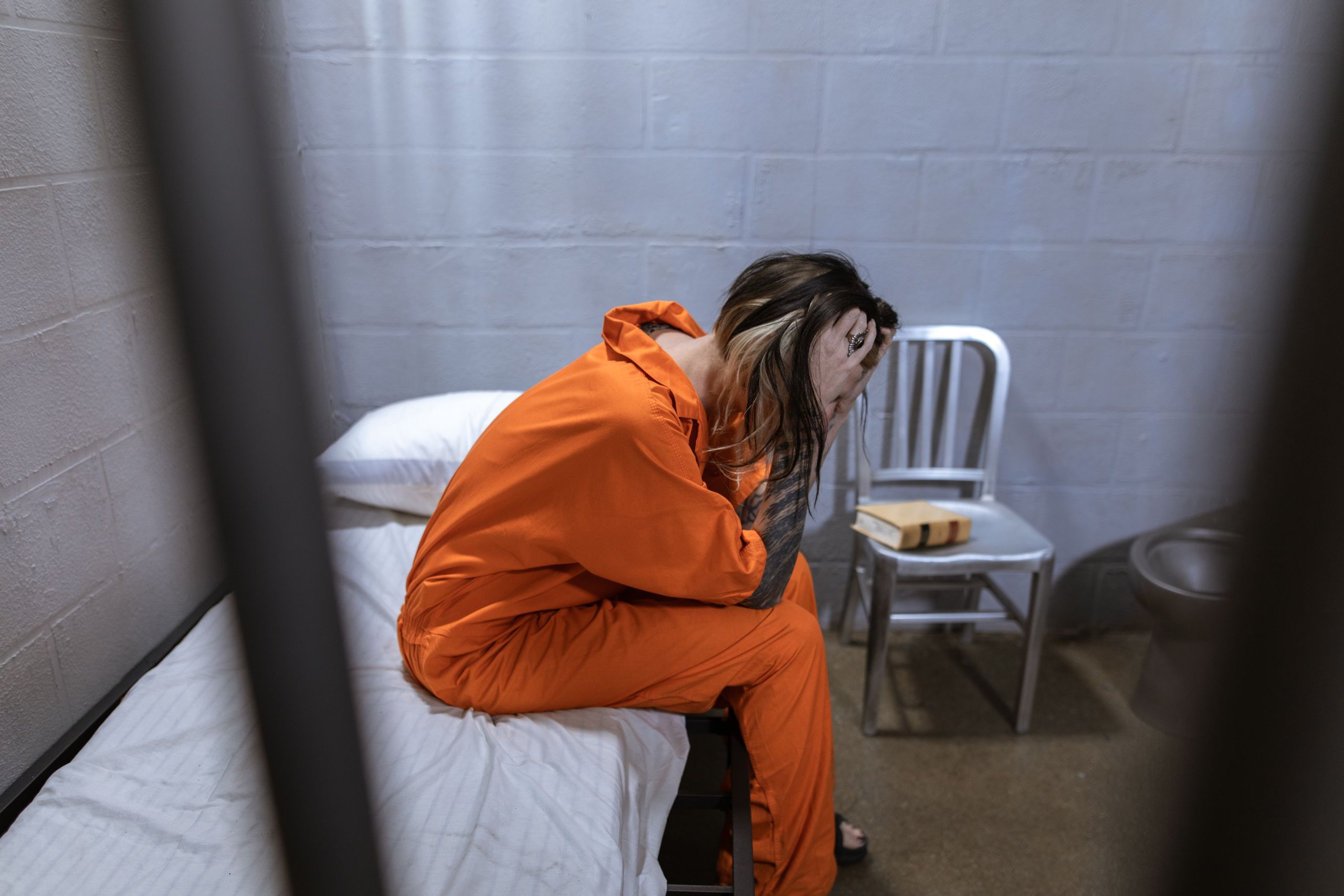
Florida’s county jails were built for custody, not long-term psychiatric care. Yet local investigations into Florida jail mental health found that roughly one in five people in Florida jails is being treated for mental illness.
That means jail staff is handling more than arrests, bond hearings, and security checks. They are also dealing with medication, suicide risk, psychiatric symptoms, delusions, competency evaluations, and people who may not understand the charges against them.
In Central Florida, the Orange County Jail has been described as one of the region’s largest mental health providers by default. That phrase should trouble anyone who cares about public safety or humane treatment. A jail can manage custody, but it is not supposed to replace a hospital.
The wait for treatment can stretch.
Florida law includes procedures for defendants whose mental illness affects whether they can move through a normal criminal case. If a person is found incompetent to proceed, the court may order treatment to restore competency. If a person is found not guilty by reason of insanity, the court may also order treatment or supervision.
But the system runs into a hard problem when treatment beds are full. A separate local investigation found hundreds wait months in jail despite a state transfer timeline meant to move eligible defendants into care.
That delay affects more than court calendars. A defendant who is too mentally ill to proceed may sit in a county jail while symptoms worsen. Families wait for answers. Public defenders file motions. Judges face pressure. Jail staff are left managing a medical crisis inside a correctional facility.
Some are released under supervision.
When treatment beds are unavailable, judges must still follow the law. A person cannot be held indefinitely only because they have a diagnosis. Courts must consider expert evaluations, risk, competency, available care, and whether less restrictive options are legally appropriate.
That is where some defendants are sent back home or released into the community under conditions. Those conditions may include medication, outpatient treatment, court monitoring, reporting requirements, housing rules, or other supervision.
The concern is whether those release plans are robust enough in practice. A plan may look responsible in court, but it depends on access to medication, transportation, appointments, family support, housing stability, and prompt intervention if symptoms return.
Families say help can become another arrest.
For many families, the crisis begins long before a judge gets involved. A parent, spouse, sibling, or adult child may call for help because a loved one is delusional, suicidal, paranoid, threatening, or unable to care for themselves.
Florida’s Baker Act allows for involuntary mental health examination when legal criteria are met. But when law enforcement responds to a mental health emergency, the situation can become complicated fast.
Public media reporting on one Southwest Florida family shows how the system failed, showing how crisis calls can sometimes lead to more criminal charges, including resisting an officer. Families who wanted treatment may find themselves pulled into a cycle of arrest, jail, hearings, and delayed care.
The law is trying to change direction.
Florida lawmakers have tried to move more cases toward treatment instead of deeper incarceration. Local statehouse coverage said the Tristin Murphy Act, signed into law, aims to divert people experiencing mental health problems from the criminal justice system into care.
That sounds like the right direction. Diversion can help people who need treatment avoid unnecessary jail time when their cases qualify. It can also reduce pressure on crowded jails and give courts more options.
But a law cannot work by itself. Diversion needs clinicians, beds, case managers, transportation, housing support, prosecutors, judges, public defenders, and local treatment providers. Without those pieces, reform can become another promise the system cannot keep.
Public safety fears are not imaginary.
The public safety concern is real, but it has to be handled carefully. Mental illness alone does not make someone dangerous. Many people with mental health conditions are more likely to need help than to harm others.
Still, some defendants in the forensic mental health system are accused of serious crimes or have histories that require close supervision. When a person with serious psychiatric needs is released before long-term treatment is available, families and communities naturally ask what safeguards are in place.
Those questions are fair. They are not about stigma. They are about whether Florida can provide treatment, monitoring, and support strong enough to protect both the person in crisis and the people around them.
Jails are not treatment centers.
Leaving defendants in jail for months is not a clean answer either. Jail can make mental health symptoms worse, especially when a person needs specialized psychiatric care, medication adjustment, or a structured treatment environment.
Correctional officers are not hospital staff. Public defenders are not case managers. Judges are not doctors. Families are not forensic treatment teams.
That is why the current system feels so strained. Jail may be too harsh and too limited for treatment. Release may be too fragile without strong supervision. Treatment beds may be too scarce to meet demand. Every option carries risk because the underlying system is overloaded.
The crisis reaches beyond Orlando.
Central Florida has drawn attention, but this is a statewide issue. The pressure can affect Tampa Bay, Southwest Florida, Jacksonville, Miami-Dade, the Panhandle, and smaller counties where services may be thinner.
Some counties have mental health courts or diversion programs. Others have fewer resources. That means a defendant’s path may depend heavily on where they are arrested, which judge hears the case, what services are available nearby, and how quickly a treatment bed becomes available.
For families, that inconsistency can be devastating. They may call for help in one county and gain access to treatment. In another, they may get arrested, jailed, and a release plan that leaves them feeling alone again.
Florida’s hardest question
Florida’s jail mental health crisis is not only about who gets released. It is about what happens before, during, and after release.
If defendants with serious mental illness are sitting in jail without timely treatment, the system is failing them. If they are sent home before treatment begins and without enough support, families and communities may be left carrying the risk.
The answer is not to demonize mental illness. The answer is also not to pretend that paperwork can replace care. Florida needs more forensic treatment beds, stronger community programs, faster evaluations, better crisis response, reliable access to medication, and release plans that are monitored closely enough to matter.
Until then, the state will keep facing the same troubling question: why are some mentally ill defendants going home before the treatment system is ready for them?