The Kennedy Center may be open, but the bigger question is whether it will still feel alive. A federal judge has blocked the center’s planned two-year closure for renovations, while the venue faces shrinking programming, financial pressure, and fallout from the failed effort to add President Donald Trump’s name to the building. Now the crisis is about whether America’s national stage can continue to serve the public if the performances begin to disappear.
Open Doors May Not Mean a Living Stage
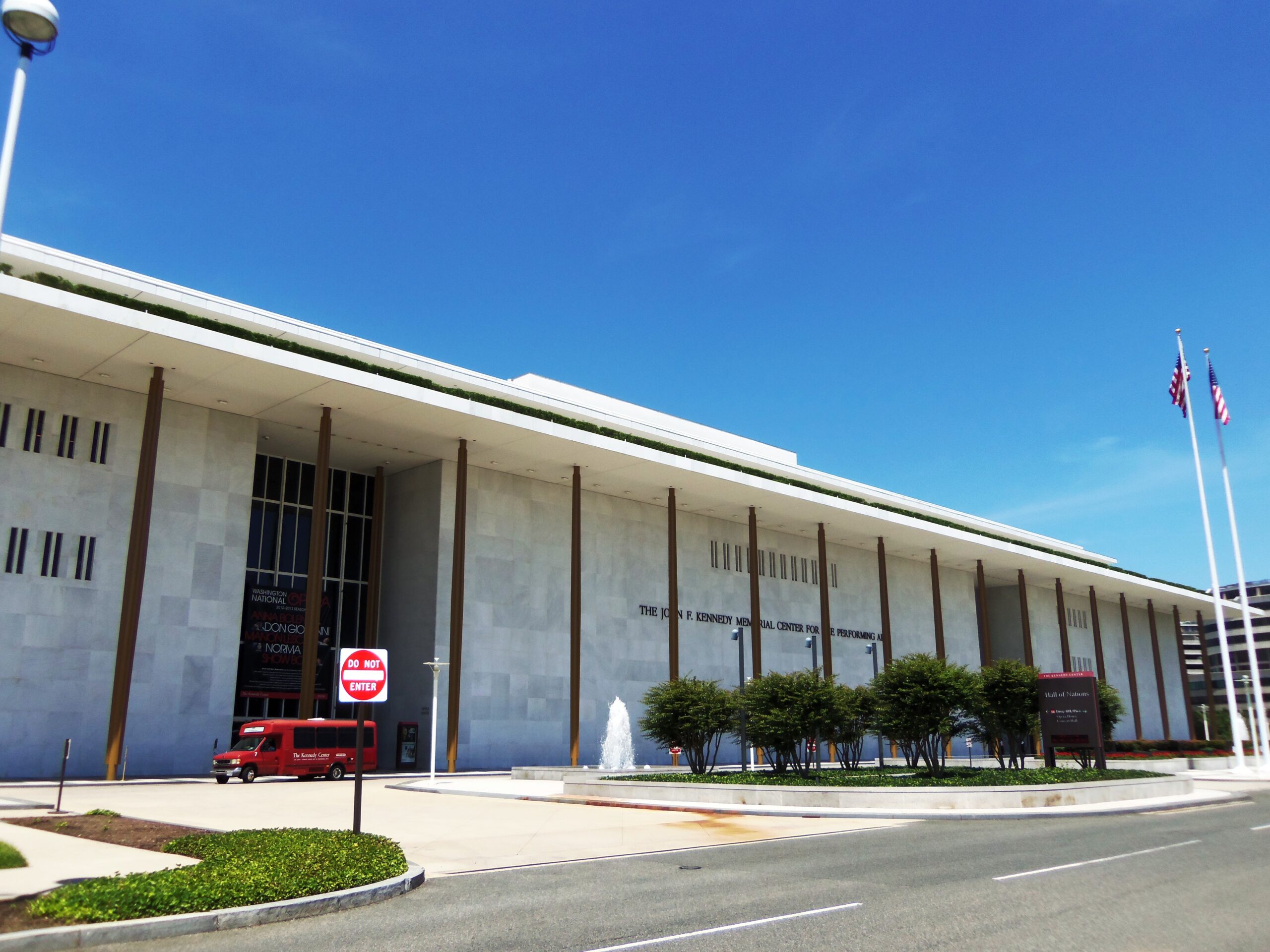
Carol M. Highsmith, Public domain, via Wikimedia Commons
The most important issue is no longer whether people can physically enter the Kennedy Center. The deeper issue is whether there will be enough meaningful programming inside to make the building feel alive. If visitors find a thin calendar and quiet stages, the center may appear open yet feel closed.
The Kennedy Center has argued that it is not required to reschedule canceled shows or recruit new programming after the judge blocked its closure plan. That creates a sharp tension between legal compliance and public expectation. The venue could keep some areas open while still giving audiences very little reason to come.
Public Access Means More Than Unlocking the Doors
The phrase public access is now central to the controversy. For a normal building, public access may simply mean the doors are open. For the Kennedy Center, it should mean music, theater, dance, education, and public events.
A quiet lobby cannot replace the living stage. A famous building without strong programming risks becoming a monument to absence rather than a home for the arts. The real test is not whether people can enter, but whether there is still something meaningful waiting inside.
The Fight Was Never Just About Trump’s Name
The removal of Trump’s name from the Kennedy Center was dramatic, but the deeper story is not only about signage. It is about power, control, and the limits of political influence over a public cultural institution. The controversy has forced a larger question about who gets to decide what the Kennedy Center represents.
The court ruled that the Kennedy Center could not be renamed by the board for decision or presidential preference because the institution’s name is tied to congressional authority. That made the removal of Trump’s name more than a visual reversal. It became a reminder that public cultural institutions have legal boundaries.
Three Options Could Decide the Future
The Kennedy Center is reportedly weighing three possible paths. One option is a full closure during renovations, which may be the cleanest choice for construction. But it is also the riskiest option because a complete shutdown would raise questions about public programming.
The second option is a partial closure, with limited events in parts of the building not affected by construction. The third option is a phased renovation, where different sections close at different times while programming continues elsewhere. That phased model may be the strongest way to balance repairs with public responsibility.
The Tarp Became a Symbol
After Trump’s name was removed, tarps remained over parts of the Kennedy Center facade. That covering has now become its own symbol. To some critics, it looks less like routine maintenance and more like a covered wound left behind after a public legal defeat.
The visuals are hard to ignore. The name came down, but the building still appears marked by the fight that placed it there. In public life, symbols matter because people often remember the image before they read the legal filing.
A Living Memorial Cannot Afford to Go Silent.
The Kennedy Center is more than a performance venue. It is a living memorial to President John F. Kennedy. That phrase matters because a living memorial depends on activity, not silence.
A statue can stand still and remain a memorial. A performing arts center cannot do that in the same way. Its meaning comes from movement, sound, gathering, expression, and public participation.
Artist Trust May Be Harder to Repair Than the Building

Carol M. Highsmith, Public domain/Wikimedia Commons
Buildings can be renovated with construction crews, money, and time. Artist trust is different. Once performers and agents begin to doubt a venue’s stability, rebuilding confidence can take much longer than repairing a stage floor.
Major performers do not usually appear on short notice. Broadway productions, ballet companies, opera groups, and orchestras often plan months or years ahead. They need reliable dates, strong technical teams, clear contracts, and confidence that the venue can deliver.
The Orchestra and Audience Are Warning Signs
The National Symphony Orchestra may become one of the most important pieces in the Kennedy Center’s next move. Regular performances could help stabilize the calendar, but the orchestra also needs budget clarity and a reliable season plan. If one of the center’s key artistic partners remains uncertain, it becomes harder to reassure outside performers and audiences.
Audiences are also creatures of habit. They check calendars, buy subscriptions, make plans, and build traditions around certain venues. When those habits are broken, they do not always return automatically.
The Best Path Forward Is Real Programming
The strongest path forward appears to be a phased renovation plan that keeps meaningful programming alive. This would require careful scheduling, clear communication, and serious leadership discipline. It would also show that the Kennedy Center understands its public role.
A phased plan would allow repairs to proceed without causing the institution to disappear. It would give audiences a reason to keep returning and artists a reason to keep trusting the venue. It would also give the court a clearer sign that the center is honoring the spirit of public access.
The Kennedy Center may survive the renovation, but the harder question is whether it can survive the silence. People will judge it by what happens after they walk inside. They will judge it by the performances, the artists, the audience energy, and the feeling that the building still belongs to the p